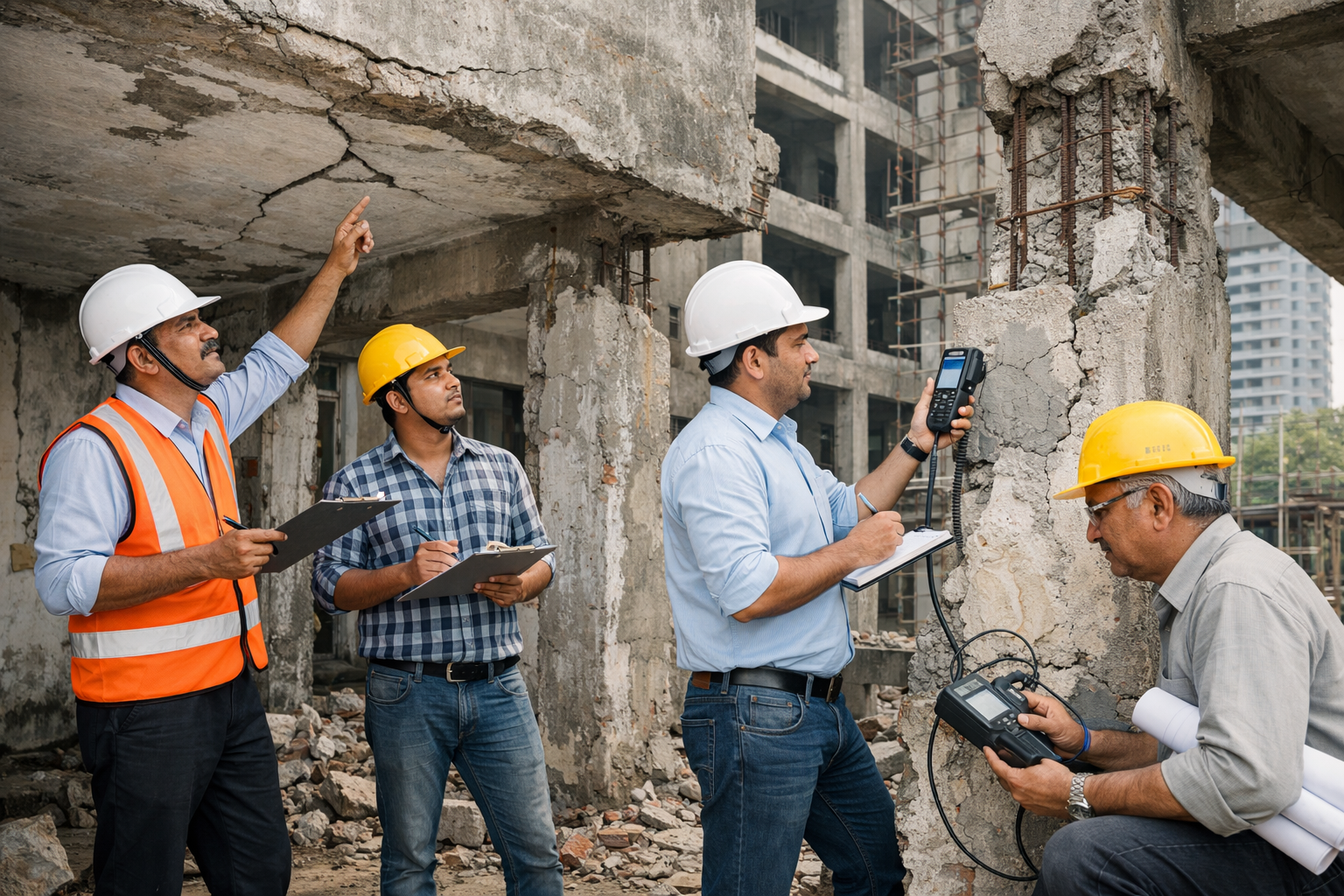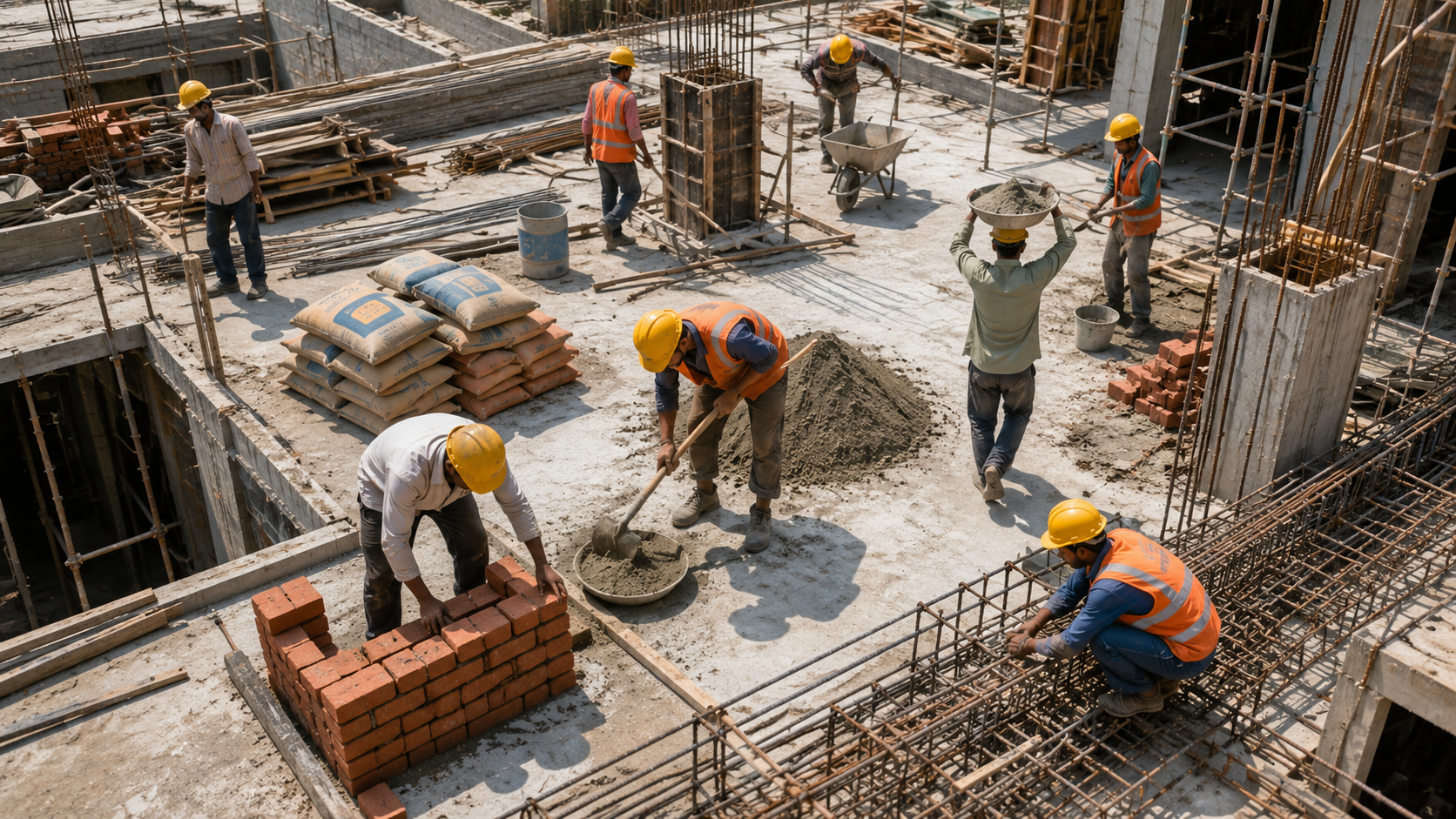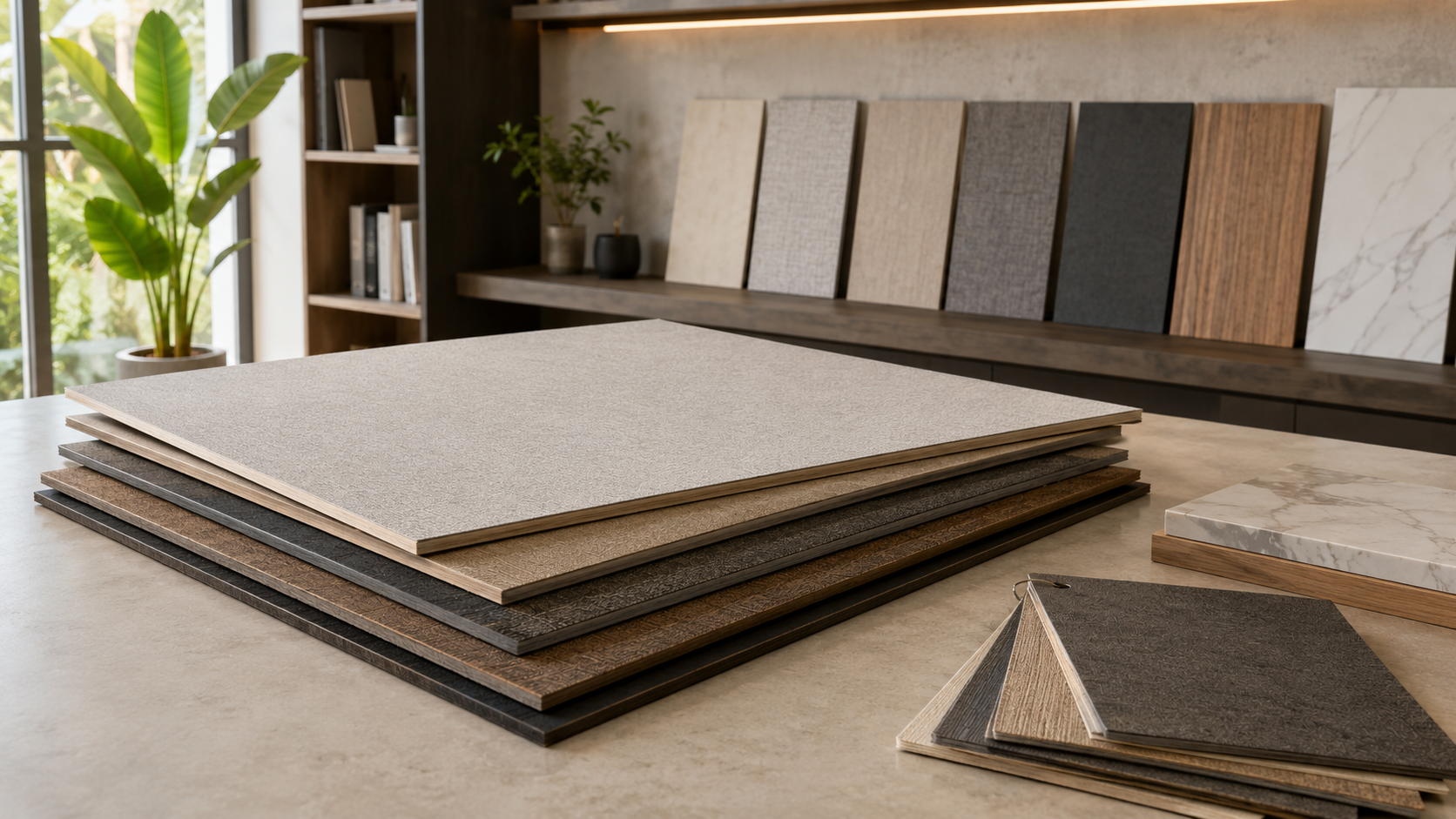


Construction costs in India have been a critical concern for developers, architects, and property owners. As we approach 2026, understanding the cost per square foot becomes essential for budgeting and planning construction projects across the country. The construction industry in India is experiencing significant fluctuations due to material costs, labor availability, regulatory changes, and regional variations. This comprehensive guide will help you navigate construction pricing in India and make informed decisions for your projects.
Current Construction Cost Landscape in India
The construction industry in India has witnessed substantial changes over the past few years. The cost per square foot varies significantly based on location, construction quality, materials used, and project specifications. As of 2025-2026, the average construction cost in India ranges from ₹800 to ₹3,500 per square foot, depending on multiple factors.
The construction sector is influenced by several macroeconomic factors including inflation, material availability, labor costs, and government policies. The implementation of GST on construction materials, fluctuating steel and cement prices, and increasing labor wages have all contributed to the rising costs. Understanding these dynamics is crucial for anyone planning a construction project, whether it's residential, commercial, or industrial.
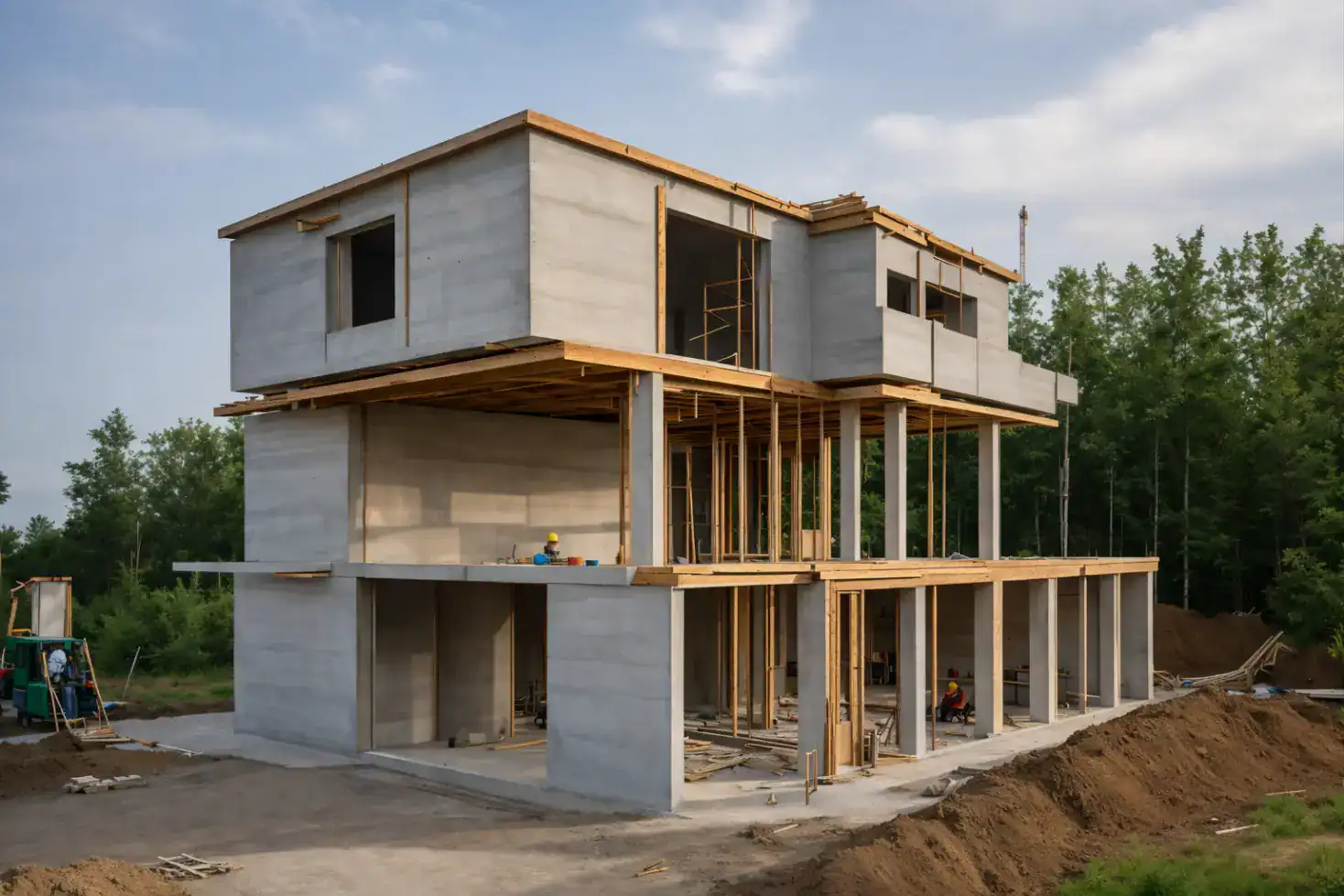
Build cost · Bengaluru, May 2026
Regional Variations in Construction Costs
Metropolitan Cities
Metropolitan areas like Mumbai, Delhi, Bangalore, and Hyderabad command premium construction costs. In Mumbai, construction costs range from ₹2,000 to ₹3,500 per square foot for quality construction. Delhi follows closely with costs between ₹1,800 to ₹3,200 per square foot. These cities have higher land costs, stricter building regulations, and increased demand for skilled labor, which drives up overall construction expenses. /blog/tiles-cost-per-sq-ft-in-india-pricing-guide-2026
Bangalore and Hyderabad, being IT hubs with rapid urbanization, have construction costs ranging from ₹1,500 to ₹2,800 per square foot. The demand for modern infrastructure and commercial spaces in these cities has created a competitive market for construction services.
Tier-2 Cities
Tier-2 cities such as Pune, Ahmedabad, Jaipur, and Chandigarh offer more economical construction options. In these cities, construction costs typically range from ₹1,000 to ₹2,000 per square foot. Pune, with its growing infrastructure and real estate market, costs between ₹1,200 to ₹2,000 per square foot. Ahmedabad and Jaipur are relatively more affordable, with costs ranging from ₹900 to ₹1,600 per square foot.
These cities are attracting significant investment and development activity, making them attractive for both residential and commercial projects. The lower land costs and relatively lower labor expenses make these locations economically viable for various construction projects.
Frequently asked
Tier-3 Cities and Rural Areas
Smaller towns and rural areas in India offer the most economical construction options, with costs ranging from ₹600 to ₹1,200 per square foot. However, the availability of skilled labor and quality materials may be limited in these areas, which can sometimes offset the cost savings.
Breakdown of Construction Costs
Material Costs
Materials typically account for 50-60% of total construction costs. Key materials include:
Cement: Currently priced around ₹350-450 per 50kg bag, cement remains one of the most significant cost components
Steel: Reinforcement steel prices fluctuate between ₹55-65 per kilogram, significantly impacting structural costs
Bricks and Aggregates: Ranging from ₹4-8 per brick and ₹800-1,200 per cubic meter for aggregates
Finishing Materials: Tiles, paints, and fixtures can vary widely based on quality, ranging from budget to premium options
The volatility in international commodity prices directly affects material costs in India. Steel prices, in particular, have shown significant fluctuations based on global market conditions and import duties.
Labor Costs
Labor typically represents 25-35% of total construction costs. Skilled laborers in metropolitan areas command higher wages, ranging from ₹400-800 per day, while semi-skilled and unskilled workers earn ₹250-500 per day. In smaller cities, these rates are 20-30% lower.
The shortage of skilled labor in India has been a persistent challenge, driving up wages in competitive markets. Projects requiring specialized skills, such as MEP (Mechanical, Electrical, Plumbing) installations or structural work, command premium labor rates.
Land and Site Costs
Land costs vary dramatically by location. In Mumbai and Delhi, land can cost ₹5,000-20,000+ per square foot, while in tier-2 cities, it ranges from ₹500-3,000 per square foot. Site development, including excavation, leveling, and utility connections, adds another 5-10% to total project costs.
Types of Construction and Cost Variations
Residential Construction
Residential projects in India are categorized into different quality levels:
Budget/Economy: ₹800-1,200 per square foot - Basic construction with minimal finishing
Mid-Range: ₹1,500-2,500 per square foot - Decent finishes and amenities
Premium/Luxury: ₹3,000-5,000+ per square foot - High-end finishes and exclusive amenities
Residential construction has been the largest segment of India's construction industry, and costs vary significantly based on location, builder reputation, and amenities provided.
Commercial Construction
Commercial projects typically cost 20-30% more than residential construction due to complex structural requirements and specialized installations. Office spaces in prime locations cost ₹2,500-4,500 per square foot, while retail spaces range from ₹2,000-3,500 per square foot.
Industrial Construction
Industrial facilities, warehouses, and manufacturing units cost between ₹1,200-2,500 per square foot, depending on the type of machinery and specialized requirements. Heavy-duty industrial facilities may cost more due to specialized flooring and infrastructure needs.
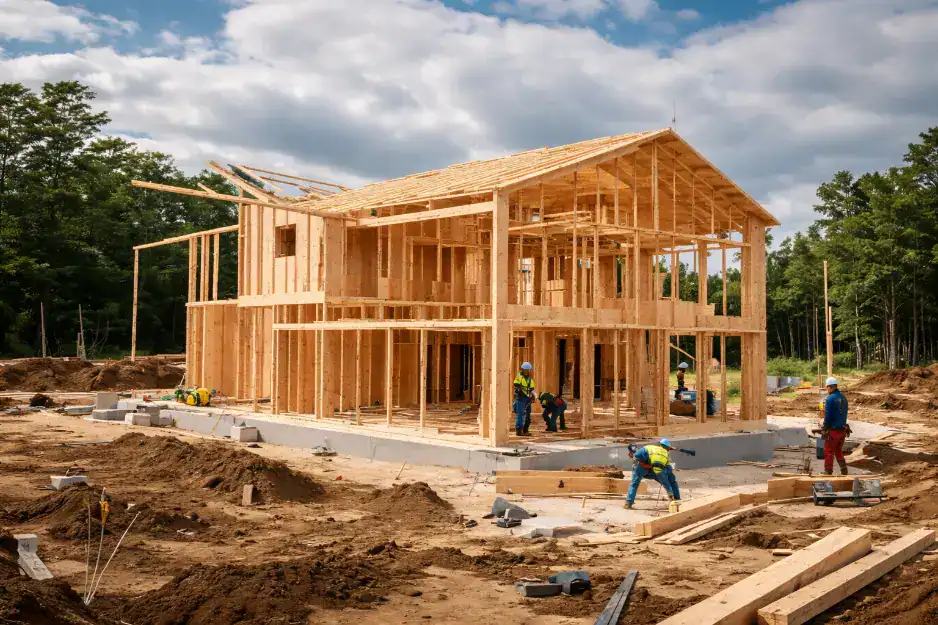
Key Factors Affecting Construction Costs in 2026
Material Price Volatility
The prices of key construction materials continue to fluctuate based on global market conditions, import duties, and local supply-demand dynamics. Steel and cement prices are particularly volatile, directly impacting project budgets. It's essential to lock in material prices early in the project planning phase.
Labor Availability and Wages
The construction industry faces ongoing challenges with skilled labor availability. Post-pandemic, many workers have shifted to other sectors, creating a labor shortage. This has driven wages up by 10-15% annually in major cities. Projects requiring specialized skills face even higher labor cost pressures.
Regulatory and Compliance Costs
Increasing regulatory requirements, including environmental clearances, building permits, and safety standards, add to project costs. Different states and municipalities have varying regulations, which can impact timelines and budgets. In cities like Mumbai and Bangalore, compliance costs can add 5-10% to total project expenses.
Transportation and Logistics
Rising fuel costs and transportation expenses have increased the cost of material delivery to construction sites. This is particularly significant for projects in remote or difficult-to-access locations. Efficient logistics planning can help mitigate these costs.
Technology and Innovation
The adoption of modern construction technologies, such as Building Information Modeling (BIM), prefabrication, and automation, can help reduce costs in the long term. However, initial implementation costs are higher. Forward-thinking developers are investing in these technologies to improve efficiency and reduce waste.
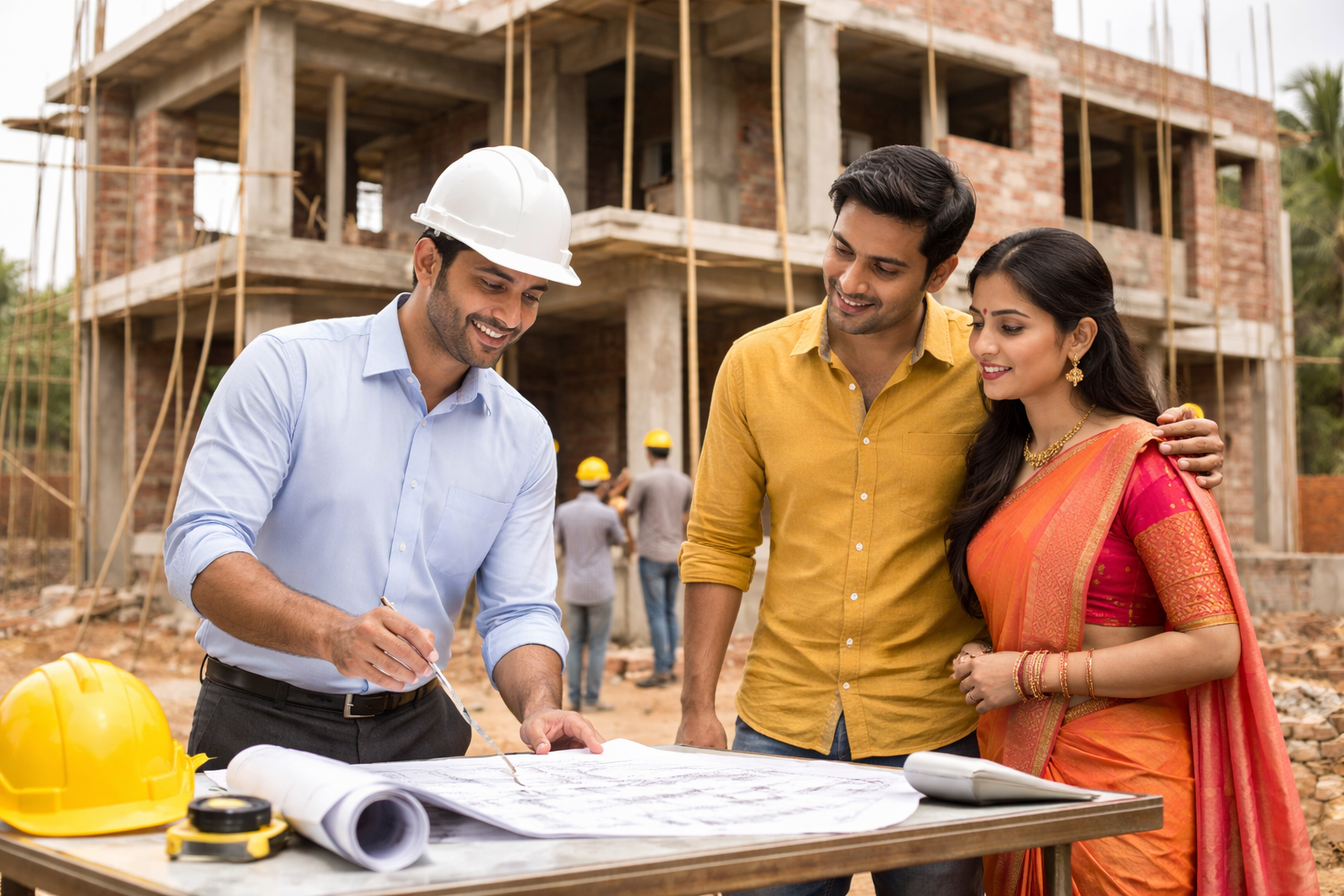
Cost Estimation Tips for Your Project
Conduct Detailed Market Research
Before finalizing your budget, conduct thorough research on current rates in your specific location. Costs can vary significantly even within the same city based on neighborhood and infrastructure availability. Consulting with local architects and contractors provides valuable insights into realistic pricing.
Get Multiple Quotes
Always obtain quotes from multiple contractors and suppliers. This helps you understand the market rate and identify outliers. When comparing quotes, ensure you're comparing like-for-like specifications and quality standards.
Build in Contingency Buffer
It's prudent to include a 10-15% contingency buffer in your budget for unexpected expenses. Construction projects often face unforeseen challenges such as soil conditions, weather delays, or design modifications that can impact costs.
Plan for Inflation
With inflation affecting material and labor costs, factor in annual escalation rates of 5-8% for long-duration projects. This ensures your budget remains realistic throughout the construction period.
Consider Quality vs. Cost
While cost is important, compromising on quality can lead to long-term maintenance issues and reduced property value. Invest in quality materials and skilled labor, particularly for structural and foundational work.
Finding the Right Professionals on AECORD
Navigating construction costs and finding reliable professionals can be challenging. AECORD, India's premier B2B2C marketplace for AECO professionals, connects you with verified architects, engineers, contractors, and construction specialists across the country. Whether you're planning a residential project in Bangalore, a commercial development in Delhi, or an industrial facility in Pune, AECORD helps you find professionals who understand local market conditions and can provide accurate cost estimates.
The platform allows you to compare multiple service providers, review their portfolios, and get competitive quotes for your specific project requirements. Using AECORD ensures you have access to vetted professionals who can help optimize your construction costs while maintaining quality standards.
Future Cost Trends for 2026
Expected Material Cost Movements
Industry experts predict that cement prices may stabilize around ₹380-420 per bag, while steel prices could remain in the ₹58-68 per kilogram range. However, global geopolitical factors and trade policies could influence these projections. Sustainable and eco-friendly materials are expected to gain traction, potentially affecting pricing structures.
Labor Cost Projections
Labor costs are expected to increase by 8-12% annually in metropolitan areas. The push for skill development and certification programs may help address the labor shortage, but wage pressures will likely continue in competitive markets.
Regulatory Changes
The Indian government's focus on sustainable construction practices and green building standards will likely increase compliance costs. However, long-term benefits through reduced operational costs and environmental impact make these investments worthwhile.
Conclusion
Construction costs in India for 2026 remain dynamic and location-dependent, ranging from ₹800 to ₹3,500 per square foot based on various factors. Understanding these costs, regional variations, and key influencing factors is essential for effective project planning and budgeting.
Whether you're a property developer, architect, or individual planning a construction project, accurate cost estimation is crucial for success. The construction industry's complexity requires expertise in material sourcing, labor management, and regulatory compliance. This is where professional guidance becomes invaluable.
To ensure your construction project stays within budget and meets quality standards, connect with experienced professionals on AECORD. Our platform brings together the best architects, engineers, and contractors across India who can provide realistic cost estimates and manage your project efficiently. Start your project journey on AECORD today and access a network of trusted AECO professionals ready to help you build your vision within your budget.
Frequently Asked Questions
What is the average construction cost per square foot in India for 2026?
As of 2025-2026, the average construction cost in India ranges from ₹800 to ₹3,500 per square foot, depending on factors like location, construction quality, materials used, and project specifications. Metropolitan cities command premium costs while tier-3 cities and rural areas offer more economical options.
How much does construction cost in Mumbai compared to other Indian cities?
Mumbai has the highest construction costs among major Indian cities, ranging from ₹2,000 to ₹3,500 per square foot due to higher land costs and stricter building regulations. Delhi follows closely at ₹1,800 to ₹3,200 per square foot, while tier-2 cities like Pune cost ₹1,200 to ₹2,000 per square foot.
What percentage of construction costs are attributed to materials?
Materials typically account for 50-60% of total construction costs in India. Key material expenses include cement (₹350-450 per 50kg bag), reinforcement steel (₹55-65 per kilogram), bricks, aggregates, and finishing materials like tiles and paints.
Which tier-2 cities offer the most economical construction costs?
Tier-2 cities like Ahmedabad and Jaipur offer the most economical construction in this category, with costs ranging from ₹900 to ₹1,600 per square foot. Pune costs ₹1,200 to ₹2,000 per square foot, while these cities attract significant investment due to lower land and labor costs.
What factors are driving up construction costs in India?
Construction costs in India are rising due to GST implementation on materials, fluctuating steel and cement prices, increasing labor wages, inflation, and stricter regulatory requirements. Regional factors like land availability, skilled labor demand, and infrastructure development also significantly impact pricing.