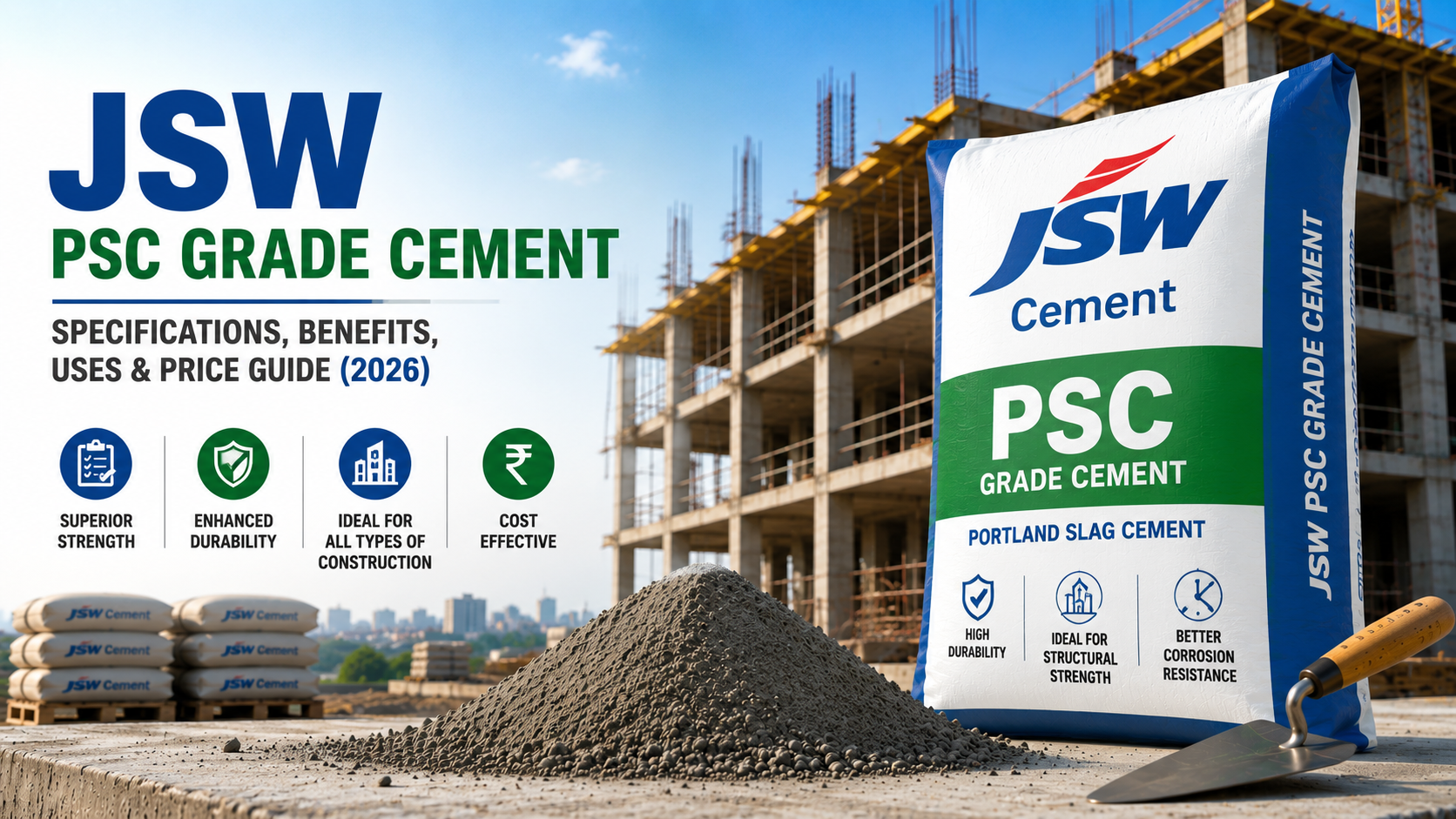


JSW PSC Grade Cement in Polythene Bags: A Comprehensive Guide for Indian Construction Professionals
Portland Slag Cement (PSC) has become an increasingly popular choice among construction professionals in India, and JSW's PSC grade cement in polythene bags represents a reliable option for various construction projects. Whether you're working on residential complexes in Bangalore, commercial projects in Mumbai, or infrastructure development in Delhi, understanding the properties, applications, and benefits of PSC grade cement is essential for making informed purchasing decisions.
Build cost · Bengaluru, May 2026
What is PSC Grade Cement?
Understanding Portland Slag Cement
Portland Slag Cement (PSC) is a blended cement that combines Portland cement clinker with granulated blast furnace slag (GBFS). This combination creates a cement with unique properties that make it particularly suitable for specific construction applications. PSC grade cement typically contains between 25-65% slag, which differentiates it from Ordinary Portland Cement (OPC) and Portland Pozzolana Cement (PPC).
JSW's PSC grade cement is manufactured in compliance with IS 455:2015, the Indian Standard for Portland Slag Cement. This ensures that the product meets stringent quality parameters and is suitable for use across various construction sectors in India.

Key Properties of PSC Grade Cement
PSC grade cement possesses several distinctive characteristics that make it valuable for specific applications:
Lower heat of hydration: This property makes PSC ideal for mass concrete applications where heat generation could cause thermal cracking.
Better durability: The slag content improves resistance to chemical attacks, making it suitable for structures exposed to sulfates and seawater.
Improved workability: PSC provides better flow and workability compared to OPC, reducing water requirements.
Cost-effectiveness: Generally priced lower than OPC due to the slag content, making it economical for large-scale projects.
Environmental benefits: The use of slag reduces carbon emissions compared to pure Portland cement production.
Frequently asked
JSW PSC Grade Cement: Product Specifications
Technical Specifications
JSW PSC grade cement in polythene bags meets the following specifications as per Indian standards:
Fineness: Specific surface area of minimum 225 m²/kg
Soundness: Le Chatelier expansion not exceeding 10 mm
Setting time: Initial setting time between 30-90 minutes; final setting time not exceeding 600 minutes
Compressive strength: Minimum 16 MPa at 3 days and 33 MPa at 7 days
Slag content: Between 25-65% as per IS 455:2015
Packaging and Storage
JSW supplies PSC grade cement in standard polythene bags, typically available in 50 kg and 30 kg sizes. The polythene bag packaging offers several advantages:
Protection from moisture and atmospheric contamination
Easy handling and transportation across construction sites in Indian cities
Clear labeling with batch numbers for quality traceability
Compliance with environmental disposal standards
Proper storage is crucial for maintaining cement quality. Store bags in a dry location, preferably on raised platforms to prevent moisture absorption. In humid climates like coastal areas of Mumbai or Kochi, ensure adequate ventilation to prevent cement degradation.
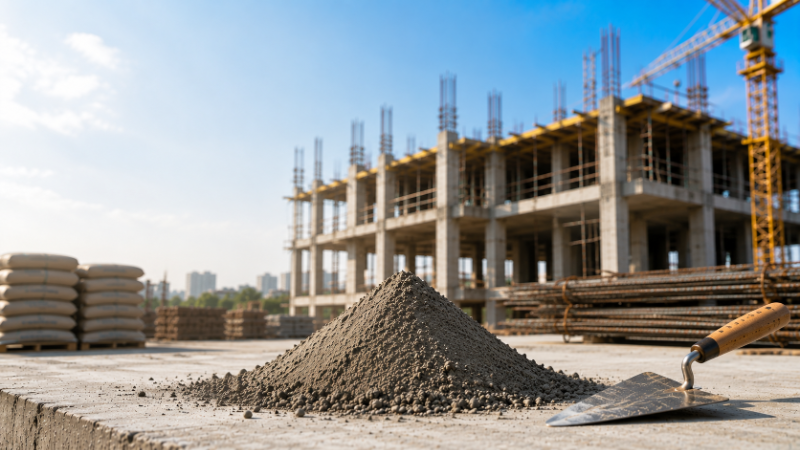
Applications of PSC Grade Cement in Indian Construction
Ideal Use Cases
PSC grade cement is particularly suitable for several construction applications across India:
Mass Concrete Works
The lower heat of hydration makes PSC ideal for large-volume concrete pours such as:
Dam construction and water management projects
Large foundation work for industrial structures
Thick concrete sections in bridges and flyovers
Underground structures and metro projects in Delhi, Bangalore, and other major cities
Structures Exposed to Aggressive Environments
PSC's superior durability makes it excellent for:
Coastal structures in Mumbai, Chennai, and Kochi exposed to seawater
Industrial buildings near chemical plants
Structures in areas with sulfate-rich soils
Wastewater treatment facilities and sewage infrastructure
General Construction
PSC is also suitable for routine construction applications including:
Residential buildings and apartments
Commercial complexes and office spaces
Educational institutions and hospitals
Road and pavement construction
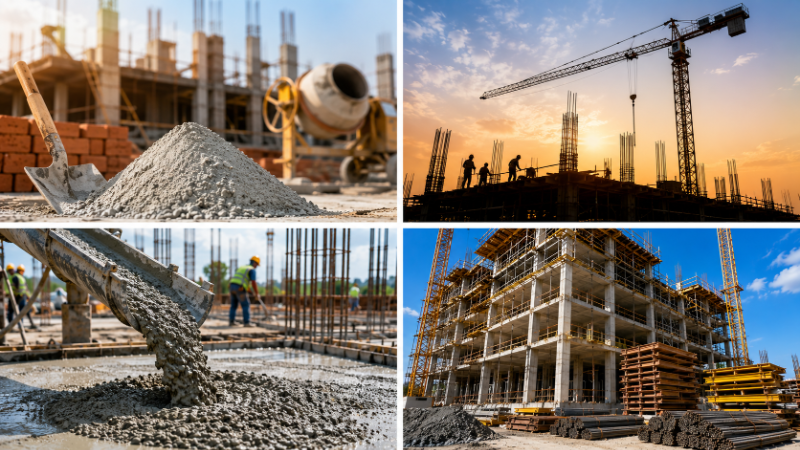
Comparing PSC with Other Cement Types in India
PSC vs. OPC (Ordinary Portland Cement)
While OPC is the most commonly used cement in India, PSC offers distinct advantages in specific scenarios. OPC develops strength faster but generates more heat, making it less suitable for mass concrete. PSC's slower strength development is offset by its superior long-term durability and lower cost, typically 5-15% cheaper than OPC depending on current market rates in cities like Pune and Hyderabad.
PSC vs. PPC (Portland Pozzolana Cement)
Both PSC and PPC are blended cements with improved durability. However, PSC contains slag while PPC contains pozzolanic materials like fly ash. PSC generally offers better workability and strength development compared to PPC, making it preferable for projects requiring faster strength gain while maintaining durability benefits.
Cost Comparison in Indian Market
As of current market rates:
OPC Grade 53: ₹450-500 per bag (50 kg)
PSC Grade: ₹380-420 per bag (50 kg)
PPC Grade: ₹400-450 per bag (50 kg)
These prices vary based on location, with metropolitan areas like Mumbai and Delhi experiencing slightly higher rates compared to tier-2 cities like Nagpur or Indore.
Technical Advantages of JSW PSC Grade Cement
Enhanced Durability Performance
JSW's PSC grade cement demonstrates superior resistance to various forms of deterioration. The slag component provides excellent protection against sulfate attacks, making it particularly valuable for structures in regions with sulfate-rich groundwater. This is especially relevant for projects in agricultural areas where sulfate concentrations in soil can be problematic.
Improved Workability and Pumpability
The finer particles in PSC result in better workability, requiring less water for the same slump. This is advantageous when using concrete pumps on high-rise projects in cities like Bangalore and Hyderabad, as it reduces the risk of segregation and improves concrete quality.
Long-Term Strength Development
While PSC develops strength more slowly than OPC in the first 28 days, it continues to gain strength beyond 90 days due to the pozzolanic reactions of the slag. This extended strength development is beneficial for structures with long service lives, such as bridges and heritage conservation projects.
Quality Assurance and Testing
JSW's Quality Standards
JSW maintains rigorous quality control measures throughout the manufacturing process. Each batch of PSC grade cement undergoes comprehensive testing including:
Chemical composition analysis
Fineness determination
Setting time tests
Compressive strength testing at 3, 7, and 28 days
Soundness testing
Third-Party Verification
Independent testing laboratories in major Indian cities regularly verify JSW's PSC cement quality. Certificates of analysis accompany each shipment, providing documentation for compliance with IS 455:2015

Best Practices for Using PSC Grade Cement
Mix Design Considerations
When using PSC in concrete mix designs, consider these factors:
Water-cement ratio: PSC typically requires slightly less water than OPC for the same workability
Curing: Extend curing periods beyond 7 days to maximize the benefits of slag hydration
Admixtures: PSC works well with superplasticizers and water-reducing admixtures
Temperature: In cooler climates, PSC's slower strength development may require adjusted construction schedules
Site Management Tips
For optimal results when using JSW PSC grade cement on your construction site:
Store bags in covered areas to protect from moisture
Use cement within 3 months of manufacturing date
Maintain consistent batching procedures
Ensure adequate curing, especially in hot and dry climates common to cities like Delhi and Jaipur
Keep detailed records of cement usage and batch numbers
Sourcing JSW PSC Grade Cement in India
Distribution Network
JSW has an extensive distribution network across India, with cement availability in major cities including Mumbai, Delhi, Bangalore, Hyderabad, Chennai, Kolkata, and Pune. Local dealers and distributors ensure reliable supply for your construction projects.
Finding Suppliers and Professionals
When sourcing PSC grade cement for your project, it's beneficial to connect with experienced construction professionals who can provide guidance on cement selection and usage. Platforms like AECORD connect you with architects, engineers, and construction professionals who have expertise in material selection and can recommend appropriate cement grades for your specific project requirements.
Whether you're managing a small residential project in Pune or a large commercial development in Mumbai, consulting with professionals through AECORD ensures you make informed decisions about cement selection and procurement strategies.
Bulk Purchase Advantages
For large projects, bulk purchases of JSW PSC grade cement offer several benefits:
Volume discounts ranging from 5-10%
Dedicated supply schedules ensuring consistent availability
Direct coordination with JSW for quality assurance
Reduced transportation costs when purchasing in larger quantities
Environmental and Economic Considerations
Sustainability Benefits
Choosing PSC grade cement contributes to environmental sustainability. The use of blast furnace slag reduces the demand for pure Portland cement clinker, thereby lowering carbon emissions by approximately 20-30% compared to OPC. For projects in India focusing on green building certifications like LEED or IGBC, PSC is an excellent choice.
Cost Savings Over Project Lifecycle
While PSC's initial cost is lower than OPC, the long-term savings are even more significant. The superior durability means reduced maintenance costs and extended structure lifespan, making it economical for critical infrastructure projects across Indian cities.
Regulatory Compliance
JSW PSC grade cement complies with all relevant Indian standards and regulations:
IS 455:2015: Indian Standard for Portland Slag Cement
National Building Code (NBC): Accepted for use in all building categories
Environmental regulations: Meets emission standards set by the Ministry of Environment
Conclusion
JSW PSC grade cement in polythene bags represents a reliable, cost-effective, and durable solution for various construction applications across India. Its superior durability, improved workability, and environmental benefits make it an excellent choice for projects ranging from residential buildings to major infrastructure developments in cities like Delhi, Mumbai, and Bangalore.
When selecting cement for your construction project, consider the specific requirements of your application, environmental conditions, and long-term durability needs. For personalized recommendations on cement selection and procurement strategies, connect with experienced construction professionals through AECORD, India's leading B2B2C marketplace for AECO professionals.
Whether you're an architect, engineer, or project manager, AECORD provides access to verified professionals who can guide you through material selection, quality assurance, and best practices for cement usage in your construction projects.
Take Action Today
Ready to source quality PSC grade cement for your next project? Visit AECORD to connect with experienced suppliers, engineers, and construction professionals who can help you select the right cement grade, negotiate bulk pricing, and ensure successful project execution. Browse our network of trusted AECO professionals today and get expert guidance for your construction needs. 👉: https://aecord.com/
Frequently Asked Questions
What is the difference between PSC and OPC cement?
PSC (Portland Slag Cement) is a blended cement containing 25-65% granulated blast furnace slag, while OPC (Ordinary Portland Cement) is pure Portland cement. PSC offers lower heat of hydration, better durability against chemical attacks, and improved workability, making it ideal for mass concrete and structures exposed to sulfates or seawater.
What are the main benefits of using JSW PSC grade cement?
JSW PSC grade cement provides lower heat of hydration (preventing thermal cracking), better durability against sulfates and seawater, improved workability with reduced water requirements, cost-effectiveness for large-scale projects, and environmental benefits through reduced carbon emissions compared to pure Portland cement.
What is the compressive strength of JSW PSC grade cement?
JSW PSC grade cement achieves a minimum compressive strength of 16 MPa at 3 days and 33 MPa at 7 days, as per IS 455:2015 Indian standards. These specifications ensure the cement is suitable for various construction applications across residential, commercial, and infrastructure projects.
How should PSC grade cement be stored?
PSC cement bags should be stored in dry locations on raised platforms to prevent moisture absorption. In humid climates like coastal areas, ensure adequate ventilation to prevent cement degradation, and keep bags protected from atmospheric contamination to maintain product quality.
Is PSC cement suitable for mass concrete applications?
Yes, PSC cement is ideal for mass concrete applications due to its lower heat of hydration, which prevents thermal cracking that can occur in large concrete structures. This property makes it particularly valuable for major infrastructure projects and large-scale construction work.