

Grey Mat Roofing Tiles: A Comprehensive Guide for Indian Construction Professionals
Grey mat roofing tiles have become increasingly popular in India's construction industry, offering a perfect balance between aesthetic appeal, durability, and cost-effectiveness. Whether you're working on residential projects in Bangalore, commercial developments in Mumbai, or institutional buildings in Delhi, understanding the characteristics and benefits of grey mat roofing tiles is essential for making informed decisions.
This comprehensive guide explores everything you need to know about grey mat roofing tiles, from their composition and installation to maintenance and sourcing the right suppliers through platforms like AECORD.
Build cost · Bengaluru, May 2026
Understanding Grey Mat Roofing Tiles
What Are Grey Mat Roofing Tiles?
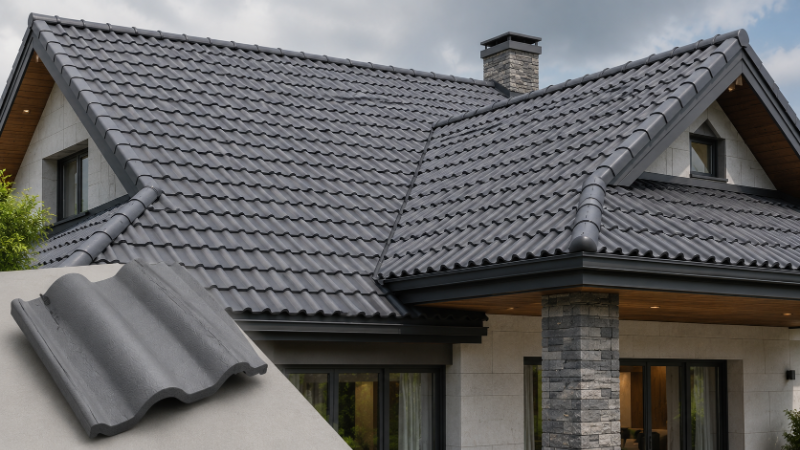
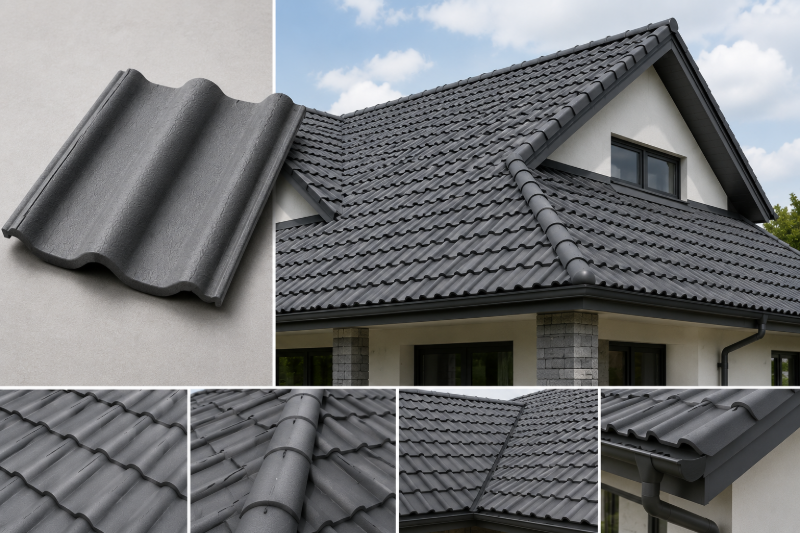
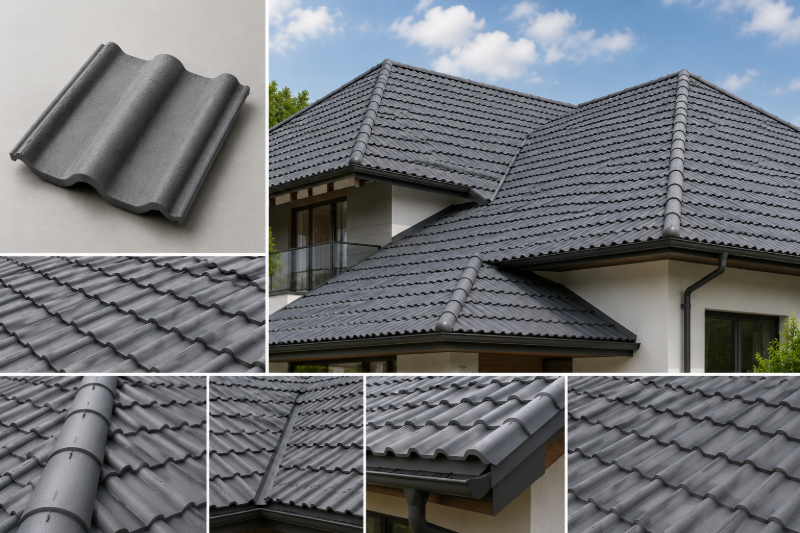
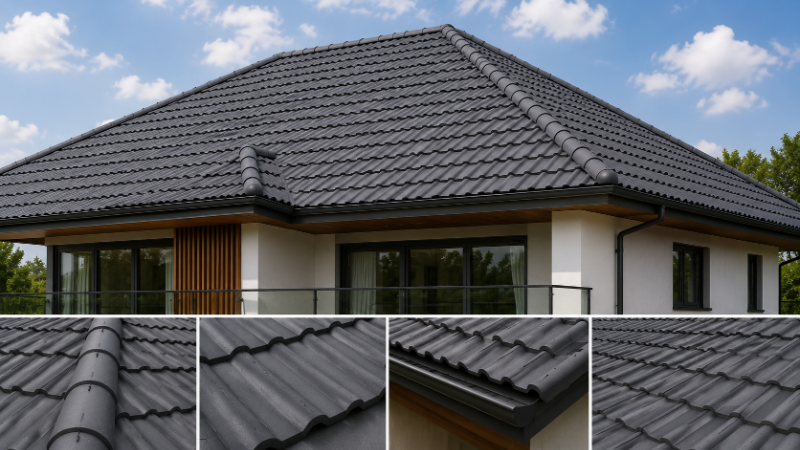
Grey mat roofing tiles are clay or concrete tiles with a matte finish that provides a sophisticated, understated appearance. Unlike glossy tiles, the mat finish diffuses light rather than reflecting it, creating a subtle texture that complements various architectural styles. The grey coloration offers versatility, making these tiles suitable for both traditional and contemporary building designs across Indian cities. /blog/roofing-tiles-and-shingles-piece
The term "mat" refers to the surface finish rather than the material composition. These tiles are manufactured through a controlled firing process that creates a non-reflective surface, which is particularly beneficial in India's intense sunlight conditions.
Material Composition
Grey mat roofing tiles are typically manufactured from:
Clay-based materials: Natural clay mixed with mineral additives to achieve the grey coloration
Concrete alternatives: Portland cement mixed with aggregates and pigments
Additives: Chemical compounds that enhance durability and weather resistance
The manufacturing process involves molding, drying, and firing at high temperatures (typically 1000-1200°C for clay tiles), which creates a dense, durable product capable of withstanding India's diverse climatic conditions.
Frequently asked
Key Advantages of Grey Mat Roofing Tiles
Aesthetic Appeal and Design Flexibility
The matte grey finish offers a contemporary yet timeless appearance that works well with modern architectural styles. Unlike shiny ceramic tiles, grey mat tiles don't create glare issues, making them ideal for residential areas where light reflection might disturb neighbors. In cities like Pune and Hyderabad, architects increasingly specify grey mat tiles for premium residential complexes and boutique commercial spaces.
The neutral grey tone pairs beautifully with various color schemes, from earth tones to bold accent colors, giving designers significant flexibility in their aesthetic choices.
Superior Durability
Grey mat roofing tiles are engineered to withstand harsh environmental conditions prevalent across India:
Weather resistance: Excellent protection against heavy monsoon rains common in coastal regions
UV stability: The matte finish doesn't fade easily under intense Indian sunlight
Thermal performance: Helps regulate building temperature, reducing cooling loads
Longevity: Quality tiles can last 40-60 years with proper maintenance
Cost-Effectiveness
Compared to premium roofing materials like slate or copper, grey mat tiles offer excellent value. In the Indian market, quality grey mat roofing tiles typically cost between ₹80-200 per tile, depending on the manufacturer and specifications. This affordability makes them accessible for large-scale projects while maintaining quality standards.
Environmental Benefits
Clay-based grey mat tiles are manufactured from natural, abundant materials and are fully recyclable. The production process, while energy-intensive, has become more sustainable with modern manufacturing techniques. Many Indian manufacturers now employ energy-efficient kilns that reduce carbon emissions.
Technical Specifications and Standards
Indian Standards Compliance
Grey mat roofing tiles used in India should comply with:
IS 3566:2021: Indian Standard for clay roofing tiles
IS 1237:2008: Specifications for cement concrete roofing tiles
National Building Code (NBC) 2016: Requirements for roofing materials
Always verify that suppliers provide certification documents confirming compliance with these standards. AECORD connects you with verified manufacturers and suppliers who maintain these certifications.
Dimensional and Performance Specifications
Standard grey mat roofing tiles typically feature:
Dimensions: 400mm × 250mm (standard size), though variations exist
Thickness: 10-15mm for clay tiles, 12-18mm for concrete tiles
Weight: 3-4 kg per tile (important for structural calculations)
Water absorption: Less than 6% for quality tiles
Compressive strength: Minimum 150 kg/cm² for concrete tiles
Flexural strength: Minimum 40 kg/cm² for clay tiles
Installation Considerations for Indian Climate
Structural Requirements
Before installing grey mat roofing tiles, ensure your building structure can support the load:
Load calculation: Grey mat tiles weigh approximately 60-80 kg/m², requiring adequate roof framing
Roof pitch: Minimum 30° slope recommended for optimal water drainage in monsoon regions
Underlayment: Use quality waterproof membranes beneath tiles to prevent water seepage
Ventilation: Ensure proper roof ventilation to prevent moisture accumulation
Installation Best Practices
Proper installation is crucial for maximizing tile longevity:
Expert installation: Hire experienced roofers familiar with tile installation in Indian climatic conditions
Mortar quality: Use cement-sand mortar (1:3 ratio) with water-resistant additives
Tile spacing: Maintain consistent gaps (typically 8-10mm) for thermal expansion
Flashing details: Properly install flashing around chimneys, vents, and roof edges to prevent leaks
Ridge and hip tiles: Use specialized ridge tiles that match the mat finish
In cities like Chennai and Kolkata, where monsoon intensity is high, extra attention to installation quality becomes critical. Improper installation can lead to water seepage despite using quality tiles.
Maintenance and Care
Regular Maintenance Schedule
To ensure your grey mat roofing tiles last decades, implement a preventive maintenance program:
Annual inspection: Check for cracked or displaced tiles after monsoon season
Cleaning: Remove moss and algae growth using soft brushes (avoid pressure washing)
Gutter maintenance: Keep gutters clear to prevent water backup
Mortar inspection: Check mortar joints for deterioration and repair as needed
Common Issues and Solutions
Moss and algae growth: Common in humid regions, particularly in Goa and Kerala. Treat with biodegradable cleaners rather than harsh chemicals that damage the mat finish.
Cracked tiles: Replace individual tiles promptly to prevent water infiltration. The modular nature of grey mat tiles makes replacement straightforward.
Mortar deterioration: Repoint joints every 15-20 years using compatible mortar to maintain weathertightness.
Thermal movement: Ensure adequate spacing between tiles to accommodate expansion and contraction in India's temperature fluctuations.
Cost Analysis for Indian Projects
Material Costs
As of 2024, grey mat roofing tile costs in India vary by region and manufacturer:
Standard quality tiles: ₹80-120 per tile
Premium quality tiles: ₹150-200 per tile
Imported tiles: ₹250-400+ per tile
For a typical 1000 m² roof requiring approximately 4000-5000 tiles, material costs range from ₹3.2 to ₹10 lakhs, depending on tile quality selection.
Installation Costs
Labor costs for professional installation typically range from ₹40-80 per tile, varying by location and project complexity. In metropolitan areas like Delhi and Bangalore, expect costs toward the higher end of this range.
Total Project Economics
A complete grey mat roofing project for a 1000 m² area typically costs ₹6-18 lakhs including materials and labor. While this represents a significant investment, the 40-60 year lifespan provides excellent long-term value compared to alternative roofing materials.
Sourcing Grey Mat Roofing Tiles Through AECORD
Finding Reliable Suppliers
AECORD provides a comprehensive marketplace connecting construction professionals with verified manufacturers and suppliers of grey mat roofing tiles across India. Through AECORD, you can:
Compare offerings from multiple suppliers simultaneously
Verify manufacturer credentials and certifications
Access detailed product specifications and quality reports
Request quotations for bulk orders
Read reviews from other professionals who've worked with specific suppliers
Quality Assurance Considerations
When sourcing tiles, verify:
IS certification numbers and validity dates
Manufacturing facility location and production capacity
Quality control processes and testing procedures
Warranty terms (typically 5-10 years for manufacturing defects)
Sample availability for site testing and color verification
Regional Suppliers in India
Major manufacturing hubs for grey mat roofing tiles include:
Tamil Nadu: Home to numerous established tile manufacturers with excellent export credentials
Rajasthan: Known for clay-based tile production with traditional craftsmanship
Gujarat: Emerging hub for concrete tile manufacturing
Telangana: Growing manufacturing capacity with modern production facilities
AECORD helps you identify and connect with suppliers in these regions, streamlining your procurement process.
Comparing Grey Mat Tiles with Alternatives
vs. Ceramic Glazed Tiles
While ceramic glazed tiles offer bright colors, grey mat tiles provide better weather performance in Indian climates and eliminate glare issues. Glazed tiles also tend to be more expensive and can show fingerprints and dust more readily.
vs. Metal Roofing
Metal roofing offers lighter weight but typically requires more maintenance due to rust and corrosion. Grey mat tiles provide superior thermal mass and acoustic properties, making them better for residential applications.
vs. Concrete Sheets
While concrete sheets are cheaper initially, grey mat tiles offer superior aesthetics, better weather resistance, and longer lifespan, justifying the higher upfront investment.
Future Trends in Grey Mat Roofing Tiles
The Indian roofing industry is witnessing several emerging trends:
Sustainable manufacturing: Increased adoption of solar-powered kilns and water recycling systems
Performance enhancements: Development of self-cleaning tiles with special coatings
Design innovations: Textured mat finishes and custom color variations
Integrated solutions: Tiles with built-in provisions for solar panel installation
Conclusion
Grey mat roofing tiles represent an excellent choice for Indian construction projects, combining aesthetic appeal, durability, and cost-effectiveness. Their matte finish eliminates glare while providing sophisticated visual impact, and their proven performance across India's diverse climatic zones makes them a reliable choice for residential, commercial, and institutional projects.
Success with grey mat roofing tiles depends on proper specification, quality sourcing, professional installation, and regular maintenance. By leveraging platforms like AECORD to connect with verified suppliers and experienced installation professionals, you can ensure your roofing project meets the highest standards while optimizing costs.
Whether you're planning a residential villa in Bangalore, a commercial complex in Mumbai, or an institutional building in Delhi, grey mat roofing tiles offer the durability and aesthetic appeal your project deserves. Start your supplier search on AECORD today to connect with India's leading manufacturers and roofing professionals who can help bring your vision to life.
Ready to find the right grey mat roofing tile supplier for your project? Visit AECORD now to browse verified manufacturers, compare specifications, and connect with experienced installation professionals across India. Get your project started with confidence today.