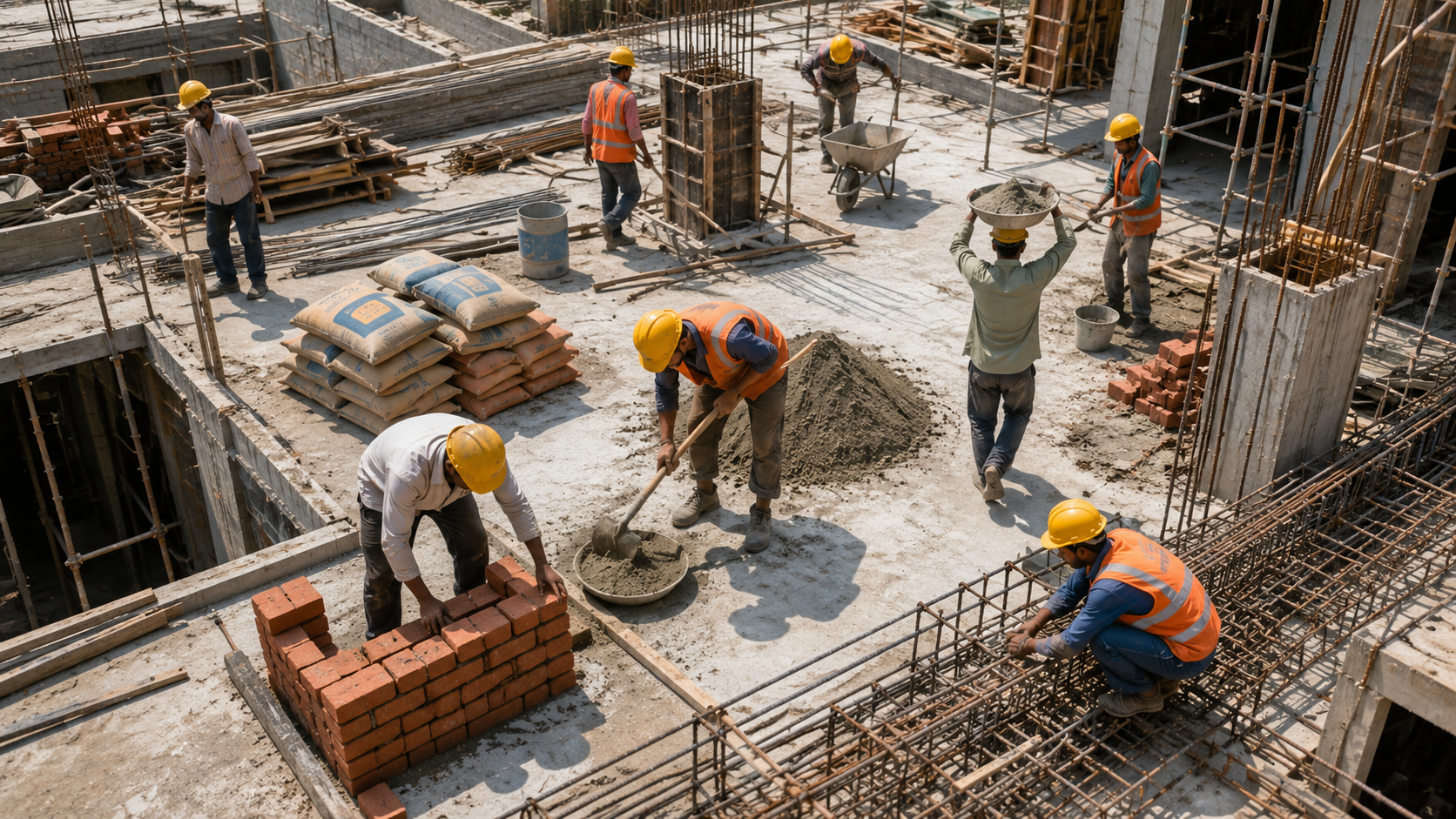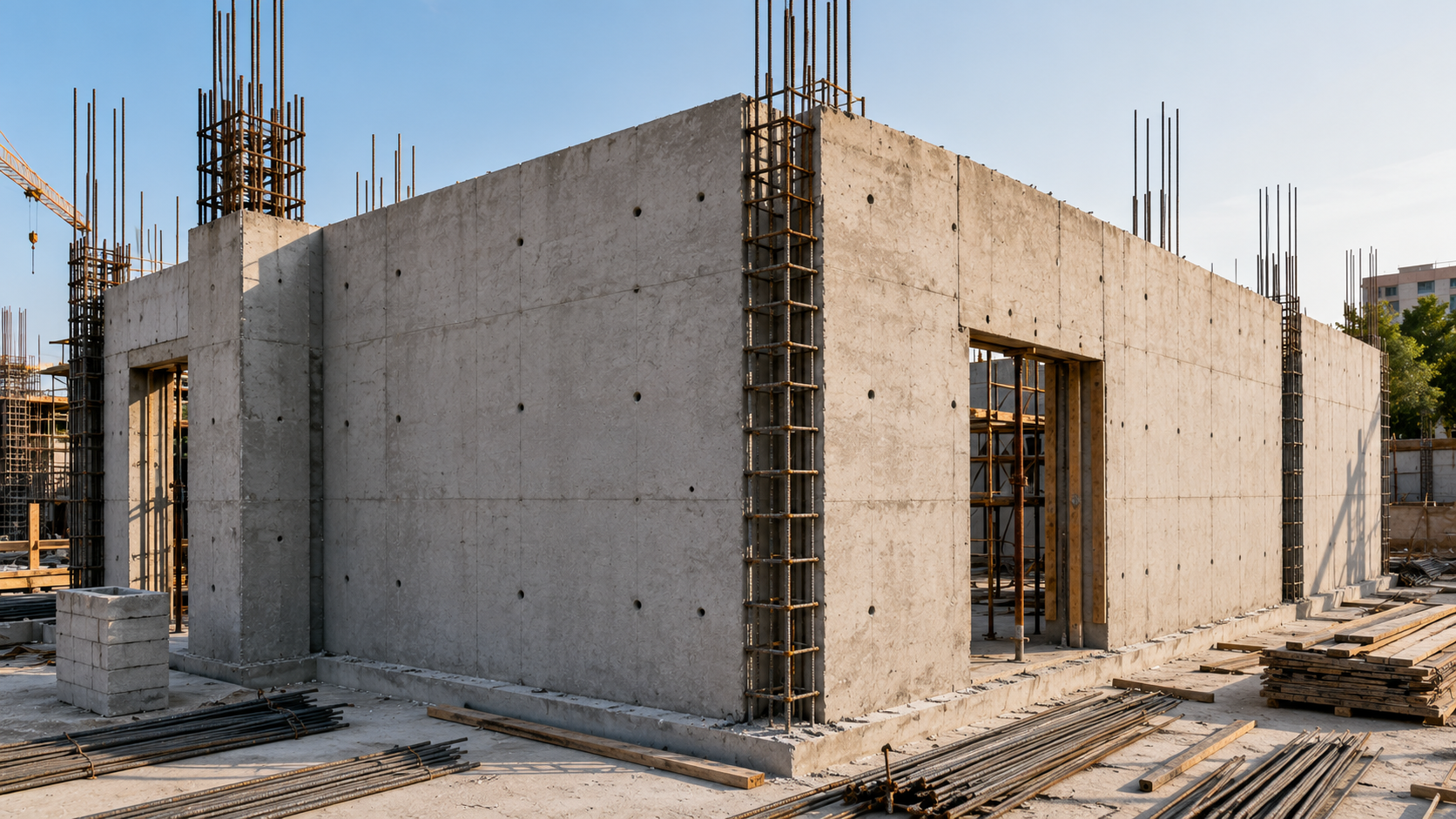


Construction tools are the backbone of any successful building project. Whether you're working on a small residential renovation in Bangalore or a large commercial development in Mumbai, having the right tools and understanding their proper use is essential for safety, efficiency, and quality outcomes. In this comprehensive guide, we'll explore the essential construction tools every professional needs, their applications, and how to choose the right equipment for your specific project requirements.
Understanding the Importance of Quality Construction Tools
The construction industry in India has grown exponentially, with projects ranging from affordable housing initiatives to complex infrastructure developments. The quality of tools used directly impacts project timelines, worker safety, and the final quality of construction. Investing in proper tools is not an expense—it's an investment in your project's success.
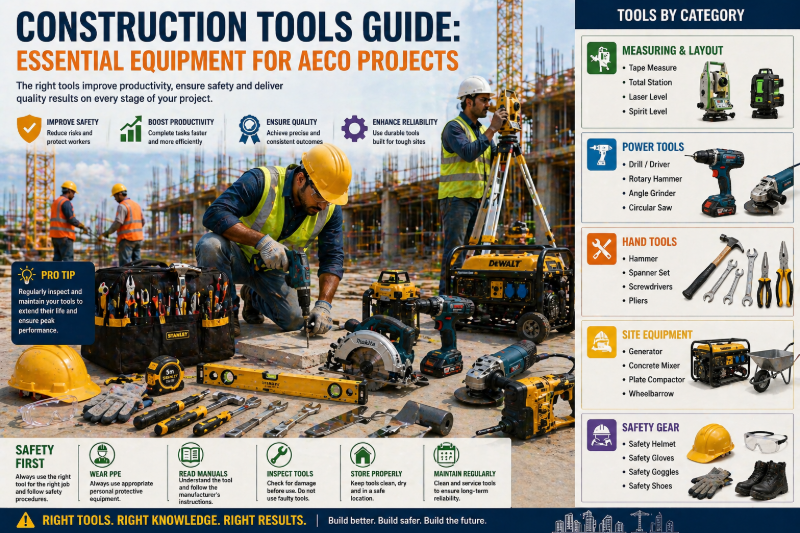
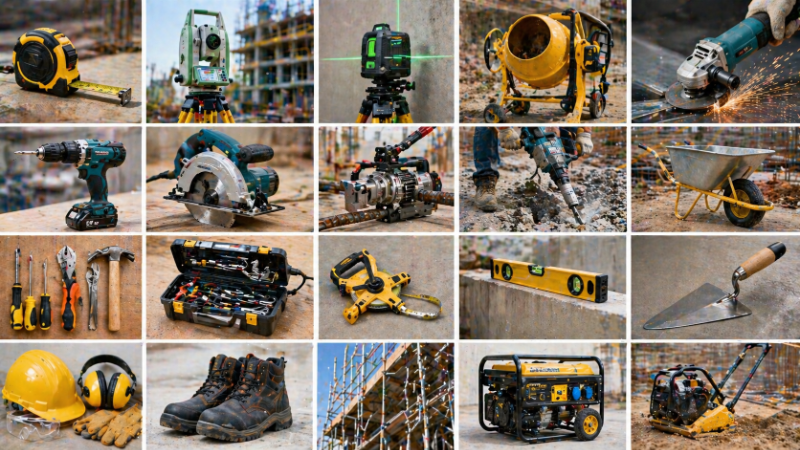
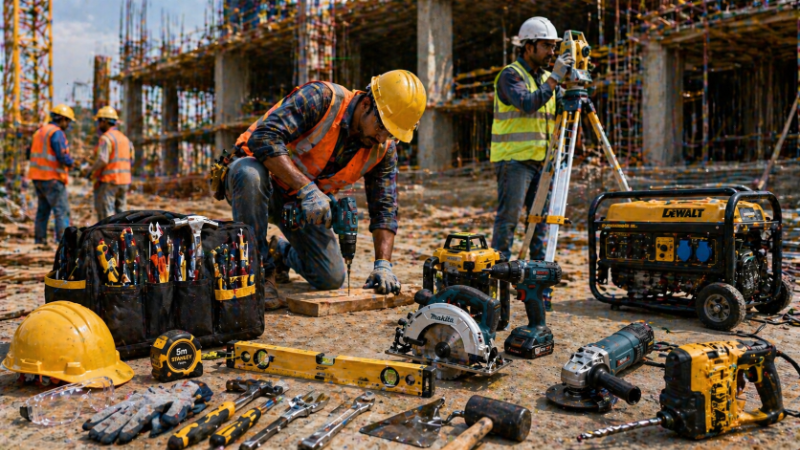
Construction tools can be broadly categorized into hand tools, power tools, and heavy machinery. Each category serves specific purposes and requires proper training for safe and effective use. When sourcing tools, many construction professionals and contractors turn to specialized platforms like AECORD, where they can find vetted suppliers and equipment providers across India.
Build cost · Bengaluru, May 2026
Essential Hand Tools for Construction
Measuring and Marking Tools
Accurate measurements form the foundation of quality construction. Essential measuring tools include:
Measuring Tapes: Available in lengths from 3 meters to 30 meters, these are indispensable for on-site measurements. Steel tapes are preferred for durability and accuracy.
Spirit Levels: Critical for ensuring surfaces are plumb and level. Aluminum levels are lightweight and durable, while digital levels provide precision readings.
Chalk Lines: Used for marking long, straight lines on surfaces. Essential for layout work on large construction sites.
Squares: Carpenter's squares, try squares, and speed squares help ensure accurate angles, particularly in 90-degree corners.
Cutting Tools
Cutting tools are essential for preparing materials to specification. Common cutting tools include:
Hand Saws: Still widely used for cutting wood. Crosscut saws are for cutting across grain, while rip saws cut along the grain.
Hacksaws: Designed for cutting metal pipes and rods, essential for plumbing and structural work.
Utility Knives: Versatile for cutting drywall, insulation, and various materials. Blades should be kept sharp for safety and efficiency.
Chisels: Available in various widths, used for detailed woodwork and material removal.
Frequently asked
Fastening Tools
These tools are used for joining materials together:
Hammers: Claw hammers for general work, ball-peen hammers for metalwork, and rubber mallets for delicate applications.
Screwdrivers: Essential in multiple sizes and types (Phillips, flathead, Robertson). Cordless electric screwdrivers increase efficiency on large projects.
Wrenches and Spanners: Critical for plumbing and mechanical work. Adjustable wrenches are versatile, while fixed sizes provide better grip.
Pliers: Including slip-joint, tongue-and-groove, and needle-nose varieties for various fastening applications.
Power Tools for Modern Construction
Drilling and Fastening Tools
Power tools significantly increase productivity on construction sites. Key power tools include:
Drill-Drivers: Cordless models with lithium-ion batteries are now standard. A 13mm chuck capacity handles most drilling needs, with prices ranging from ₹2,500 to ₹15,000 depending on brand and specifications.
Impact Drivers: Ideal for driving large fasteners and working with tough materials. These deliver rotational force more efficiently than standard drills.
Rotary Hammers: Essential for drilling into concrete and masonry. Crucial for structural work in Indian construction where concrete is predominant.
Cutting Power Tools
These tools enable precise, efficient cutting:
Circular Saws: Versatile for cutting lumber, plywood, and composite materials. Blade diameter ranges from 7 inches to 9 inches for different applications.
Angle Grinders: Essential for cutting and grinding metal, concrete, and stone. Standard 100mm and 125mm models are most common in Indian construction.
Reciprocating Saws: Excellent for demolition work and cutting in confined spaces. Invaluable for renovation projects across Indian cities.
Jig Saws: For detailed curved cutting in wood and materials./blog/when-do-you-need-a-structural-engineer
Grinding and Finishing Tools
These tools ensure quality finishing:
Orbital Sanders: For smoothing wood surfaces efficiently. Essential for quality finishing in residential construction.
Concrete Grinders: For grinding concrete surfaces, removing coatings, and surface preparation. Critical for large-scale concrete work.
Angle Grinders: Beyond cutting, these are used for grinding welds and finishing metalwork.
Heavy Equipment and Machinery
Material Handling Equipment
Large construction projects require equipment for moving materials:
Excavators: Essential for earthwork, trenching, and material handling. Sizes range from 6-ton mini excavators to 40-ton models, with rental costs in India ranging from ₹1,500 to ₹5,000 per hour depending on capacity.
Concrete Pumps: Critical for large concrete pours. Boom pumps are common for multi-story construction, with rental costs around ₹2,000-₹3,000 per hour.
Cranes: Tower cranes for high-rise construction, mobile cranes for general lifting. Essential for projects in metropolitan areas like Delhi, Mumbai, and Bangalore.
Concrete Mixers: Available in 350-liter to 500-liter capacities, essential for on-site concrete preparation.
Compaction and Finishing Equipment
These tools ensure proper material compaction and finishing:
Plate Compactors: For soil and gravel compaction. Vibratory models are most effective for foundation preparation.
Concrete Vibrators: Essential for removing air pockets from concrete, ensuring structural integrity.
Power Trowels: For finishing concrete floors, providing smooth, durable surfaces.
Safety Equipment and Protective Gear
Construction safety is paramount in India, with regulations set by the Building and Other Construction Workers (BOCW) Act. Essential safety equipment includes:
Hard Hats and Safety Helmets: Mandatory on all construction sites. Quality helmets cost ₹200-₹500.
Safety Harnesses and Lanyards: Essential for working at heights, particularly in high-rise construction.
Personal Protective Equipment (PPE): Including safety glasses, gloves, respirators, and steel-toed boots.
Fall Protection Systems: Critical for compliance with Indian building codes and worker safety regulations.
First Aid Kits: Required on all construction sites as per regulations.
Choosing and Maintaining Construction Tools
Selection Criteria
When selecting tools for your construction project, consider:
Project Requirements: Different projects require different tools. A residential project in Pune may have different tool requirements than a commercial project in Hyderabad.
Budget Constraints: Balance quality with cost. Premium brands offer durability, but mid-range tools often provide good value.
Worker Training: Ensure your team is properly trained on tool usage and safety protocols.
Supplier Reliability: Source tools from established suppliers. Platforms like AECORD connect you with verified suppliers across India, ensuring quality and reliability.
Tool Maintenance Best Practices
Proper maintenance extends tool life and ensures safety:
Regular Cleaning: Remove dust, concrete, and debris after each use. This prevents rust and maintains functionality.
Lubrication: Keep moving parts lubricated to reduce wear and improve efficiency.
Blade and Bit Replacement: Dull blades and bits reduce efficiency and increase safety risks. Replace regularly.
Battery Care: For cordless tools, charge batteries properly and store in appropriate conditions. Lithium-ion batteries last longer when not fully depleted regularly.
Storage: Store tools in dry conditions to prevent rust and damage. Organized storage also improves site safety.
Renting vs. Buying Construction Tools
When to Rent
Renting is cost-effective for:
Specialized equipment used for short periods
Heavy machinery like cranes and concrete pumps
Tools for one-off projects or renovation work
Equipment requiring significant capital investment
Rental costs in India are competitive. For example, concrete mixers rent for ₹300-₹500 per day, while specialized equipment like concrete pumps range from ₹2,000-₹3,000 per hour.
When to Buy
Purchase tools when:
Running ongoing construction operations
Tools will be used regularly across multiple projects
Building a permanent tool inventory for your company
Long-term cost savings justify the initial investment
Technology Integration in Construction Tools
Modern construction tools increasingly incorporate technology:
Digital Levels: Provide precise readings and data logging for quality assurance.
Laser Measurement Tools: Enable accurate measurements in seconds, improving efficiency on large projects.
Smart Power Tools: Connected tools that track usage, maintenance schedules, and battery health.
GPS-Enabled Equipment: For precise positioning and site management on large-scale projects.
Regional Considerations for Indian Construction
Construction in India varies significantly by region. In coastal areas like Mumbai and Chennai, corrosion-resistant tools are essential. In northern regions like Delhi and Punjab, tools must withstand temperature extremes. Plateau regions like Bangalore require tools suited for different soil conditions. When sourcing tools, consider your specific regional requirements through platforms like AECORD, which connects you with local suppliers familiar with regional needs.
Conclusion
Investing in quality construction tools is fundamental to project success. From basic hand tools to sophisticated heavy machinery, each tool plays a crucial role in ensuring safety, efficiency, and quality outcomes. Whether you're a contractor managing multiple projects across India or a professional working on a single development, understanding tool selection, maintenance, and proper usage is essential.
The construction industry in India continues to evolve, with increasing emphasis on safety, efficiency, and quality. By choosing appropriate tools, maintaining them properly, and working with reliable suppliers, you can ensure your projects meet the highest standards.
Ready to find quality construction tools and connect with vetted suppliers? Visit AECORD today to browse a comprehensive selection of tools, equipment, and services from trusted providers across India. Whether you're looking to purchase, rent, or connect with tool specialists, AECORD simplifies the process of sourcing exactly what you need for your construction project.
Frequently Asked Questions
What are the most essential construction tools needed for AECO projects?
Essential construction tools are categorized into hand tools, power tools, and heavy machinery. Key hand tools include measuring tapes, spirit levels, hammers, and screwdrivers, while power tools like drill-drivers and cutting equipment significantly increase productivity. The specific tools needed depend on your project type, whether it's residential renovation or commercial development.
Why is investing in quality construction tools important?
Quality tools directly impact project timelines, worker safety, and the final quality of construction. Investing in proper, durable equipment is not an expense but an investment in your project's success, as it ensures accuracy, efficiency, and compliance with safety standards on construction sites.
What measuring tools are essential for accurate construction work?
Essential measuring tools include steel measuring tapes (3-30 meters), spirit levels for plumb and level surfaces, chalk lines for marking long straight lines, and various squares for ensuring accurate angles. These tools form the foundation of quality construction by enabling precise measurements and layouts.
Which cutting tools are must-haves for construction projects?
Essential cutting tools include hand saws for wood, hacksaws for metal pipes, utility knives for drywall and insulation, and chisels for detailed work. The right cutting tool depends on the material being cut and the precision required for your specific construction task.
How do power tools improve construction efficiency?
Power tools like cordless drill-drivers with lithium-ion batteries significantly increase productivity compared to manual hand tools. They reduce labor time, improve consistency, and allow workers to complete tasks faster, making them essential for modern construction projects of any scale.