

Cladding Tiles: A Comprehensive Guide for Indian Architecture and Construction Professionals
Cladding tiles have become an essential element in modern Indian architecture, transforming building facades into visually striking and functionally superior structures. Whether you're designing a residential complex in Bangalore, a commercial building in Mumbai, or an institutional facility in Delhi, understanding cladding tiles is crucial for delivering projects that balance aesthetics, durability, and cost-effectiveness. /blog/tile-fixing-mortars-and-fillers
This comprehensive guide explores everything you need to know about cladding tiles, from material selection to installation best practices, with a focus on the Indian market context.
Build cost · Bengaluru, May 2026
What Are Cladding Tiles?
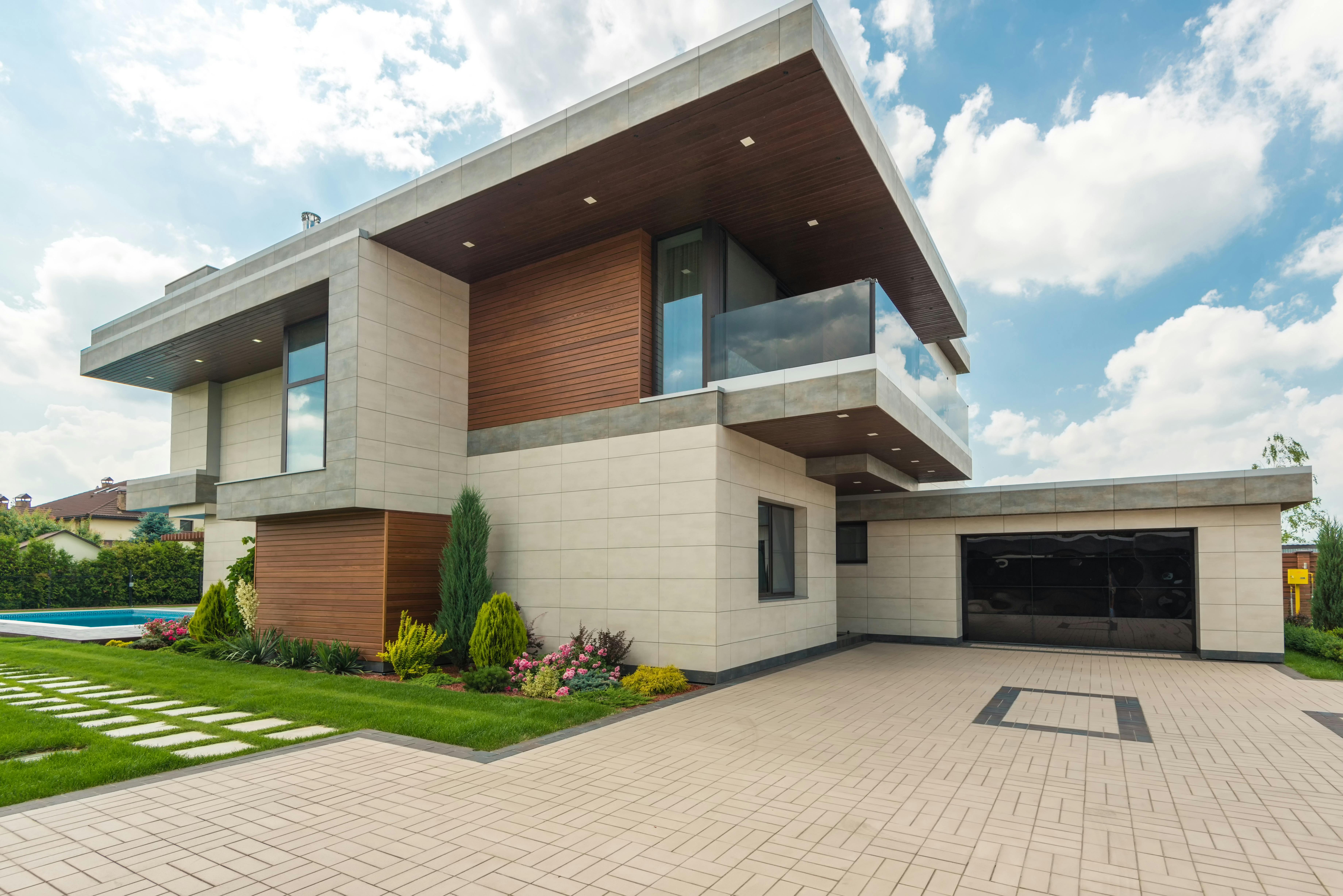
Cladding tiles are external or internal surface coverings applied to building facades, walls, and sometimes floors. Unlike traditional wall finishes, cladding tiles provide a protective layer that shields the underlying structure from weather, UV radiation, and environmental pollutants while enhancing the building's aesthetic appeal.
In India, where climatic variations are extreme—from the humid coastal regions of Kerala and Goa to the dry deserts of Rajasthan—cladding tiles offer superior protection compared to conventional paint or plaster finishes. They're increasingly popular in tier-1 and tier-2 cities where developers prioritize durability and maintenance-free exteriors.
Key Characteristics of Quality Cladding Tiles
Weather Resistance: Ability to withstand monsoons, extreme heat, and temperature fluctuations
Low Water Absorption: Typically less than 3% to prevent moisture-related damage
Durability: Lifespan of 20-30 years with minimal maintenance
Fire Resistance: Non-combustible materials that meet Indian fire safety standards
Aesthetic Versatility: Available in numerous colors, textures, and finishes
Easy Maintenance: Simple cleaning requirements without specialized treatments
Types of Cladding Tiles Available in the Indian Market
Frequently asked
Ceramic and Porcelain Tiles
Ceramic and porcelain cladding tiles are among the most popular choices for Indian buildings. Porcelain tiles, being denser and less porous than ceramic, offer superior performance in harsh weather conditions.
Advantages:
Excellent weather resistance
Available in diverse designs and finishes (matte, glossy, textured)
Cost-effective for large-scale projects (₹150-500 per square foot depending on quality)
Wide availability across India with established supply chains
Considerations:
Requires skilled installation to prevent water ingress
Can be slippery in wet conditions if glossy finish is chosen
Grout joints need regular maintenance in coastal areas
Natural Stone Cladding Tiles
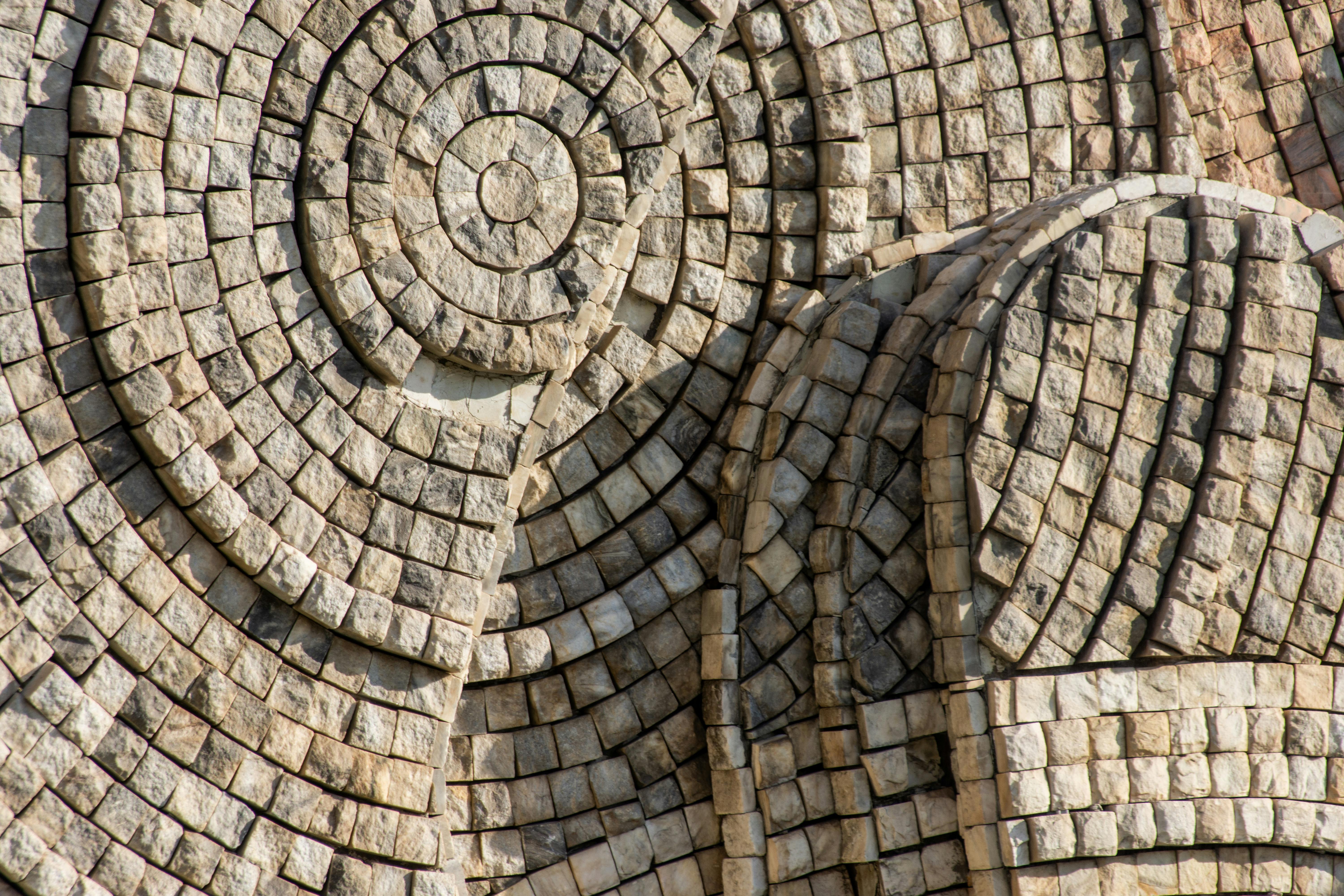
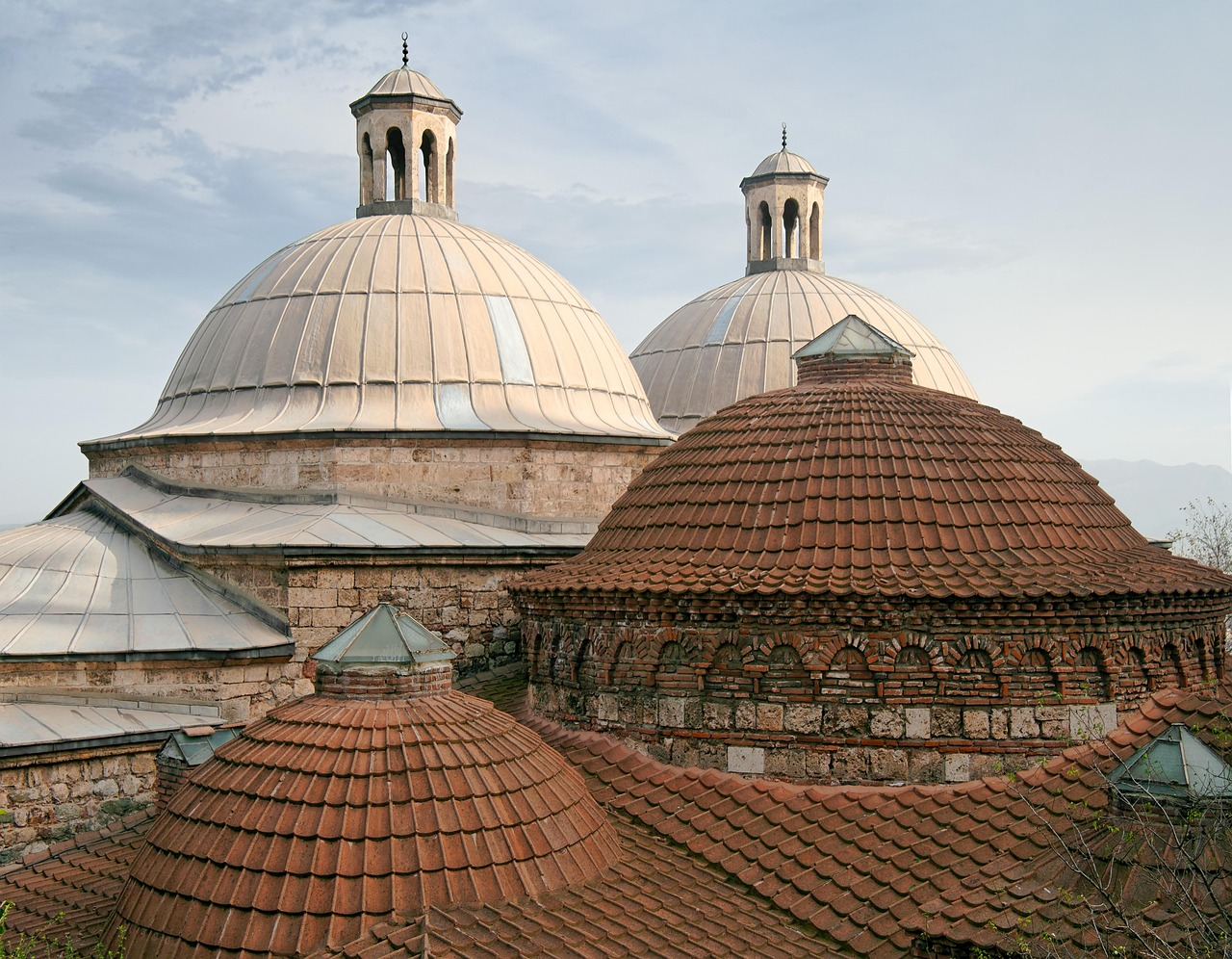
Granite, limestone, sandstone, and slate tiles provide a premium aesthetic and are extensively used in high-end residential and commercial projects across Indian metros.
Popular Indian Stone Options:
Granite: Sourced from Rajasthan, Karnataka, and Tamil Nadu; highly durable with costs ranging from ₹300-1000+ per square foot
Sandstone: Quarried in Rajasthan; offers warm, earthy tones; ₹200-600 per square foot
Slate: Available in shades of grey and black; premium option at ₹400-1200 per square foot
Limestone: Lighter weight alternative; ₹150-400 per square foot
Advantages:
Unmatched aesthetic appeal and prestige
Excellent thermal properties—keeps buildings cooler in hot climates
Naturally weathered finishes that age beautifully
Challenges:
Higher cost and longer project timelines
Requires sealing and regular maintenance, especially in monsoon regions
Heavier load on building structure—requires proper structural design
Sourcing consistency can be challenging for large projects
Fiber Cement Cladding Tiles
Fiber cement boards with tile finishes have gained popularity in India due to their lightweight nature and cost-effectiveness. These are particularly suitable for retrofitting older buildings or projects with structural constraints. /blog/cement
Advantages:
Lightweight—easier installation and reduced structural load
Cost-effective; typically ₹80-300 per square foot
Good weather resistance and fire rating
Can be easily cut and customized on-site
Limitations:
Lower aesthetic appeal compared to natural stone
Requires proper sealing to prevent water penetration
May need more frequent maintenance in coastal regions
Metal Cladding Tiles
Aluminum and steel cladding tiles are increasingly used in contemporary Indian architecture, especially for commercial and institutional buildings.
Advantages:
Modern aesthetic with clean lines
Excellent durability and weather resistance
Lightweight and suitable for high-rise buildings
Low maintenance requirements
Can be recycled—environmentally responsible choice
Cost Considerations:
Higher initial cost (₹400-800+ per square foot)
Requires specialized installation expertise
May require thermal breaks to prevent condensation in certain climates
Composite and Engineered Tiles
These newer materials combine benefits of multiple traditional materials. They're increasingly popular in premium projects across Delhi, Bangalore, and Hyderabad.
Types Include:
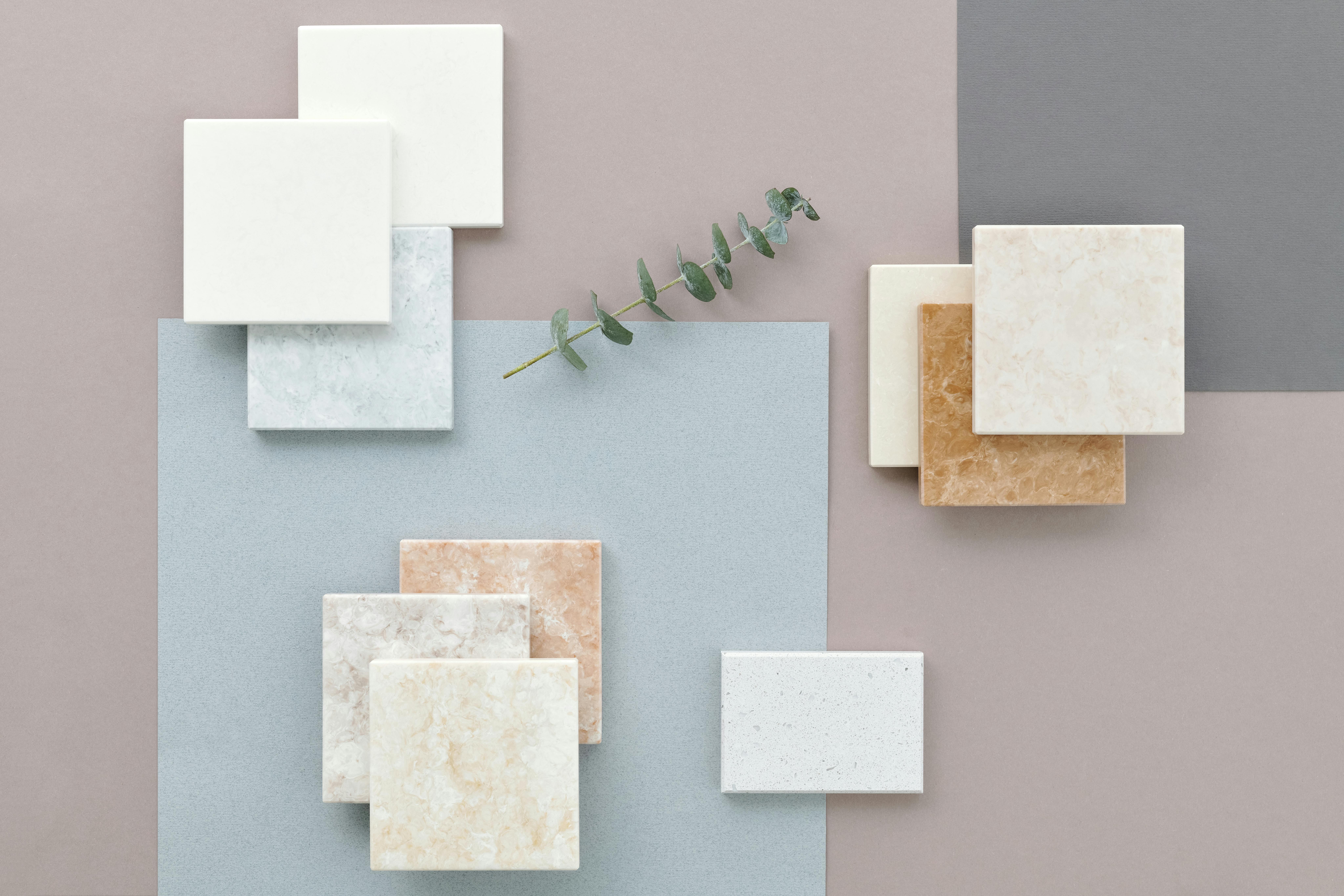
Engineered stone with resin binders
Composite materials combining ceramic and polymer
Recycled material-based tiles (eco-friendly option)
Factors to Consider When Selecting Cladding Tiles
Climate and Geographic Location
India's diverse climate zones demand different cladding solutions:
Coastal Regions (Mumbai, Chennai, Goa, Kochi): High humidity and salt spray require tiles with exceptional water resistance and corrosion-resistant backing. Porcelain tiles with sealed grout joints or natural stone with proper sealing are ideal.
Monsoon-Prone Areas (Western Ghats, Northeast India): Heavy rainfall necessitates excellent drainage design and water-resistant materials. Avoid porous tiles; opt for porcelain or sealed natural stone.
Hot and Dry Regions (Rajasthan, Gujarat, Delhi): Extreme temperature fluctuations can cause thermal stress. Choose materials with good thermal stability. Light-colored tiles can help reduce heat absorption.
Moderate Climate Zones (Bangalore, Pune): Greater flexibility in material selection, though weather resistance remains important year-round.
Building Type and Usage
Different building types have specific requirements:
Residential Buildings: Aesthetic appeal is paramount; semi-gloss or textured finishes are popular
Commercial Buildings: Durability and low maintenance often take priority; neutral colors dominate
Institutional Buildings (Hospitals, Schools): Hygienic, easy-to-clean surfaces are essential
Hospitality Projects: Premium finishes and distinctive designs drive selection
Structural Considerations
The building's structural capacity significantly influences cladding choice. Heavy materials like natural stone require robust structural design and additional reinforcement, which can add 5-15% to project costs. Lightweight alternatives like fiber cement or metal cladding may be more economical for certain structures.
Budget and Cost Analysis
Cladding tile costs in India vary dramatically based on material, quality, and location:
Budget Option: Ceramic tiles or fiber cement—₹80-200 per square foot
Mid-Range: Good quality porcelain or basic sandstone—₹200-500 per square foot
Premium: High-end porcelain, granite, or designer tiles—₹500-1500+ per square foot
Remember to include installation costs (₹50-150 per square foot depending on complexity), waterproofing membranes, and structural reinforcement in your budget.
Maintenance Requirements
Different tiles demand varying levels of maintenance:
Low Maintenance: Porcelain, sealed fiber cement, metal cladding—annual cleaning sufficient
Moderate Maintenance: Natural stone—sealing every 2-3 years, regular cleaning
Higher Maintenance: Unsealed stone in coastal areas—quarterly sealing and cleaning
Installation Best Practices for Indian Climate
Waterproofing is Critical
The most common failure point for cladding installations in India is water ingress behind the tiles. Implement these measures:
Use high-quality waterproofing membranes on the substrate
Ensure proper slope for water drainage (minimum 1:12 slope)
Install weep holes at the base of cladding to allow moisture escape
Use quality sealants at all joints and penetrations
Maintain proper grout joint width (typically 6-10mm) for thermal movement
Substrate Preparation
A properly prepared substrate is essential for long-term performance:
Ensure structural stability—no movement or deflection
Clean surface thoroughly to remove dust, oil, and loose material
Apply primer or bonding agent suitable for the substrate material
Check for cracks and repair before cladding installation
Adhesive and Grout Selection
Use materials specifically formulated for external applications:
Adhesives: Polymer-modified cement-based or epoxy adhesives for better water resistance
Grout: Epoxy or urethane-based for coastal and high-moisture areas; cement-based for dry regions
Avoid cheap, low-quality materials that may fail within 3-5 years
Thermal Movement Accommodation
India's temperature variations require careful joint design:
Use expansion joints every 2-3 meters to accommodate thermal movement
Select flexible sealants that can handle 25% movement
Account for differential movement between different materials
Finding the Right Cladding Tile Professionals
Successful cladding tile projects depend on experienced professionals who understand Indian climate challenges and local regulations. AECORD, India's leading B2B2C marketplace for AECO professionals, connects architects, engineers, and contractors with vetted cladding specialists across the country.
When searching for professionals on AECORD, look for those with:
Proven experience in your specific region and climate zone
Portfolio of completed projects using your preferred tile materials
Understanding of Indian building codes and regulations
Expertise in waterproofing and drainage design
Knowledge of local tile suppliers and cost optimization
Regulatory Compliance in India
Ensure your cladding tile selection complies with relevant Indian standards:
IS 1237: Specifications for ceramic floor tiles
IS 1238: Specifications for ceramic wall tiles
IS 13630: Specifications for vitrified tiles
National Building Code (NBC): Fire safety and structural requirements
Local Municipal Regulations: Vary by city; consult local building departments
Emerging Trends in Cladding Tiles
The Indian AECO sector is witnessing several exciting developments:
Sustainable Materials: Recycled content tiles and eco-friendly manufacturing processes
Large Format Tiles: Reducing grout joints and improving aesthetics (600x1200mm and larger)
Digital Printing: Custom designs and photorealistic finishes at competitive prices
Smart Tiles: Tiles with embedded sensors for structural health monitoring
Textured Finishes: Anti-slip, high-grip surfaces for safety-conscious projects
Common Mistakes to Avoid
Ignoring Local Climate: Selecting tiles without considering regional weather patterns
Poor Waterproofing: Cutting corners on waterproofing membranes and sealants
Inadequate Substrate Preparation: Rushing the preparation phase leads to premature failure
Wrong Adhesive Selection: Using interior-grade adhesives for external applications
Insufficient Expansion Joints: Causing cracking due to thermal stress
Hiring Inexperienced Installers: Poor installation negates the quality of materials
Neglecting Maintenance Planning: Not establishing post-installation care protocols
Cost Optimization Strategies
Achieve excellent results within budget constraints:
Hybrid Approach: Use premium tiles on prominent facades; cost-effective options on less visible areas
Bulk Purchasing: Negotiate better rates for large projects through established suppliers
Local Sourcing: Reduce transportation costs by sourcing locally available tiles
Value Engineering: Work with AECORD professionals to identify cost-saving alternatives without compromising quality
Phased Installation: For large projects, phased implementation can spread costs across budget cycles
Conclusion
Cladding tiles represent a significant investment in building durability, aesthetics, and long-term value. Success requires careful consideration of material selection, climate adaptation, proper installation, and ongoing maintenance. Whether you're working on a luxury residential project in Mumbai, a commercial complex in Bangalore, or an institutional facility in Delhi, the right cladding tile solution can transform your building's performance and appearance.
The Indian AECO market offers diverse options at various price points, but quality and expertise matter most. Partner with experienced professionals who understand your local climate, building codes, and project requirements to ensure your cladding tile installation stands the test of time.
Ready to find the perfect cladding tile solution for your project? Explore AECORD's network of vetted architects, engineers, contractors, and material suppliers specializing in cladding systems across India. Connect with professionals who have successfully delivered projects in your region and understand the unique challenges of Indian climate and construction practices. Visit AECORD today to find your ideal project partner.
Frequently Asked Questions
What are cladding tiles and why are they important in Indian construction?
Cladding tiles are external or internal surface coverings that protect building facades from weather, UV radiation, and environmental pollutants while enhancing aesthetic appeal. In India's varied climate—from humid coastal regions to dry deserts—they offer superior protection compared to traditional paint or plaster finishes, with a lifespan of 20-30 years.
What is the difference between ceramic and porcelain cladding tiles?
Porcelain tiles are denser and less porous than ceramic tiles, offering superior performance in harsh weather conditions. While both are popular in India, porcelain provides better weather resistance and water absorption control (less than 3%), making it ideal for monsoon-prone regions.
Which natural stone cladding tiles are best for Indian climate?
Granite from Rajasthan, Karnataka, and Tamil Nadu is highly durable for Indian climates, while sandstone offers warm tones and is cost-effective. All natural stones provide excellent thermal properties that help keep buildings cooler in hot climates, though they require proper sealing and maintenance.
How much do cladding tiles cost in India?
Costs vary by material: ceramic and porcelain tiles range from ₹150-500 per square foot, natural stone options range from ₹150-1200+ per square foot depending on type and quality. Granite and slate are premium options, while limestone and sandstone offer more affordable alternatives.
What are the key characteristics of quality cladding tiles?
Quality cladding tiles should have low water absorption (less than 3%), excellent weather resistance, fire resistance meeting Indian standards, durability of 20-30 years, aesthetic versatility, and easy maintenance without specialized treatments. These characteristics ensure protection against monsoons, extreme heat, and temperature fluctuations.