


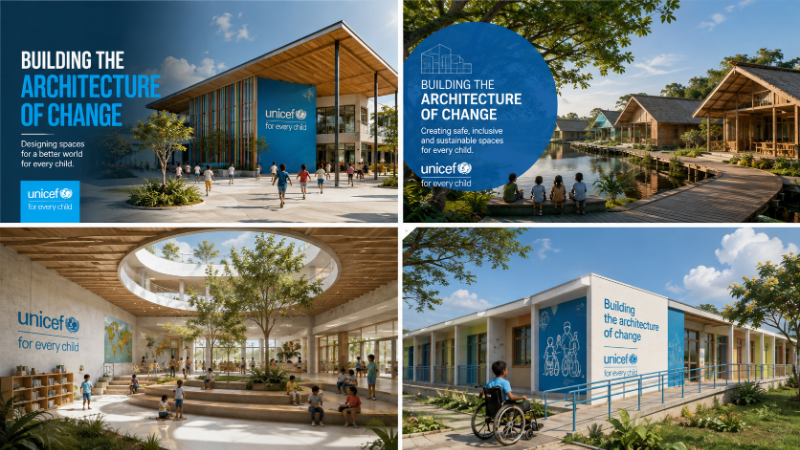
The role of architecture in creating sustainable change has never been more critical than it is today. When organizations like UNICEF work to transform communities and improve lives, they rely on thoughtfully designed spaces and infrastructure that reflect their mission of putting children first. In India, where rapid urbanization meets diverse socioeconomic challenges, the architecture of change becomes a powerful tool for social impact. This article explores how architectural design, planning, and innovation can support UNICEF's mission and create lasting positive change across Indian communities.
Understanding the Architecture of Change
The "architecture of change" refers to the strategic framework, design principles, and structural systems that organizations implement to achieve transformational goals. For UNICEF, this means creating physical and organizational structures that prioritize child welfare, education, health, and protection. In the Indian context, this architecture must be culturally sensitive, economically viable, and responsive to local needs.
Architecture in this broader sense encompasses:
Physical Infrastructure: Schools, health centers, water facilities, and community spaces designed with children's needs in mind
Organizational Systems: The frameworks and processes that enable effective program delivery
Community Engagement: Structures that facilitate dialogue and participation from local stakeholders
Technological Integration: Digital systems that enhance reach and impact
In India, where UNICEF operates across multiple states and works with diverse communities, this architecture must be flexible and scalable. Cities like Mumbai, Delhi, Bangalore, and Kolkata present unique challenges and opportunities for designing interventions that address child poverty, malnutrition, education gaps, and health disparities.
Build cost · Bengaluru, May 2026
The Role of Physical Design in Social Impact
School Infrastructure and Learning Environments
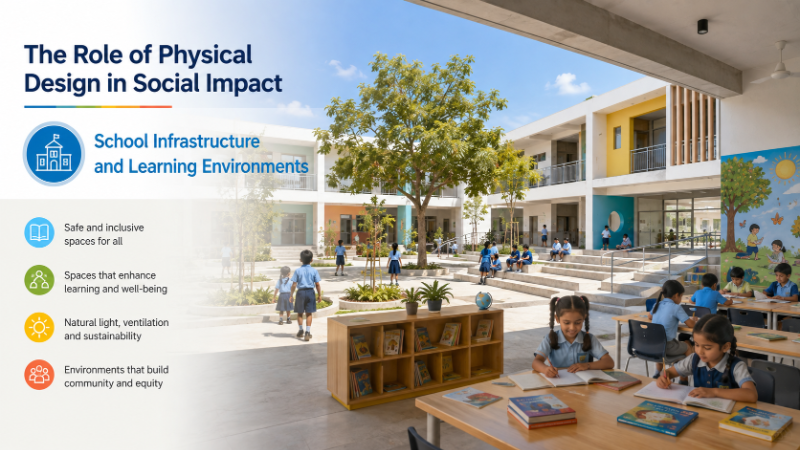
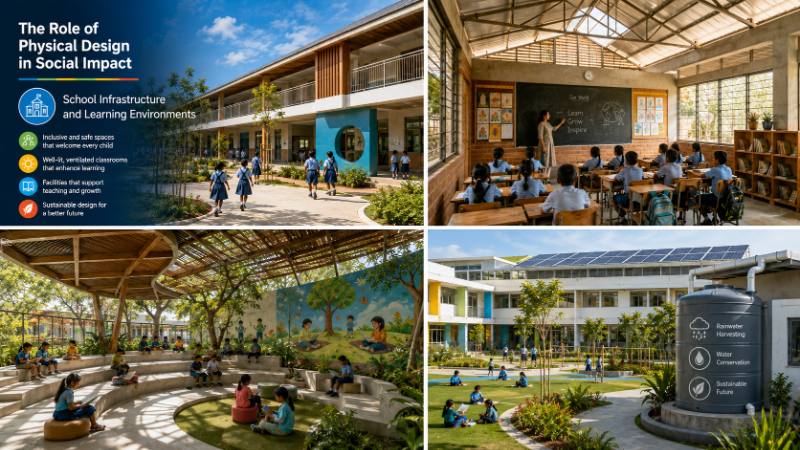
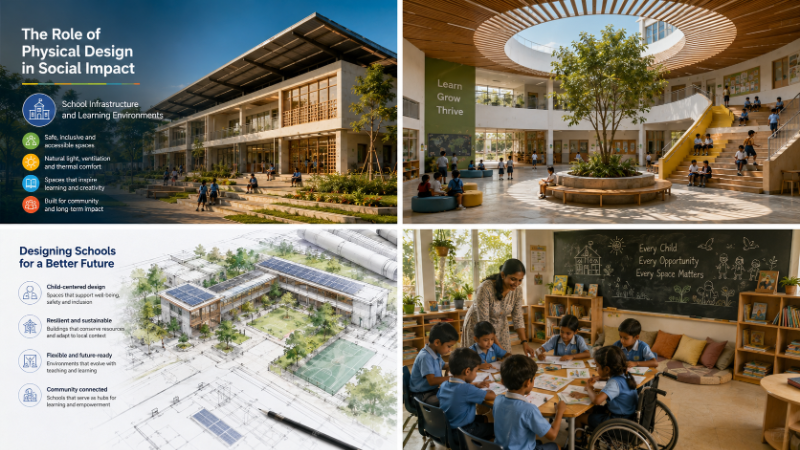
One of UNICEF's primary focuses in India is ensuring quality education for all children. The physical architecture of schools plays a crucial role in this mission. Well-designed educational spaces can significantly impact learning outcomes, attendance rates, and student well-being.
In rural India, where many schools lack basic infrastructure, thoughtfully designed facilities can make a tremendous difference. Features like:
Adequate lighting and ventilation that improve focus and health
Gender-sensitive sanitation facilities that encourage girls' enrollment
Accessible design for children with disabilities
Safe water and hygiene infrastructure
Outdoor learning spaces that support experiential education
These elements aren't merely aesthetic—they directly contribute to better educational outcomes. Research shows that students in well-lit, properly ventilated classrooms demonstrate 15-20% better performance compared to those in poorly designed spaces. In Indian schools, where many structures are over 50 years old and deteriorating, renovation with proper architectural guidance can transform learning experiences.
Healthcare Facilities for Maternal and Child Health
UNICEF's work in maternal and child health requires healthcare facilities that are not only functional but also welcoming and accessible. In cities like Chennai, Hyderabad, and Pune, and in rural areas across states like Bihar and Uttar Pradesh, the design of health centers significantly impacts whether mothers and children actually seek care.
Effective health facility design includes:
Separate areas for antenatal and postnatal care
Child-friendly vaccination centers
Privacy-respecting consultation spaces
Adequate infection control infrastructure
Emergency response capabilities
When AECORD professionals collaborate with health organizations, they understand that architecture directly influences health outcomes. A poorly designed facility can discourage visits and reduce program effectiveness, while thoughtfully designed spaces increase utilization and trust in services.
Frequently asked
Water, Sanitation, and Hygiene (WASH) Infrastructure
One of UNICEF's critical focus areas in India is ensuring access to clean water and sanitation—essential for child survival and development. The architecture of WASH systems requires specialized knowledge of local conditions, water availability, and community needs.
Community-Centered Water Systems
In drought-prone regions of Rajasthan and Maharashtra, and in flood-affected areas of Assam and Bihar, water infrastructure must be designed with deep understanding of local hydrology and climate patterns. UNICEF's approach involves:
Rainwater harvesting systems tailored to regional rainfall patterns
Underground storage solutions that minimize evaporation in arid regions
Decentralized treatment systems that serve multiple communities
Maintenance infrastructure that communities can sustain
The cost of implementing WASH infrastructure varies significantly across India. A basic water supply system for a village of 500 people might cost between ₹15-25 lakhs, while comprehensive WASH solutions including sanitation and hygiene facilities could reach ₹50 lakhs or more. These investments, however, yield significant returns in reduced disease burden and improved child health outcomes.
Sanitation and Dignity
Beyond basic functionality, sanitation infrastructure must be designed with dignity in mind. Gender-sensitive toilet design—including privacy, safety, and menstrual hygiene management facilities—is essential for ensuring girls' school attendance and overall well-being. UNICEF's work in states like Odisha and Jharkhand has demonstrated that culturally appropriate sanitation design significantly improves adoption and sustained use.
Organizational Architecture: Systems for Sustainable Impact
While physical infrastructure is visible and tangible, the organizational architecture supporting UNICEF's work is equally important. This includes:
Multi-Stakeholder Coordination Frameworks
Effective change requires coordination among government agencies, NGOs, community organizations, and private sector partners. UNICEF's architecture in India includes:
State-level coordination committees focused on child welfare
District-level implementation teams with clear accountability
Community-based monitoring mechanisms
Regular feedback loops that inform program adjustments
This organizational structure ensures that initiatives remain responsive to ground realities while maintaining strategic focus on UNICEF's mission.
Capacity Building and Knowledge Systems
The architecture of change includes investing in people. UNICEF's work with frontline workers—ASHA workers, ANMs (Auxiliary Nurse Midwives), teachers, and community volunteers—requires structured capacity building programs. These systems ensure that:
Training is relevant and contextual
Knowledge is continuously updated
Practitioners have access to resources and support
Best practices are documented and shared
When professionals from AECORD's network of architects and engineers engage with UNICEF programs, they often find opportunities to contribute their technical expertise to capacity building initiatives.
Technology and Digital Architecture
Data Systems for Better Decision-Making
Modern change architecture increasingly relies on robust data systems. UNICEF's work in India involves:
Real-time monitoring of program indicators across states
Mobile-based data collection tools used by field workers
Analysis platforms that identify bottlenecks and opportunities
Visualization dashboards that communicate progress to stakeholders
These systems enable evidence-based decision-making and rapid course correction when needed.
Digital Inclusion and Accessibility
As India's digital infrastructure expands, UNICEF ensures that technology serves all children, including those with disabilities and those in remote areas. This requires thoughtful design of digital platforms that:
Work on low-bandwidth connections
Support multiple Indian languages
Are accessible to users with various disabilities
Protect child privacy and safety
Community-Based Architecture: Participatory Design
Perhaps the most powerful aspect of UNICEF's architecture of change is its emphasis on community participation. Rather than imposing solutions, UNICEF works with communities to design interventions that reflect local values and address local priorities.
Participatory Planning Processes
In villages across India, UNICEF facilitates community dialogues where parents, teachers, health workers, and children themselves contribute to designing solutions. This might involve:
Community mapping exercises that identify local assets and challenges
Design workshops where residents envision improved facilities
Feedback mechanisms that ensure community voices shape implementation
Local ownership that increases sustainability
This participatory approach has proven particularly effective in states like Gujarat and Karnataka, where community-led initiatives have achieved remarkable results in child welfare.
Scaling Impact: From Pilot to Program
Learning from Successful Models
UNICEF's architecture of change includes systematic approaches to scaling successful interventions. When a pilot program in one district demonstrates positive results, the organization develops replicable models that can be adapted to different contexts. This requires:
Clear documentation of what works and why
Training systems that transfer knowledge to new implementers
Quality assurance mechanisms that maintain program fidelity
Flexibility to adapt to local contexts
For professionals working through platforms like AECORD, understanding these scaling principles is valuable when designing infrastructure projects that aim for broader impact.
Cost-Effective Solutions
Scaling requires cost-effectiveness without compromising quality. UNICEF's architecture emphasizes:
Using locally available materials and labor
Leveraging existing government systems and infrastructure
Partnerships that share costs and expertise
Designs that minimize ongoing maintenance expenses
In India, where resources are limited but needs are vast, this approach enables UNICEF to extend its reach across multiple states and millions of children.
Monitoring, Evaluation, and Continuous Improvement
The architecture of change isn't static—it evolves based on evidence of what's working. UNICEF's monitoring and evaluation systems include:
Regular surveys tracking key child welfare indicators
Qualitative research exploring how and why changes occur
Community-based monitoring by local organizations
External evaluations providing independent assessment
This commitment to learning ensures that UNICEF's architecture continuously improves and becomes more effective at achieving its mission.
Challenges and Future Directions
Addressing Structural Inequalities
While UNICEF's architecture of change has achieved significant progress, deep challenges remain. Addressing child poverty, gender inequality, and discrimination requires not just better infrastructure and systems, but also advocacy for policy changes and social transformation. In India's context, this includes engaging with complex issues of caste, class, and regional disparities.
Climate Resilience
Looking forward, UNICEF's architecture must incorporate climate resilience. With increasing droughts in some regions and flooding in others, infrastructure must be designed to withstand climate impacts while supporting child welfare. This represents a new frontier for architects and engineers engaged with AECORD and similar platforms.
How Professionals Can Contribute
Architects, engineers, and construction professionals play vital roles in UNICEF's architecture of change. Whether through designing school buildings, planning water systems, or contributing technical expertise to organizational systems, professionals can leverage their skills for social impact. Platforms like AECORD connect such professionals with organizations doing important work, creating opportunities for meaningful contribution.
If you're an architect or engineer interested in contributing to child welfare initiatives in India, AECORD offers a marketplace where you can connect with organizations like UNICEF and other social enterprises seeking technical expertise. Your skills in design, project management, and construction can directly improve children's lives across India.
Conclusion
Building the architecture of change is complex, multifaceted work that requires technical expertise, community engagement, organizational commitment, and sustained resources. UNICEF's approach in India demonstrates how thoughtful design—of physical spaces, organizational systems, and community processes—can create lasting positive change for children. As India continues to develop and urbanize, the need for this kind of intentional architecture becomes ever more important. By understanding and supporting this work, professionals and organizations can contribute to creating a future where every Indian child has the opportunity to survive, thrive, and reach their full potential.
Whether you're looking to engage with such impactful work or seeking professionals to bring your vision to life, AECORD provides a platform connecting architecture, engineering, construction, and operations professionals with organizations working toward social good across India.
Frequently Asked Questions
What does 'architecture of change' mean in the context of UNICEF's work?
The 'architecture of change' refers to the strategic framework, design principles, and structural systems that organizations implement to achieve transformational goals. For UNICEF, this encompasses physical infrastructure like schools and health centers, organizational systems, community engagement structures, and technological integration—all designed to prioritize child welfare and create lasting positive impact in communities.
How does school design impact student learning outcomes in India?
Well-designed educational spaces significantly improve learning outcomes, with students in well-lit, properly ventilated classrooms demonstrating 15-20% better performance. Features like adequate lighting, gender-sensitive sanitation facilities, accessible design for children with disabilities, and outdoor learning spaces directly contribute to better attendance rates and student well-being.
What are the key design elements needed for effective healthcare facilities?
Effective health facility design includes separate areas for antenatal and postnatal care, child-friendly vaccination centers, privacy-respecting consultation spaces, and adequate infection control measures. These design elements make healthcare facilities more welcoming and accessible, encouraging mothers and children to seek the care they need.
Why is culturally sensitive architecture important for UNICEF's mission in India?
In India's diverse socioeconomic context, architecture must be culturally sensitive, economically viable, and responsive to local needs. This approach ensures that physical infrastructure and organizational structures align with community values and can be effectively scaled across multiple states and diverse populations.
How can architectural design address child poverty and health disparities in Indian cities?
Thoughtfully designed physical infrastructure—including schools, health centers, water facilities, and community spaces—directly addresses challenges like child poverty, malnutrition, education gaps, and health disparities. When combined with flexible, scalable organizational systems and community engagement, architecture becomes a powerful tool for creating sustainable social impact.