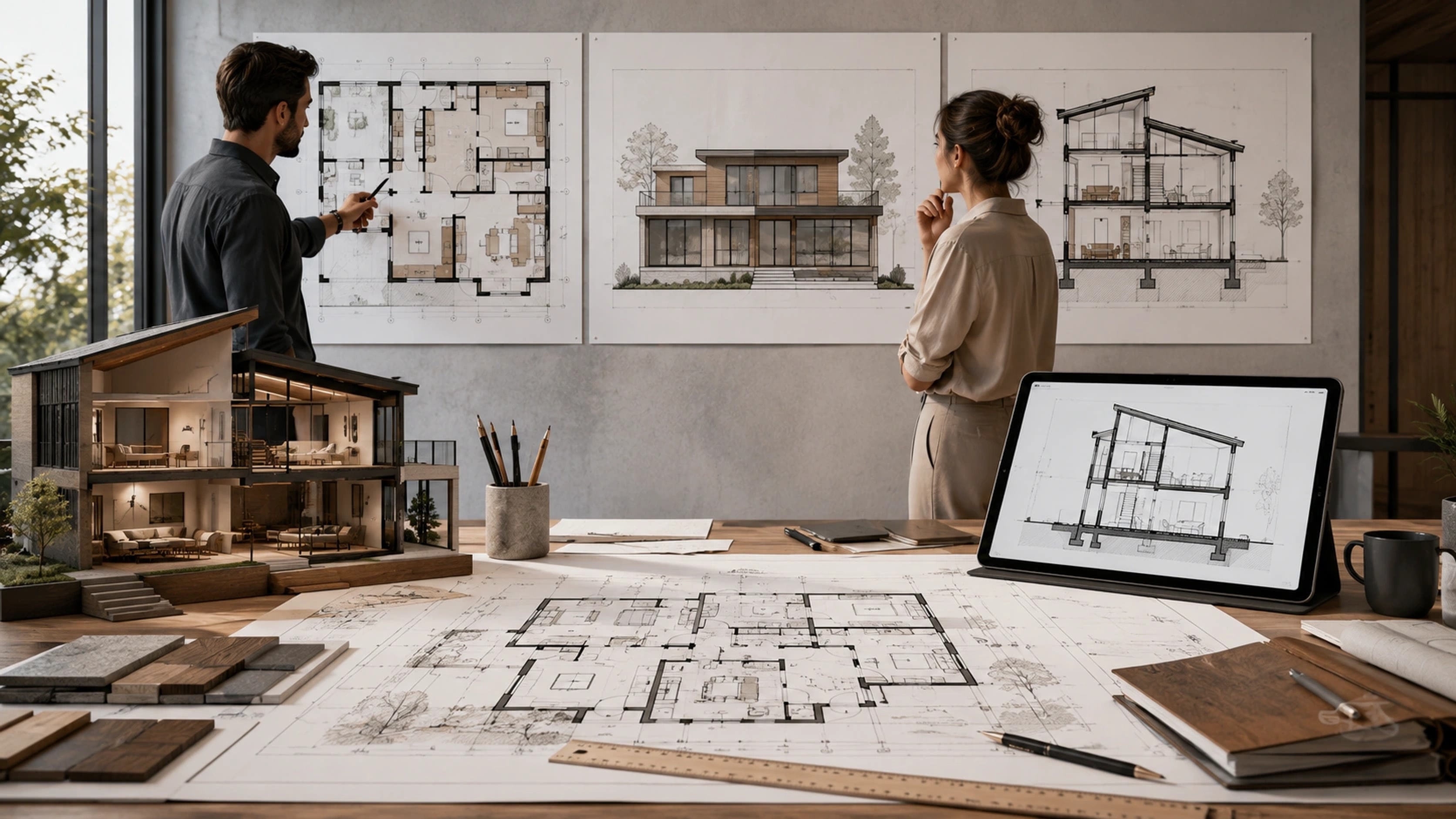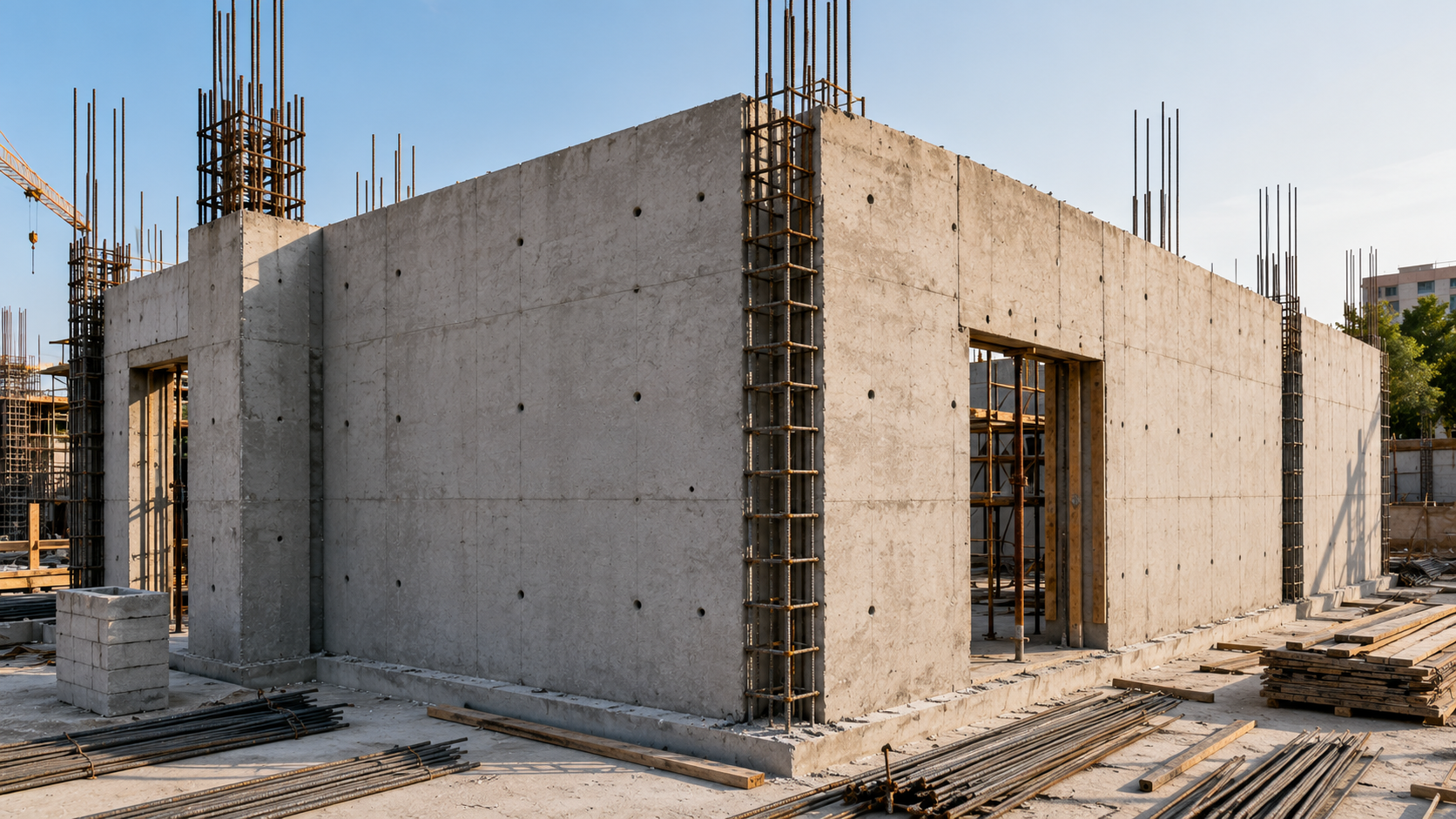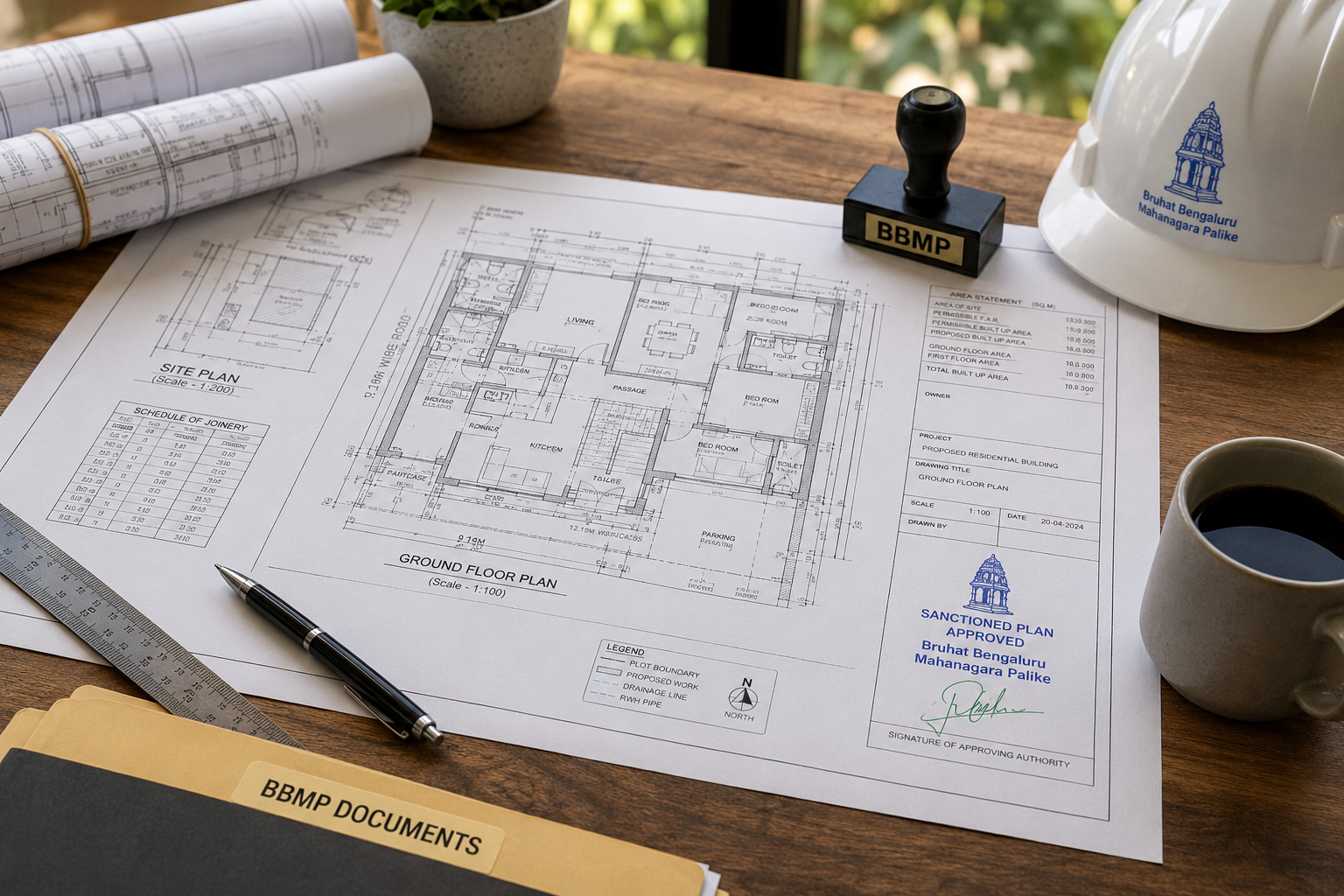


In the realm of construction, the pivotal role of engineers cannot be overstated. They are the architects of safety and the guardians of structural integrity. By meticulously designing structures that can withstand diverse environmental factors and potential hazards, engineers ensure the longevity and resilience of our built environment. This article delves into the crucial contributions of engineers, focusing on their role in creating structures that last.
The Role of Engineers in Structural Design

Structural design is a vital discipline within construction, where engineers transform architectural concepts into safe, stable, and long-lasting structures. Structural engineers carry the responsibility of ensuring buildings can withstand loads, environmental forces, and long-term use by carefully analysing materials, site conditions, and performance requirements. Beyond structural design, engineering services span civil, MEP, geotechnical, environmental engineering, and project management, all working together to deliver successful projects. Civil engineering, in particular, forms the foundation of construction by developing resilient infrastructure that prioritizes safety, durability, and functionality. Together, these engineering disciplines ensure that buildings and infrastructure serve communities reliably for generations.
Build cost · Bengaluru, May 2026
Strength and Stability in Structures

Structural design principles focused on durability ensure that buildings remain safe, resilient, and functional over time. Adherence to building codes, careful material selection, and a clear understanding of load paths are essential to achieving long-term structural performance. Structural engineers analyze strength and stability by evaluating seismic forces, wind and live loads, and soil conditions through detailed geotechnical studies, ensuring reliable foundations and overall integrity. To overcome modern structural challenges, engineers increasingly rely on innovative solutions such as Building Information Modeling (BIM), advanced composite materials, and base isolation systems. These technologies enhance efficiency, sustainability, and seismic resilience, reinforcing the critical role of structural engineering in creating durable and future-ready structures.
Choosing the Right Materials for Reliability

Material selection plays a critical role in determining the strength, stability, and longevity of structures. Structural engineers carefully assess material properties such as tensile and compressive strength, elasticity, ductility, and resistance to corrosion to ensure buildings can withstand loads and environmental stresses. Commonly used materials like steel, concrete, wood, and advanced composites each serve specific structural purposes, with choices guided by load paths, climate conditions, and performance requirements. Looking ahead, innovations such as self-healing concrete, graphene-based materials, and 3D-printed components are set to transform structural engineering by enhancing durability, efficiency, and sustainability. Together, thoughtful material selection and emerging technologies will shape the future of resilient and high-performance structures.
Analysis and Design Techniques in Engineering
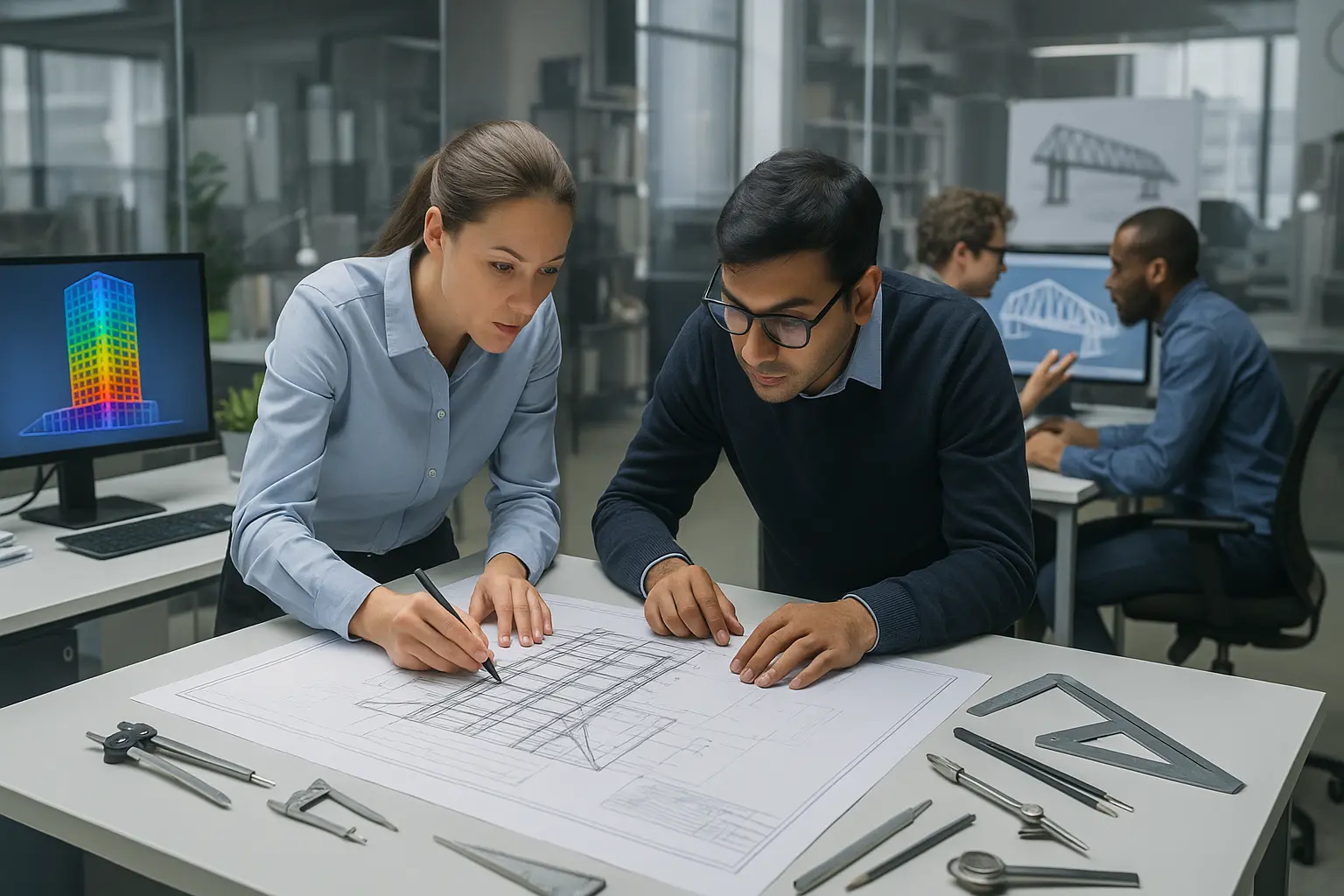
Structural analysis and design methods are fundamental to ensuring the safety, durability, and performance of buildings. By using techniques such as finite element analysis and classical analytical methods, structural engineers can accurately predict how structures respond to various loads and environmental conditions. Long-lasting structures are achieved through thoughtful design strategies that emphasize durability, redundancy, and regular maintenance. The integration of advanced technologies like BIM, cloud-based collaboration tools, and structural monitoring systems further enhances design accuracy and lifecycle performance. Together, robust analysis methods, strategic design principles, and technological innovation enable engineers to deliver structures that are resilient, efficient, and prepared to withstand future challenges.
Meet Experts Indian festive home decor is a perfect way to blend traditional charm with modern interiors, creating warm and vibrant living spaces.
Behind every safe and enduring building lies a perfect balance of engineering precision and human responsibility. From the deep foundations that anchor our skyscrapers to the reinforced frames that guard against natural forces, every element is designed with one purpose to protect lives and stand the test of time. Modern engineers go far beyond blueprints and calculations; they combine technology, sustainability, and innovation to create structures that are not just strong, but also smart and efficient. Whether it’s resisting earthquakes, withstanding storms, or ensuring long-term durability, every design choice reflects years of research, experience, and foresight.
Frequently asked
"AECORD: Where Vision Meets Engineering Excellence"
At AECORD, we believe in connecting people with the experts who make this vision a reality. From architects and structural engineers to design professionals, AECORD bridges the gap between ideas and execution ensuring every project is built on the foundation of strength, safety, and trust.
Frequently Asked Questions
What do structural engineers do to make buildings safe?
Structural engineers design buildings to withstand loads, environmental forces, and long-term use by analyzing materials, site conditions, and performance requirements. They ensure structures meet building codes and can resist seismic forces, wind loads, and other hazards through careful planning and innovative solutions.
How do engineers ensure buildings last a long time?
Engineers focus on durability through careful material selection, adherence to building codes, and understanding load paths. They conduct detailed geotechnical studies to evaluate soil conditions and use technologies like Building Information Modeling (BIM) and advanced materials to enhance long-term structural performance.
What materials do structural engineers use for buildings?
Common materials include steel, concrete, wood, and advanced composites, each chosen based on specific structural needs, load paths, and climate conditions. Engineers assess properties like tensile strength, compressive strength, and corrosion resistance to select the most reliable materials for each project.
What are the latest technologies used in structural engineering?
Modern structural engineering employs Building Information Modeling (BIM), base isolation systems, advanced composite materials, self-healing concrete, and graphene-based materials. These innovations enhance efficiency, sustainability, and seismic resilience in building design.
Why is geotechnical engineering important for building safety?
Geotechnical engineering evaluates soil conditions and foundation reliability through detailed studies, ensuring buildings have stable foundations that can support structural loads. Understanding soil properties is essential for preventing settlement, failure, and ensuring overall structural integrity.