

ACC Cement Laminated Bags: A Comprehensive Guide for Indian Construction Professionals
Cement is the backbone of any construction project in India, and choosing the right type and packaging can significantly impact both the quality of your work and your project's bottom line. Among the various cement products available in the Indian market, ACC Cement laminated bags have become increasingly popular among architects, engineers, and construction professionals. This comprehensive guide explores everything you need to know about ACC cement laminated bags, their advantages, applications, and how to source them effectively for your projects.
Build cost · Bengaluru, May 2026
Understanding ACC Cement Laminated Bags
ACC (Associated Cement Companies) is one of India's largest cement manufacturers, with a legacy spanning over seven decades. Their laminated bag packaging represents a modern approach to cement delivery that addresses several challenges faced by construction professionals across the country.
Laminated bags for cement are multi-layered packaging solutions designed to protect cement from moisture, humidity, and environmental degradation. Unlike traditional paper bags, laminated bags feature a plastic layer that provides superior protection, ensuring the cement remains in optimal condition from the manufacturing facility to your construction site.
Composition and Structure of Laminated Cement Bags
ACC cement laminated bags typically consist of:
Kraft paper layer: Provides structural strength and printability for product information
Plastic film layer: Usually polyethylene or polypropylene that acts as a moisture barrier
Inner coating: Specialized treatment to prevent cement from adhering to the bag walls
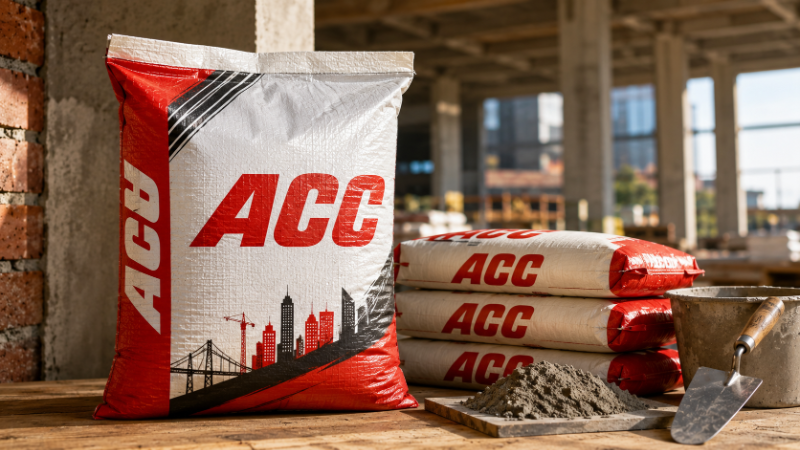
The standard weight of ACC cement laminated bags in India is 50 kg, though some specialized applications may require different quantities. The bag dimensions are typically around 58 cm × 38 cm × 10 cm when filled, making them easy to handle and stack on construction sites across major Indian cities like Mumbai, Delhi, Bangalore, and Hyderabad./blog/cement-brands-in-india-for-house-construction
Key Advantages of ACC Cement Laminated Bags
Frequently asked
Superior Moisture Protection
One of the most significant advantages of laminated bags is their exceptional moisture resistance. In India's diverse climate zones—from the humid coastal regions of Kerala and Maharashtra to the arid areas of Rajasthan—moisture protection is crucial. The laminated structure prevents water absorption, ensuring that cement doesn't deteriorate due to humidity or rain exposure on your construction site.
Extended Shelf Life
ACC cement in laminated bags maintains its strength and quality for longer periods compared to traditional paper bags. Construction professionals can store these bags for extended periods without worrying about significant loss of cement strength, which is particularly valuable for projects with variable timelines or when bulk purchasing offers cost advantages.
Reduced Wastage and Spillage
The robust nature of laminated bags means less breakage during transportation and handling. This is especially important when transporting cement through challenging terrain or during the monsoon season in regions like Goa, Karnataka, and Tamil Nadu. Reduced spillage translates directly to cost savings on your project budget.
Better Handling and Storage
Laminated bags are easier to handle, stack, and store compared to traditional paper bags. They maintain their integrity even when stacked multiple layers high, allowing for more efficient use of storage space on construction sites. This is particularly beneficial in space-constrained urban projects in cities like Pune, Ahmedabad, and Kolkata.
Environmental Considerations
While plastic packaging raises environmental concerns, ACC's laminated bags are designed with recyclability in mind. Many construction waste management facilities across India are increasingly equipped to handle laminated packaging materials, supporting the country's push toward sustainable construction practices.
Types of ACC Cement Available in Laminated Bags
Ordinary Portland Cement (OPC)
The most commonly used cement type in India, OPC is available in ACC laminated bags in 33-grade and 43-grade variants. The 43-grade variant offers higher early strength, making it ideal for projects requiring faster construction timelines. Pricing typically ranges from ₹350 to ₹450 per bag depending on your location and market conditions.
Portland Pozzolana Cement (PPC)
PPC is increasingly popular for its durability and cost-effectiveness. The pozzolanic material in PPC improves long-term strength and reduces heat of hydration, making it suitable for massive concrete structures. ACC's PPC in laminated bags is widely available across India and typically costs ₹320 to ₹400 per bag.
Specialized Cements
For specific applications, ACC offers specialized cement formulations in laminated packaging, including white cement for aesthetic finishes and sulfate-resistant cement for structures exposed to aggressive environments. These premium products command higher prices, typically ranging from ₹600 to ₹1200 per bag.
Sourcing ACC Cement Laminated Bags in India
Direct from ACC Distributors
ACC maintains an extensive distribution network across India. You can locate authorized distributors in your region through ACC's official website or by contacting their regional offices. Major cities like Chennai, Jaipur, and Lucknow have multiple authorized dealers offering competitive pricing and reliable delivery.
Building Material Suppliers
Local building material suppliers and hardware stores stock ACC cement in laminated bags. When sourcing through these channels, ensure you verify the product's authenticity and check the manufacturing date to guarantee freshness.
Digital Platforms and B2B Marketplaces
Modern construction professionals can now source cement through specialized B2B2C marketplaces. Platforms like AECORD connect you with verified suppliers and manufacturers across India, allowing you to compare prices, read reviews, and place orders conveniently. This approach is particularly useful for large-quantity purchases or when managing multiple projects simultaneously.
Using platforms like AECORD also provides access to a network of construction professionals who can share their experiences with different suppliers and cement brands, helping you make informed decisions for your specific project requirements.
Bulk Purchasing and Logistics
For large projects requiring significant quantities of cement, negotiating bulk purchases directly with ACC or their distributors can yield substantial cost savings. Many suppliers offer discounts for orders exceeding 500 bags. Additionally, organizing efficient logistics through AECORD's supplier network can reduce transportation costs, particularly important for projects in tier-2 and tier-3 cities.
Quality Assurance and Verification
Checking for Authenticity
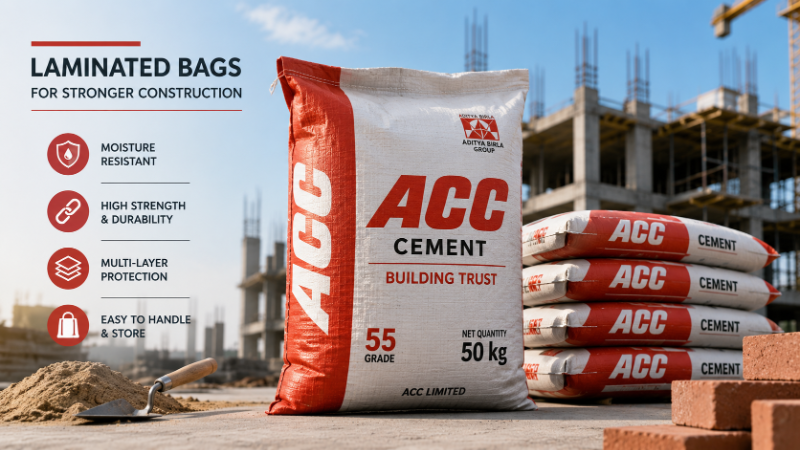
ACC products come with specific security features on their laminated bags. Look for:
Clear ACC branding and logo
Holographic security features on the bag
Batch number and manufacturing date clearly printed
Contact information for ACC customer service
Understanding Cement Grades and Standards
Ensure the cement grade matches your project specifications. Indian cement standards (IS 269 for OPC and IS 1489 for PPC) specify strength requirements at different curing periods. ACC's laminated bags clearly indicate the grade, ensuring you select the appropriate cement for your structural requirements.
Testing and Compliance
Before using large quantities on your project, conduct basic tests to verify cement quality. Simple field tests include checking for lumps (which indicate moisture absorption), observing color consistency, and verifying that the cement feels fine and powdery.
Cost Analysis and Budget Planning
Pricing Factors
The cost of ACC cement laminated bags varies based on several factors:
Location: Prices in metropolitan areas like Mumbai and Delhi may be higher than in smaller towns
Cement grade: Higher grades and specialized cements command premium prices
Quantity: Bulk purchases typically offer better per-unit pricing
Seasonality: Monsoon season often sees price fluctuations due to transportation challenges
Market conditions: Raw material costs and fuel prices influence cement pricing
Budget Optimization Strategies
To optimize your cement purchasing budget:
Plan purchases during off-peak seasons when prices are typically lower
Consolidate orders with other projects to achieve bulk discounts
Compare prices across multiple suppliers using digital platforms
Consider PPC as a cost-effective alternative to OPC for many applications
Account for transportation costs when evaluating total landed costs
Storage and Handling Best Practices
On-Site Storage Guidelines
Proper storage of ACC cement laminated bags extends shelf life and maintains quality:
Keep bags elevated: Store on wooden pallets or raised platforms to prevent ground moisture absorption
Ensure adequate ventilation: Allow air circulation around stored bags to prevent condensation
Protect from direct rain: Use temporary coverings during monsoon season, particularly in regions like Kerala and Assam
Maintain organization: Stack bags systematically and label by manufacturing date for FIFO (First In, First Out) usage
Temperature control: While not critical, storing bags in shaded areas prevents excessive heat exposure
Handling Procedures
Train your site workers on proper cement bag handling to minimize damage and spillage. The laminated bags, while more durable than paper, still require careful handling during loading, unloading, and stacking operations.
Environmental and Regulatory Considerations
Compliance with Indian Standards
ACC cement products comply with Bureau of Indian Standards (BIS) requirements. When sourcing cement for projects in India, ensure compliance with relevant standards including IS 269, IS 1489, and IS 455 depending on your cement type and application.
Sustainable Construction Practices
Using ACC's PPC cement supports sustainable construction by incorporating pozzolanic materials. Additionally, the laminated bag packaging is increasingly recyclable, supporting India's construction industry's movement toward environmental responsibility.
Waste Management
Establish proper disposal procedures for empty laminated cement bags. Many municipalities across India now have regulations regarding construction waste management. Coordinate with local waste management facilities to ensure compliant disposal or recycling.
Practical Applications in Indian Construction Projects
Residential Construction
In residential projects across Indian cities, ACC cement laminated bags are ideal for:
Foundation and concrete work
Masonry mortar preparation
Plaster and finishing applications
Tile adhesive and grout preparation
Commercial and Infrastructure Projects
For larger commercial projects, the superior moisture protection of laminated bags ensures consistent concrete quality throughout extended construction phases, which is particularly important for projects in humid coastal areas or during monsoon seasons.
Specialized Applications
ACC's specialized cements in laminated bags serve specific purposes such as waterproofing in basements, aesthetic finishes in architectural concrete, and durability in structures exposed to sulfates or aggressive environments.
Troubleshooting Common Issues
Cement Lumping
If you notice lumps in ACC cement despite laminated packaging, this typically indicates exposure to moisture during storage. Always verify storage conditions and manufacturing dates when receiving shipments.
Inconsistent Color
Variations in cement color are normal and don't necessarily indicate quality issues, but consistent variations across bags might suggest different batches or manufacturing dates. For aesthetic projects, try to source cement from the same batch.
Supplier Reliability
When experiencing issues with cement quality or delivery, document problems and contact your supplier immediately. Using verified supplier networks through AECORD can help ensure you're working with reliable partners who maintain quality standards.
Making the Right Choice for Your Project
ACC cement laminated bags represent a modern, reliable solution for construction professionals across India. Their superior protection, extended shelf life, and reduced wastage make them an excellent choice for projects of all sizes. Whether you're managing a small residential project in Nashik or a large commercial development in Bangalore, laminated cement bags offer consistent quality and reliability.
The key to maximizing the benefits of ACC cement laminated bags is sourcing from reliable suppliers, understanding your specific project requirements, and implementing proper storage and handling practices. By leveraging digital platforms and professional networks, you can ensure competitive pricing and consistent supply for your construction needs.
Get Connected with Verified Suppliers Today
Ready to source ACC cement laminated bags for your next project? Connect with verified suppliers and construction professionals on AECORD, India's leading B2B2C marketplace for AECO professionals. Browse supplier profiles, compare prices, read reviews from other construction professionals, and place orders with confidence. Whether you need a single bag or bulk quantities, AECORD connects you with reliable partners across India, ensuring your projects have access to quality materials at competitive prices. Visit AECORD today and streamline your cement sourcing process.
Frequently Asked Questions
What is the difference between ACC cement laminated bags and traditional paper bags?
ACC cement laminated bags feature a multi-layered structure with kraft paper, plastic film (polyethylene or polypropylene), and inner coating, providing superior moisture protection compared to traditional paper bags. This advanced packaging ensures cement remains in optimal condition longer and reduces wastage during transportation and storage.
How long can ACC cement in laminated bags be stored?
ACC cement in laminated bags maintains its strength and quality for extended periods due to exceptional moisture resistance and protective layering. This extended shelf life allows construction professionals to store bulk quantities without significant loss of cement strength, making it ideal for projects with variable timelines.
What is the standard weight and size of ACC cement laminated bags in India?
The standard weight of ACC cement laminated bags in India is 50 kg, with typical dimensions of approximately 58 cm × 38 cm × 10 cm when filled. These standardized sizes make them easy to handle, stack, and transport on construction sites.
Why are laminated cement bags better for India's climate conditions?
Laminated bags provide exceptional moisture resistance crucial for India's diverse climate zones, from humid coastal regions like Kerala and Maharashtra to arid areas like Rajasthan. The plastic layer prevents water absorption and cement deterioration from humidity and rain exposure on construction sites.
Do ACC cement laminated bags reduce construction project costs?
Yes, laminated bags reduce costs through decreased spillage and breakage during transportation and handling, extended shelf life allowing bulk purchasing advantages, and more efficient storage space utilization. These factors translate to direct savings on project budgets.