

Understanding 300 mm x 450 mm Ceramic Tiles: A Complete Guide for Indian Construction Professionals
Ceramic tiles remain one of the most popular finishing materials in Indian construction projects, from residential apartments in Bangalore to commercial spaces in Mumbai. Among the various sizes available, the 300 mm x 450 mm (12" x 18") ceramic tile has emerged as a versatile choice for architects, contractors, and homeowners. When combined with a glossy finish, these tiles offer both aesthetic appeal and practical functionality. In this comprehensive guide, we'll explore everything you need to know about 300 mm x 450 mm ceramic tiles with glossy finishes, including their specifications, applications, installation considerations, and cost implications for the Indian market. /blog/vitrified-floor-tiles
Build cost · Bengaluru, May 2026
What Are 300 mm x 450 mm Ceramic Tiles?
Tile Specifications and Dimensions
A 300 mm x 450 mm ceramic tile refers to a rectangular tile measuring 30 centimeters in width and 45 centimeters in length. This rectangular format, also known as a 12" x 18" tile in imperial measurements, falls into the medium-to-large category of ceramic tiles commonly used in contemporary Indian construction. The aspect ratio of 2:3 makes these tiles particularly suitable for creating linear patterns and visual flow in spaces.
The thickness of ceramic tiles in this size typically ranges from 8 mm to 10 mm, providing adequate durability for both wall and floor applications. The weight per tile usually falls between 2.5 to 3.5 kilograms, which is manageable for installation while maintaining structural integrity.
Understanding the Glossy Finish
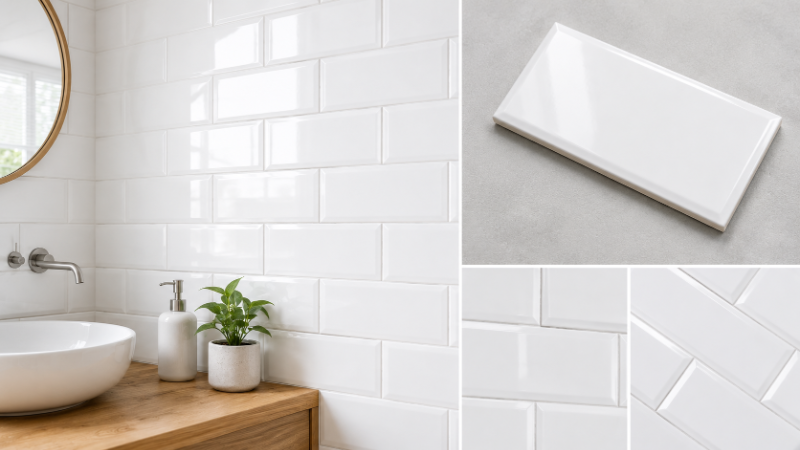
The glossy finish on ceramic tiles refers to a high-shine surface created through a glazing process. This finish reflects light, creating a bright, polished appearance that can make spaces feel larger and more luxurious. The glossy coating is applied during manufacturing and then fired in kilns at high temperatures, creating a durable, non-porous surface.
In the Indian context, where natural light and ventilation are crucial design considerations, glossy-finished tiles have gained significant popularity. They perform exceptionally well in well-lit spaces and can enhance the brightness of interior environments, which is particularly valuable in urban apartments where natural light may be limited.
Frequently asked
Applications of 300 mm x 450 mm Glossy Ceramic Tiles
Wall Applications
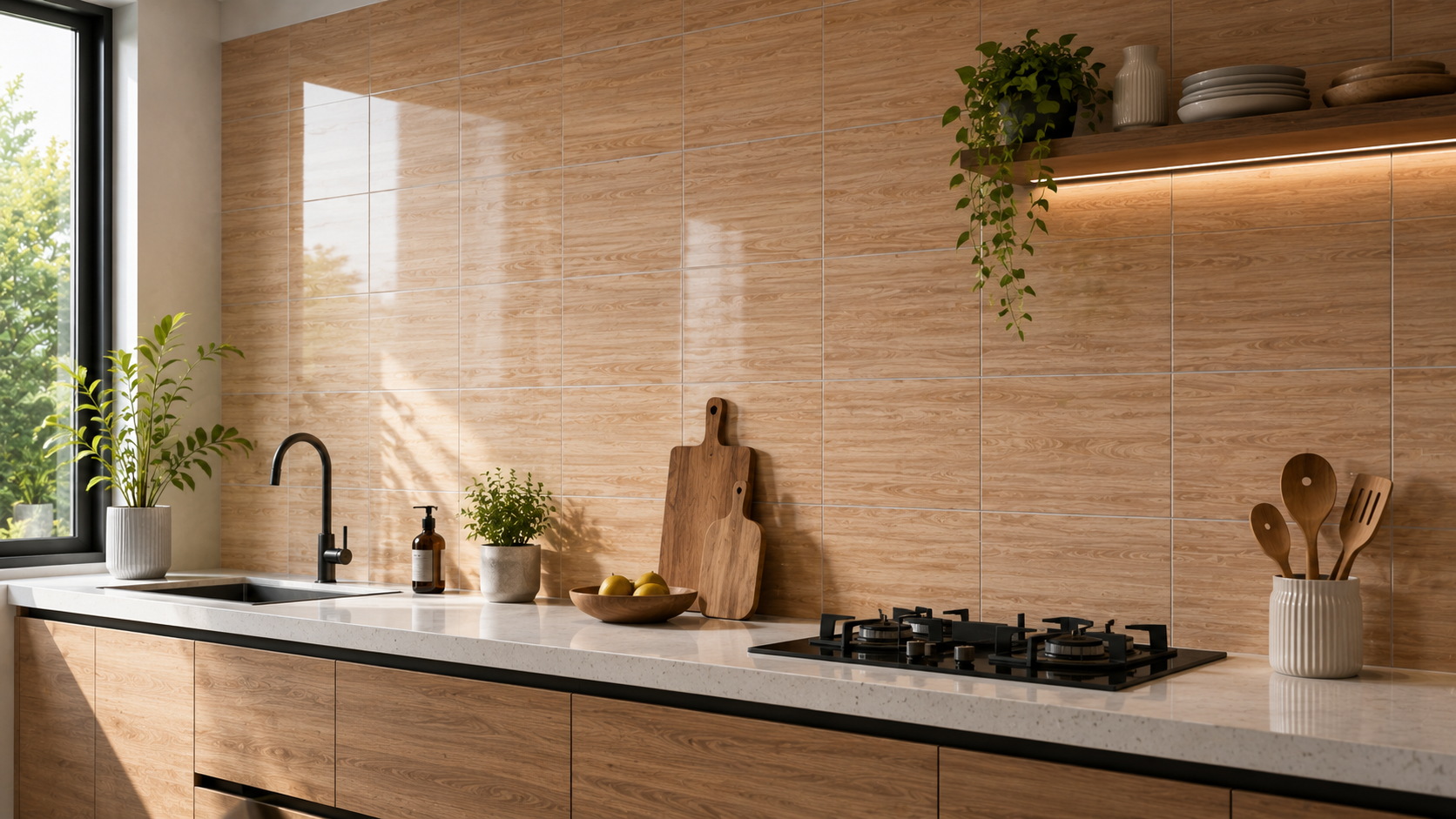
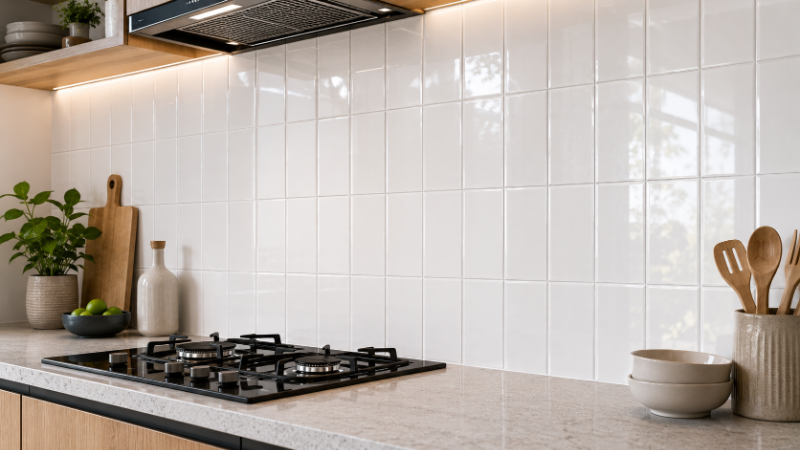
The 300 mm x 450 mm size is particularly well-suited for wall installations. In kitchens across Indian cities like Delhi, Pune, and Hyderabad, these tiles serve as excellent backsplash materials. The rectangular format naturally guides the eye horizontally, creating a sense of spaciousness in compact kitchen areas. The glossy finish makes cleaning effortless—a significant advantage in Indian kitchens where cooking often involves oil and spices.
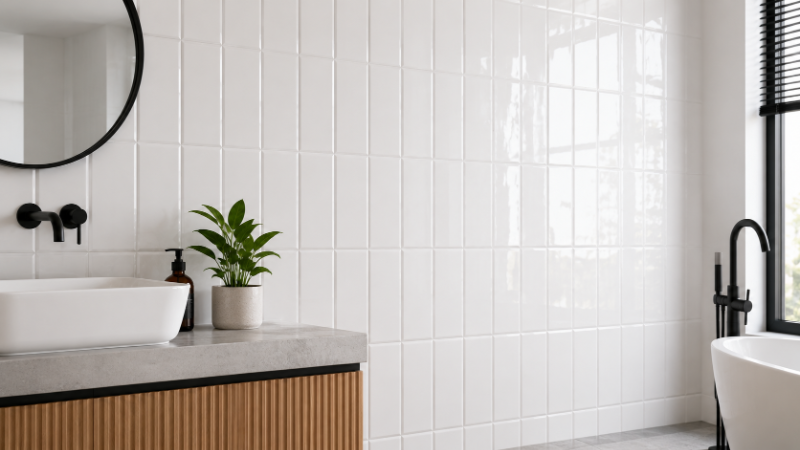
Bathroom walls represent another prime application area. These tiles work beautifully in shower enclosures and wet areas, where the glossy finish provides a moisture-resistant, easy-to-clean surface. The size is large enough to minimize grout lines, reducing maintenance concerns while maintaining visual continuity.
Floor Applications
While glossy finishes are less commonly used for floors due to slip resistance concerns, modern manufacturing has produced improved glossy tiles with better anti-slip properties. In Indian residential projects, these tiles are increasingly used in living areas, bedrooms, and dining spaces where slip resistance is less critical. The glossy surface reflects light upward, contributing to overall brightness and a premium aesthetic.
Commercial and Hospitality Spaces
In commercial applications, 300 mm x 450 mm glossy ceramic tiles are ideal for retail spaces, showrooms, and hospitality establishments. Shopping malls in Bangalore, Delhi, and Mumbai frequently feature these tiles in corridors and display areas. The professional appearance and ease of maintenance make them popular in corporate offices and healthcare facilities as well.
Cost Considerations for the Indian Market
Tile Pricing
The cost of 300 mm x 450 mm glossy ceramic tiles in India varies based on quality, brand, and manufacturing origin. As of 2024, typical pricing ranges from ₹150 to ₹400 per tile for standard quality tiles manufactured by Indian companies. Premium imported tiles or tiles from established Indian manufacturers can range from ₹400 to ₹800 per tile.
To calculate material costs for a project, you need to determine coverage area. One 300 mm x 450 mm tile covers 0.135 square meters. Therefore, for a 100 square meter space, you would require approximately 741 tiles. At average pricing of ₹250 per tile, the material cost alone would be around ₹1,85,000, plus 10-15% additional tiles for wastage and cuts.
Installation Costs
Labor costs for tile installation in India typically range from ₹30 to ₹100 per square foot, depending on the city and complexity of the project. For a medium-complexity installation of 300 mm x 450 mm tiles, expect labor costs of approximately ₹50-70 per square foot. This translates to roughly ₹5,400 to ₹7,500 per 100 square meters.
Additional costs to consider include adhesives, grout, waterproofing materials (essential for wet areas), and surface preparation. Budget an additional ₹50-100 per square meter for these materials.
Installation Guidelines for 300 mm x 450 mm Ceramic Tiles
Surface Preparation
Proper surface preparation is critical for successful tile installation. The substrate must be clean, dry, and structurally sound. For walls, ensure that plaster is fully cured (typically 21 days) before tile installation begins. Any existing loose plaster or paint must be removed. The surface should be level and free from significant deviations—a tolerance of ±3 mm per meter is generally acceptable.
For wet areas like bathrooms and kitchen backsplashes, waterproofing is essential. Apply a quality waterproofing membrane to prevent water infiltration behind the tiles. This step is often overlooked but is crucial for long-term durability in Indian climates with high humidity and monsoon rains.
Adhesive Selection
For 300 mm x 450 mm ceramic tiles, use a polymer-modified cement-based adhesive or thin-set mortar. The larger tile size requires proper support across the entire back surface to prevent lippage (uneven tile edges) and potential cracking. Apply adhesive using a notched trowel with 10 mm x 10 mm teeth, ensuring full coverage of the tile back.
In India's varying climate conditions—from the humid coastal areas of Kerala to the dry regions of Rajasthan—choose adhesives that accommodate thermal expansion and contraction. This prevents tiles from cracking or popping loose over time.
Grout and Finishing
Select an appropriate grout type based on your application. For wet areas, use epoxy or urethane grout, which offers superior water resistance compared to cement-based grout. For dry areas, cement-based grout is typically sufficient and more economical.
Grout joint width for 300 mm x 450 mm tiles typically ranges from 2 mm to 5 mm. Narrower joints (2-3 mm) create a more contemporary look and minimize grout cleaning, while wider joints (4-5 mm) provide more flexibility for thermal movement and can hide minor installation imperfections.
After grouting, allow proper curing time—typically 48-72 hours before exposing the tiled surface to moisture or heavy use. This waiting period is crucial in Indian monsoon regions where humidity levels are high.
Maintenance and Care of Glossy Ceramic Tiles
Daily Cleaning
The glossy finish of these tiles makes daily maintenance straightforward. Simply wipe with a damp cloth or mop using water and mild detergent. The reflective surface shows dust and water spots more readily than matte finishes, so regular cleaning maintains the premium appearance.
For kitchen backsplashes, where oil and cooking residue accumulate, use a pH-neutral cleaner specifically designed for ceramic tiles. Avoid acidic cleaners like vinegar or lemon juice, which can dull the glaze over time.
Long-Term Maintenance
Grout lines require periodic attention, especially in high-moisture areas. In Indian bathrooms and kitchens, mold and mildew can develop in grout if not properly maintained. Use a grout sealer every 1-2 years to protect cement-based grout from moisture penetration and staining.
Inspect tiles periodically for any cracks or loose sections. In areas prone to thermal movement (like south-facing walls in Delhi or Jaipur), small cracks may develop over time. Address these promptly to prevent water infiltration.
Advantages and Disadvantages of 300 mm x 450 mm Glossy Ceramic Tiles
Key Advantages
Aesthetic Appeal: The glossy finish creates a sophisticated, premium appearance suitable for contemporary and traditional design schemes.
Light Reflection: Particularly valuable in Indian urban apartments where natural light is limited, glossy tiles brighten interior spaces effectively.
Easy Maintenance: The non-porous, sealed surface resists staining and requires minimal effort to keep clean.
Versatility: The rectangular 2:3 aspect ratio works well with various layout patterns, from simple running bond to more complex herringbone arrangements.
Durability: Quality ceramic tiles in this size are extremely durable and can last 15-20+ years with proper installation and maintenance.
Cost-Effective: Compared to natural stone alternatives, ceramic tiles offer similar aesthetics at a fraction of the cost.
Potential Disadvantages
Slip Hazard: Glossy finishes can be slippery when wet, making them unsuitable for bathroom floors without anti-slip treatments.
Visibility of Imperfections: The reflective surface highlights dust, water spots, and installation imperfections more readily than matte finishes.
Installation Complexity: The larger size requires more careful installation to avoid lippage and ensure proper adhesive coverage.
Thermal Sensitivity: In Indian climates with significant temperature variations, thermal expansion can cause issues if not properly managed during installation.
Grout Line Maintenance: While fewer grout lines (due to larger tile size) reduces overall maintenance, the lines that do exist require regular care in humid climates.
Comparing with Other Tile Sizes
The 300 mm x 450 mm size occupies a middle ground in the tile size spectrum. Smaller tiles (200 mm x 300 mm) offer more flexibility in pattern creation but require more grout lines and labor. Larger tiles (600 mm x 600 mm or bigger) minimize grout lines further but are more challenging to install and can appear overwhelming in smaller spaces common in Indian urban housing.
For most Indian applications, the 300 mm x 450 mm size represents an optimal balance between aesthetic impact, installation practicality, and cost-effectiveness.
Finding Quality Tiles and Installation Professionals in India
When sourcing 300 mm x 450 mm glossy ceramic tiles for your project, quality matters significantly. Look for tiles manufactured by established Indian companies or reputable international brands with Indian distribution. Check for proper certifications and ensure the tiles meet Indian Standards (IS 15622 for glazed ceramic tiles).
The installation quality is equally important as the tile quality itself. Poorly installed premium tiles will fail prematurely, while properly installed standard-quality tiles can serve reliably for decades. Finding experienced, qualified professionals is crucial for project success.
AECORD, India's leading B2B2C marketplace for AECO professionals, connects you with vetted tile suppliers, contractors, and installation specialists across major Indian cities. Whether you're planning a residential renovation in Bangalore, a commercial project in Mumbai, or a hospitality development in Delhi, AECORD helps you find the right professionals who understand local building codes, climate considerations, and quality standards specific to the Indian market.
Regional Considerations for Indian Projects
Coastal Regions
In coastal areas like Goa, Kerala, and coastal Maharashtra, salt spray and high humidity demand superior waterproofing and corrosion-resistant grout. Ensure all materials meet requirements for saline environments.
Monsoon Regions
For projects in high-rainfall regions like Western Ghats and Northeast India, proper slope and drainage behind tiles is essential. Waterproofing becomes non-negotiable in these areas.
Arid Regions
In Rajasthan, Gujarat, and other arid regions, thermal expansion is a significant concern. Wider grout joints and flexible adhesives help accommodate the substantial temperature variations between day and night.
Conclusion
The 300 mm x 450 mm glossy ceramic tile represents a smart choice for Indian construction professionals seeking to balance aesthetics, functionality, and cost-effectiveness. Its versatile dimensions work well in both residential and commercial applications, while the glossy finish adds a premium touch to any space. Proper installation, appropriate material selection for local climate conditions, and regular maintenance ensure these tiles provide excellent value over their lifespan.
Whether you're specifying these tiles for a kitchen backsplash, bathroom walls, or commercial interiors, understanding their characteristics, installation requirements, and maintenance needs is essential for project success. By partnering with experienced professionals who understand the nuances of Indian construction standards and climate considerations, you can ensure your tiling project achieves both aesthetic and performance objectives.
Ready to find the right tile suppliers and installation experts for your project? Visit AECORD today to connect with vetted AECO professionals in your region who specialize in ceramic tile selection and installation. From material sourcing to expert installation, AECORD simplifies the process of finding qualified professionals for all your construction needs across India.