

Vitrified floor tiles have become the gold standard for modern construction in India, offering an ideal combination of durability, aesthetics, and cost-effectiveness. Whether you're designing a residential apartment in Bangalore, a commercial space in Mumbai, or an industrial facility in Delhi, understanding vitrified tiles is essential for making informed decisions about your flooring investment.
What Are Vitrified Floor Tiles?
Vitrified floor tiles are ceramic tiles that have undergone a special manufacturing process where raw materials are heated at extremely high temperatures (around 1200°C) and then rapidly cooled. This vitrification process creates a non-porous, glass-like surface that is significantly harder and more durable than traditional ceramic tiles.
The term "vitrified" refers to the transformation of the tile's surface into a glass-like substance, which occurs when the tile is exposed to intense heat. This process fundamentally changes the tile's properties, making it superior in water absorption, scratch resistance, and overall longevity compared to conventional ceramic or glazed tiles.
Build cost · Bengaluru, May 2026
Key Characteristics of Vitrified Floor Tiles
Water Absorption Rate
One of the most critical characteristics of vitrified tiles is their extremely low water absorption rate, typically less than 0.5%. This makes them ideal for wet areas like bathrooms, kitchens, and outdoor spaces. In comparison, traditional ceramic tiles can absorb up to 3-6% of water, making them more prone to staining, cracking, and bacterial growth over time.
Durability and Hardness
Vitrified tiles score 8-9 on the Mohs hardness scale, making them scratch-resistant and capable of withstanding heavy foot traffic. This durability is why they're commonly used in commercial establishments, hospitals, shopping malls, and educational institutions across Indian cities like Pune, Hyderabad, and Chennai.
Frequently asked
Stain Resistance
The non-porous nature of vitrified tiles means they resist staining from common household substances like coffee, oil, and colored liquids. This characteristic makes maintenance significantly easier and more cost-effective in the long run.
Aesthetic Appeal
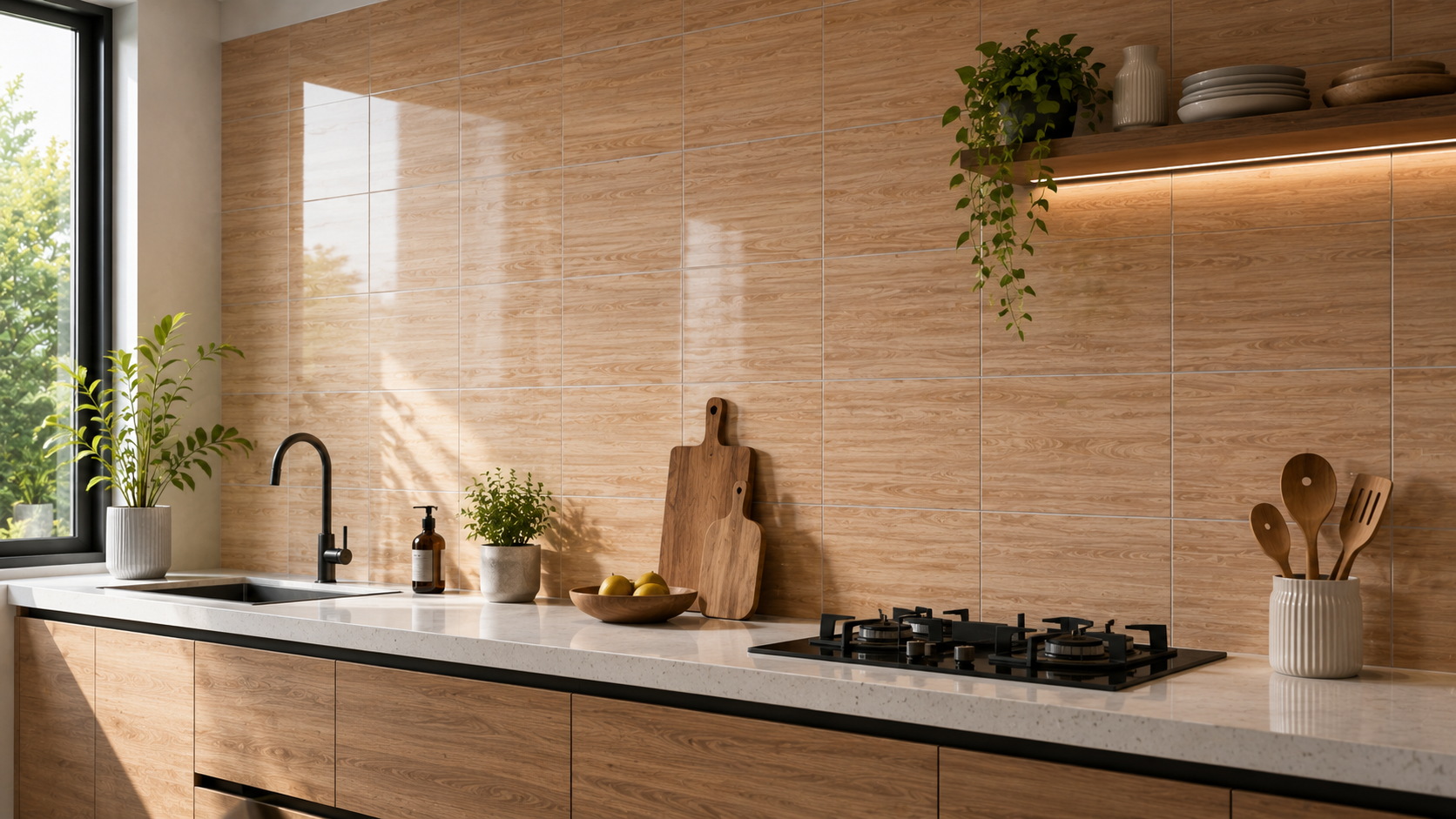
Modern vitrified tiles come in an extensive range of designs, colors, and finishes. From marble-look tiles to wood-grain finishes, they offer architects and designers tremendous creative flexibility while maintaining superior performance characteristics.
Types of Vitrified Floor Tiles
Glazed Vitrified Tiles
These tiles have a glossy or matte glazed finish applied on top of the vitrified surface. They offer enhanced visual appeal and are available in countless design options. However, glazed vitrified tiles can be slippery when wet, so they're better suited for dry areas or spaces with anti-slip coatings.
Unglazed Vitrified Tiles
Unglazed vitrified tiles have a natural, matte finish without any coating. They provide excellent slip resistance, making them ideal for bathrooms, kitchens, and outdoor areas. While they may show footprints more easily than glazed tiles, they're more practical for high-traffic areas and wet zones.
Polished Vitrified Tiles
These tiles undergo a polishing process after vitrification, creating a mirror-like, highly reflective surface. They're excellent for creating an elegant, spacious appearance in living rooms and commercial spaces. However, they require regular maintenance to prevent scratches and maintain their shine.
Textured Vitrified Tiles
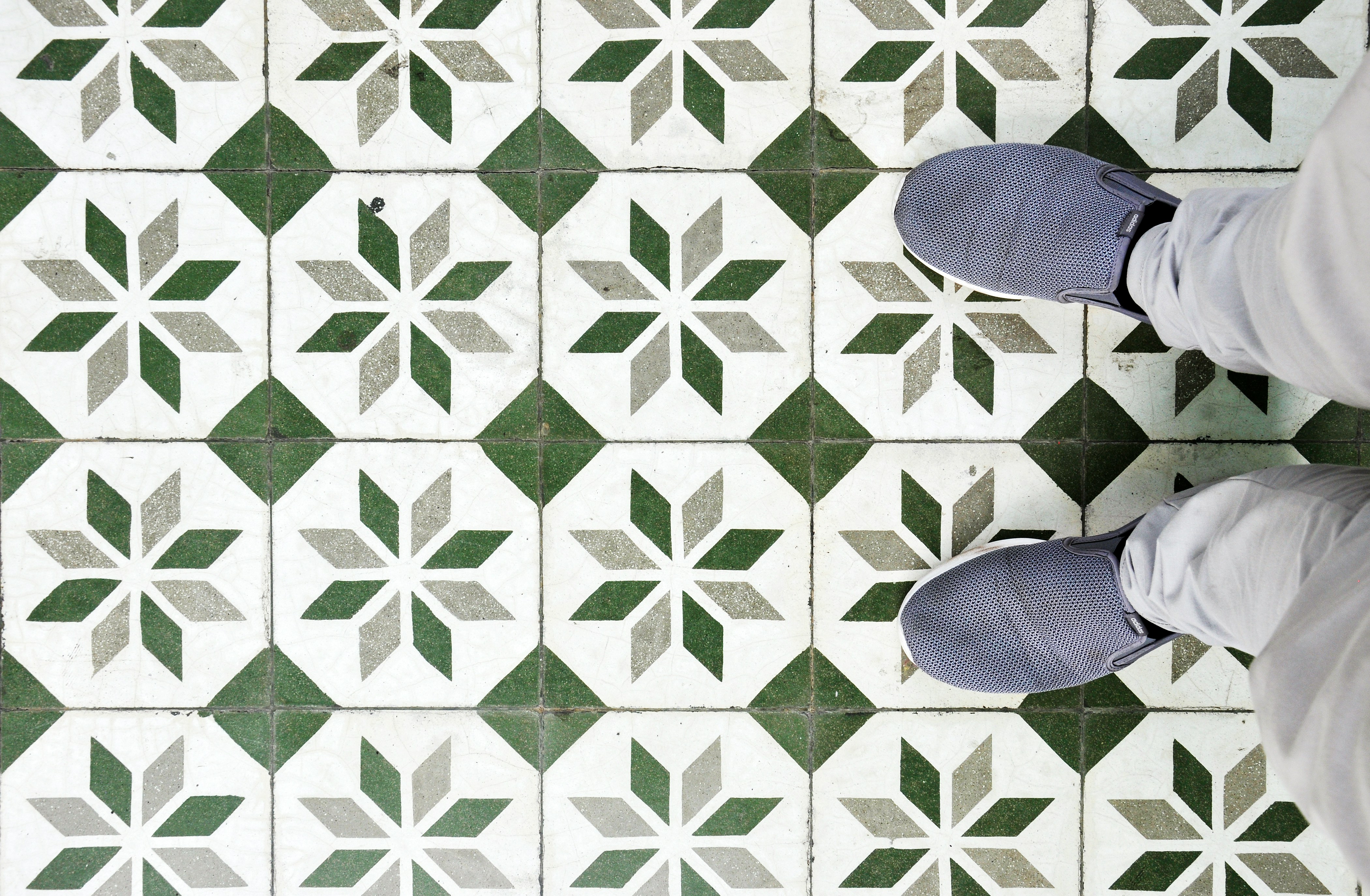
Textured vitrified tiles feature raised patterns or designs on their surface, providing both aesthetic interest and improved slip resistance. They're increasingly popular in Indian residential projects for creating visually dynamic spaces while maintaining safety.
Advantages of Vitrified Floor Tiles
Long-Term Cost Savings
While the initial investment in vitrified tiles might be higher than traditional ceramic tiles, their durability translates to significant long-term savings. A properly installed vitrified tile floor can last 15-20 years or more with minimal maintenance, reducing the need for costly replacements.
Easy Maintenance
Unlike natural stone or traditional ceramic tiles, vitrified tiles require minimal maintenance. Regular sweeping and occasional mopping with mild detergent are usually sufficient. They don't require sealing or special treatments, saving both time and money on maintenance costs.
Hygienic Properties
The non-porous nature of vitrified tiles prevents bacteria, mold, and mildew from penetrating the surface. This makes them ideal for healthcare facilities, food processing units, and homes where hygiene is paramount.
Environmental Resistance
Vitrified tiles are highly resistant to chemical damage, UV radiation, and temperature fluctuations. They won't fade in sunlight and can withstand harsh weather conditions, making them suitable for both indoor and outdoor applications throughout India's diverse climate zones.
Design Versatility
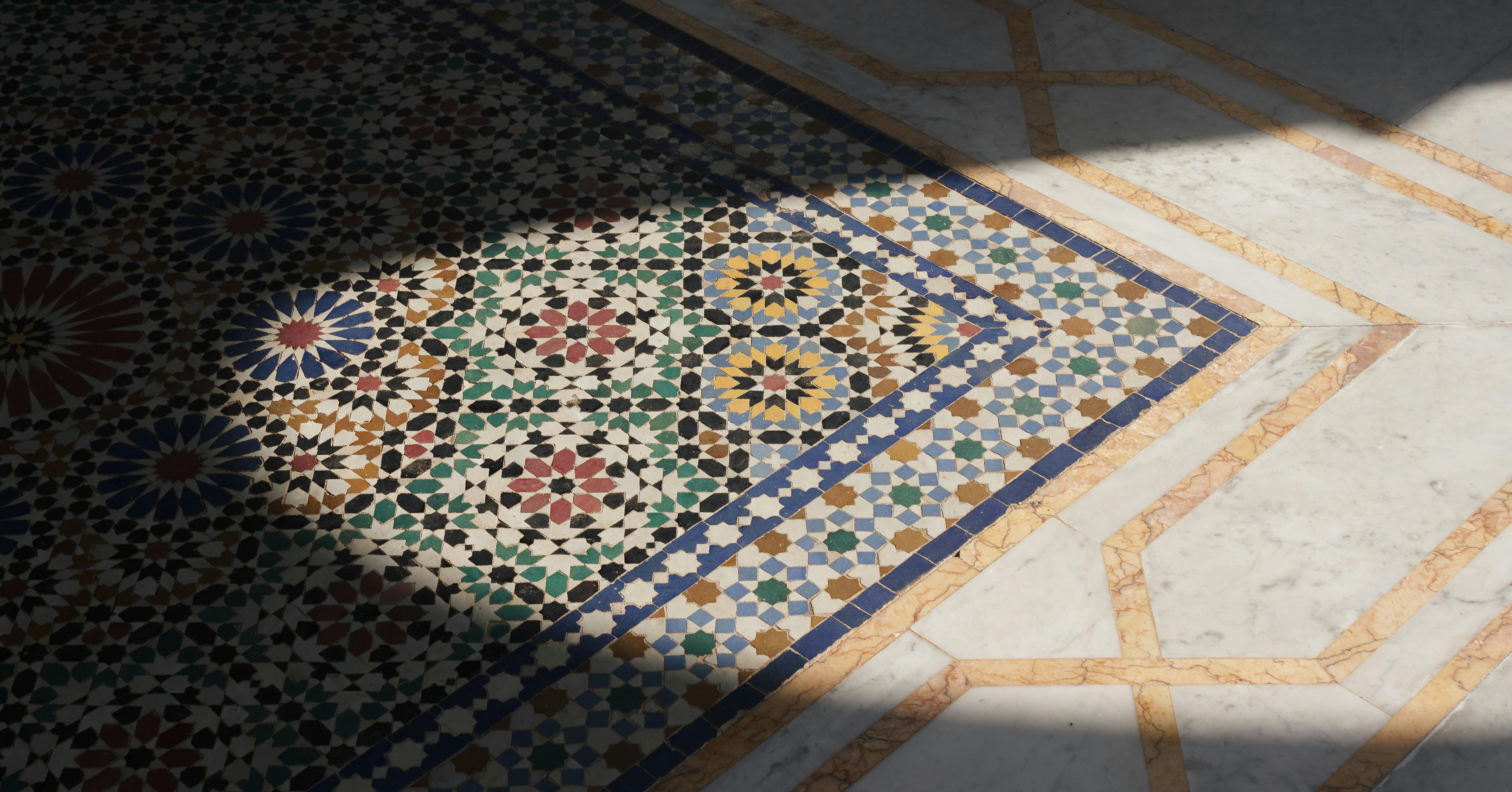
Modern manufacturing techniques allow vitrified tiles to replicate the appearance of expensive materials like marble, granite, and wood. This enables architects and designers to achieve luxury aesthetics at a fraction of the cost, which is particularly valuable in price-sensitive Indian markets.
Disadvantages and Limitations
Slipperiness of Glazed Variants
Glazed vitrified tiles can be slippery when wet, posing a safety risk in bathrooms and kitchens. This limitation can be addressed by using unglazed variants or applying anti-slip coatings, but this adds to the overall project cost.
Installation Complexity
Vitrified tiles are harder and more brittle than ceramic tiles, requiring skilled installation. Improper installation can lead to cracking or chipping. It's crucial to hire experienced professionals for installation, which may increase labor costs in cities like Delhi and Mumbai.
Grout Line Visibility
Unlike natural stone tiles, grout lines are often more visible on vitrified tiles, which can affect the overall aesthetic if not carefully planned. However, this can be minimized by choosing appropriate grout colors and tile sizes.
Vitrified Tiles vs. Other Flooring Options
Vitrified Tiles vs. Ceramic Tiles
While ceramic tiles are less expensive, vitrified tiles offer superior water resistance, durability, and stain resistance. For wet areas and high-traffic zones, vitrified tiles provide better long-term value despite higher initial costs.
Vitrified Tiles vs. Natural Stone
Natural stone tiles like marble and granite offer aesthetic appeal but require regular sealing and maintenance. Vitrified tiles replicate this appearance while being more durable, stain-resistant, and easier to maintain—a significant advantage in India's humid climate.
Vitrified Tiles vs. Wooden Flooring
Wood flooring is warm and aesthetically pleasing but requires regular polishing and is susceptible to moisture damage and termite attacks. Vitrified tiles with wood-grain finishes offer similar aesthetics with superior durability and hygiene, making them increasingly popular in Indian homes.
Vitrified Tiles in the Indian Market
Pricing and Availability
In India, vitrified floor tiles typically range from ₹200 to ₹800 per square foot, depending on design, size, and brand. Premium imported brands and designer tiles can cost significantly more. Installation costs generally add another ₹50 to ₹150 per square foot, varying by location and complexity.
Popular Indian Brands
Major Indian manufacturers like Kajaria, Somany, Nitco, and Asian Granito produce high-quality vitrified tiles at competitive prices. These brands are widely available across major cities and offer excellent warranties and after-sales support.
Regional Preferences
Different Indian regions show distinct preferences for vitrified tile designs. Metropolitan areas like Bangalore and Pune favor contemporary designs and marble-look tiles, while traditional designs remain popular in tier-2 cities. Understanding these preferences is crucial for architects and designers working across different markets.
Installation Best Practices
Surface Preparation
Proper substrate preparation is critical for successful vitrified tile installation. The surface must be clean, level, and stable. Any cracks or unevenness should be addressed before installation to prevent future tile cracking or movement.
Adhesive Selection
Use high-quality cement-based adhesive or thin-set mortar specifically designed for vitrified tiles. The adhesive must be applied evenly with a notched trowel to ensure proper bonding and prevent hollow spots that can cause tiles to crack under pressure.
Grout Application
After the adhesive has set (typically 24-48 hours), apply grout in the joints. Use epoxy grout for better water resistance in wet areas, or cement-based grout for general applications. Proper grout application prevents water penetration and maintains the tile's integrity.
Curing Time
Allow adequate curing time before exposing the floor to heavy traffic or moisture. Most installations require 7-14 days of curing before the floor can be used normally. This patience investment ensures the longevity of your flooring investment.
Maintenance and Care
Daily Cleaning
Regular sweeping removes dust and prevents scratches. Use a soft-bristled broom or microfiber mop to avoid damaging the tile surface. For glazed tiles, a damp mop with mild detergent is usually sufficient.
Stain Removal
Most stains on vitrified tiles can be removed with mild soap and water. For stubborn stains, use a mixture of baking soda and water. Avoid harsh chemicals or acidic cleaners that can damage the tile surface or grout.
Periodic Deep Cleaning
Every 6-12 months, perform a deep clean using appropriate tile cleaners. For textured tiles, use a soft brush to ensure all dirt is removed from the surface texture.
Grout Maintenance
Grout lines can accumulate dirt and mold over time. Periodic cleaning with a grout brush and mild bleach solution (for non-colored grout) helps maintain hygiene and appearance.
Choosing the Right Vitrified Tiles for Your Project
Consider Your Space
Evaluate the specific requirements of your space. High-traffic commercial areas need high-hardness tiles, while residential living rooms can accommodate polished tiles. Wet areas require unglazed or textured variants for safety.
Quality Standards
Look for tiles that meet Indian Standards (IS 15622) for vitrified tiles. These standards ensure consistent quality, durability, and performance. Reputable manufacturers clearly display these certifications.
Design Coordination
Choose tile designs and colors that complement your overall interior design scheme. Modern vitrified tiles offer endless possibilities, from minimalist designs to ornate patterns that can enhance any aesthetic.
Budget Planning
Factor in not just the tile cost but also installation, adhesive, grout, and any additional treatments like anti-slip coatings. A comprehensive budget helps avoid unexpected expenses during the project.
Finding Professional Help
Selecting experienced professionals for tile selection, design consultation, and installation is crucial for project success. If you're looking for architects, engineers, contractors, or tile specialists in your city, AECORD provides a comprehensive platform to connect with qualified AECO professionals across India. Whether you're in Delhi, Mumbai, Bangalore, or any other major Indian city, AECORD can help you find vetted professionals who specialize in vitrified tile installations.
The platform allows you to compare professionals based on experience, past projects, and client reviews, ensuring you make informed decisions for your flooring project. AECORD's marketplace model ensures transparency and quality in the selection process.
Conclusion

Vitrified floor tiles represent an excellent choice for modern Indian construction projects, offering superior durability, aesthetics, and value for money. Their non-porous nature, stain resistance, and ease of maintenance make them ideal for residential, commercial, and industrial applications across India's diverse climate zones.
Whether you're renovating a home in Pune, designing a commercial space in Chennai, or planning an industrial facility in Kolkata, vitrified tiles provide a reliable, long-lasting flooring solution. By understanding their characteristics, advantages, and proper installation practices, you can make informed decisions that will serve your project well for years to come.
Ready to find the right professionals for your vitrified tile project? Visit AECORD today to connect with experienced architects, contractors, and tile specialists who can guide you through every step of your flooring project. Our platform makes it easy to find, compare, and hire qualified AECO professionals in your area.
Frequently Asked Questions
What is the water absorption rate of vitrified floor tiles?
Vitrified floor tiles have an extremely low water absorption rate of less than 0.5%, compared to traditional ceramic tiles that absorb 3-6% of water. This makes them ideal for wet areas like bathrooms and kitchens, as they resist staining, cracking, and bacterial growth.
Are vitrified floor tiles scratch resistant?
Yes, vitrified floor tiles score 8-9 on the Mohs hardness scale, making them highly scratch-resistant and capable of withstanding heavy foot traffic. This durability is why they're commonly used in commercial establishments, hospitals, and shopping malls.
What is the difference between glazed and unglazed vitrified tiles?
Glazed vitrified tiles have a glossy or matte finish with enhanced visual appeal but can be slippery when wet, making them better for dry areas. Unglazed vitrified tiles have a natural matte finish with excellent slip resistance, making them more practical for bathrooms, kitchens, and high-traffic wet areas.
How are vitrified floor tiles manufactured?
Vitrified floor tiles are manufactured by heating raw materials at extremely high temperatures (around 1200°C) and then rapidly cooling them. This vitrification process creates a non-porous, glass-like surface that is significantly harder and more durable than traditional ceramic tiles.
Why are vitrified tiles better than ceramic tiles for flooring?
Vitrified tiles are superior to ceramic tiles because they have lower water absorption rates (less than 0.5%), higher hardness (8-9 on Mohs scale), excellent stain resistance, and greater durability for long-term use. They also require less maintenance and are more cost-effective over time.