

Window Cost Per Sq Ft in India 2026: A Comprehensive Pricing Guide
Windows are a critical component of any building's design, functionality, and energy efficiency. Whether you're constructing a residential apartment in Bangalore, a commercial office in Mumbai, or a retail space in Delhi, understanding window costs is essential for accurate budgeting. In 2026, window pricing in India varies significantly based on materials, quality, location, and installation complexity. This comprehensive guide will help you navigate the current market and make informed decisions for your construction project.
Build cost · Bengaluru, May 2026
Understanding Window Pricing in India
Current Market Overview for 2026
The Indian window market has experienced notable shifts in 2026, driven by inflation, material availability, and increased demand for energy-efficient solutions. Window costs per square foot typically range from ₹400 to ₹3,500 per sq ft, depending on the material and specifications. This wide range reflects the diversity of options available to builders and homeowners across different budget segments.
The window industry in India has matured significantly, with both local manufacturers and international brands competing for market share. This competition has introduced more options but also created confusion about pricing standards. When evaluating window costs, it's crucial to understand what's included in the quoted price—whether it covers just the frame and glass, installation labor, or additional features like hardware and weatherproofing.
Factors Influencing Window Costs
Several key factors determine the final cost of windows for your project:
Material Type: Different materials command different price points
Glass Quality: Standard, tinted, tempered, or insulated glass affects pricing
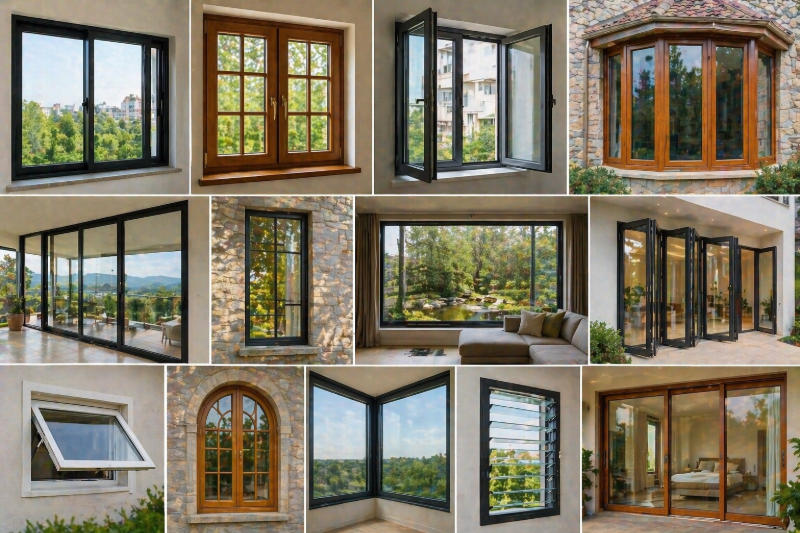
Window Style: Fixed, sliding, casement, or specialty designs vary in cost
Size and Customization: Larger or custom-sized windows cost more
Installation Complexity: High-rise buildings and complex installations increase labor costs
Location: Urban centers like Mumbai and Bangalore have higher costs than tier-2 cities
Brand and Quality: Premium brands command 40-60% higher prices than budget options
Frequently asked
Window Material Options and Pricing
Aluminum Windows
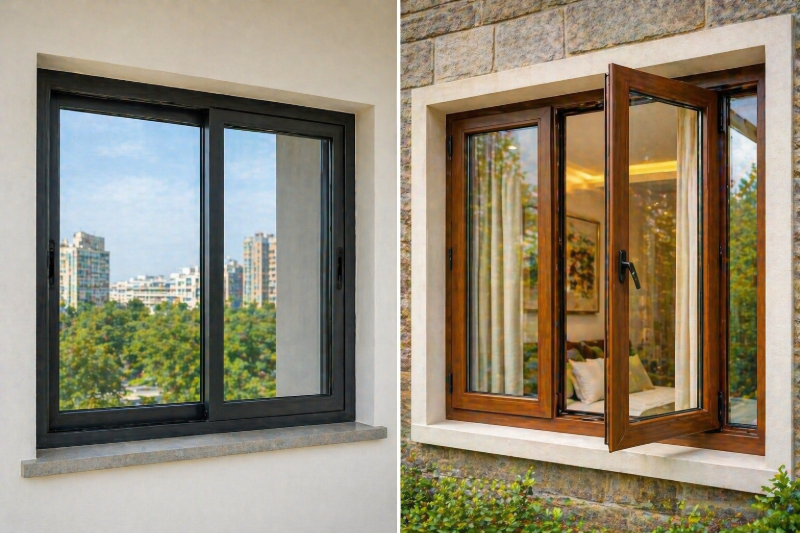
Aluminum windows remain the most popular choice in India due to their durability, low maintenance, and cost-effectiveness. In 2026, aluminum window costs range from ₹500 to ₹1,200 per sq ft for standard quality installations.
Aluminum frames offer excellent structural integrity and can withstand India's diverse climate conditions, from humid coastal areas to dry northern regions. They're lightweight, making installation easier and reducing labor costs. The material doesn't require painting or regular maintenance, which appeals to both residential and commercial property owners.
Budget aluminum windows (₹500-700 per sq ft) use standard 5mm frames with basic hardware. Mid-range options (₹700-1,000 per sq ft) include better hardware, improved sealing, and thermal breaks. Premium aluminum windows (₹1,000-1,200 per sq ft) feature advanced thermal insulation, weather-resistant coatings, and superior hardware from established manufacturers.
uPVC (Unplasticized Polyvinyl Chloride) Windows
uPVC windows have gained significant traction in India's residential sector, particularly in air-conditioned buildings and energy-conscious projects. Current pricing ranges from ₹800 to ₹2,000 per sq ft.
uPVC windows provide excellent thermal and acoustic insulation, making them ideal for commercial buildings and premium residential projects. They're particularly popular in Bangalore, Pune, and Hyderabad, where the demand for energy-efficient buildings is high. The material is eco-friendly, recyclable, and requires minimal maintenance.
Budget uPVC windows (₹800-1,200 per sq ft) offer basic insulation properties. Mid-range options (₹1,200-1,600 per sq ft) include multi-chambered frames and better sealing systems. Premium uPVC windows (₹1,600-2,000 per sq ft) feature advanced insulation, noise reduction, and can be customized with various colors and finishes.
Steel Windows
Traditional steel windows are still used in industrial, institutional, and heritage buildings. Pricing ranges from ₹400 to ₹900 per sq ft.
Steel windows are known for their strength and longevity, often lasting 50+ years with proper maintenance. They're ideal for large-span applications and buildings with significant wind loads. However, they require regular painting and maintenance to prevent rust, which adds to the long-term cost of ownership.
Wooden Windows
Wooden windows, though less common in modern construction, are still used in heritage projects and high-end residential buildings. Costs range from ₹1,500 to ₹3,500 per sq ft.
Premium wooden windows made from teak, rosewood, or other quality timber offer aesthetic appeal and traditional charm. However, they require regular maintenance, including periodic painting and varnishing. The high cost and maintenance requirements make them suitable primarily for heritage conservation projects and luxury residences.
Glass Type and Impact on Window Costs
Standard Float Glass
Standard 4-6mm clear float glass is the most economical option, adding approximately ₹100-200 per sq ft to window costs. It provides basic light transmission and visibility but offers minimal thermal or acoustic insulation.
Tempered Glass
Tempered glass, which is heat-treated for safety, costs ₹150-300 per sq ft more than standard glass. It's mandatory for certain applications like bathroom windows, sliding doors, and low-level windows in commercial buildings as per Indian building codes.
Tinted Glass
Tinted glass, available in various colors (bronze, green, gray), adds ₹200-400 per sq ft to costs. It reduces solar heat gain by 20-40%, making it popular in office buildings across Mumbai, Delhi, and Bangalore. The energy savings can justify the additional investment in hot climates.
Double Glazing and Insulated Glass Units (IGUs)
Double-glazed or insulated glass units with air gaps provide superior thermal and acoustic insulation. These add ₹500-1,200 per sq ft to window costs but can reduce cooling costs by 25-35% in air-conditioned buildings.
IGUs are increasingly popular in commercial buildings and premium residential projects in metropolitan areas. The initial investment is recovered through energy savings within 3-5 years in most cases. Many green-certified buildings in India now mandate IGUs for compliance with energy efficiency standards.
Regional Price Variations in India
Metropolitan Cities
Major metros like Mumbai, Delhi, Bangalore, and Hyderabad command premium prices due to higher labor costs and increased demand for quality materials. Window costs in these cities are typically 15-25% higher than national averages.
In Mumbai, window costs for standard aluminum frames with basic glass range from ₹700-1,000 per sq ft, while premium uPVC windows cost ₹1,500-2,200 per sq ft. Delhi and Bangalore show similar pricing patterns, with slight variations based on local supplier availability.
Tier-2 Cities
Cities like Pune, Ahmedabad, Jaipur, and Chandigarh offer more competitive pricing, with costs typically 10-15% lower than metropolitan areas. Window costs in these cities range from ₹500-900 per sq ft for aluminum and ₹700-1,500 per sq ft for uPVC.
Smaller Towns
In smaller towns and rural areas, basic window options are available at lower prices (₹400-600 per sq ft), but premium materials and specialized options may have limited availability, requiring sourcing from larger cities.
Installation Costs and Labor Considerations
Labor Costs by Project Type
Installation labor typically accounts for 20-30% of total window costs. In 2026, skilled window installation labor costs range from ₹100-300 per sq ft depending on complexity and location.
Simple ground-floor residential installations in smaller towns might cost ₹100-150 per sq ft. Complex high-rise commercial installations in metropolitan areas can cost ₹250-300 per sq ft. The difference reflects the increased safety requirements, equipment needs, and expertise required for challenging installations.
Factors Affecting Installation Costs
Building Height: High-rise installations require scaffolding and safety equipment
Structural Condition: Older buildings may require frame reinforcement
Access Difficulty: Buildings with limited access increase labor complexity
Customization: Non-standard sizes and shapes increase installation time
Weather Conditions: Monsoon seasons may impact project timelines and costs
Budget Planning and Cost Optimization
Typical Window Costs by Building Type
Residential Apartments: Standard residential projects typically use aluminum or basic uPVC windows. Average costs range from ₹600-1,200 per sq ft including installation. A typical 1,200 sq ft apartment with 200 sq ft of window area would incur window costs of ₹1,20,000-2,40,000.
Commercial Office Buildings: Commercial projects often prioritize energy efficiency and aesthetics. Average costs range from ₹1,000-1,800 per sq ft. A 10,000 sq ft office floor with 2,000 sq ft of windows might cost ₹20-36 lakhs.
Retail and Hospitality: These sectors often use larger window areas with specialty glass. Costs typically range from ₹1,200-2,200 per sq ft.
Cost Reduction Strategies
Without compromising quality, several strategies can optimize window costs:
Standardize Sizes: Using standard window sizes reduces customization costs by 15-20%
Bulk Purchasing: Large projects can negotiate 10-15% discounts with manufacturers
Material Selection: Choosing aluminum over uPVC can reduce costs by 20-30% while maintaining quality
Phased Installation: Scheduling installations during off-peak seasons may reduce labor costs
Local Sourcing: Using local manufacturers can reduce transportation and delivery costs
Quality Standards and Certifications
Indian Standards for Windows
Windows in India must comply with IS 2662 (aluminum alloy windows), IS 3755 (uPVC windows), and IS 6532 (steel windows). These standards ensure structural integrity, weather resistance, and safety. Quality windows meeting these standards typically cost 10-15% more than non-compliant options but offer better durability and performance.
Energy Efficiency Ratings
Windows with better energy efficiency ratings (as per NFRC or equivalent Indian standards) command premium prices but offer long-term savings. In Bangalore and Pune, where air conditioning is prevalent, energy-efficient windows can reduce annual cooling costs by ₹5,000-15,000 per apartment.
Future Trends and Price Projections
Smart Windows Technology
Smart windows with electrochromic glass and automated controls are emerging in premium segments. These cost ₹3,000-4,000 per sq ft but offer dynamic thermal control and enhanced user experience.
Sustainable Materials
Eco-friendly window materials and recycled content frames are gaining acceptance. While currently 5-10% more expensive, government incentives and green building certifications are making them increasingly competitive.
Price Outlook for 2026-2027
Based on current trends, window prices are expected to remain relatively stable in 2026, with potential 2-4% annual increases driven by material costs and inflation. Aluminum prices may see slight fluctuations based on global commodity markets, while uPVC prices should remain stable.
Finding Quality Window Suppliers and Installers
Selecting the right supplier and installer is as important as understanding costs. When evaluating options, consider manufacturer reputation, warranty offerings, after-sales service, and customer reviews. Many reputable window manufacturers and installation specialists are available through professional networks and marketplaces specializing in construction materials and services.
Platforms like AECORD connect you with verified window suppliers, manufacturers, and installation professionals across India. Whether you're in Delhi, Mumbai, Bangalore, or Pune, you can find specialists who understand local building codes, climate conditions, and quality standards. AECORD helps you compare quotes, verify credentials, and read genuine reviews from other builders and property owners.
Conclusion
Window costs in India for 2026 vary significantly based on material choice, glass type, location, and installation complexity. While basic aluminum windows start at ₹400-500 per sq ft, premium uPVC or specialty options can exceed ₹2,000 per sq ft. By understanding these cost drivers and planning accordingly, you can optimize your window investment for both immediate budget needs and long-term performance.
For your next construction project, take time to evaluate different options based on your building type, climate, and performance requirements. Connect with experienced window professionals through AECORD to get accurate quotes, understand local market rates, and ensure quality installation. Whether you're building in India's bustling metros or tier-2 cities, the right window selection will enhance your building's aesthetics, functionality, and value for decades to come.
Frequently Asked Questions
What is the average window cost per square foot in India in 2026?
Window costs in India for 2026 range from ₹400 to ₹3,500 per sq ft, depending on material, quality, and specifications. Aluminum windows typically cost ₹500-1,200 per sq ft, while uPVC windows range from ₹800-2,000 per sq ft, making the choice of material a primary cost driver.
Which window material is most cost-effective in India?
Aluminum windows are the most cost-effective option in India, ranging from ₹500-1,200 per sq ft, due to their durability, low maintenance requirements, and ease of installation. They're also lightweight and don't require painting, reducing long-term maintenance costs.
What factors affect window pricing in India?
Key factors include material type, glass quality (standard, tinted, tempered, or insulated), window style (fixed, sliding, casement), size and customization, installation complexity, location (urban vs tier-2 cities), and brand reputation. Premium brands typically cost 40-60% more than budget options.
What's included in window cost quotes in India?
Window cost quotes may vary in what's included—some cover only the frame and glass, while others include installation labor, hardware, and weatherproofing. It's essential to clarify with suppliers whether the quoted price covers all components and labor to avoid budget overruns.
Are uPVC windows more expensive than aluminum windows in India?
Yes, uPVC windows are generally more expensive, ranging from ₹800-2,000 per sq ft compared to aluminum's ₹500-1,200 per sq ft. However, uPVC offers superior thermal and acoustic insulation, making it ideal for air-conditioned buildings and premium residential projects despite the higher cost.