

White cement and putty are essential finishing materials in modern construction, playing a crucial role in achieving aesthetic appeal and durability in both residential and commercial projects across India. Whether you're building a new home in Bangalore, renovating an office in Mumbai, or completing a retail space in Delhi, understanding the properties, applications, and selection criteria for white cement and putty is vital for achieving professional results.

Understanding White Cement: Composition and Properties
White cement is a specialized variant of ordinary Portland cement manufactured with carefully selected raw materials that contain minimal iron oxide and manganese oxide. These trace elements, which give ordinary cement its gray color, are deliberately minimized during the production process to create a bright white product.
Build cost · Bengaluru, May 2026
Manufacturing Process
The production of white cement follows a stringent process that differs from conventional gray cement manufacturing. Raw materials are sourced from deposits with naturally low iron content, often requiring more careful quarrying and selection. The clinker is produced at slightly higher temperatures, and the grinding process uses special equipment to prevent contamination from iron particles. This meticulous approach results in a product that typically costs 3-4 times more than gray cement, with prices in India ranging from ₹800 to ₹1,200 per bag depending on the brand and region. /blog/cladding-tiles
Key Properties of White Cement
White cement offers several distinctive properties that make it valuable for specific applications:
High brightness: Typically 85-90% brightness compared to 50-60% for gray cement
Superior aesthetic appeal: Ideal for visible surfaces and decorative finishes
Better color stability: Maintains brightness over extended periods without yellowing
Excellent workability: Provides smooth, uniform finishes with minimal surface defects
Lower heat of hydration: Generates less heat during setting, beneficial for large concrete pours
Enhanced durability: Offers better resistance to chemical attacks and weathering
White Cement Applications in Indian Construction
Frequently asked
Architectural Finishes
White cement is the preferred choice for architectural concrete finishes, particularly in high-end residential and commercial projects. In cities like Mumbai, Pune, and Hyderabad, developers increasingly specify white cement for exposed concrete surfaces, creating modern aesthetic appeal. When combined with aggregates of specific colors and textures, white cement enables architects to achieve distinctive visual effects that gray cement cannot replicate.
Tile Fixing and Grouting
One of the most common applications of white cement in India is tile fixing and grouting. When used as a base for colored tiles, white cement prevents color bleeding and ensures the true color of tiles is visible. This is particularly important in kitchens, bathrooms, and decorative wall installations across Indian homes. The typical coverage is 3-4 kg of white cement per square meter for wall tiling, making it an economical choice despite higher per-unit costs.
Decorative Elements
Decorative concrete products, including garden elements, architectural panels, and ornamental features, benefit significantly from white cement. Premium residential projects in Bangalore and Gurgaon often incorporate white cement-based decorative features that enhance property value and visual appeal.
Terrazzo and Polished Concrete Flooring
For terrazzo and polished concrete flooring applications, white cement provides the ideal matrix. This is particularly popular in commercial spaces, hospitals, and educational institutions across India, where aesthetic appeal combined with durability is essential. The cost advantage of white cement becomes evident when considering the reduced need for surface treatments and the extended lifespan of the finish.
Introduction to Putty: Types and Characteristics
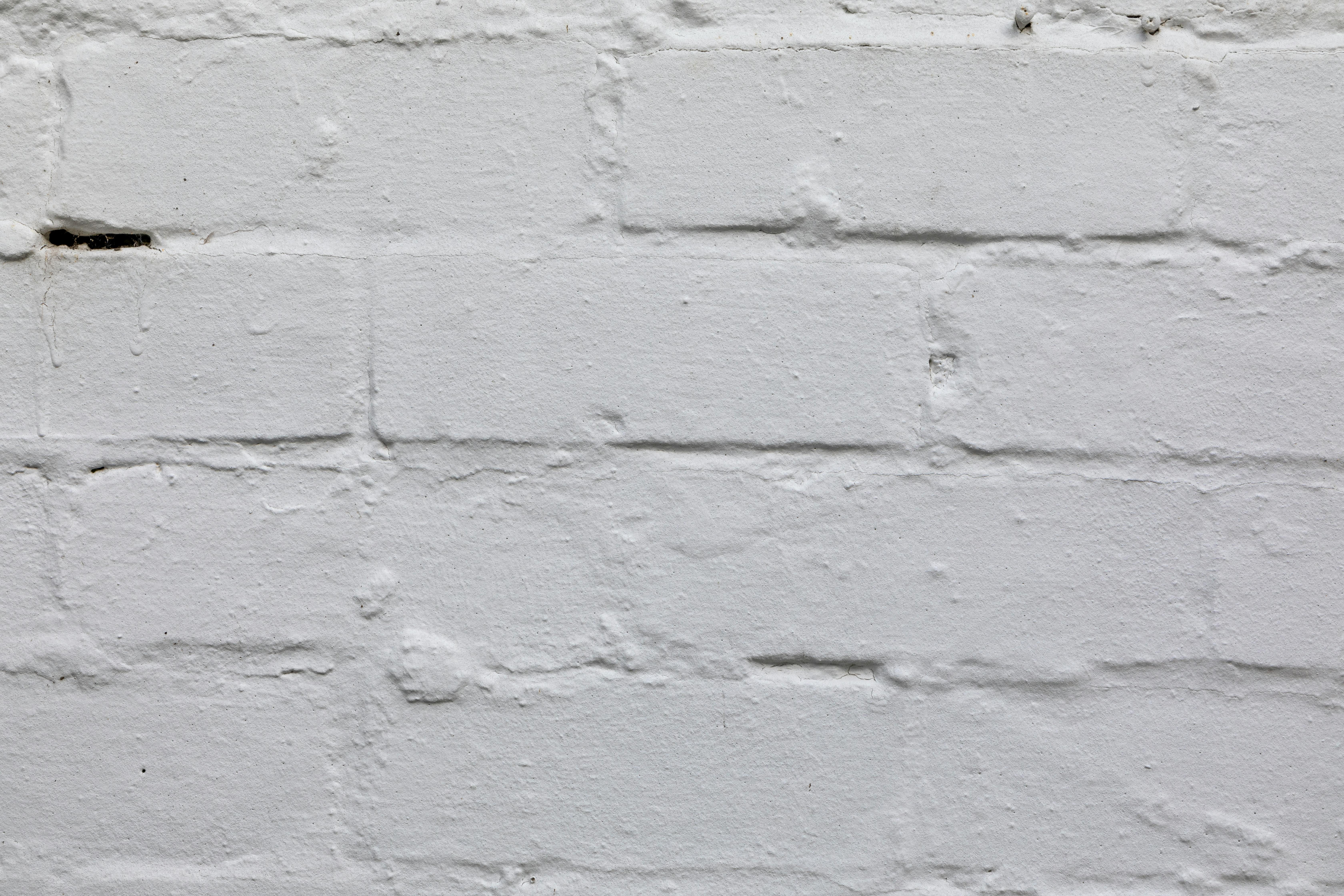
Putty is a fine finishing material applied over cement plaster or concrete surfaces to create a smooth, paint-ready base. It serves as a crucial intermediate layer between rough plaster and decorative paint finishes, ensuring uniform color and texture.
Composition of Wall Putty
Wall putty typically comprises white cement or lime as the binder, combined with mineral fillers such as talc, mica, or marble powder. The formulation ensures excellent adhesion, minimal shrinkage, and superior workability. High-quality putties also include additives that improve water retention and reduce cracking.
Types of Putty Available in India
Cement-based putty: Most commonly used in Indian construction, cement-based putties offer excellent durability and are suitable for both interior and exterior applications. They typically cost ₹250-400 per kg and provide coverage of 8-10 sqft per kg with 2mm thickness.
Lime-based putty: Traditional option that remains popular in heritage conservation projects and specific regional applications. These are more breathable than cement-based alternatives, making them suitable for older buildings.
Gypsum-based putty: Increasingly popular for interior applications, especially in air-conditioned spaces. These putties offer superior finish quality and easier application but are not recommended for exterior or high-moisture areas.
Acrylic putty: Premium option offering enhanced flexibility, water resistance, and durability. Though more expensive (₹500-700 per kg), they provide superior performance in challenging climates and are ideal for commercial projects.
White Cement vs. Gray Cement: Comparative Analysis
The choice between white and gray cement depends on specific project requirements and aesthetic goals. While gray cement is the standard choice for structural work, white cement excels in finishing applications.
Cost Considerations
Gray cement costs approximately ₹250-350 per bag, while white cement ranges from ₹800-1,200 per bag. However, the total cost impact depends on application. For tile fixing in a 1,000 sqft home, the additional cost of white cement might be ₹3,000-5,000, a modest premium for superior aesthetic results.
Aesthetic Performance
White cement provides superior aesthetic results, particularly when colored tiles, decorative finishes, or architectural elements are involved. Gray cement can cause color distortion and is less suitable for visible surfaces in premium projects.
Durability and Maintenance
Both white and gray cement offer comparable structural durability. However, white cement's superior resistance to staining and discoloration makes it preferable for high-visibility areas and in regions with air pollution concerns, common in Delhi, Mumbai, and industrial areas.
Selecting Quality White Cement and Putty Products
Checking for Standards Compliance
In India, white cement should conform to IS 8042:2012, which specifies requirements for white Portland cement. Reputable brands display this certification prominently. Similarly, wall putties should comply with IS 5601 for cement-based wall putties. When sourcing materials through AECORD, you can verify that suppliers provide certified, tested products meeting these standards.
Identifying Genuine Products
The market for white cement and putty in India includes several counterfeit products. Genuine white cement should have consistent bright white color throughout, while inferior products may show gray streaks. Authentic putties from established manufacturers carry clear labeling with batch numbers, manufacturing dates, and expiry information.
Brand Selection and Regional Availability
Established brands like Birla White, JK White, Lafarge White, and Ramco White dominate the Indian market. Regional preferences vary—Birla White is prevalent in North and West India, while Ramco has strong presence in South India. Putty brands include Nippon Paint, Asian Paints, Berger, and several regional manufacturers. Availability and pricing vary significantly across cities, making local sourcing through professionals on AECORD advantageous.
Application Techniques and Best Practices
Preparation of Surfaces
Before applying white cement or putty, surfaces must be properly prepared. Remove all loose material, dust, and efflorescence. For tile fixing, ensure the substrate is clean, dry, and structurally sound. For putty application, the underlying plaster should be cured for at least 7-10 days and free from cracks or loose areas.
Mixing and Consistency
White cement for tile fixing should be mixed to a thick, creamy consistency that adheres well without slumping. Putty should be mixed to a smooth, lump-free paste. Both materials should be used within the pot life specified by manufacturers, typically 4-6 hours for cement-based products.
Application Methods
For tile fixing, apply white cement using a notched trowel to create uniform ridges, ensuring complete coverage of the tile back. For putty, apply in 2-3 coats, allowing each coat to dry before applying the next. Typical application thickness is 2-3mm per coat. Sand between coats for a smooth finish.
Curing and Maintenance
Allow adequate curing time before exposing surfaces to water or heavy loads. Typically, tiles can be grouted after 24-48 hours, and grouting can be done after another 24 hours. Putty requires 7-10 days curing before painting. During curing, avoid direct water spray and maintain moderate temperature and humidity levels.
Cost Analysis and Budget Planning
Material Costs for Typical Projects
For a standard 2,000 sqft residential project in India:
Tile fixing with white cement: ₹15,000-25,000 (depending on tile area and quality)
Putty for interior walls: ₹20,000-35,000 (for 2-3 coats)
Additional cost premium over gray alternatives: ₹8,000-12,000
These costs vary based on location, specific product brands, and application complexity. Commercial projects in metropolitan areas typically have higher material costs but benefit from superior quality and durability.
Labor Costs
Skilled labor for white cement and putty application typically costs ₹150-300 per sqft depending on the city and complexity. Delhi and Mumbai command higher rates than tier-2 cities. When sourcing professionals through AECORD, you can compare rates and qualifications across your region.
Common Challenges and Solutions
Efflorescence and Staining
White surfaces are more susceptible to visible staining. Prevent this by using quality materials, ensuring proper curing, and applying appropriate sealers. Regular maintenance with mild cleaning agents helps preserve appearance.
Cracking and Shrinkage
Excessive cracking in putty applications typically results from inadequate surface preparation, rapid drying, or excessive thickness. Apply putty in thin coats, ensure proper substrate moisture, and maintain moderate temperature and humidity during curing.
Color Inconsistency
Using materials from different batches or brands can result in color variations. Always purchase sufficient quantities from a single batch and store materials in dry conditions to maintain consistency.
Environmental and Health Considerations
White cement and putty are generally safe materials when handled properly. However, dust inhalation during application can cause respiratory issues. Use appropriate personal protective equipment including masks, gloves, and eye protection. Ensure adequate ventilation during application and curing, particularly important in enclosed spaces common in Indian residential construction.
From an environmental perspective, white cement production is energy-intensive. However, its durability and superior performance characteristics often result in lower lifecycle environmental impact compared to alternatives requiring frequent maintenance or replacement.
Regional Variations in Indian Market
The white cement and putty market in India shows significant regional variations. Northern regions prefer cement-based products for exterior applications due to climate conditions. Southern states show higher adoption of acrylic putties in premium residential projects. Coastal regions require products with enhanced weather resistance, influencing product selection and specifications.
Connecting with Professionals on AECORD
Navigating the selection and application of white cement and putty can be complex, particularly for large projects. AECORD connects you with verified contractors, suppliers, and specialists who understand these materials thoroughly. Whether you need advice on product selection, sourcing quality materials, or skilled application, AECORD's network of AECO professionals can provide tailored solutions for your specific project requirements and location.
Conclusion
White cement and putty are indispensable materials for achieving superior aesthetic and functional results in modern Indian construction projects. Understanding their properties, applications, and best practices ensures optimal project outcomes. While the initial investment in quality white cement and putty may be higher than gray alternatives, the superior aesthetic appeal, durability, and reduced maintenance requirements justify the investment in residential and commercial projects across India. By selecting appropriate products, following best practices, and engaging qualified professionals, you can achieve finishes that enhance property value and longevity.
Frequently Asked Questions
What is the difference between white cement and gray cement?
White cement is manufactured from raw materials with minimal iron oxide and manganese oxide, giving it 85-90% brightness compared to gray cement's 50-60%. White cement costs 3-4 times more (₹800-₹1,200 per bag in India) but offers superior aesthetic appeal, better color stability, and enhanced durability for visible surfaces and decorative finishes.
Where should white cement be used in construction projects?
White cement is ideal for architectural finishes, tile fixing and grouting, decorative concrete elements, terrazzo and polished concrete flooring, and premium residential/commercial projects. It's particularly recommended for kitchens, bathrooms, exposed concrete surfaces, and applications where color visibility and aesthetic appeal are critical.
Why is white cement better for tile grouting than gray cement?
White cement prevents color bleeding when used as a base for colored tiles, ensuring the true color of tiles remains visible and vibrant. This is especially important in decorative wall installations and colored tile applications across kitchens and bathrooms in Indian homes.
What are the key properties that make white cement suitable for decorative applications?
White cement offers high brightness (85-90%), superior aesthetic appeal, excellent color stability without yellowing, smooth workability for uniform finishes, lower heat of hydration, and enhanced durability against chemical attacks. These properties make it ideal for architectural finishes and decorative concrete products.
How much white cement is needed for wall tiling projects?
The typical coverage for white cement in wall tiling is 3-4 kg per square meter, making it an economical choice despite its higher per-unit cost compared to gray cement. This coverage rate applies to most standard tile-fixing applications in residential and commercial projects.