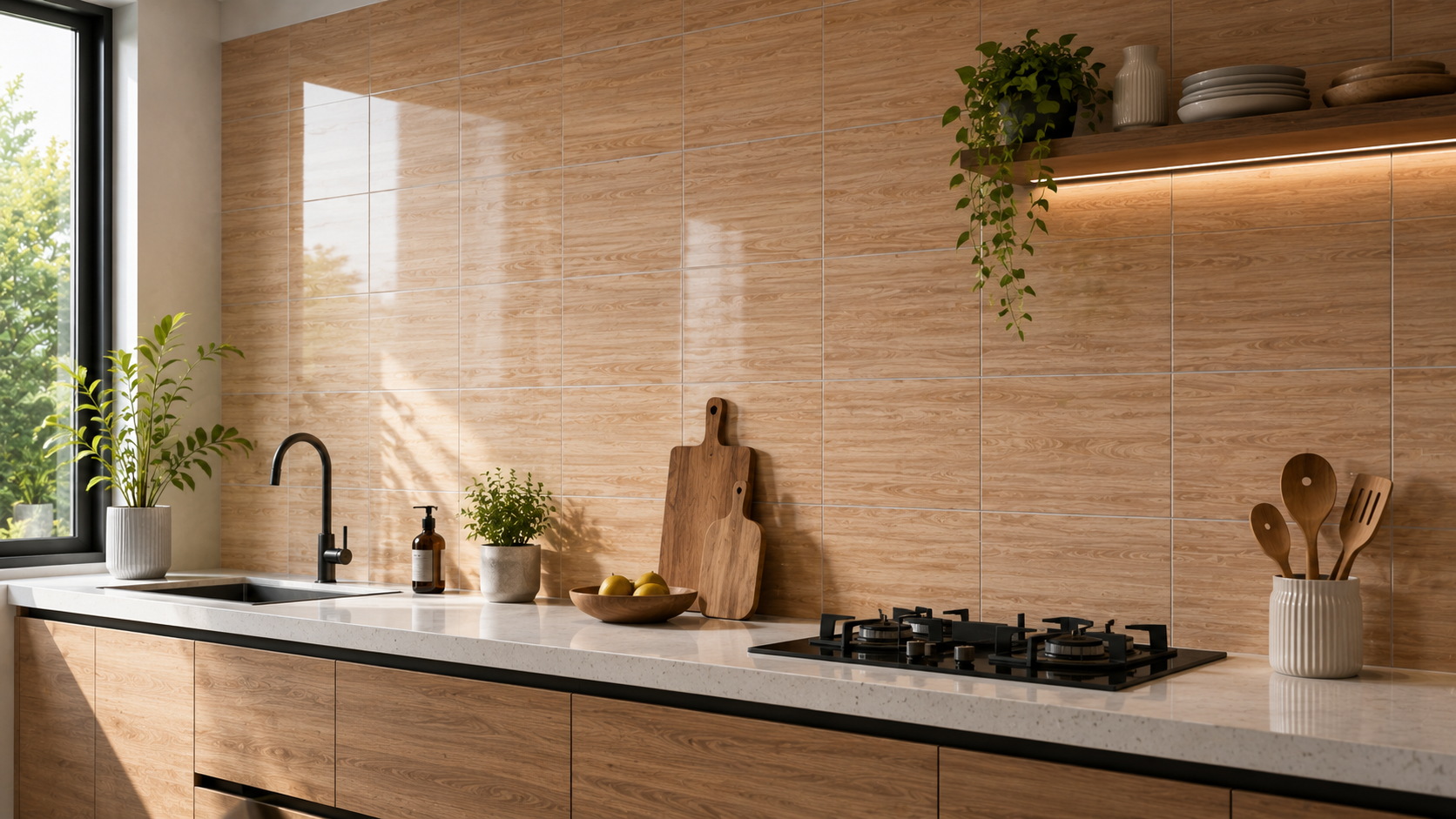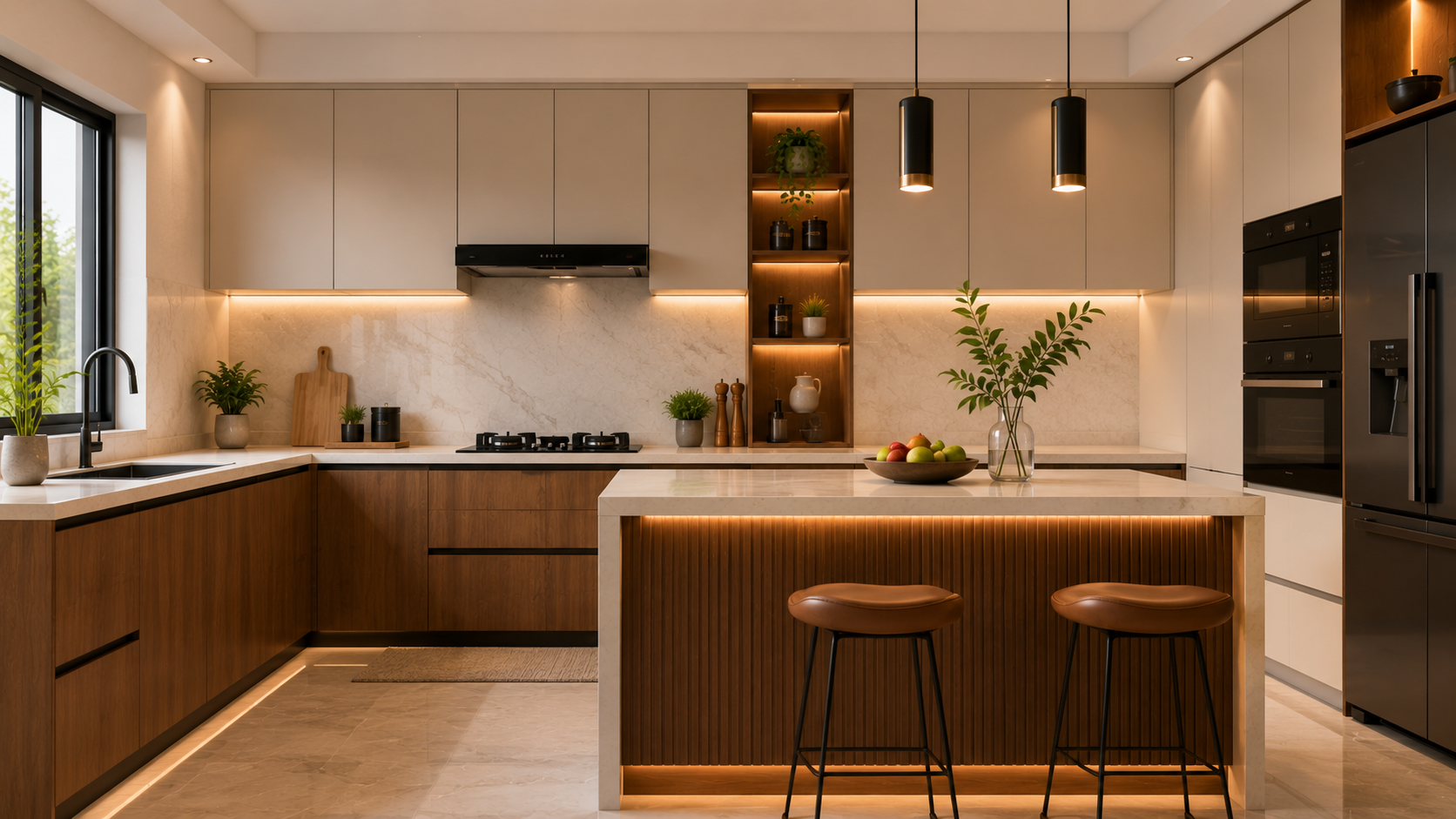


When it comes to flooring solutions for residential and commercial spaces in India, the choice between vitrified and ceramic tiles is one of the most common decisions builders, architects, and homeowners face. Both options have become increasingly popular across Indian cities like Mumbai, Bangalore, Delhi, and Pune, but understanding their differences is crucial for making an informed decision that aligns with your project requirements and budget.
The Indian flooring market has witnessed significant growth, with vitrified tiles and ceramic tiles dominating the market share. However, many professionals and property owners remain confused about which option best suits their specific needs. This comprehensive guide will help you understand the key differences, advantages, and disadvantages of both materials to make the right choice for your next project.
Understanding Ceramic Tiles: Composition and Manufacturing
Ceramic tiles are one of the oldest flooring materials used in construction, with a history spanning thousands of years. In India, ceramic tiles have been a staple in kitchens and bathrooms for decades, and their popularity continues to grow due to their affordability and versatility.
Ceramic tiles are manufactured from a mixture of clay, feldspar, and silica. The raw materials are mixed together, formed into tiles, and then fired in kilns at temperatures ranging from 1,000 to 1,150 degrees Celsius. This firing process gives ceramic tiles their characteristic strength and durability.
Build cost · Bengaluru, May 2026
Key Characteristics of Ceramic Tiles
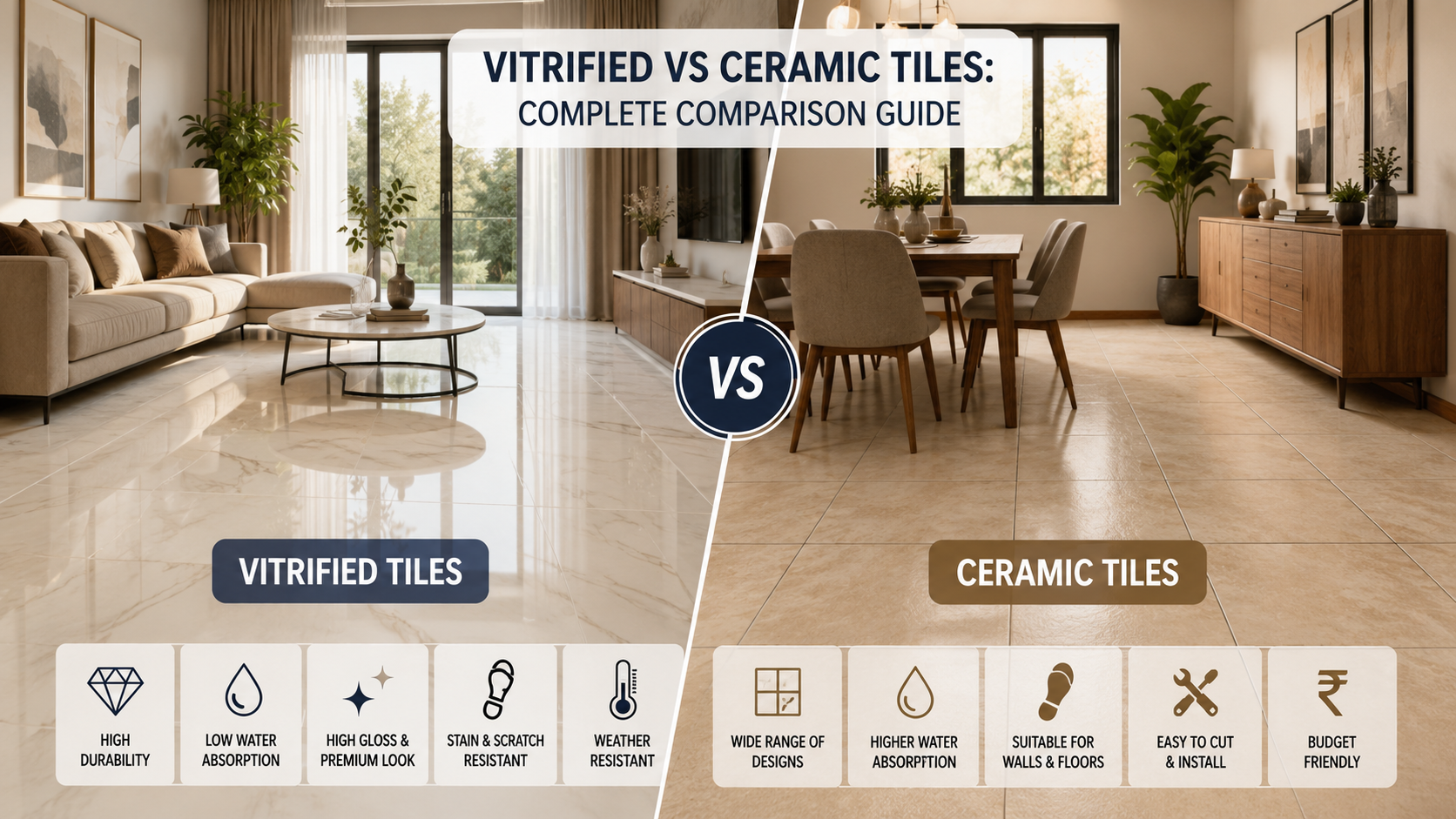
Porous Nature: Ceramic tiles have a porous surface, which means they absorb water and moisture. This makes them suitable for areas with lower moisture exposure.
Thickness: Typically ranging from 7mm to 10mm, ceramic tiles are generally thinner than their vitrified counterparts.
Water Absorption: Ceramic tiles absorb between 0.5% to 3% of water, making them less ideal for areas prone to water accumulation.
Finish Options: Available in glazed and unglazed varieties, ceramic tiles offer diverse aesthetic choices.
Cost-Effectiveness: In the Indian market, ceramic tiles typically cost between ₹50 to ₹150 per square foot, making them budget-friendly.
Understanding Vitrified Tiles: Advanced Manufacturing Process
Vitrified tiles represent a more advanced evolution in tile manufacturing technology. They are created by mixing clay and other raw materials, which are then fired at much higher temperatures (around 1,200 to 1,250 degrees Celsius) compared to ceramic tiles. This higher temperature causes the materials to fuse together more thoroughly, creating a denser, more durable product.
The term "vitrified" refers to the process of turning a material into glass-like substance through heat. This process fundamentally changes the tile's properties, making it significantly different from ceramic tiles.
Key Characteristics of Vitrified Tiles
Non-Porous Surface: Vitrified tiles have an almost non-porous surface with water absorption of less than 0.5%, making them ideal for wet areas.
Superior Durability: The dense composition makes vitrified tiles highly resistant to scratches, stains, and wear.
Thickness: Usually ranging from 8mm to 12mm, vitrified tiles are thicker and sturdier than ceramic tiles.
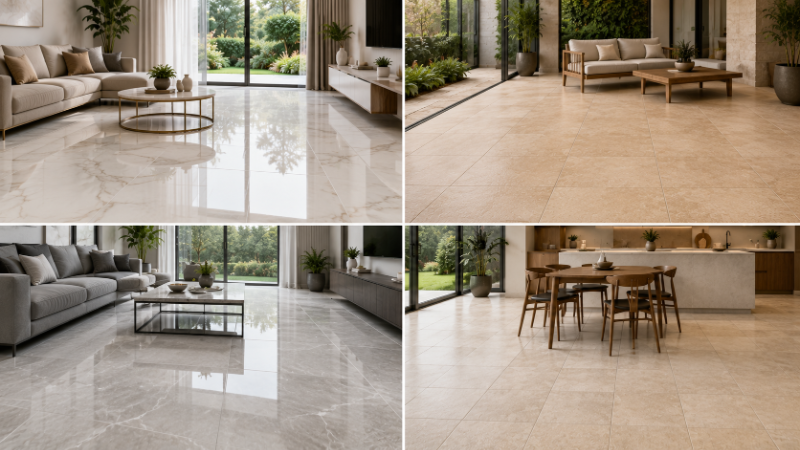
Aesthetic Appeal: Available in numerous designs and finishes, including high-gloss, matte, and textured options.
Cost Range: In India, vitrified tiles typically cost between ₹80 to ₹300 per square foot, depending on design and quality.
Frequently asked
Water Absorption: A Critical Difference
One of the most significant differences between ceramic and vitrified tiles is their water absorption capacity. This factor plays a crucial role in determining where each tile type should be used.
Ceramic tiles, with their porous nature, absorb more water. While this isn't necessarily a drawback in dry areas, it becomes problematic in moisture-rich environments. When ceramic tiles absorb water, they can develop mold, mildew, and stains over time. Additionally, in Indian climates where monsoons bring heavy rainfall, ceramic tiles in exterior areas or poorly ventilated spaces can deteriorate faster.
Vitrified tiles, on the other hand, have minimal water absorption. This makes them ideal for kitchens, bathrooms, and other wet areas. In commercial spaces across Indian cities like Mumbai and Bangalore, where humidity levels can be high, vitrified tiles are often the preferred choice. The non-porous surface also makes them easier to clean and maintain, which is particularly valuable in high-traffic commercial environments.
Durability and Longevity Comparison
When investing in flooring for your home or commercial space, longevity is a critical consideration. The durability of tiles directly impacts maintenance costs and the frequency of replacement.
Ceramic Tiles Durability
Ceramic tiles are durable for moderate-traffic areas. They typically last 10-15 years in residential settings with proper maintenance. However, they are more susceptible to chipping and cracking, especially in high-traffic areas or when exposed to heavy impacts. In Indian homes, ceramic tiles are commonly found in bedrooms and living areas where foot traffic is moderate.
Vitrified Tiles Durability
Vitrified tiles are significantly more durable, with a lifespan of 15-20 years or more. Their dense composition makes them highly resistant to scratches, cracks, and chips. This superior durability makes them an excellent choice for commercial spaces, retail outlets, and high-traffic areas in residential properties. Many commercial establishments in Delhi, Pune, and other Indian metros opt for vitrified tiles specifically because of their longevity and minimal maintenance requirements.
Aesthetic Options and Design Versatility
Both ceramic and vitrified tiles offer extensive design options, but they differ in their aesthetic capabilities and finish quality.
Ceramic Tiles Design Options
Available in vibrant colors and intricate patterns
Offer hand-painted and artisanal designs
Excel in creating traditional and ethnic aesthetics
Glazed finishes provide glossy appearances
More affordable for decorative applications
Vitrified Tiles Design Options
Available in modern, minimalist designs
Offer photographic and 3D printing capabilities
Provide superior finish quality with consistent colors
Available in matte, gloss, and textured finishes
Better suited for contemporary and luxury aesthetics
Large-format options available (up to 120cm x 240cm)
Cost Considerations for Indian Markets
Budget is often a determining factor in tile selection. Understanding the cost implications of both options helps in making economically sound decisions.
Ceramic Tiles Pricing
Ceramic tiles are generally more affordable, ranging from ₹50 to ₹150 per square foot for standard quality. Premium imported ceramic tiles may cost up to ₹200 per square foot. For a 1,000 square foot apartment in Indian cities, ceramic tile flooring might cost between ₹50,000 to ₹1,50,000, depending on quality and design complexity.
Vitrified Tiles Pricing
Vitrified tiles typically range from ₹80 to ₹300 per square foot. Premium brands and large-format vitrified tiles can cost up to ₹400 per square foot. For the same 1,000 square foot space, vitrified tile flooring might range from ₹80,000 to ₹3,00,000. While the initial investment is higher, the superior durability often justifies the additional cost over the long term.
Installation and Maintenance Costs
Installation costs are similar for both tile types, typically ranging from ₹20 to ₹50 per square foot. However, maintenance costs differ significantly. Ceramic tiles require more frequent sealing and are prone to staining, potentially increasing long-term maintenance expenses. Vitrified tiles, being non-porous, require minimal maintenance and no sealing, resulting in lower lifetime costs.
Maintenance and Cleaning Requirements
The maintenance demands of your flooring material directly impact your lifestyle and budget over time.
Ceramic Tiles Maintenance
Regular sealing required to protect against stains and moisture
Grout lines are prone to discoloration and require periodic cleaning
Susceptible to mold and mildew in damp areas
Can be cleaned with mild detergents and warm water
Requires professional deep cleaning annually in humid climates
Vitrified Tiles Maintenance
No sealing required due to non-porous nature
Grout lines remain cleaner and require less frequent attention
Resistant to mold and mildew growth
Easy to clean with basic household cleaners
Minimal maintenance even in high-humidity environments
Suitability for Different Applications
The right choice depends on where and how the tiles will be used. Different spaces have different requirements, and understanding these can guide your decision.
Best Applications for Ceramic Tiles
Bedrooms: Moderate traffic and low moisture exposure make ceramic tiles ideal for bedrooms.
Living Rooms: Ceramic tiles work well in living areas with controlled moisture levels.
Dry Kitchens: In kitchens with minimal water exposure, ceramic tiles are suitable and cost-effective.
Interior Walls: Ceramic tiles are excellent for wall applications in bathrooms and kitchens.
Best Applications for Vitrified Tiles
Kitchens: High moisture and frequent spills make vitrified tiles perfect for kitchen floors.
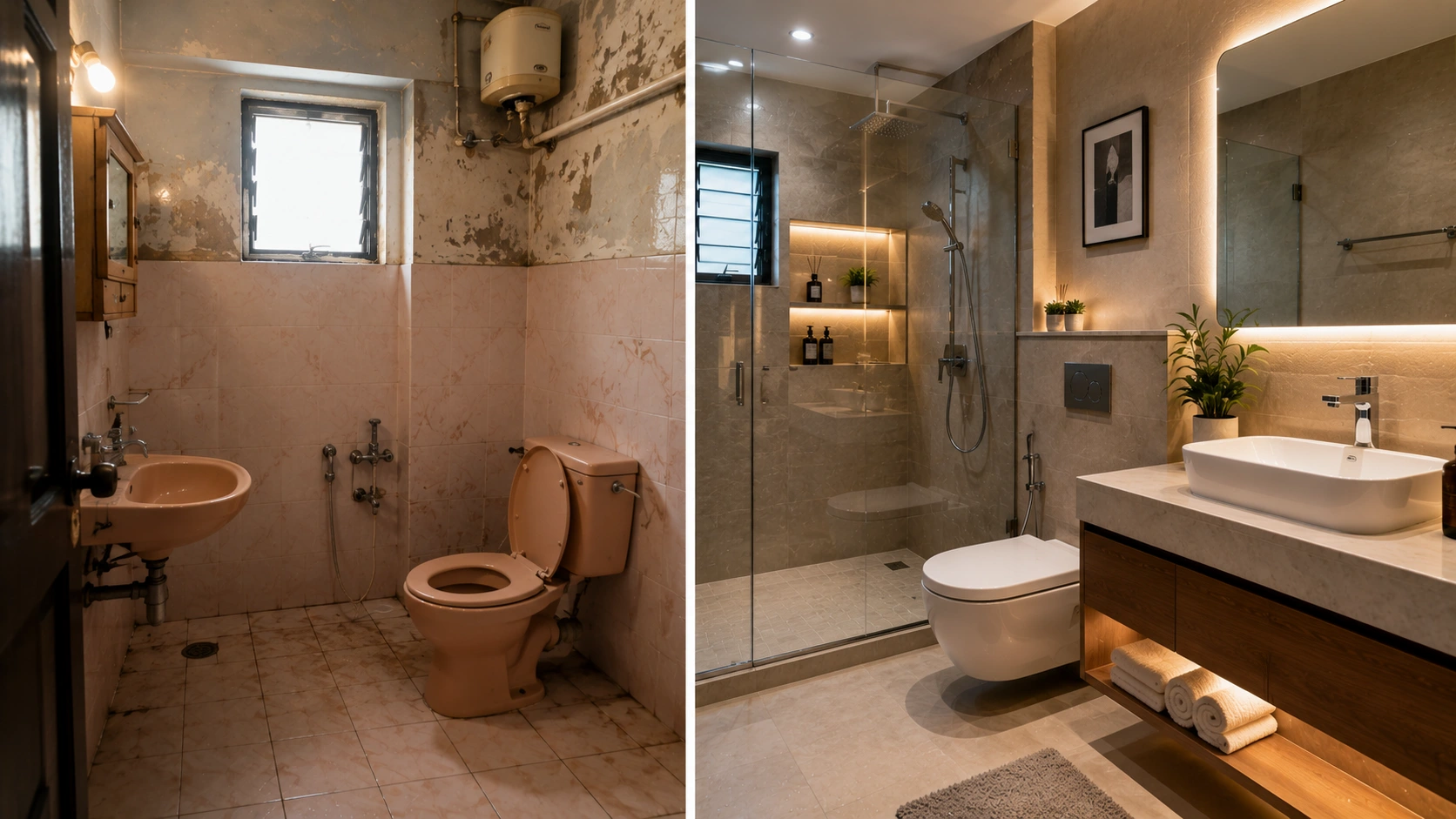
Bathrooms: Wet areas require the non-porous properties of vitrified tiles.
Commercial Spaces: Retail stores, offices, and restaurants benefit from vitrified tiles' durability.
Outdoor Areas: Balconies and patios in Indian monsoon climates suit vitrified tiles.
High-Traffic Zones: Hallways and entryways in residential and commercial properties.
Climate Considerations for India
India's diverse climate zones significantly impact tile performance. From the humid coastal regions of Kerala and Maharashtra to the dry climate of Rajasthan, environmental factors should influence your choice.
In coastal cities like Mumbai and Kochi, where humidity is consistently high, vitrified tiles are recommended due to their moisture resistance. In dry regions like Delhi and Jaipur, both options perform adequately, but vitrified tiles still offer superior longevity. During monsoon seasons across the country, vitrified tiles prevent water damage and mold growth more effectively than ceramic tiles.
Environmental and Health Considerations
Both ceramic and vitrified tiles are environmentally friendly compared to some other flooring options. However, there are subtle differences worth considering.
Ceramic tiles are made from natural clay and minerals, making them biodegradable and recyclable. Vitrified tiles, while also made from natural materials, require higher temperatures for manufacturing, consuming more energy. However, their longer lifespan means fewer replacements over time, potentially offsetting the higher manufacturing impact.
From a health perspective, both are non-toxic and hypoallergenic. Ceramic tiles' porous nature might harbor bacteria if not properly sealed, while vitrified tiles' non-porous surface is more hygienic for spaces where cleanliness is paramount, such as hospitals and food preparation areas.
Making Your Final Decision
Choosing between ceramic and vitrified tiles requires considering multiple factors: your budget, the specific application, climate conditions, maintenance preferences, and aesthetic requirements.
For budget-conscious homeowners in Indian cities looking for basic flooring in moderate-traffic areas, ceramic tiles offer excellent value. For those seeking durability, minimal maintenance, and suitability for wet areas or commercial applications, vitrified tiles are the superior choice despite higher initial costs.
When planning your construction or renovation project, consulting with experienced architects and builders can provide valuable insights specific to your location and requirements. Professionals on AECORD can help you navigate these decisions and connect you with quality tile suppliers and installation experts across India.
Conclusion
Both ceramic and vitrified tiles have their place in India's construction landscape. Ceramic tiles remain popular for their affordability and aesthetic appeal, while vitrified tiles are increasingly chosen for their superior performance and durability. Your decision should align with your specific needs, budget, and the environmental conditions of your space.
Whether you're renovating a home in Bangalore, constructing a commercial space in Mumbai, or planning a retail outlet in Pune, understanding these differences ensures you make a choice that you'll be satisfied with for years to come. Consider consulting with experienced professionals who can assess your specific requirements and recommend the most suitable option.
Ready to find the right professionals for your tiling project? Explore AECORD's network of architects, contractors, and tile specialists who can help you select and install the perfect flooring solution for your space. Connect with vetted professionals on AECORD today and get expert guidance tailored to your project needs and local market conditions.