

Prefabricated construction, commonly known as prefab or modular construction, is revolutionizing the way buildings are constructed in India. This innovative approach involves manufacturing building components in controlled factory environments and then assembling them on-site, significantly departing from traditional construction methods. As India's construction industry faces challenges like labor shortages, rising costs, and tight project timelines, prefabricated construction offers a promising solution that combines efficiency, quality, and sustainability.
Understanding Prefabricated Construction
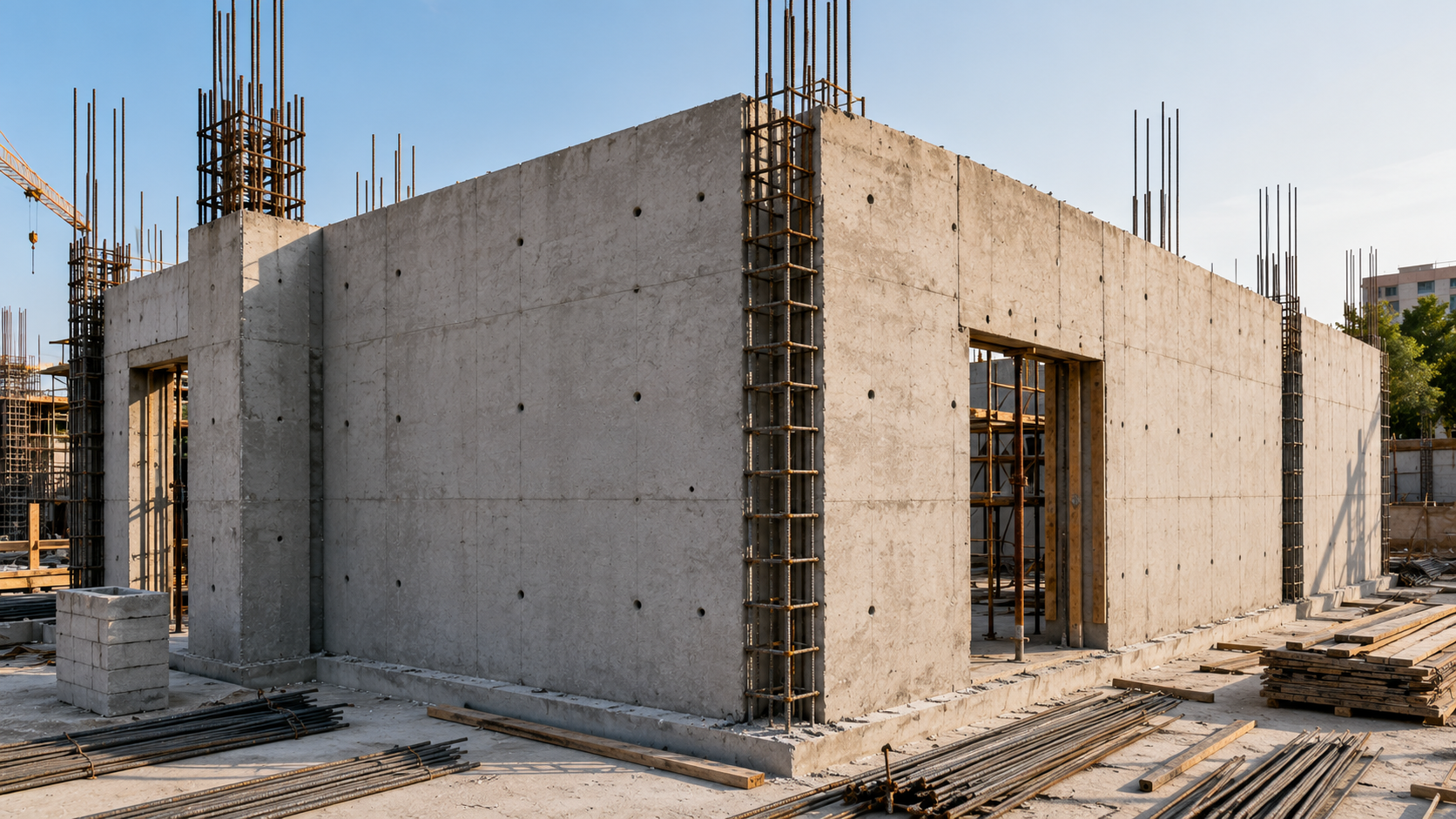
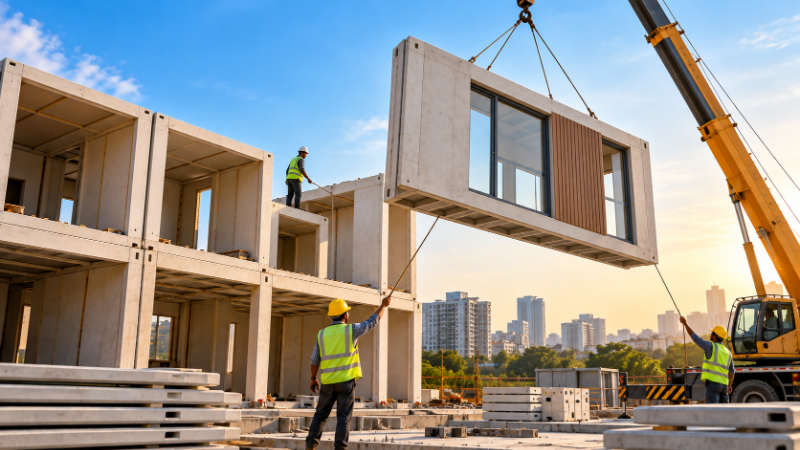
Prefabricated construction is a method where building components—such as walls, floors, roof systems, and even entire modules—are manufactured off-site in factories and then transported to the construction site for assembly. This approach differs fundamentally from conventional on-site construction, where materials are assembled piece by piece at the project location.
The process involves several stages: design and planning, factory manufacturing, quality control, transportation, and on-site assembly. Each component is produced under controlled conditions, ensuring consistency and precision that's often difficult to achieve in traditional construction environments.
In India, prefabricated construction is gaining traction in sectors ranging from residential buildings in metropolitan areas like Bangalore and Mumbai to commercial spaces and affordable housing projects. Companies and developers are increasingly recognizing that this method can address some of the most pressing challenges in the Indian construction sector.
Build cost · Bengaluru, May 2026
Improved Safety
Factory-based production inherently reduces on-site safety hazards. Workers operate in controlled environments with proper safety protocols, reducing accident rates and associated costs. This is a significant advantage in India, where construction site safety remains a Key Benefits of Prefabricated Construction
Significantly Reduced Construction Timeline
One of the most compelling advantages of prefabricated construction is the dramatic reduction in project duration. Traditional construction in India typically takes 18-36 months for medium-sized residential or commercial projects. Prefabricated construction can reduce this timeline by 30-50%, depending on project complexity.
For example, a residential complex in Bangalore that would traditionally take 24 months using conventional methods might be completed in 12-15 months using prefabrication. This acceleration occurs because manufacturing and on-site assembly happen simultaneously, rather than sequentially. Workers don't need to wait for concrete to cure or for weather conditions to improve—factory production continues regardless of external factors.
Enhanced Quality Control
Factory-based manufacturing ensures consistent quality across all components. Each prefabricated element undergoes rigorous testing and inspection before leaving the facility. This level of quality control is challenging to maintain on traditional construction sites, where variables like weather, worker expertise, and site conditions can significantly impact output quality.
In India's construction sector, where quality inconsistencies are common, prefabrication offers a standardized approach that reduces defects and rework, ultimately saving time and money.
Frequently asked
Substantial Cost Savings
While the initial investment in prefabricated construction might appear higher, the overall project costs are typically 15-25% lower than conventional construction. These savings come from:
Labor cost reduction: Prefabrication requires fewer on-site workers, reducing labor expenses by 20-30%
Material waste minimization: Factory production generates 50-60% less waste compared to traditional construction
Faster project completion: Reduced timeline means lower financing costs and earlier revenue generation
Reduced rework: Higher quality standards mean fewer corrections and modifications
For a ₹10 crore residential project in Delhi, prefabrication could save ₹1.5-2.5 crores when accounting for all these factors.
Sustainability and Environmental Benefits
Prefabricated construction is inherently more sustainable. The controlled factory environment allows for:
Precise material calculation, reducing waste by up to 60%
Better management of construction debris and recyclable materials
Reduced energy consumption compared to traditional methods
Lower carbon footprint due to shorter construction periods and optimized logistics
As India pushes toward sustainable development goals and green building certifications become more common, prefabrication aligns perfectly with these objectives.
Weather Independence
In India, monsoon seasons and extreme weather conditions can halt construction for weeks or months. Prefabricated components are manufactured in controlled environments, completely insulating the production schedule from weather disruptions. This is particularly valuable in cities like Mumbai, Pune, and Hyderabad, where monsoons significantly impact construction timelines.concern.
Limitations and Challenges of Prefabricated Construction in India
High Initial Capital Investment
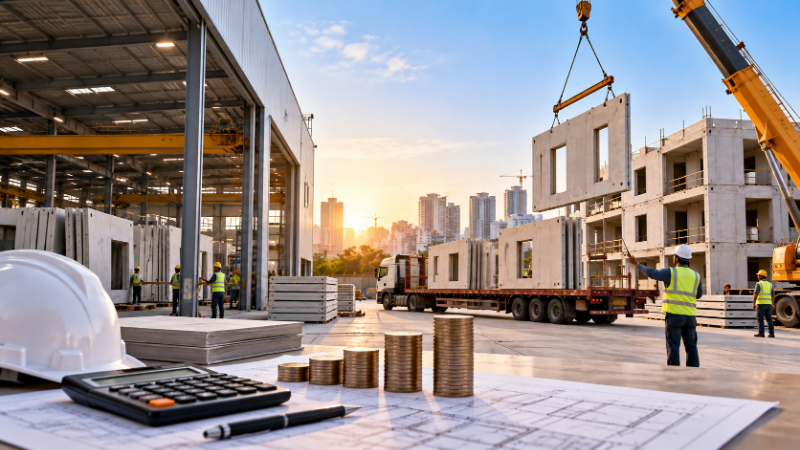
Establishing prefabrication facilities requires substantial upfront investment in machinery, technology, and infrastructure. This capital barrier has limited the adoption of prefabrication in India, particularly among smaller construction companies. A prefabrication plant in India can cost ₹20-50 crores depending on capacity and technology sophistication.
Limited Skilled Workforce
India's construction industry traditionally relies on manual labor. The transition to prefabricated construction requires workers trained in operating specialized equipment and quality control systems. This skills gap remains a significant hurdle, particularly in tier-2 and tier-3 cities.
Transportation and Logistics Challenges
India's infrastructure, while improving, still presents challenges for transporting large prefabricated components. Road conditions, weight restrictions on certain routes, and the need for specialized transportation equipment can increase logistics costs. Moving bulky wall or floor panels from a factory in Bangalore to a site in Hyderabad requires careful planning and can add 10-15% to project costs.
Design Standardization Constraints
Prefabricated construction works best with standardized, repetitive designs. Complex architectural requirements or highly customized projects may not be ideal for prefabrication. This limitation can be problematic in India, where architectural diversity and custom requirements are common, particularly in high-end residential and commercial projects.
Regulatory and Code Compliance Issues
Indian building codes and regulations are still evolving regarding prefabricated construction. Different states have different requirements, and some local authorities remain skeptical of prefabricated methods, creating approval delays and uncertainty. Standardized building codes for prefabrication across India would accelerate adoption.
Limited Market Awareness
Many developers, architects, and homebuyers in India remain unfamiliar with prefabricated construction. Misconceptions about quality, durability, and aesthetics persist. Building awareness and demonstrating successful projects is crucial for market expansion.
Cost Analysis of Prefabricated Construction in India
Comparative Cost Breakdown
Let's examine a typical mid-rise residential project (G+15) in Pune with 200 units:
Traditional Construction Costs:
Land and preliminaries: ₹10 crores
Labor: ₹15 crores
Materials: ₹20 crores
Equipment and machinery: ₹3 crores
Overhead and contingency: ₹7 crores
Total: ₹55 crores | Timeline: 24 months
Prefabricated Construction Costs:
Land and preliminaries: ₹10 crores
Prefabrication facility setup/usage: ₹4 crores
Materials: ₹18 crores (10% waste reduction)
Transportation and logistics: ₹2 crores
On-site labor (reduced): ₹9 crores
Overhead and contingency: ₹5 crores
Total: ₹48 crores | Timeline: 15 months
This example shows a 12.7% cost reduction (₹7 crores savings) and a 37.5% timeline reduction (9 months faster).
Component-Wise Cost Variations
Different prefabricated components have varying cost implications:
Prefabricated walls: 5-10% premium over traditional construction, but labor savings offset this
Prefabricated floor systems: 8-15% premium, with significant timeline and quality benefits
Modular bathrooms/kitchens: 15-20% premium, but complete quality assurance
Roof systems: 10-12% premium with excellent weatherproofing guarantees
Applications of Prefabricated Construction in India
Residential Projects
Prefabrication is increasingly used in residential developments, particularly in affordable housing schemes and mid-income housing projects. Cities like Bangalore, Hyderabad, and Pune have seen successful implementation. Prefabricated construction is ideal for repetitive residential units where standardization provides maximum benefits.
Commercial and Office Spaces
IT parks and commercial complexes benefit significantly from prefabrication. Companies like those in Bangalore's tech corridors can occupy spaces faster, reducing time-to-market for their operations.
Healthcare and Educational Facilities
Hospitals and educational institutions often require rapid deployment. Prefabricated construction enables faster completion of these critical infrastructure projects.
Affordable Housing Schemes
Government initiatives like Pradhan Mantri Awas Yojana (PMAY) can leverage prefabrication to achieve scale and cost-effectiveness, making affordable housing more viable across Indian cities.
Future Outlook for Prefabricated Construction in India
The prefabricated construction market in India is poised for significant growth. Industry experts project a CAGR of 12-15% over the next five years. Several factors will drive this growth:
Increasing labor costs and shortages
Growing demand for sustainable construction
Technological advancements in manufacturing and logistics
Government support for innovative construction methods
Rising awareness among developers and homebuyers
As more successful projects are completed and industry standards mature, prefabricated construction will become mainstream in India's construction sector.
How AECORD Connects You with Prefabrication Experts
If you're considering prefabricated construction for your project, finding the right professionals is crucial. AECORD, India's leading B2B2C marketplace for AECO professionals, connects you with experienced architects, engineers, and construction specialists who have expertise in prefabricated construction methods.
Whether you need design consultation, cost estimation, or implementation support, AECORD provides access to vetted professionals across major Indian cities including Bangalore, Mumbai, Delhi, Pune, Hyderabad, and Chennai. These experts can guide you through the complexities of prefabrication, from regulatory compliance to logistics planning.
Conclusion
Prefabricated construction represents a significant evolution in India's building industry. While it presents clear benefits—reduced timelines, cost savings, improved quality, and sustainability—it also comes with challenges that require thoughtful planning and expert guidance. The key to successful prefabrication projects lies in understanding both the opportunities and limitations, selecting appropriate projects for this method, and partnering with experienced professionals.
As India continues to urbanize and construction demands grow, prefabricated construction will play an increasingly important role in meeting these needs efficiently and sustainably. Projects that embrace this methodology today are positioning themselves as industry leaders, delivering superior results to clients and stakeholders.
Ready to explore prefabricated construction for your next project? Connect with specialized AECO professionals on AECORD who can provide expert guidance tailored to your specific requirements and location. Find vetted architects, engineers, and construction managers with proven experience in prefabrication today.