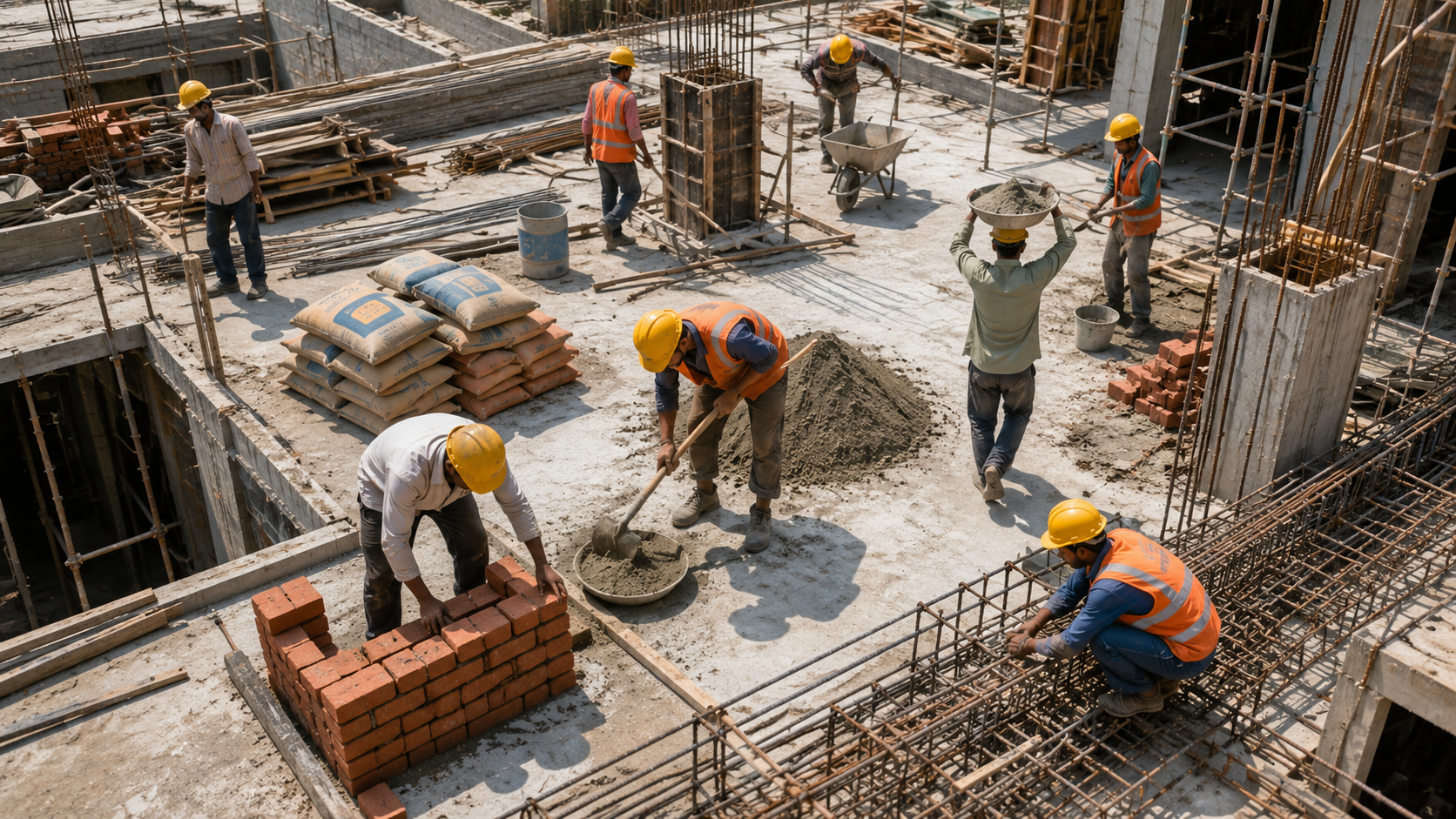


Choosing the right building material is one of the most critical decisions when constructing a home in India. The three most popular options—AAC (Autoclaved Aerated Concrete) blocks, red bricks, and fly ash bricks—each come with distinct advantages and limitations. Understanding how these materials compare across key factors like cost, strength, thermal performance, and sustainability will help you make an informed decision that aligns with your project requirements, budget, and long-term goals.
Understanding the Three Building Materials
Build cost · Bengaluru, May 2026
AAC Blocks: Modern and Efficient
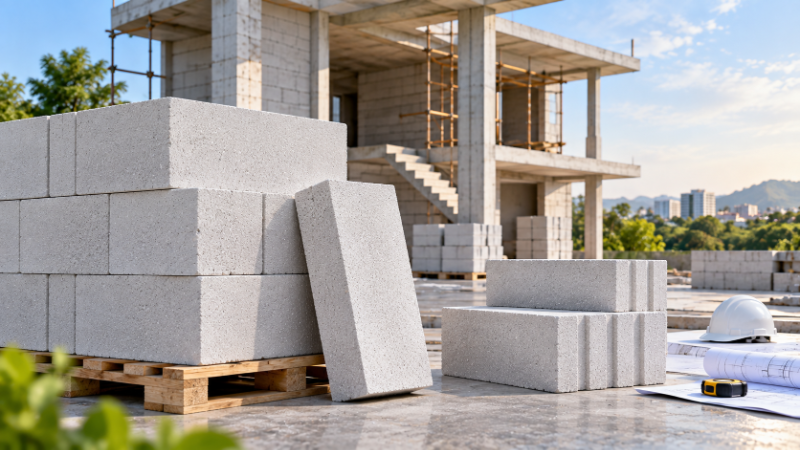
AAC blocks are manufactured through an industrial process that combines cement, lime, silica sand, aluminum powder, and water. The aluminum powder creates gas bubbles during the curing process, resulting in a lightweight, porous material. These blocks are then autoclaved (steam-cured) under high pressure and temperature, which gives them their strength and durability.
AAC blocks have gained significant traction across Indian metros like Bangalore, Hyderabad, and Delhi over the past decade. They're increasingly becoming the preferred choice for modern residential and commercial construction projects.
Red Bricks: Traditional and Proven
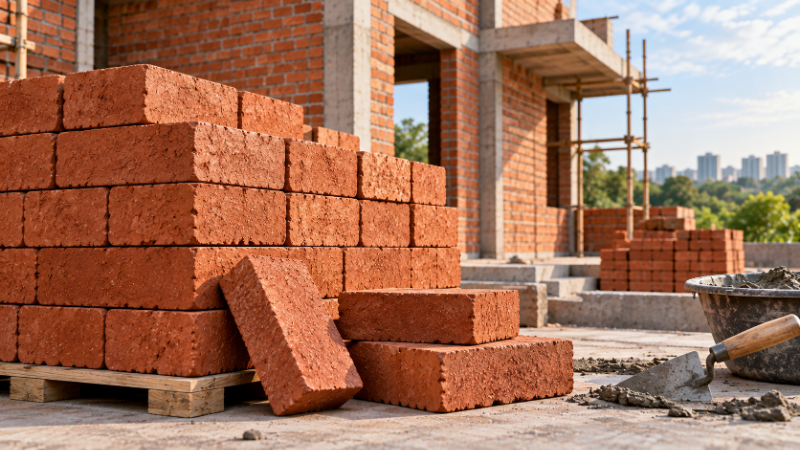
Red bricks have been the backbone of Indian construction for centuries. Made from clay that's molded and fired in kilns at high temperatures, they're a time-tested material known for their durability and aesthetic appeal. Red bricks remain the most widely used building material across India, from small towns to major cities like Mumbai, Kolkata, and Chennai.
Fly Ash Bricks: Eco-Friendly Alternative
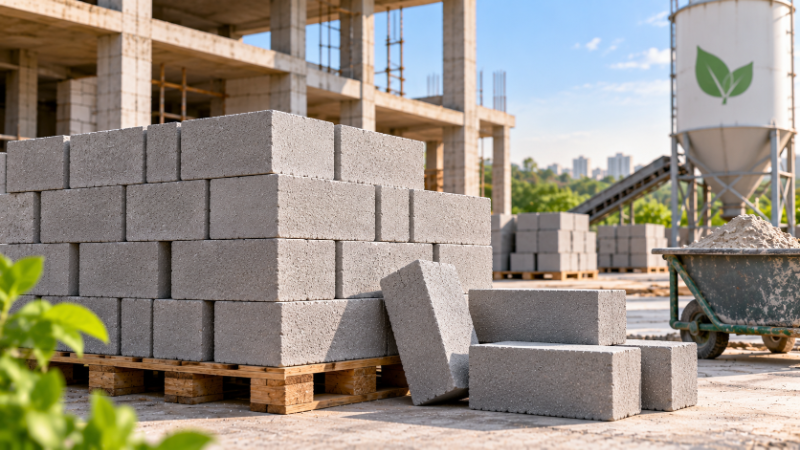
Fly ash bricks are manufactured using fly ash (a byproduct of thermal power plants), cement, and sand. This material emerged as a sustainable alternative to red bricks, helping reduce industrial waste while providing a viable construction solution. They've become increasingly popular in regions near power plants and in environmentally conscious projects.
Frequently asked
Comparative Analysis: Cost
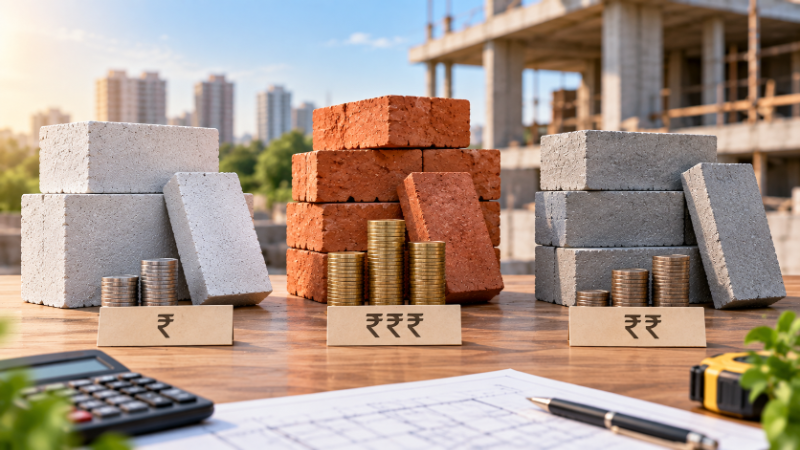
Price Breakdown in Indian Market
Cost is often the primary consideration for homeowners in India. Here's how these materials currently compare:
Red Bricks: ₹4,500–₹7,500 per 1,000 units (approximately ₹5–₹8 per brick)
Fly Ash Bricks: ₹5,000–₹8,000 per 1,000 units (approximately ₹5–₹8 per brick)
AAC Blocks: ₹8,000–₹12,000 per 1,000 units (approximately ₹8–₹12 per block)
At first glance, red bricks and fly ash bricks appear more economical. However, this comparison becomes more nuanced when you factor in labor costs and material efficiency.
Hidden Cost Considerations
While AAC blocks have a higher upfront cost per unit, they offer significant savings in other areas:
Faster Construction: AAC blocks are larger than bricks (600mm × 200mm × 75-200mm), reducing the number of units required and accelerating construction timelines. This translates to lower labor costs—typically 20-30% less than traditional brick construction.
Reduced Mortar Consumption: AAC blocks require thinner mortar joints, reducing cement consumption by approximately 40% compared to brick construction.
Minimal Wastage: AAC blocks can be easily cut and shaped, resulting in less material wastage compared to bricks.
When you account for these factors, the total cost difference between AAC blocks and red bricks often narrows to 5-10%, making AAC blocks a more competitive option than initial pricing suggests.
Structural Strength and Load-Bearing Capacity
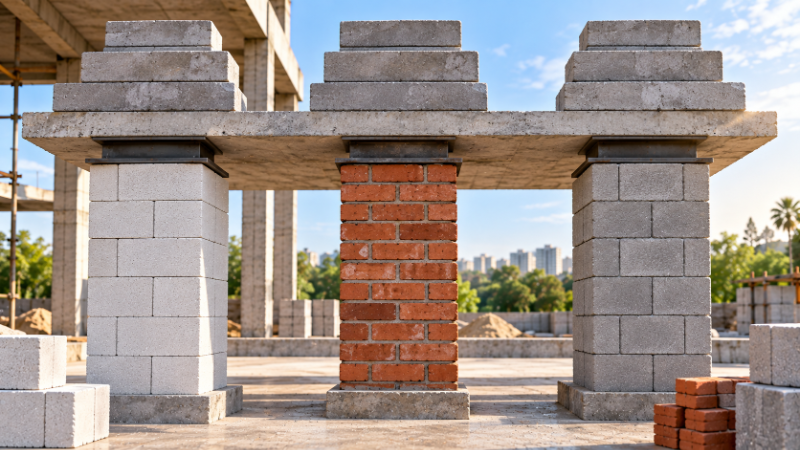
Compressive Strength
Compressive strength is crucial for supporting the weight of your home and ensuring long-term structural integrity:
Red Bricks: 3.5–5 MPa (megapascals) for standard bricks, up to 7.5 MPa for high-quality bricks
Fly Ash Bricks: 3.5–5 MPa, comparable to red bricks
AAC Blocks: 3.5–4.5 MPa in standard grades, with higher-density variants reaching 6 MPa
For typical residential construction in India, all three materials meet the required compressive strength standards outlined in Indian Standards (IS codes). The difference becomes significant only in high-rise buildings or structures with heavy loads.
Durability and Longevity
Red bricks have proven their longevity over centuries—many structures built 100+ years ago remain intact. AAC blocks, being relatively newer in India, have demonstrated strong performance over 30+ years in countries like Germany and the United States. Fly ash bricks, with proper construction practices, also offer good durability comparable to red bricks.
All three materials can last 50+ years when properly constructed with appropriate RCC framing and maintenance. The quality of construction, waterproofing, and maintenance matters more than the material choice itself.
Thermal Performance and Energy Efficiency
Thermal Insulation Properties
In India's diverse climate—from the scorching heat of Delhi and Rajasthan to the humid monsoons of Kerala and Mumbai—thermal performance directly impacts cooling and heating costs.
AAC Blocks: Superior thermal insulation due to air pockets. They maintain cooler interiors in summer and warmer spaces in winter, reducing air-conditioning costs by 20-30%.
Red Bricks: Moderate thermal properties. They absorb and radiate heat, which can increase cooling requirements in hot climates.
Fly Ash Bricks: Similar thermal properties to red bricks, with moderate insulation capability.
Sound Insulation
AAC blocks excel in sound absorption due to their porous structure, making them ideal for homes in noisy urban areas. Red bricks and fly ash bricks offer less sound insulation, though this can be improved with proper wall finishes and insulation materials.
Weight and Structural Implications
Material Density
Red Bricks: 1,600–1,800 kg/m³
Fly Ash Bricks: 1,500–1,700 kg/m³
AAC Blocks: 600–800 kg/m³ (approximately one-third the weight of bricks)
Structural and Cost Advantages of Lightweight Materials
The significantly lower weight of AAC blocks offers several advantages:
Reduced Foundation Load: Lighter walls require smaller, less expensive foundations—potentially saving ₹2–₹5 lakhs on a typical Indian home.
Earthquake Resistance: Lighter structures experience lower seismic forces, making AAC blocks particularly suitable for earthquake-prone regions like parts of Himachal Pradesh, Uttarakhand, and Gujarat.
Easier Handling: Reduced weight simplifies on-site handling and construction, reducing labor time and potential injuries.
Environmental Impact and Sustainability
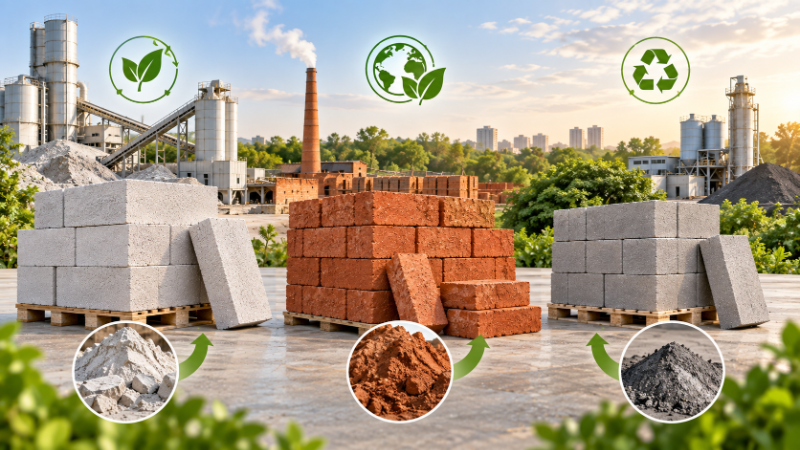
Manufacturing Process and Carbon Footprint
As India moves toward sustainable construction practices, the environmental impact of building materials becomes increasingly important:
Red Bricks: Traditional kiln-firing consumes significant energy and contributes to air pollution. The clay extraction process can damage agricultural land. However, they're entirely natural and recyclable.
Fly Ash Bricks: Utilize fly ash, a waste byproduct from thermal power plants, reducing landfill pressure. This makes them an eco-friendly choice, though the cement content still contributes to carbon emissions.
AAC Blocks: Manufacturing requires controlled industrial processes and energy, but the lightweight nature reduces transportation emissions. They're 100% recyclable and contain no harmful chemicals.
Regulatory Alignment
India's green building standards, including LEED and IGBC certifications, increasingly favor materials like AAC blocks and fly ash bricks. If you're planning a green-certified home in cities like Bangalore or Pune, these materials align better with sustainability requirements.
Water Absorption and Moisture Resistance
Moisture Behavior
Red Bricks: Moderate water absorption (12-15%), which can lead to dampness and efflorescence in humid climates like coastal cities (Mumbai, Goa, Kerala).
Fly Ash Bricks: Lower water absorption (8-12%) compared to red bricks, offering better moisture resistance.
AAC Blocks: Higher water absorption (10-15%) due to their porous nature, but this can be managed with proper external waterproofing and internal finishes.
Regardless of material choice, proper waterproofing of the outer surface and adequate ventilation are essential in Indian climates, particularly in monsoon-prone regions.
Construction Speed and Labor Efficiency
Installation Timeline
Construction speed has direct implications for project timelines and labor costs:
Red Bricks: Slower installation due to smaller unit size and higher mortar joint requirements. A mason can typically lay 300-400 bricks per day.
Fly Ash Bricks: Similar to red bricks in terms of installation speed, though slightly easier to lay.
AAC Blocks: Faster installation—a mason can lay 120-150 blocks per day, but each block covers significantly more area. This translates to 2-3 times faster wall construction compared to bricks.
For a typical 1,500 sq ft home, AAC block construction can save 2-3 weeks compared to brick construction, representing significant labor cost savings.
Finishing and Aesthetic Considerations
Surface Quality and Finish Options
Red Bricks: Offer aesthetic appeal and can be left exposed for a traditional look. They provide excellent texture for various finishes.
Fly Ash Bricks: Similar aesthetic qualities to red bricks, though slightly more uniform in appearance.
AAC Blocks: Require external finishes (plaster, paint, cladding) due to their porous nature. However, they provide a smooth, uniform surface ideal for modern finishes.
Regional Suitability Across India
Climate-Based Recommendations
Hot and Dry Regions (Delhi, Jaipur, Ahmedabad): AAC blocks are ideal due to superior thermal insulation, reducing cooling costs significantly.
Coastal and Humid Regions (Mumbai, Chennai, Kochi): Fly ash bricks or well-sealed AAC blocks are preferable due to lower moisture absorption. Red bricks require additional waterproofing measures.
Earthquake-Prone Regions (Uttarakhand, Himachal Pradesh): AAC blocks are recommended due to their lightweight nature and better seismic performance.
Budget-Conscious Projects: Red bricks remain the most economical choice in most regions, particularly in smaller towns and rural areas.
Regulatory Compliance and Standards
All three materials must comply with Indian Standards (IS codes):
Red Bricks: IS 1077:2016
Fly Ash Bricks: IS 12894:2016
AAC Blocks: IS 2185 (Part 1):2005
Ensure that any material you source comes with proper IS certification and testing reports from accredited laboratories.
Making Your Decision: A Practical Framework
Choose Red Bricks If:
Budget is your primary constraint
You prefer traditional aesthetics
Your project is in a region with abundant local brick production
You're building in a non-seismic zone with moderate climate
Choose Fly Ash Bricks If:
You want an eco-friendly option at moderate cost
Your project is in a humid or coastal region
You're located near thermal power plants (ensuring good supply and lower costs)
Sustainability is important but budget is still a consideration
Choose AAC Blocks If:
Long-term energy efficiency and comfort are priorities
Your region experiences extreme heat (Delhi, Rajasthan) or seismic activity
You're building a multi-story structure where foundation costs matter significantly
Construction speed is important for your timeline
You're targeting green building certifications
Finding the Right Professionals for Your Project
Regardless of which material you choose, the quality of construction is paramount. Working with experienced architects, engineers, and contractors who understand the specific requirements of your chosen material ensures optimal performance and longevity.
AECORD connects you with verified AECO professionals across India who have hands-on experience with all three building materials. Whether you need an architect to design your home, an engineer to oversee structural work, or a contractor experienced in AAC block or brick construction, AECORD's marketplace makes it easy to find and vet qualified professionals in your city.
When evaluating professionals on AECORD, look for those with specific experience in your chosen material and familiarity with your region's climate and building regulations. Reading verified reviews and checking their past project portfolios will give you confidence in their expertise.
Conclusion
There's no universally "better" choice among AAC blocks, red bricks, and fly ash bricks—the best option depends on your specific circumstances: budget, climate, timeline, sustainability goals, and regional factors. Red bricks remain the most economical and traditional choice, fly ash bricks offer a middle ground with better sustainability, and AAC blocks provide superior thermal performance and construction efficiency at a higher upfront cost.
Evaluate your priorities, consult with experienced professionals, and make a decision aligned with your long-term vision for your home. With the right material selection and quality construction, any of these options will provide a durable, comfortable home for decades to come.
Ready to start your home construction project? Explore AECORD today to connect with architects, engineers, and contractors experienced in your chosen building material. Get personalized recommendations, compare quotes, and build with confidence.
Frequently Asked Questions
What is the actual cost difference between AAC blocks and red bricks when considering total construction expenses?
While AAC blocks cost ₹8,000–₹12,000 per 1,000 units compared to red bricks at ₹4,500–₹7,500, the total cost difference narrows to just 5-10% when factoring in labor savings (20-30% less), reduced mortar consumption (40% less cement), and minimal wastage. This makes AAC blocks more economical than their initial per-unit price suggests.
Which building material is strongest for Indian home construction?
Red bricks offer compressive strength of 3.5–7.5 MPa, while AAC blocks provide 3.5–4.5 MPa and fly ash bricks offer 4–6 MPa. Red bricks have a slight edge in raw strength, but all three materials are suitable for residential construction when properly engineered and used appropriately.
Are AAC blocks better than red bricks for thermal insulation?
Yes, AAC blocks are superior for thermal performance due to their porous structure and lower thermal conductivity, helping regulate indoor temperature and reduce cooling costs in India's hot climate. Red bricks and fly ash bricks have lower insulation properties and require additional insulation measures.
Why are fly ash bricks considered eco-friendly?
Fly ash bricks are manufactured using fly ash, a byproduct of thermal power plants that would otherwise become industrial waste. This sustainable manufacturing process reduces environmental impact while providing a viable construction solution, making them an environmentally conscious alternative to traditional red bricks.
How do AAC blocks reduce construction time compared to red bricks?
AAC blocks are significantly larger (600mm × 200mm × 75-200mm) than individual bricks, requiring fewer units to cover the same area. This larger size accelerates the construction process and reduces labor costs by 20-30% compared to traditional brick construction.