

The Complete Guide to Outdoor Tiles in India: Selection, Installation, and Maintenance
Outdoor tiles have become an essential element of modern Indian architecture, transforming patios, terraces, balconies, and garden spaces into functional and aesthetically pleasing areas. Whether you're designing a residential villa in Bangalore, a commercial complex in Mumbai, or a hospitality space in Delhi, choosing the right outdoor tiles can significantly impact both the visual appeal and longevity of your project.
This comprehensive guide covers everything you need to know about outdoor tiles, from material selection to installation best practices and maintenance strategies specific to India's diverse climate conditions.
Build cost · Bengaluru, May 2026
Understanding Outdoor Tiles: Types and Materials
Ceramic Tiles for Outdoor Spaces
Ceramic tiles remain one of the most popular choices for outdoor applications in India. These tiles are made from clay and minerals, fired at high temperatures to create a durable surface. They offer excellent water resistance and are available in numerous designs and colors.
Advantages:
Cost-effective, typically ranging from ₹40 to ₹150 per square foot
Easy to clean and maintain
Slip-resistant variants available
Wide variety of aesthetic options
Disadvantages:
Can crack under extreme temperature fluctuations
Less durable than porcelain in high-traffic areas
Grout lines require regular sealing in humid climates
Porcelain Tiles: Premium Outdoor Solution
Porcelain tiles are manufactured at higher temperatures than ceramic tiles, resulting in a denser, more durable product. They're increasingly popular for premium outdoor projects across Indian metros like Pune, Hyderabad, and Chennai.
Key Benefits:
Superior durability and strength
Excellent frost resistance (important for hill stations)
Lower water absorption rates (typically less than 0.5%)
Price range: ₹100 to ₹400 per square foot depending on quality and design
Frequently asked
Natural Stone Tiles
Natural stone options like granite, limestone, slate, and sandstone provide a premium aesthetic for outdoor spaces. These materials are particularly popular in Kerala, Goa, and Rajasthan where they complement local architectural styles.
Popular Natural Stone Options:
Granite: Extremely durable, ₹150-₹500 per square foot
Limestone: Elegant appearance, requires regular sealing, ₹100-₹300 per square foot
Slate: Natural slip resistance, ₹120-₹350 per square foot
Sandstone: Traditional look, popular in Rajasthan, ₹80-₹250 per square foot
Vitrified Tiles
Vitrified tiles combine the benefits of ceramic and porcelain, offering excellent water resistance and durability at a mid-range price point (₹60-₹200 per square foot). These are particularly suitable for Indian weather conditions with high humidity and temperature variations.
Selecting the Right Outdoor Tiles for Indian Climate
Climate Considerations
India's diverse climate zones require different tile specifications. The Indian subcontinent experiences monsoons, extreme heat, and in some regions, frost conditions that can damage inferior tiles.
For Monsoon-Prone Regions (Mumbai, Kolkata, Goa):
Choose tiles with water absorption rates below 1%
Ensure proper drainage systems beneath tiles
Select glazed finishes that resist algae growth
Consider anti-slip ratings of at least R11 or higher
For High-Temperature Areas (Delhi, Jaipur, Ahmedabad):
Select tiles with low thermal expansion coefficients
Porcelain tiles are recommended over ceramic
Light-colored tiles help reduce heat absorption
Ensure adequate expansion joints (typically 4-6mm)
For Hill Stations and Cold Regions (Shimla, Manali, Kashmir):
Frost-resistant tiles are essential
Porcelain tiles with freeze-thaw ratings are recommended
Proper substrate preparation is critical to prevent ice damage
Slip Resistance and Safety
Outdoor tiles must prioritize safety, especially in wet conditions. The Indian Standards Institution (ISI) classifies slip resistance using the R-rating system:
R9: Suitable for dry indoor areas only
R10: Minimum for outdoor use
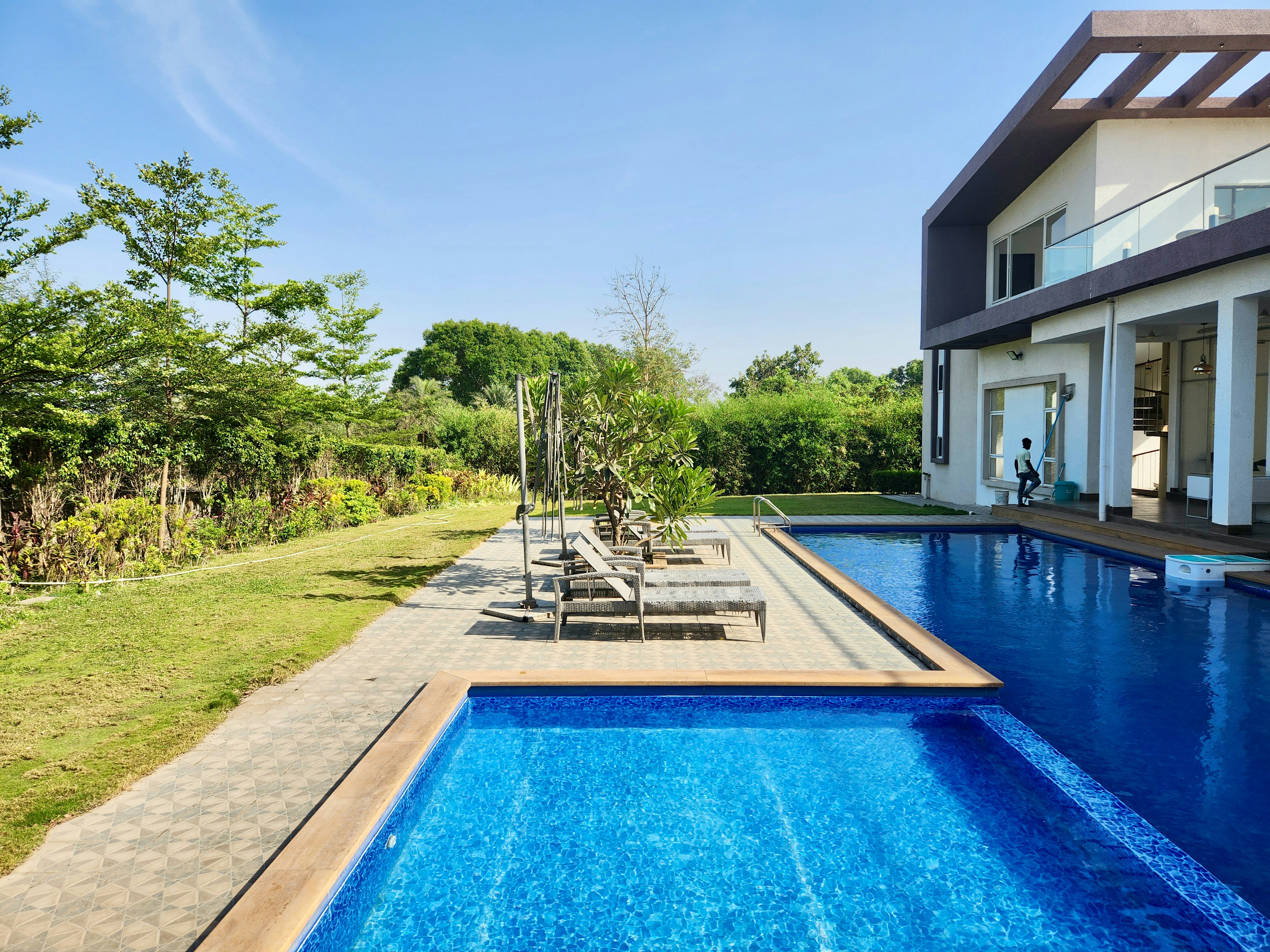
R11-R12: Recommended for wet outdoor areas and swimming pool surrounds
R13: Maximum slip resistance for commercial kitchens and wet areas
For outdoor terraces, patios, and balconies, AECORD professionals typically recommend R11 or higher ratings, particularly in regions with significant rainfall.
Size and Layout Considerations
Tile Dimensions
The size of outdoor tiles affects both aesthetics and installation requirements. Larger tiles (600x600mm or 800x800mm) are increasingly popular for modern Indian homes, while smaller tiles (300x300mm or 400x400mm) work well for traditional designs.
Advantages of Larger Tiles:
Fewer grout lines reduce water penetration
Cleaner, more modern appearance
Faster installation process
Easier to maintain and clean
Advantages of Smaller Tiles:
Better for uneven surfaces
More economical option
Traditional aesthetic appeal
Easier to replace individual tiles
Pattern and Layout Design
The layout pattern significantly impacts the visual appeal and structural integrity of outdoor tiling. Common patterns include:
Straight Layout: Classic and economical
Diagonal Layout: Creates visual interest but increases waste
Herringbone Pattern: Premium appearance, requires skilled installation
Random Layout: Modern aesthetic, hides imperfections well
Installation Best Practices for Outdoor Tiles
Substrate Preparation
Proper substrate preparation is crucial for outdoor tile longevity in India's variable climate. The base must be:
Structurally Sound: No cracks, movement, or deflection
Clean: Free from dust, dirt, and loose material
Properly Sloped: Minimum 2-3% slope for water drainage
Waterproofed: Essential for moisture-prone areas, especially in monsoon regions
When working with AECORD to find experienced contractors in cities like Bangalore, Chennai, or Pune, ensure they conduct thorough substrate inspections before beginning tile installation.
Waterproofing Systems
Waterproofing is non-negotiable for outdoor tiles in India. Multiple options are available:
Liquid Waterproofing Membranes: Cost-effective, typically ₹30-₹60 per square meter
Bituminous Sheets: Traditional method, ₹20-₹40 per square meter
Cementitious Waterproofing: Breathable option, ₹40-₹80 per square meter
Polyurethane Membranes: Premium option, ₹100-₹200 per square meter
Adhesive Selection
Outdoor tile adhesives must withstand temperature fluctuations and moisture exposure. Recommended options include:
Cement-Based Adhesives: Budget-friendly, requires proper curing time
Epoxy Adhesives: Superior bonding strength, ideal for large format tiles
Polyurethane Adhesives: Flexible, excellent for areas with movement
Cost typically ranges from ₹300 to ₹800 per bag, with coverage varying by tile size and substrate condition.
Grout and Joint Sealing
Grout selection significantly impacts water resistance and longevity:
Cement-Based Grout: Standard option, requires sealing
Epoxy Grout: Superior water resistance, more expensive (₹1000-₹2000 per kg)
Urethane Grout: Flexible and stain-resistant, premium option
Joint width should typically be 4-6mm for outdoor applications, allowing for thermal expansion and contraction.
Maintenance and Care of Outdoor Tiles
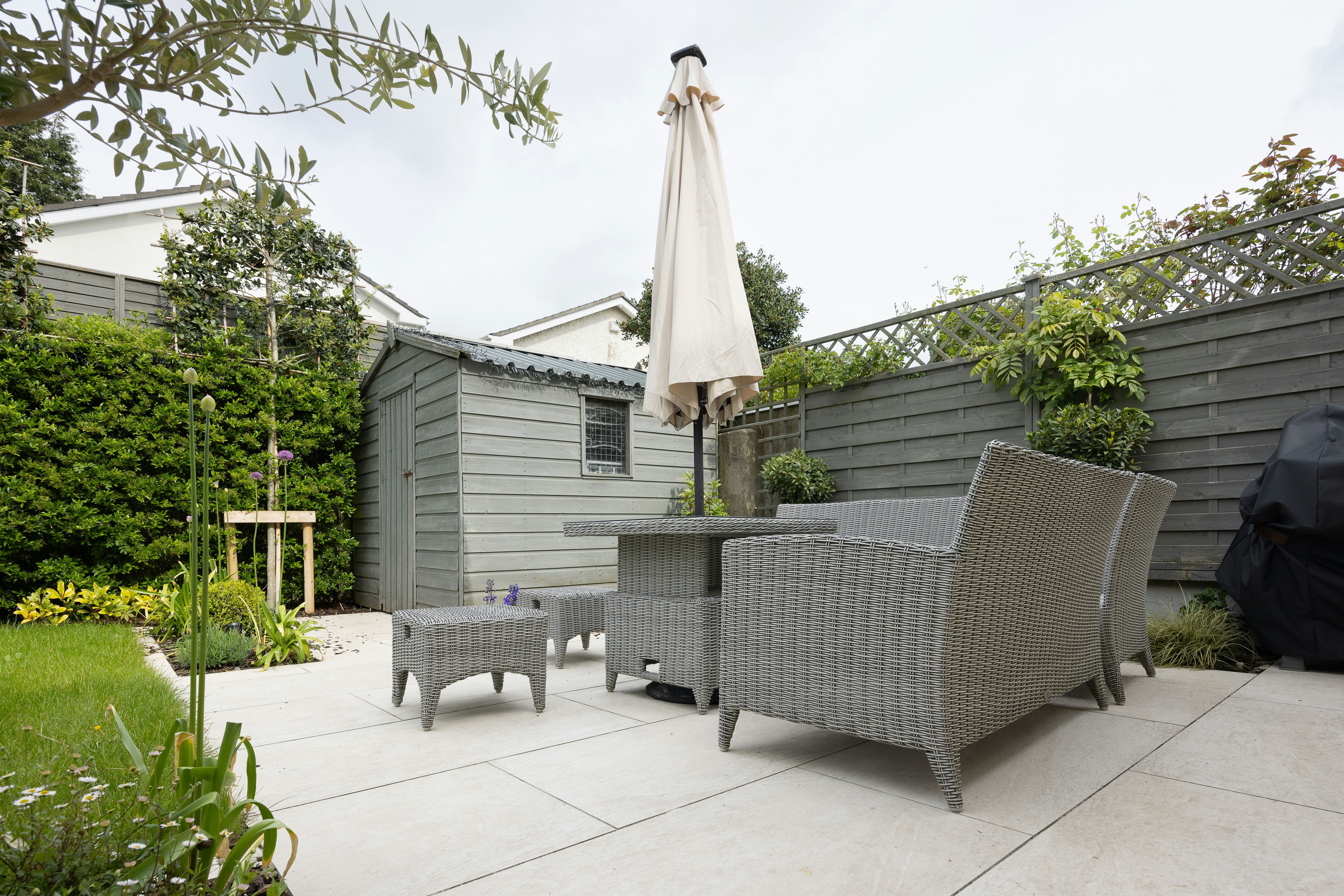
Regular Cleaning Routine
Outdoor tiles require regular maintenance to preserve their appearance and functionality:
Weekly: Sweep to remove debris and prevent algae growth
Monthly: Wash with mild detergent and water
Quarterly: Deep clean with appropriate cleaners based on tile material
Annually: Professional cleaning and inspection
Seasonal Maintenance
Pre-Monsoon (May-June):
Inspect grout lines for cracks or deterioration
Clean drainage systems thoroughly
Apply sealant to natural stone tiles
Check for any loose tiles
Post-Monsoon (October-November):
Remove algae and moss growth using appropriate cleaners
Inspect for water damage or seepage
Reseal grout lines if necessary
Summer Care (March-May):
Ensure adequate drainage to prevent water pooling
Check expansion joints for debris
Clean tile surfaces regularly to prevent dust accumulation
Addressing Common Issues
Efflorescence (White Staining): Common in Indian climates, caused by mineral deposits. Clean with mild acid solutions or commercial efflorescence removers.
Moss and Algae Growth: Prevalent in humid regions. Use appropriate biocides or pressure washing (at safe pressures to avoid tile damage).
Grout Deterioration: Requires professional regrouting, costing ₹100-₹300 per square meter depending on extent of damage.
Tile Cracking: May require individual tile replacement, costing ₹500-₹2000 per tile depending on material and size.
Cost Considerations for Outdoor Tiling Projects
Understanding the complete cost breakdown helps in budgeting outdoor tiling projects effectively:
Material Costs: ₹40-₹500 per square foot depending on tile type and quality
Labor Costs: ₹30-₹150 per square foot (varies by city and complexity)
Substrate Preparation: ₹20-₹100 per square foot
Waterproofing: ₹30-₹200 per square foot
Adhesives and Grout: ₹20-₹80 per square foot
Sealants and Finishes: ₹10-₹50 per square foot
For a typical 500 square foot outdoor terrace in Hyderabad or Pune, total project costs typically range from ₹1,50,000 to ₹5,00,000 depending on material selection and site conditions.
Regulatory Compliance and Standards
Outdoor tiling projects in India should comply with relevant standards:
IS 1237: Indian Standard for Ceramic Tiles
IS 15622: Indian Standard for Porcelain Tiles
IS 3294: Code of Practice for Installation of Ceramic Tiles
National Building Code (NBC): Requirements for waterproofing and drainage
When hiring professionals through AECORD, ensure they are familiar with local building codes and municipal regulations specific to your city, whether in Delhi, Mumbai, Bangalore, or other Indian metros.
Conclusion and Next Steps
Selecting and installing outdoor tiles is a significant investment in your property. The right choice depends on your climate zone, budget, aesthetic preferences, and maintenance capacity. Whether you're considering ceramic tiles for a budget-conscious project or premium natural stone for a luxury villa, understanding the options available ensures you make an informed decision.
Key takeaways include:
Match tile selection to your specific climate conditions
Prioritize waterproofing and proper substrate preparation
Choose slip-resistant tiles appropriate for outdoor use
Plan for regular maintenance and seasonal care
Budget for professional installation to ensure longevity
Ready to start your outdoor tiling project? Connect with experienced AECORD professionals who specialize in outdoor installations in your city. Whether you need architects, contractors, material suppliers, or project managers, AECORD's network of verified AECO professionals can help bring your outdoor space vision to life. Browse verified contractors, compare quotes, and access detailed project portfolios—all on AECORD's B2B2C marketplace designed specifically for India's architecture, engineering, and construction industry.
Frequently Asked Questions
What is the best type of outdoor tile for India's monsoon climate?
For monsoon-prone regions like Mumbai, Kolkata, and Goa, choose tiles with water absorption rates below 1%, such as porcelain or vitrified tiles. Ensure proper drainage systems and select glazed finishes with anti-slip ratings of at least R11 to resist algae growth and prevent slipping in wet conditions.
How much do outdoor tiles cost in India?
Outdoor tile costs in India vary by material: ceramic tiles range from ₹40-₹150 per square foot, vitrified tiles from ₹60-₹200, porcelain from ₹100-₹400, and natural stone from ₹80-₹500 per square foot depending on the type and quality.
Are porcelain tiles better than ceramic tiles for outdoor use?
Yes, porcelain tiles are more durable than ceramic for outdoor spaces because they're manufactured at higher temperatures, resulting in a denser product with lower water absorption (less than 0.5%) and superior frost resistance, making them ideal for high-traffic areas and varying Indian climate conditions.
What outdoor tile material works best in Rajasthan's hot climate?
For high-temperature areas like Rajasthan, sandstone is a popular traditional choice (₹80-₹250 per square foot) that complements local architecture, while porcelain and vitrified tiles are also excellent options due to their durability and resistance to extreme heat fluctuations.
How often do outdoor tile grout lines need sealing in India?
In India's humid climates, grout lines require regular sealing to prevent water penetration and mold growth, particularly in monsoon-prone regions. The frequency depends on humidity levels and foot traffic, but annual inspection and resealing is recommended for optimal maintenance.