



Terra Cotta Polymer Modified Architectural Shingles: A Comprehensive Guide for Indian Construction Professionals
Architectural shingles have revolutionized roofing in India, offering homeowners and builders a perfect balance between aesthetic appeal and durability. Among the various options available, terra cotta polymer modified architectural shingles have emerged as a premium choice for residential and commercial projects across the country. This comprehensive guide explores everything you need to know about these advanced roofing materials, their benefits, installation requirements, and why they're becoming increasingly popular in the Indian construction market.
Build cost · Bengaluru, May 2026
Understanding Terra Cotta Polymer Modified Architectural Shingles
What Are Polymer Modified Architectural Shingles?
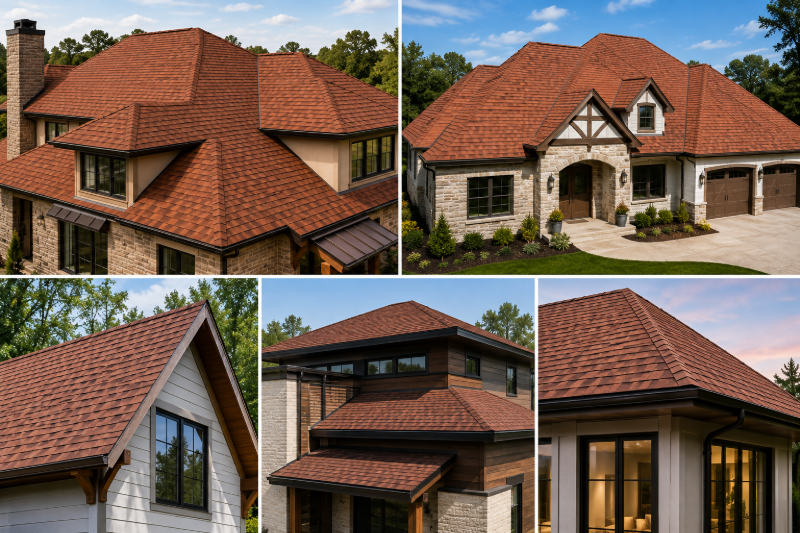
Terra cotta polymer modified architectural shingles represent a significant advancement in roofing technology. Unlike traditional asphalt shingles, these premium products incorporate polymer modifications that enhance their durability, flexibility, and resistance to environmental stress. The terra cotta coloring provides a warm, earthy aesthetic that complements both traditional and contemporary architectural styles.
The polymer modification process involves blending specially formulated polymers with the asphalt base, creating a more elastic and resilient material. This enhancement allows the shingles to expand and contract with temperature fluctuations without cracking or splitting—a critical advantage in India's diverse climate zones, from the scorching heat of Delhi and Mumbai to the humid coastal regions of Kerala and Goa.
Composition and Manufacturing
These shingles typically consist of:
Fiberglass mat base: Provides structural integrity and dimensional stability
Modified asphalt coating: Enhanced with polymers for superior performance
Ceramic granules: Offer UV protection and aesthetic appeal in terra cotta tones
Adhesive strips: Self-sealing technology for easier installation
Backing material: Ensures flexibility and weather resistance
The manufacturing process ensures consistent quality and performance, making these shingles suitable for various Indian climatic conditions and building codes across states.
Frequently asked
Key Benefits of Terra Cotta Polymer Modified Architectural Shingles
Superior Durability and Longevity
One of the most compelling reasons to choose polymer modified architectural shingles is their exceptional lifespan. While traditional asphalt shingles may last 15-20 years, quality polymer modified variants can endure 25-30 years or more, even in challenging Indian weather conditions. This extended lifespan translates to better value for money and reduced maintenance costs over time.
The polymer modification significantly improves resistance to:
Thermal stress and temperature fluctuations
UV radiation and color fading
Wind damage and uplift resistance
Moisture penetration and algae growth
Hail impact and physical damage
Climate Resilience for Indian Conditions
India's diverse climate presents unique challenges for roofing materials. The intense summer heat in cities like Bangalore, Hyderabad, and Pune can cause conventional materials to become brittle. The monsoon rains in Mumbai, Kolkata, and Chennai demand excellent water resistance. The polymer modification in these shingles provides exceptional performance across all these scenarios.
The flexible nature of polymer modified shingles allows them to:
Withstand temperature swings of 40-50°C without cracking
Maintain integrity during heavy monsoon downpours
Resist algae and moss growth common in humid coastal areas
Maintain their terra cotta color vibrancy for extended periods
Aesthetic Appeal and Versatility
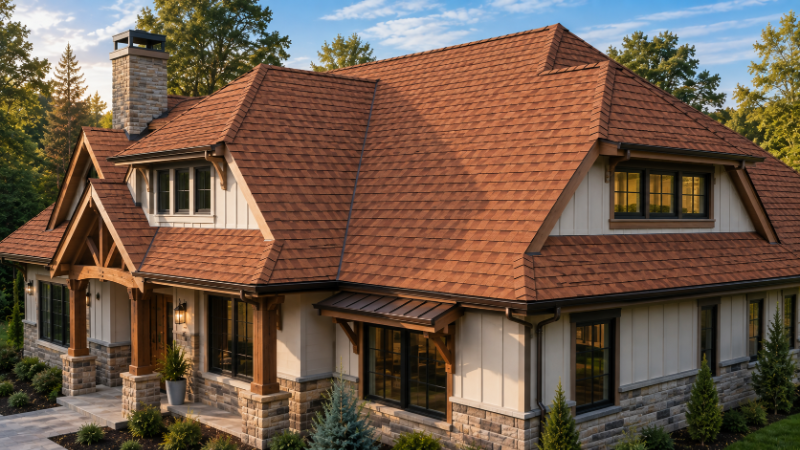
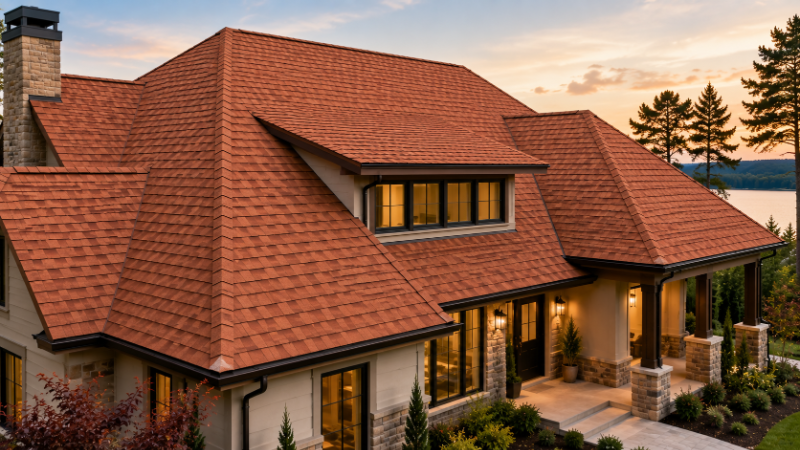
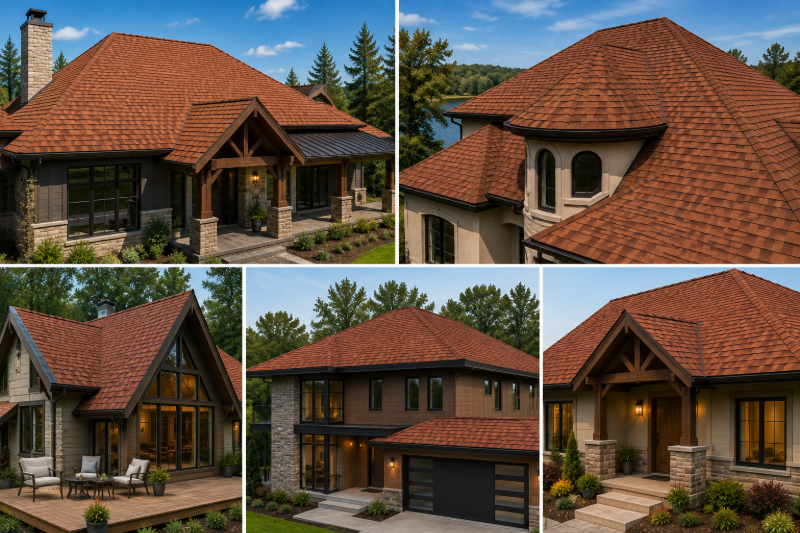
The terra cotta coloring of these architectural shingles offers a sophisticated, warm appearance that enhances curb appeal. This color palette works beautifully with various architectural styles, from Mediterranean-inspired villas in Goa to contemporary homes in Bangalore's IT corridors. The dimensional design of architectural shingles creates visual depth and texture that standard shingles cannot match.
When planning your roofing project, professionals on AECORD can help you visualize how terra cotta shingles will complement your specific architectural design and neighborhood aesthetic.
Enhanced Wind Resistance
India experiences significant wind events, particularly during monsoon seasons and in coastal regions. Polymer modified architectural shingles are engineered to resist wind speeds of 100+ mph (160+ km/h), making them suitable for areas prone to cyclones and strong winds. The self-sealing adhesive strips and reinforced construction provide superior wind resistance compared to standard shingles.
Installation Requirements and Best Practices
Pre-Installation Considerations
Before installing terra cotta polymer modified architectural shingles, several preparatory steps are essential:
Roof inspection: Assess the condition of the existing roof structure and decking
Proper ventilation: Ensure adequate attic or roof space ventilation to prevent heat buildup
Underlayment selection: Use high-quality synthetic underlayment for additional protection
Flashing inspection: Check and replace damaged flashing around chimneys, vents, and valleys
Weather conditions: Install during suitable weather (ideally between 10-25°C for optimal adhesive activation)
Installation Process
Proper installation is crucial for maximizing the lifespan and performance of these premium shingles. The typical installation process includes:
Starter strip placement: Install starter shingles along the eaves to ensure proper water runoff
Fastening pattern: Use 6-8 nails per shingle, placed in manufacturer-specified locations
Offset pattern: Stagger shingles to prevent water penetration at joints
Sealing activation: Allow adhesive strips to cure properly before exposing to weather
Valley treatment: Use appropriate valley flashing and installation techniques
Hiring experienced professionals is critical. When searching for qualified roofers and contractors in your area, AECORD provides access to vetted professionals who understand local building codes and climate-specific installation requirements across Indian cities.
Cost Considerations in India
The cost of terra cotta polymer modified architectural shingles in India varies based on several factors:
Material costs: Typically range from ₹150-300 per square foot, depending on brand and quality
Labor costs: Installation usually costs ₹50-100 per square foot, varying by region and roof complexity
Geographic variations: Costs are higher in metropolitan areas like Mumbai and Delhi compared to tier-2 cities
Roof pitch and complexity: Steeper roofs and complex designs increase labor costs
Removal of old roofing: Budget an additional ₹30-50 per square foot for tear-off and disposal
For a typical 1500 sq. ft. roof in Bangalore or Pune, total costs typically range from ₹3-5 lakhs, including materials and labor.
Maintenance and Long-Term Care
Regular Maintenance Schedule
To maximize the lifespan of your terra cotta polymer modified architectural shingles, implement a regular maintenance routine:
Bi-annual inspections: Check for missing or damaged shingles, particularly after monsoon season
Debris removal: Clear leaves and branches from the roof surface and gutters
Gutter cleaning: Ensure proper water drainage to prevent pooling and damage
Algae prevention: Consider zinc or copper strips in humid regions to prevent growth
Flashing inspection: Check seals around penetrations and replace caulking as needed
Common Issues and Solutions
Algae and Moss Growth: In coastal and humid regions, algae may develop on shingle surfaces. This is primarily a cosmetic issue but can be addressed with gentle cleaning or preventive measures like copper strips.
Granule Loss: Some granule shedding is normal, especially during the first year. Excessive loss may indicate manufacturing issues or installation problems.
Wind Damage: In areas prone to high winds, inspect shingles for lifting or separation. Damaged shingles should be replaced promptly to prevent water infiltration.
Thermal Splitting: Though rare with polymer modified shingles, extreme temperature fluctuations might cause minor splitting. Ensure proper ventilation to minimize thermal stress.
Comparing Terra Cotta Polymer Modified Shingles with Alternatives
Versus Traditional Asphalt Shingles
Traditional asphalt shingles are more affordable (₹80-150 per sq. ft.) but offer shorter lifespan (15-20 years) and lower wind resistance. Polymer modified variants cost more initially but provide better long-term value and superior performance in Indian climates.
Versus Clay Tiles
Clay tiles offer excellent durability and aesthetic appeal but are significantly more expensive (₹300-500 per sq. ft.) and require specialized installation. They're also heavier, requiring stronger structural support. Polymer modified shingles provide similar aesthetics at lower cost with easier installation.
Versus Metal Roofing
Metal roofing (₹200-400 per sq. ft.) offers superior durability and energy efficiency but can be noisier and may require specialized installation. Polymer modified shingles are quieter, more traditional in appearance, and easier to repair.
Environmental and Energy Considerations
Sustainability Aspects
Many modern terra cotta polymer modified shingles incorporate recycled materials and are manufactured using environmentally conscious processes. When selecting products, inquire about:
Recycled content percentages
Manufacturing certifications (ISO 14001, etc.)
End-of-life recyclability
Cool roof technology for heat reflection
Energy Efficiency
The terra cotta coloring of these shingles can help reflect some solar radiation, contributing to lower cooling costs in India's hot climate. Proper attic ventilation combined with reflective shingles can reduce cooling energy consumption by 10-15%.
Regulatory Compliance in India
Ensure your roofing project complies with relevant Indian standards:
IS 1866: Indian Standard for Bituminous Roofing Sheets
IS 1898: Specification for Tar Felt
NBC (National Building Code): Local building regulations for your state/city
State-specific codes: Municipal regulations in cities like Delhi, Mumbai, Bangalore, and Chennai
Professional contractors and architects on AECORD are familiar with these requirements and can guide you through compliance in your specific location.
Selecting the Right Contractor
What to Look For
When hiring someone to install your terra cotta polymer modified architectural shingles:
Verify manufacturer certification and warranty authorization
Check references and completed projects in your area
Ensure proper insurance and licensing
Request detailed written estimates with material specifications
Confirm warranty coverage (material and labor)
Ask about their experience with Indian climatic conditions
AECORD connects you with qualified roofing professionals across India who specialize in architectural shingles and understand the specific requirements of your region's climate and building codes.
Warranty and Long-Term Protection
Quality terra cotta polymer modified architectural shingles typically come with:
Material warranty: 25-30 years, covering manufacturing defects
Labor warranty: 5-10 years, provided by installation contractors
Extended warranties: Available through some manufacturers (₹2,000-5,000 additional cost)
Always review warranty terms carefully and maintain documentation of all maintenance and repairs for warranty claim purposes.
Conclusion
Terra cotta polymer modified architectural shingles represent an excellent investment for Indian homeowners and builders seeking durability, aesthetic appeal, and long-term value. Their superior performance in India's diverse climates—from scorching summers to heavy monsoons—combined with their attractive appearance and reasonable cost compared to alternatives, makes them an increasingly popular choice.
Whether you're planning a new construction project or replacing an aging roof, these advanced shingles offer the perfect balance of functionality and style. By understanding their benefits, installation requirements, and maintenance needs, you can make an informed decision that protects your property for decades to come.
Ready to explore terra cotta polymer modified architectural shingles for your project? Visit AECORD to connect with experienced roofing contractors, architects, and engineers in your city who can provide expert guidance, competitive quotes, and professional installation services tailored to your specific needs and local climate conditions.
Frequently Asked Questions
How long do terra cotta polymer modified architectural shingles last?
Quality polymer modified architectural shingles can last 25-30 years or more, significantly longer than traditional asphalt shingles which typically last 15-20 years. This extended lifespan provides better value for money and reduced maintenance costs over time.
Are polymer modified shingles suitable for India's climate?
Yes, polymer modified shingles are specifically designed for India's diverse climate conditions, including extreme heat, heavy monsoon rains, and humidity. The polymer modification allows them to withstand temperature swings of 40-50°C without cracking and maintain integrity during heavy rainfall.
What makes polymer modified shingles different from regular asphalt shingles?
Polymer modified shingles incorporate specially formulated polymers blended with asphalt, making them more elastic and resilient. This enhancement provides superior resistance to thermal stress, UV radiation, wind damage, moisture penetration, and hail impact compared to traditional asphalt shingles.
What are the main components of terra cotta polymer modified architectural shingles?
These shingles consist of a fiberglass mat base for structural integrity, polymer-enhanced asphalt coating, ceramic granules for UV protection, self-sealing adhesive strips for easier installation, and flexible backing material for weather resistance.
Do polymer modified shingles resist algae and moss growth?
Yes, polymer modified shingles are specifically designed to resist algae and moss growth, which is particularly important in humid coastal areas of India like Kerala, Goa, and coastal regions. Their composition and surface treatment help prevent biological growth even in high-moisture environments.