



Understanding Storm Grey Polymer Modified Architectural Shingles: A Complete Guide for Indian Construction Professionals
Architectural shingles have revolutionized roofing solutions across residential and commercial projects in India. Among the premium options available, Storm Grey polymer modified architectural shingles (product code 469586) represent a sophisticated choice for builders, architects, and property owners seeking durability, aesthetics, and long-term value. This comprehensive guide explores everything you need to know about these shingles and their applications in the Indian market.
Build cost · Bengaluru, May 2026
What Are Polymer Modified Architectural Shingles?
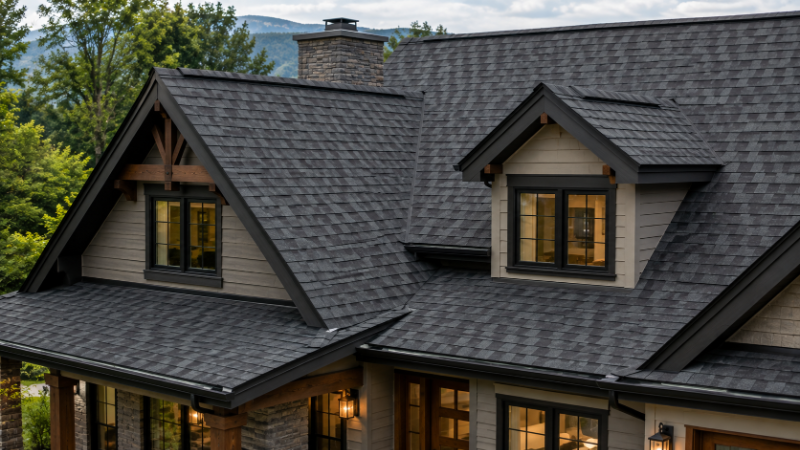
Polymer modified architectural shingles are advanced roofing materials engineered to combine the visual appeal of traditional slate or wood shakes with the performance characteristics of modern synthetic materials. The "polymer modified" designation indicates that the asphalt base has been enhanced with synthetic polymers that improve flexibility, durability, and weather resistance.
Key Composition and Manufacturing
These shingles typically consist of:
Fiberglass mat base: Provides structural integrity and dimensional stability
Polymer-modified asphalt: Enhanced with SBS (styrene-butadiene-styrene) or APP (atactic polypropylene) polymers for superior performance
Mineral granules: Protect against UV radiation and provide color and texture
Adhesive strips: Self-sealing technology for secure installation
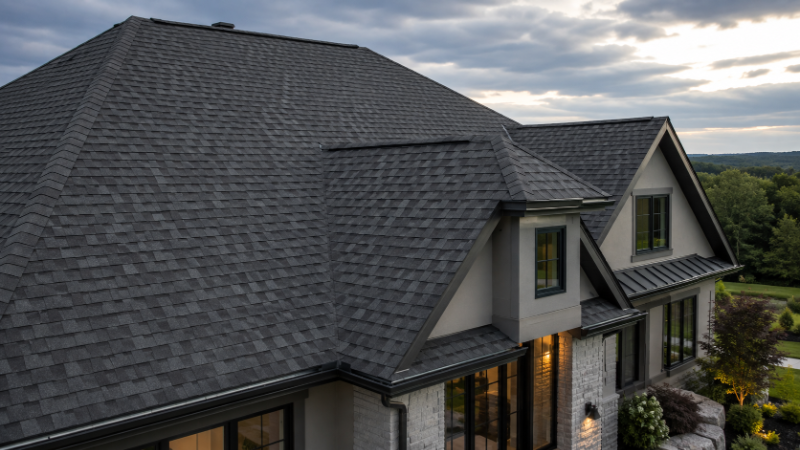
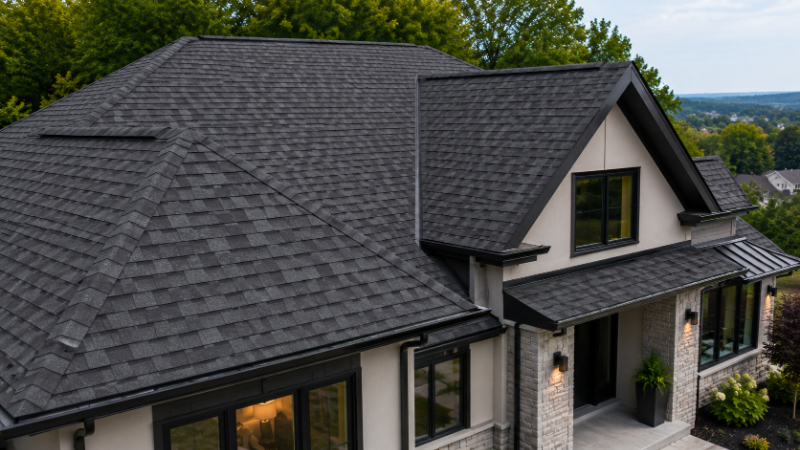
The Storm Grey variant specifically offers a sophisticated neutral tone that complements contemporary and traditional architectural styles, making it increasingly popular in Indian residential developments from Bangalore to Mumbai.
Why Storm Grey Polymer Modified Shingles Matter in Indian Construction
Frequently asked
Climate Compatibility
India's diverse climate zones present unique roofing challenges. The Indian subcontinent experiences:
Intense monsoon rains (especially in coastal regions like Kerala and Maharashtra)
Extreme heat in northern plains (Delhi, Rajasthan reaching 45°C+)
High humidity in tropical zones
Hail and severe weather events in certain regions
Polymer modified shingles are specifically engineered to handle these conditions. The polymer enhancement provides superior flexibility in extreme temperatures—remaining pliable in intense heat while resisting brittleness in cooler months. This is particularly important for Indian roofing, where temperature fluctuations can be extreme.
Monsoon Performance
With the Indian monsoon bringing rainfall of 1,000-2,500mm annually in many regions, water resistance is paramount. The self-sealing adhesive strips and overlapping design of architectural shingles create multiple water barriers, significantly reducing leakage risks compared to traditional flat tiles or basic asphalt shingles.
Specifications and Performance Characteristics of Product 469586
Dimensional Specifications
Storm Grey polymer modified architectural shingles typically feature:
Shingle size: Approximately 1,220mm × 340mm (standard architectural dimensions)
Coverage: Approximately 2.8-3.0 square meters per bundle (approximately 4-5 bundles per 10 square meters)
Weight: 15-18 kg per bundle, providing substantial material for durability
Thickness: 4-5mm, creating the characteristic dimensional appearance
Performance Ratings
Quality polymer modified architectural shingles should meet or exceed:
Wind resistance: 200+ km/h (Category 4-5 hurricane equivalent)
Fire rating: Class A (highest fire safety rating)
Impact resistance: UL 2218 Class 4 (hail resistance)
Algae resistance: Copper granule treatment prevents moss and algae growth—critical in India's humid regions
UV protection: Maintains color and structural integrity for 20-25 years
Warranty Considerations
Premium polymer modified shingles typically come with:
25-30 year manufacturer warranties on material defects
Limited lifetime warranties with proper installation
Algae-resistant warranties (10+ years)
When sourcing these materials in India, verify warranty terms with suppliers, as coverage may vary based on local climate classification.
Cost Analysis for Indian Projects
Material Costs
As of 2024, Storm Grey polymer modified architectural shingles in India typically cost:
Premium imported brands: ₹450-650 per square meter
Quality domestic alternatives: ₹250-400 per square meter
Installation labor: ₹80-150 per square meter (varies by region and roof complexity)
For a typical 200 square meter residential roof in Bangalore or Pune, total project costs range from ₹1,10,000 to ₹1,80,000, depending on material selection and installation complexity.
Cost-Benefit Analysis
While polymer modified shingles represent a higher initial investment compared to basic clay tiles (₹150-250 per square meter), the long-term value justifies the expense:
Durability: 20-25 year lifespan vs. 10-15 years for standard tiles
Maintenance: Minimal maintenance required; basic cleaning every 2-3 years
Energy efficiency: Lighter colors (like Storm Grey) help reflect heat, reducing cooling costs by 10-15%
Insurance benefits: Superior fire and wind ratings may reduce home insurance premiums by 5-10%
Installation Best Practices in Indian Climate
Roof Preparation
Proper installation is critical for shingle performance:
Roof deck: Must be structurally sound, clean, and dry (moisture content below 20%)
Underlayment: Install premium underlayment rated for Indian monsoons—synthetic underlayment (₹30-50 per square meter) performs better than traditional felt in humid conditions
Ventilation: Ensure adequate roof ventilation (minimum 1:150 ratio) to prevent moisture accumulation and heat buildup
Installation Sequence
Professional installation involves:
Proper fastening with corrosion-resistant nails (stainless steel recommended for coastal areas)
Correct nail placement (typically 4 nails per shingle, positioned in manufacturer-specified zones)
Adequate overlap (typically 100-150mm) to ensure water shedding
Staggered pattern for visual appeal and structural integrity
Proper flashing around penetrations (chimneys, vents, skylights)
Seasonal Considerations
In India, timing matters:
Best installation period: Post-monsoon (October-November) or pre-monsoon (March-April)
Avoid: Active monsoon season (June-September) when moisture and rain interfere with proper adhesion
Heat considerations: In extreme heat (May-June), installation during early morning hours ensures proper adhesive activation without over-softening
Aesthetic and Design Applications
Storm Grey Color Profile
The Storm Grey variant offers sophisticated design possibilities:
Contemporary homes: Pairs beautifully with modern architecture featuring clean lines and minimalist aesthetics
Traditional designs: Complements heritage-inspired architecture common in cities like Jaipur and Lucknow
Mixed-use projects: Neutral tone works well in commercial-residential developments
Landscape integration: Grey tones harmonize with natural surroundings in hillside developments (Himachal, Uttarakhand)
Visual Impact
Architectural shingles create visual depth through:
Multi-layered appearance simulating slate or wood shake
Dimensional shadows that enhance curb appeal
Consistent color variation preventing monotonous appearance
Maintenance and Longevity
Routine Maintenance Schedule
To maximize the 20-25 year lifespan:
Annual inspection: Check for loose shingles, especially after monsoon season
Gutter cleaning: Clear debris quarterly to prevent water backup
Algae prevention: Gentle cleaning every 2-3 years with specialized roof cleaners (avoid pressure washing, which damages shingles)
Flashing inspection: Verify sealant integrity around penetrations annually
Common Issues and Solutions
In Indian conditions, watch for:
Algae growth: Common in humid coastal and Western Ghats regions; address with copper-based treatments
Monsoon damage: Inspect for lifted shingles or separation after heavy rains
Heat-related issues: In extreme heat zones (Rajasthan, Delhi), ensure proper ventilation to prevent premature aging
Tree damage: Overhanging branches should be trimmed to prevent debris accumulation and physical damage
Regulatory Compliance and Standards
Indian Building Codes
Roofing materials must comply with:
Indian Standard IS 1006: Specifications for asphalt roofing materials
National Building Code (NBC): Fire safety and structural requirements
Local municipal regulations: Vary by city (BMC in Mumbai, BBMP in Bangalore, MCD in Delhi)
Seismic considerations: Important in earthquake-prone zones (Himalayan region, Western coast)
Environmental Considerations
Increasingly, Indian projects consider:
Recyclability of materials at end of life
Energy efficiency ratings and cooling benefits
VOC (Volatile Organic Compound) emissions during and after installation
Sustainable sourcing of raw materials
Finding Quality Suppliers and Installers on AECORD
When planning a roofing project using polymer modified architectural shingles, partnering with experienced professionals is essential. AECORD, India's leading B2B2C marketplace for AECO professionals, connects you with verified suppliers, manufacturers, and installation specialists across the country.
On AECORD, you can:
Compare quotes from multiple roofing material suppliers
Review portfolios of completed projects using Storm Grey shingles
Access installer certifications and customer reviews
Source complementary materials (underlayment, flashing, fasteners)
Get expert advice on regional climate considerations
Whether you're a builder in Mumbai, an architect in Bangalore, or a property developer in Delhi, AECORD simplifies the process of finding the right professionals for your roofing project.
Conclusion
Storm Grey polymer modified architectural shingles represent a premium roofing solution well-suited to India's diverse climate challenges. Their superior durability, aesthetic appeal, and performance characteristics make them an increasingly popular choice for residential and commercial projects across the country.
The initial investment of ₹250-650 per square meter is justified by the extended 20-25 year lifespan, minimal maintenance requirements, and enhanced property value. Whether you're building in humid coastal regions, extreme heat zones, or traditional heritage areas, these shingles deliver reliable protection and visual appeal.
To ensure successful implementation, partner with experienced professionals who understand Indian building codes, climate-specific requirements, and installation best practices. Visit AECORD today to connect with verified roofing specialists, material suppliers, and architects who can guide your project from conception through completion.
Ready to upgrade your roofing project with premium architectural shingles? Explore verified professionals on AECORD and get competitive quotes from trusted suppliers in your region.
Frequently Asked Questions
What are polymer modified architectural shingles and how do they differ from regular asphalt shingles?
Polymer modified architectural shingles are advanced roofing materials with asphalt enhanced by synthetic polymers (SBS or APP) that improve flexibility, durability, and weather resistance. Unlike basic asphalt shingles, they combine the visual appeal of slate or wood shakes with superior performance characteristics, making them ideal for extreme climate conditions.
Why are Storm Grey polymer modified shingles suitable for Indian construction projects?
Storm Grey shingles are engineered to handle India's diverse climate challenges including intense monsoon rains (1,000-2,500mm annually), extreme heat (45°C+), high humidity, and temperature fluctuations. The polymer enhancement provides superior flexibility and water resistance, making them particularly effective for coastal regions and tropical zones.
What are the key performance specifications of Storm Grey architectural shingles product 469586?
Product 469586 features dimensions of approximately 1,220mm × 340mm, weighs 15-18 kg per bundle, and provides 2.8-3.0 square meters of coverage per bundle. It offers wind resistance of 200+ km/h, Class A fire rating, and UL 2218 Class 4 impact resistance for superior durability.
How do polymer modified shingles perform during India's monsoon season?
The self-sealing adhesive strips and overlapping design of architectural shingles create multiple water barriers that significantly reduce leakage risks. This design is specifically engineered to handle the heavy rainfall and moisture challenges of the Indian monsoon, providing superior water resistance compared to traditional flat tiles.
What makes the Storm Grey color a good choice for Indian residential developments?
Storm Grey offers a sophisticated neutral tone that complements both contemporary and traditional architectural styles, making it increasingly popular across Indian residential developments from Bangalore to Mumbai. The color provides aesthetic versatility while the mineral granules protect against UV radiation in India's intense sunlight.