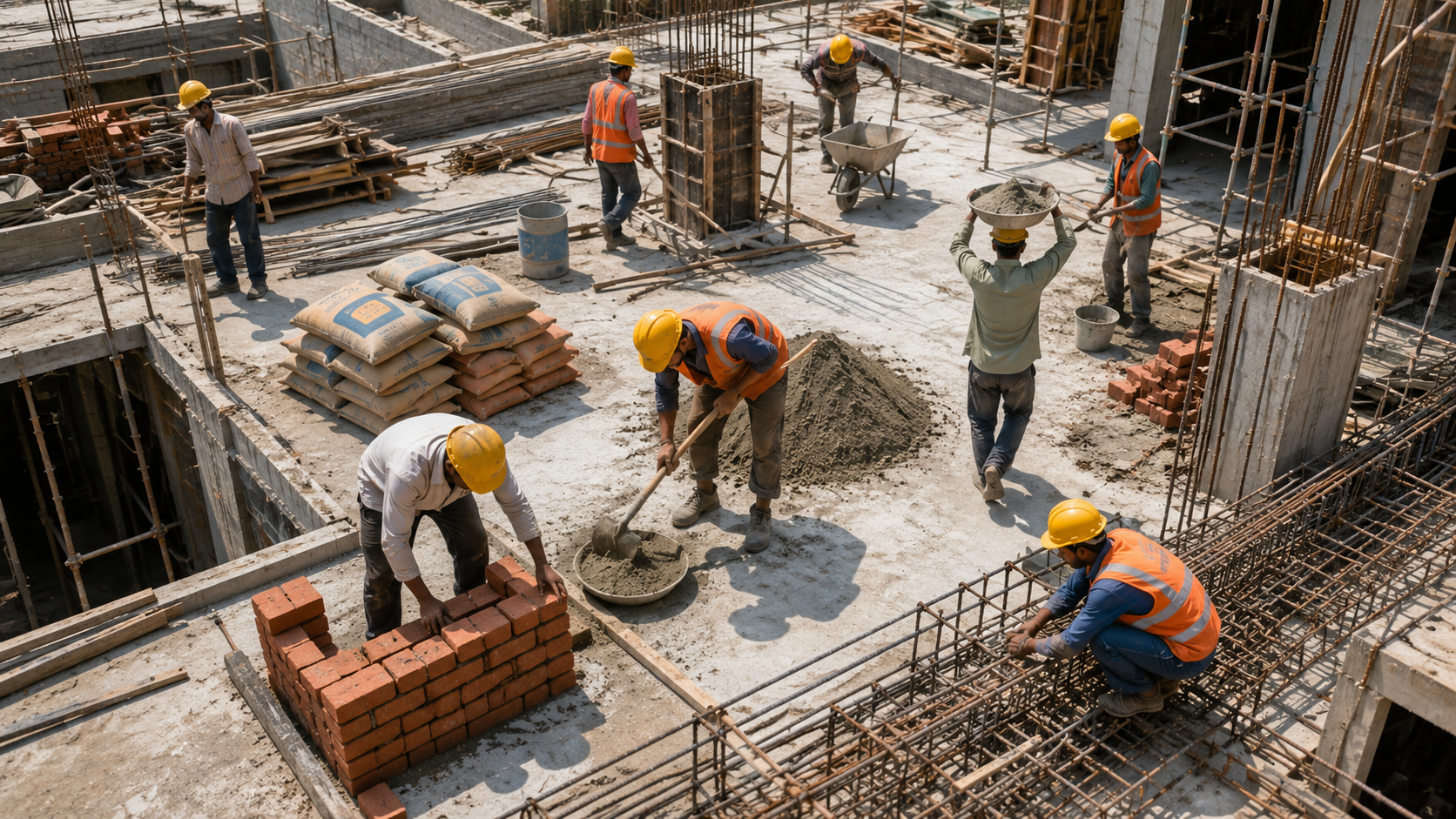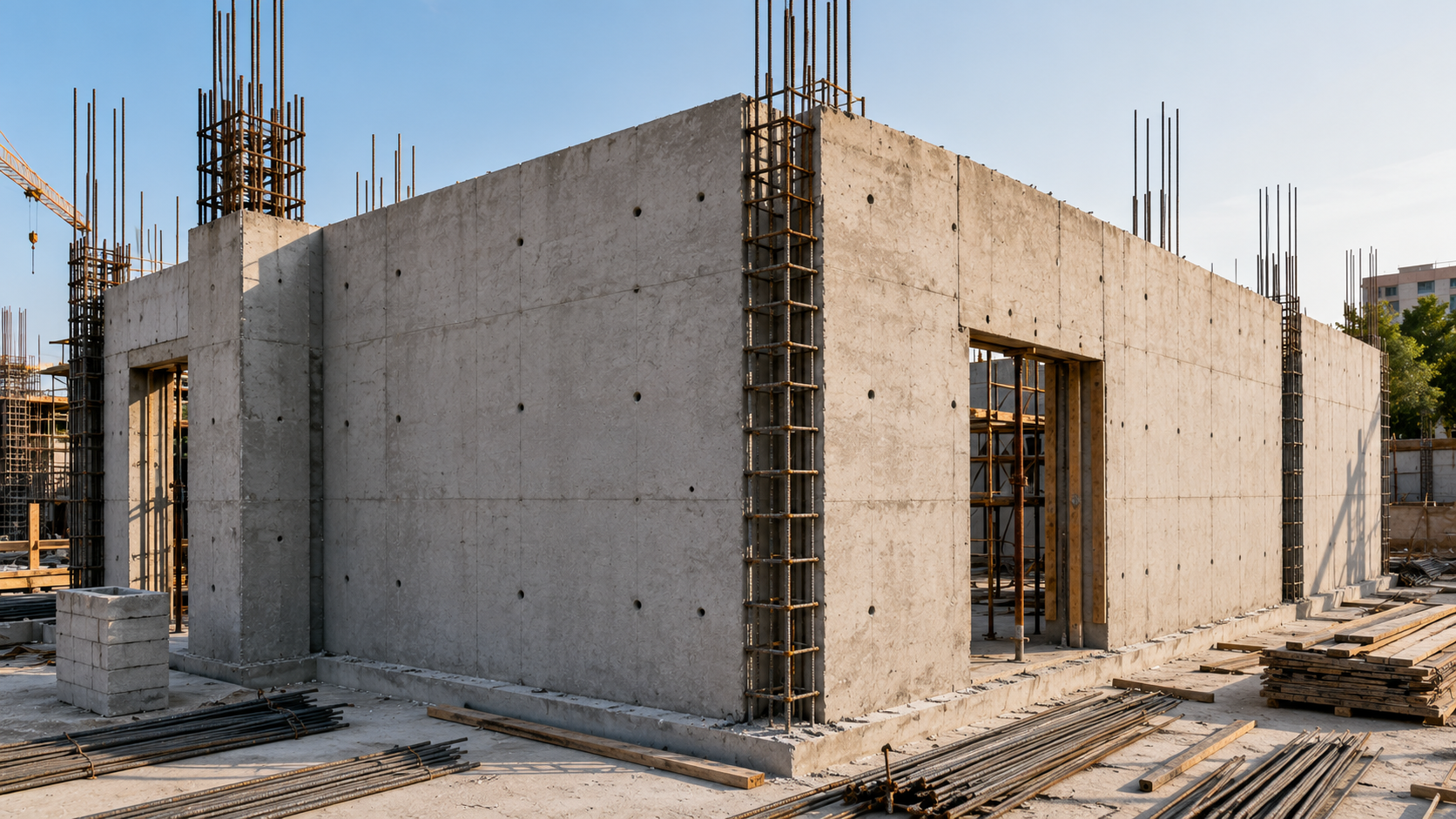


Building or renovating a home in 2026 presents a unique opportunity to integrate smart technology before your walls close. Unlike retrofitting an existing structure, new construction allows you to plan electrical infrastructure, cabling, and smart systems strategically—saving costs and avoiding the headache of drilling through finished walls later. This comprehensive guide walks you through what to wire, install, and future-proof in your Indian home construction project.
Why Plan Smart Home Infrastructure During Construction?
The cost of installing smart home technology during the construction phase is significantly lower than retrofitting. Running cables through walls, installing conduits, and planning electrical loads becomes seamless when walls are still open. In India, where construction costs vary dramatically by region—from ₹1,200 to ₹3,500 per square foot depending on the city—planning ahead can save 30-40% on smart home integration costs.
Moreover, future-proofing your home means designing systems that can adapt as technology evolves. A well-planned smart home infrastructure in Bangalore, Mumbai, Delhi, or Pune will accommodate new devices and protocols without requiring major renovations.
Build cost · Bengaluru, May 2026
Essential Wiring and Conduit Infrastructure
Network Cabling: The Backbone of Smart Homes
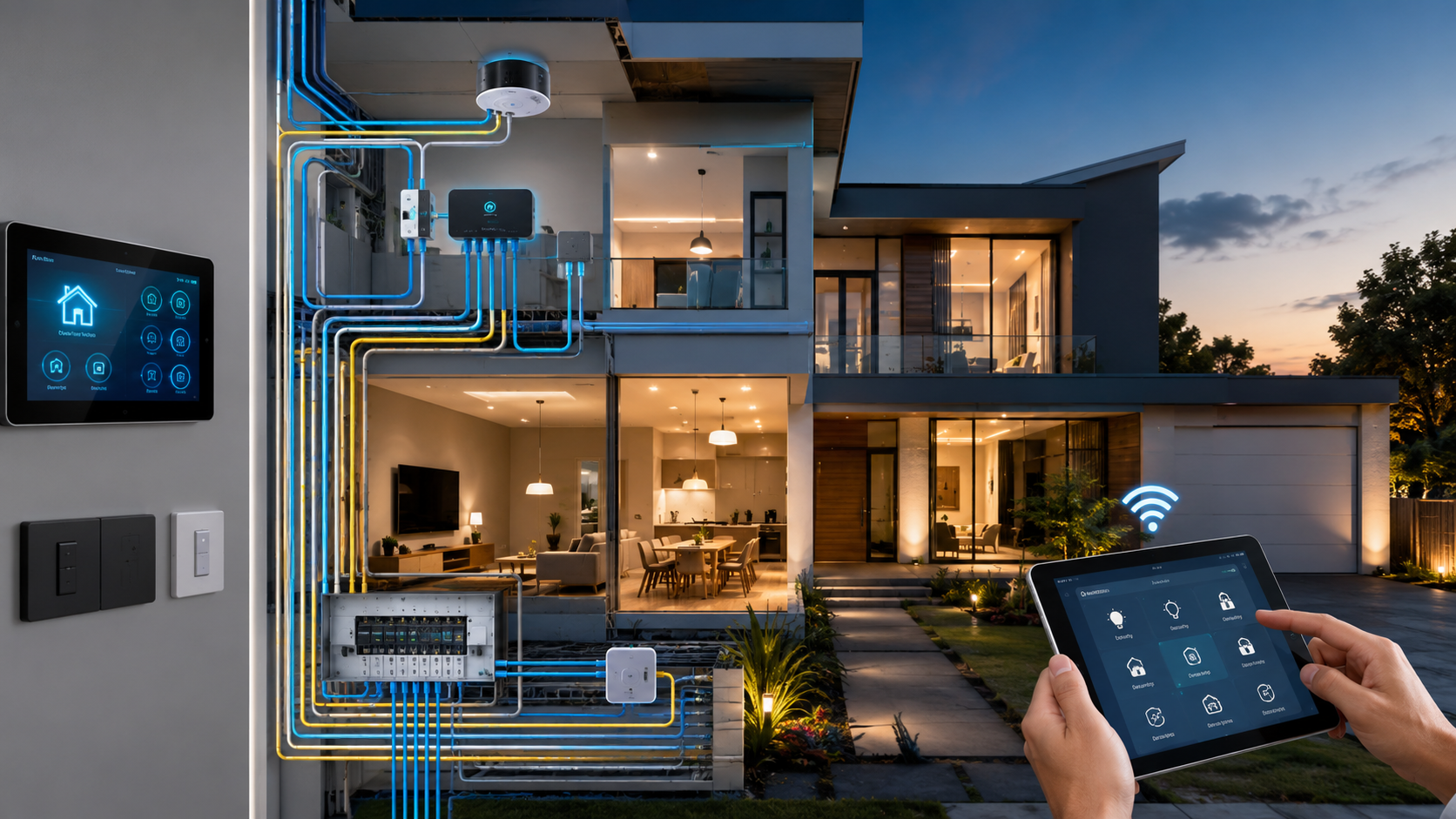
Before walls close, install Cat6A or Cat7 cabling throughout your home. This is non-negotiable for a truly smart home. Cat6A supports speeds up to 10 Gbps and is future-proof for at least the next decade. Run cables from a central distribution point (typically near your router or main electrical panel) to:
Every bedroom (at least one outlet per room)
Living areas and entertainment zones
Kitchen and dining areas
Home office or study
Outdoor areas (covered patios, balconies)
Basement or utility rooms
In Indian homes, where space constraints are common, running cables during construction prevents the need for unsightly surface-mounted conduits later. Budget approximately ₹50-80 per meter for quality Cat6A cabling, plus ₹150-250 per outlet for installation.
Electrical Conduit Systems
Install empty conduits (PVC pipes, 20mm diameter) alongside your primary electrical wiring. These future-proof your home for additional cables, smart sensors, or technologies you haven't even considered yet. Run conduits to:
All exterior walls (for future outdoor smart devices)
Ceiling cavities (for smart lighting and sensors)
Between floors (in multi-story homes)
Utility areas and technical rooms
This minimal investment during construction—roughly ₹20-30 per meter—prevents expensive wall demolition if you need to add systems later.
Frequently asked
Smart Electrical Panel and Power Distribution
Upgrading Your Electrical Panel
Your electrical panel is the command center for modern smart homes. During construction, ensure your panel accommodates:
Adequate capacity: Install a panel with 40-60% spare capacity for future smart devices. Most modern homes need at least 200A service.
Smart circuit breakers: Consider WiFi-enabled or IoT-compatible breakers that allow monitoring and control of individual circuits. Brands like Havells and Siemens offer smart breaker options in India.
Dedicated circuits: Plan separate circuits for smart home hubs, security systems, and critical devices like refrigerators or medical equipment.
Strategically Placed Power Outlets
Plan power outlets with smart home devices in mind. Install outlets at:
Eye level on walls for easy access to smart speakers and displays
Multiple locations in the kitchen for smart appliances
Bedside tables for charging and smart device connectivity
Exterior walls for outdoor smart devices and lighting
Utility rooms for hubs and networking equipment
Plan for at least 20-30% more outlets than you think you'll need. Smart homes evolve, and extra outlets are invaluable.
Smart Lighting Infrastructure
Wiring for Smart Lighting
Smart lighting is often the first system homeowners implement. During construction, prepare your home by:
Installing neutral wire to all light switches: Many smart bulbs and switches require a neutral wire, which older Indian homes often lack. Ensure this is wired during construction.
Running separate circuits for different zones: Create circuits for living areas, bedrooms, kitchen, and outdoor spaces. This allows granular control and prevents overloads.
Pre-planning smart switch locations: Decide where you want smart switches versus traditional ones. Smart switches should be at primary entry points and high-traffic areas.
Selecting Smart Lighting Protocols
Choose your smart lighting ecosystem early. Popular options in India include:
Philips Hue: Premium option, excellent reliability, works with most platforms
LIFX: WiFi-based, no hub required, good for Indian homes with strong WiFi
Zigbee-based systems: Lower power consumption, more reliable mesh networking
Local brands: Havells and Crompton offer increasingly smart lighting solutions at competitive Indian pricing
Whatever you choose, ensure your electrical infrastructure supports it. This means proper neutral wiring, adequate circuits, and planned outlet locations.
Climate Control and HVAC Automation
Smart Thermostat Preparation
Install wiring for smart thermostats during construction. This includes:
Running separate wiring from your HVAC system to your primary control location
Installing a dedicated circuit for your thermostat and HVAC system
Ensuring your electrical panel has capacity for future smart HVAC upgrades
In Indian climates—from the humid coastal regions of Kerala to the extreme heat of Delhi and Rajasthan—smart climate control can reduce energy costs by 15-25%. Brands like Voltas, Daikin, and LG offer increasingly smart air conditioning options.
Ducting and Sensor Placement
If your home uses central air conditioning or ducting, plan sensor placement during construction. Install temperature and humidity sensors in:
Master bedroom
Living areas
Kitchen
Home office
Run low-voltage wiring for these sensors through your conduit system before walls close.
Security and Access Control Systems
Structured Cabling for Security
Smart home security requires robust infrastructure. During construction, install:
Dedicated network runs: Separate from your general home network for security isolation
Conduits for camera cables: Run empty conduits to all exterior entry points and key interior locations
Power supplies: Plan dedicated circuits for security cameras, smart locks, and alarm systems
Smart Lock and Door Sensor Preparation
Plan your smart lock locations during construction. Ensure:
Your main entrance door frame can accommodate smart locks (some traditional Indian doors may need reinforcement)
Backup power options are available (battery backups for smart locks)
Network connectivity is strong at entry points
Popular smart lock options in India include Godrej, Aegis, and imported brands like Yale and August. Budget ₹15,000-40,000 per smart lock installation.
Water and Appliance Automation
Smart Water Management
India faces water scarcity in many regions. Smart water systems can reduce consumption by 20-30%. During construction, plan for:
Water meter connectivity: Install smart water meters that transmit usage data
Leak detection sensors: Run low-voltage wiring to potential problem areas (under sinks, near water heaters, in bathrooms)
Smart irrigation: If you have a garden, run wiring for smart irrigation controllers and soil moisture sensors
Smart Appliance Infrastructure
Modern appliances—refrigerators, washing machines, ovens—increasingly offer smart connectivity. Prepare your home by:
Installing dedicated circuits for high-power appliances
Ensuring strong WiFi coverage in kitchen and laundry areas
Planning outlet locations that accommodate smart appliances
Entertainment and Audio-Visual Systems
Whole-Home Audio Wiring
If you want multi-room audio, the time to wire is during construction. Run speaker cables and low-voltage wiring to:
Living room and entertainment areas
Bedrooms
Kitchen and dining areas
Outdoor spaces
Use quality speaker wire (12 AWG or better) and run it through your conduit system. Budget ₹100-200 per meter for installation.
Home Theater Preparation
For a dedicated home theater, plan during construction:
Dedicated circuit for AV equipment
Conduits for HDMI and audio cables
Acoustic considerations in wall construction
Proper ventilation for equipment cooling
Internet and WiFi Infrastructure
Mesh WiFi Planning
A strong, reliable WiFi network is the foundation of any smart home. During construction:
Plan multiple access point locations (one per 1,000-1,500 sq ft)
Run Cat6A cables to each access point location
Ensure your main router location has adequate power and ventilation
Consider a dedicated network closet or utility room for your networking equipment
In Indian homes, where construction materials and dense walls can block signals, proper WiFi infrastructure is crucial. Mesh systems like Netgear Orbi or TP-Link Deco can cost ₹8,000-20,000 but provide reliable coverage.
Backup Internet Options
Consider planning for backup internet connectivity:
Conduit for a second broadband line (fiber, if available)
Planning for mobile hotspot backup systems
Dedicated power for critical networking equipment with UPS backup
Energy Monitoring and Management
Smart Metering Infrastructure
With rising electricity costs across Indian cities, smart energy monitoring is increasingly important. Install:
Smart electricity meter: If your utility offers it, or plan for a sub-metering system
Circuit-level monitoring: Smart breakers or clamp meters on major circuits
Solar integration wiring: If you plan future solar installation, run conduits and wiring during construction
EV Charging Infrastructure
Even if you don't own an electric vehicle now, plan for it. Run a dedicated 32A circuit to your garage or parking area. This ₹5,000-10,000 investment now prevents expensive retrofitting when you're ready for an EV charger.
Future-Proofing Strategies
Protocol Agnosticism
Don't lock yourself into a single smart home platform too early. Ensure your infrastructure supports multiple protocols:
WiFi devices
Zigbee mesh networks
Z-Wave devices
Bluetooth connectivity
Thread-based devices (emerging standard)
This flexibility means you can choose the best device for each application, rather than being forced into a single ecosystem.
Overcapacity Planning
Build excess capacity into your infrastructure:
50% more conduit than you think you'll need
Extra network drops in every room
Spare circuits in your electrical panel
Additional power outlets throughout
The cost of installing these during construction is minimal compared to retrofitting later.
Budgeting for Smart Home Infrastructure
Here's a realistic budget for a 2,500 sq ft home in a major Indian city:
Network cabling and outlets: ₹80,000-120,000
Conduit installation: ₹40,000-60,000
Smart electrical panel upgrade: ₹30,000-50,000
Smart lighting wiring: ₹40,000-60,000
Security system infrastructure: ₹50,000-80,000
WiFi and networking: ₹30,000-50,000
Water and HVAC sensors: ₹25,000-40,000
Contingency (10%): ₹40,000-60,000
Total infrastructure cost: ₹3.35-5.20 lakhs
This represents 3-5% of total construction costs but provides the foundation for a truly smart home.
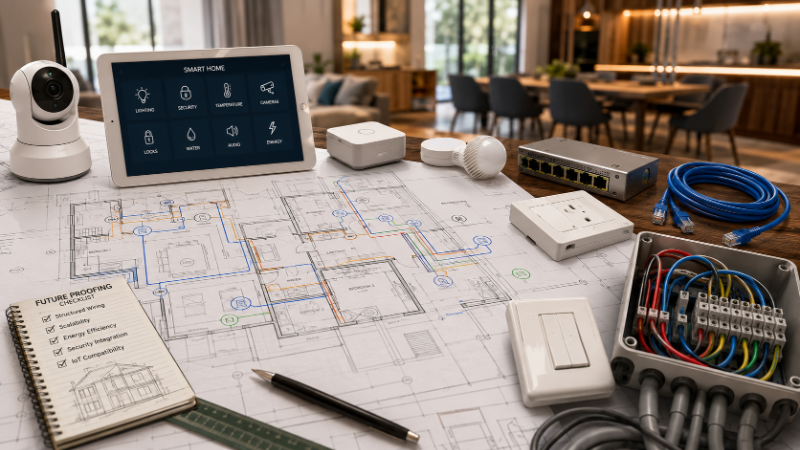
Working with Professionals on AECORD
Planning smart home infrastructure requires expertise in electrical systems, networking, and construction coordination. On AECORD, you can connect with electrical engineers, smart home consultants, and construction professionals who specialize in modern home automation. These experts can review your construction plans, recommend optimal infrastructure placement, and ensure everything is coordinated with your general contractor.
When selecting professionals on AECORD, look for those with experience in smart home projects in your specific Indian city. Climate, building codes, and available technologies vary significantly between regions. A consultant familiar with monsoon-resistant wiring in Kerala, for example, will have different recommendations than one in Jaipur.
Implementation Timeline
Coordinate smart home infrastructure installation with your construction timeline:
Design phase: Plan all wiring and infrastructure locations
Foundation and framing: Install main conduits and major cable runs
Wall framing: Run network cables and sensor wiring
Electrical rough-in: Install smart panel and circuits
Drywall: Final inspection of all hidden infrastructure
Final electrical: Install outlets, switches, and access points
Conclusion: Building for Tomorrow Today
Smart home construction in 2026 is not about installing the latest gadgets—it's about creating infrastructure that will support whatever technologies emerge over the next decade. By planning network cabling, electrical capacity, conduit systems, and sensor placement during construction, you're investing in flexibility, reducing future costs, and ensuring your home can evolve with your needs.
The difference between a home that can easily integrate new smart technologies and one that cannot often comes down to decisions made before the walls close. Whether you're building in Bangalore, Mumbai, Delhi, or Pune, these principles remain consistent: plan for capacity, ensure connectivity, and future-proof your infrastructure.
Ready to start planning your smart home infrastructure? Connect with experienced electrical engineers and smart home consultants on AECORD today. Find professionals in your area who can review your construction plans, recommend optimal system placement, and ensure your new home is truly ready for the future.