



Understanding Natural Wood Polymer Modified Architectural Shingles
Architectural shingles have revolutionized the roofing industry, and the introduction of polymer-modified natural wood variants has taken this innovation further. These advanced roofing materials combine the aesthetic appeal of traditional wood shingles with the durability and weather resistance of modern polymer technology. For architects, contractors, and building owners across India, understanding these materials is essential for making informed decisions about long-term roofing investments.
Natural wood polymer modified architectural shingles represent a significant advancement in roofing technology. They offer a sophisticated blend of natural materials and synthetic enhancements, creating a product that addresses many of the limitations of conventional wood shingles while maintaining their distinctive visual character. This comprehensive guide explores everything you need to know about these innovative roofing materials.
Build cost · Bengaluru, May 2026
What Are Natural Wood Polymer Modified Architectural Shingles?
Material Composition and Structure
Natural wood polymer modified architectural shingles are engineered roofing products that combine genuine wood fibers with advanced polymer compounds. The wood component typically comes from sustainably harvested softwoods, while the polymer modification creates a protective matrix around the wood fibers. This combination results in a material that maintains the natural look and feel of wood while gaining significant performance enhancements.
The manufacturing process involves treating wood fibers with thermoplastic polymers under controlled conditions. This creates a composite material where the polymer acts as a protective barrier, preventing moisture penetration and reducing wood degradation. The result is a shingle that retains the warm, natural aesthetic of traditional wood while offering superior longevity.
Key Characteristics
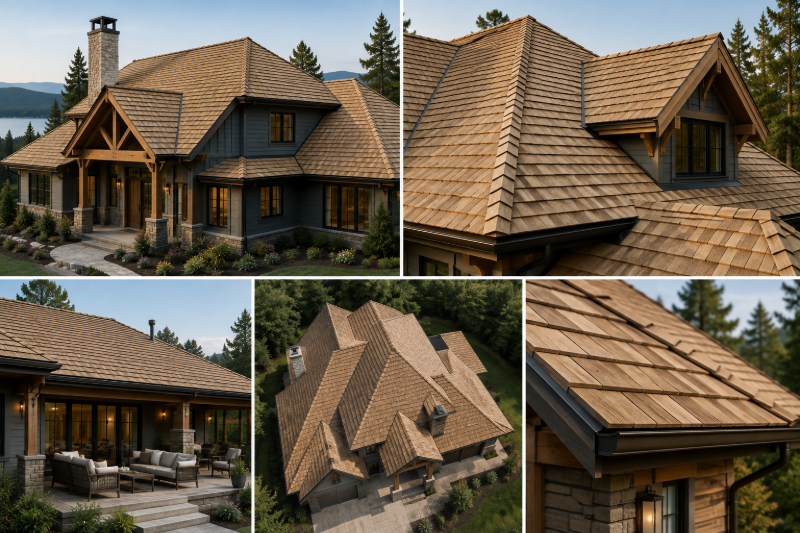
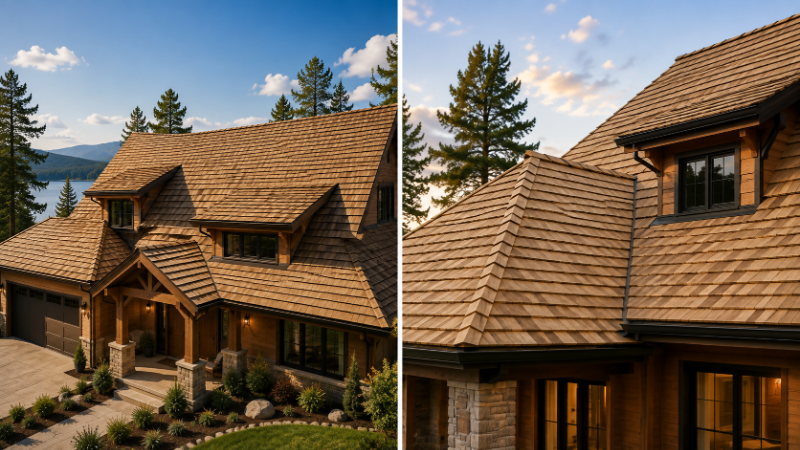
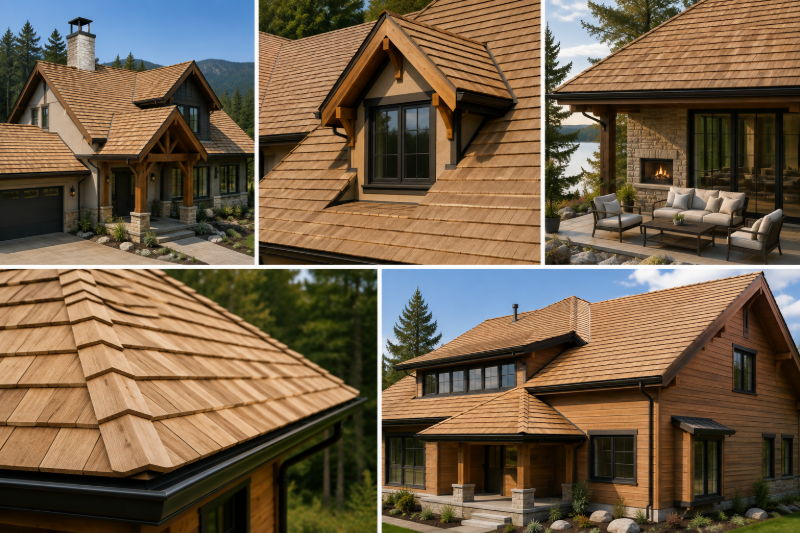
These shingles feature distinctive architectural profiles that create visual depth and shadow lines on the roof. Unlike standard flat shingles, architectural variants have a multi-layered appearance, with varying thicknesses and cutouts that mimic the look of traditional cedar shakes. The natural wood grain visible on the surface adds authenticity and character that synthetic alternatives cannot replicate.
The polymer modification provides several critical benefits: enhanced moisture resistance, improved dimensional stability, better resistance to fungal growth, and extended lifespan. For Indian climates with significant monsoon seasons, these properties are particularly valuable.
Frequently asked
Advantages of Natural Wood Polymer Modified Architectural Shingles
Superior Weather Resistance
India's diverse climate zones present unique challenges for roofing materials. From the heavy monsoons of Kerala and the Western Ghats to the intense sun of Rajasthan, roofing materials must withstand extreme conditions. Natural wood polymer modified architectural shingles excel in these environments.
The polymer modification creates a hydrophobic surface that resists water penetration during heavy rainfall. This is crucial for cities like Mumbai, Bangalore, and Kolkata, where monsoon rains can exceed 2,000mm annually. The shingles maintain their integrity even when exposed to continuous moisture, preventing the rotting and warping that plague traditional wood shingles.
Extended Lifespan
Traditional wood shingles typically last 15-20 years in Indian climate conditions before requiring replacement. Natural wood polymer modified architectural shingles can provide 25-40 years of service life, depending on maintenance and local climate conditions. This extended lifespan translates to significant cost savings over the building's lifetime.
The polymer protection prevents the degradation that typically occurs with untreated wood. UV radiation, temperature fluctuations, and moisture cycles that would normally compromise wood integrity are effectively mitigated by the polymer matrix.
Aesthetic Appeal
These shingles offer unmatched aesthetic versatility. The natural wood grain provides warmth and character that purely synthetic materials struggle to achieve. Architects across India's premium residential and commercial projects appreciate the ability to create sophisticated, high-end appearances while maintaining practical performance standards.
The architectural profile creates dramatic shadow lines and visual depth, making roofs more visually interesting than flat shingles. This is particularly valuable in upscale residential developments in cities like Delhi, Pune, and Hyderabad, where aesthetic differentiation commands premium pricing.
Environmental Sustainability
Many manufacturers of natural wood polymer modified architectural shingles source wood from sustainably managed forests. The extended lifespan means fewer replacements over time, reducing overall environmental impact. Additionally, the polymer component often incorporates recycled materials, further enhancing sustainability credentials.
For environmentally conscious developers and building owners, these shingles offer a compelling option that balances performance with ecological responsibility.
Performance in Indian Climate Conditions
Monsoon Resilience
The monsoon season presents the most significant challenge for roofing materials in India. Heavy rainfall, high humidity, and wind-driven moisture create conditions that can quickly degrade inferior materials. Natural wood polymer modified architectural shingles have demonstrated exceptional performance in these conditions.
The polymer modification prevents water absorption into the wood fibers, maintaining structural integrity even during extended wet periods. This is particularly important in coastal regions like Goa, Chennai, and Kochi, where salt spray and high humidity accelerate material degradation.
Temperature Fluctuations
India's temperature variations—from freezing nights in Himachal Pradesh to intense daytime heat in Delhi and Rajasthan—create significant thermal stress on roofing materials. The polymer matrix provides dimensional stability across these temperature ranges, preventing the expansion and contraction that causes traditional wood shingles to crack and warp.
UV and Sunlight Exposure
The intense solar radiation in Indian cities causes rapid degradation of many roofing materials. Premium natural wood polymer modified architectural shingles incorporate UV-resistant additives that protect the wood fibers and maintain color stability. This is especially important in high-altitude regions where UV intensity increases, such as Shimla and Manali.
Installation and Maintenance Considerations
Installation Requirements
Installing natural wood polymer modified architectural shingles requires specialized expertise. The installation process differs from standard asphalt shingles and demands knowledge of proper fastening techniques, ventilation requirements, and flashing installation. Working with experienced contractors familiar with these materials is essential.
When sourcing professionals for your project, platforms like AECORD can connect you with certified roofing contractors across major Indian cities who have demonstrated expertise with premium architectural shingles. Proper installation directly impacts the material's lifespan and performance.
Key installation considerations include:
Proper roof ventilation to prevent moisture accumulation
Correct fastener selection and placement
Appropriate underlayment and flashing materials
Compliance with local building codes and regulations
Thermal expansion allowances in high-temperature regions
Maintenance Requirements
While natural wood polymer modified architectural shingles require less maintenance than traditional wood shingles, regular care extends their lifespan. Annual inspections during the pre-monsoon season are recommended to identify any issues before heavy rains arrive.
Maintenance tasks include:
Clearing debris and leaves from the roof surface and gutters
Inspecting for moss or algae growth in humid regions
Checking flashing and seals for integrity
Addressing any damaged or lifted shingles promptly
Ensuring proper drainage around the roof perimeter
The polymer modification significantly reduces the growth of moss and algae compared to untreated wood, making maintenance simpler and less frequent.
Cost Analysis for Indian Projects
Material Costs
Natural wood polymer modified architectural shingles represent a premium roofing option. In the Indian market, expect material costs ranging from ₹800 to ₹1,500 per square meter, depending on quality, brand, and specific product features. This is significantly higher than standard asphalt shingles (₹200-400 per square meter) but competitive with other premium options.
For a typical 2,000 square meter residential roof in Bangalore or Mumbai, material costs would range from ₹16,00,000 to ₹30,00,000. When considering the 25-40 year lifespan, the annual cost amortization becomes quite reasonable compared to replacing inferior materials every 15-20 years.
Installation Costs
Installation labor costs vary by region and contractor expertise. In metropolitan areas like Delhi, Bangalore, and Mumbai, expect installation costs of ₹200-400 per square meter. Specialized techniques required for architectural shingles command premium labor rates compared to standard shingle installation.
Long-Term Value Proposition
While initial investment is substantial, the long-term value is compelling. A building owner investing ₹40,00,000 in a premium roof with a 35-year lifespan pays approximately ₹1,14,000 annually. This compares favorably to replacing a ₹15,00,000 asphalt roof every 15 years, which costs approximately ₹1,00,000 annually—without accounting for inflation.
Additionally, premium roofing materials enhance property values in upscale residential and commercial segments, often justifying the investment through increased sale or rental value.
Comparison with Alternative Roofing Materials
Versus Traditional Wood Shingles
Traditional wood shingles offer aesthetic appeal but require regular maintenance and have limited lifespan in Indian climates. They're susceptible to rot, insect damage, and fungal growth. Natural wood polymer modified architectural shingles provide the same aesthetic with superior durability and minimal maintenance.
Versus Asphalt Shingles
Standard asphalt shingles are affordable but lack the aesthetic sophistication and longevity of polymer-modified wood alternatives. They also degrade faster under intense Indian sunlight and require more frequent replacement.
Versus Metal Roofing
Metal roofing offers durability but lacks the natural aesthetic of wood. Metal roofs can be noisier during rain and may require specialized installation. Natural wood polymer modified architectural shingles offer a middle ground—durability with natural beauty.
Versus Ceramic Tiles
Traditional ceramic tiles are popular in India but are heavier, more brittle, and require stronger structural support. Polymer-modified wood shingles are lighter, easier to install, and provide comparable longevity with superior aesthetic flexibility.
Regulatory Compliance and Building Codes
Indian Building Standards
Roofing materials must comply with Indian Standards (IS codes), particularly IS 1077 for clay tiles and IS 1170 for asphalt shingles. While specific codes for polymer-modified wood architectural shingles are still evolving, manufacturers must ensure their products meet fire safety, weather resistance, and durability standards.
Before specifying these materials for your project, verify compliance with local municipal building codes in your specific city. Standards vary between Delhi, Mumbai, Bangalore, Chennai, and other metropolitan areas.
Fire Rating Requirements
Premium natural wood polymer modified architectural shingles typically achieve Class A fire ratings, meeting Indian fire safety requirements. This is particularly important for multi-story residential and commercial buildings where fire codes are stringently enforced.
Finding the Right Professionals
Successful projects using natural wood polymer modified architectural shingles depend on working with experienced professionals who understand these materials. AECORD provides a platform to connect with certified architects, structural engineers, and roofing contractors across India who specialize in premium roofing solutions.
When selecting professionals, look for:
Demonstrated experience with architectural shingles
Proper certifications and insurance
References from completed projects in your region
Understanding of local climate conditions and building codes
Warranty offerings and maintenance support
Future Trends and Innovations
The roofing industry continues to evolve. Emerging trends include enhanced polymer formulations with improved UV resistance, integrated solar capabilities, and improved sustainability through increased recycled content. Manufacturers are also developing products specifically engineered for tropical climates like India's.
As demand for premium, sustainable roofing solutions grows, natural wood polymer modified architectural shingles will likely see increased adoption in India's high-end residential and commercial segments.
Conclusion
Natural wood polymer modified architectural shingles represent a sophisticated roofing solution that combines aesthetic appeal with exceptional performance. For Indian architects, contractors, and building owners seeking premium roofing materials that withstand monsoons, intense sunlight, and temperature fluctuations while maintaining natural beauty, these shingles offer compelling advantages.
While the initial investment is substantial, the extended lifespan, minimal maintenance requirements, and aesthetic value justify the cost for quality-conscious projects. Whether you're designing a luxury residential development in Pune, a commercial complex in Hyderabad, or a hillside retreat in Himachal Pradesh, polymer-modified architectural shingles deliver performance and beauty.
Ready to explore natural wood polymer modified architectural shingles for your next project? Connect with experienced roofing professionals, architects, and contractors on AECORD who specialize in premium roofing solutions across India. Browse portfolios, compare expertise, and find the right team to bring your roofing vision to life with materials that will protect and beautify your building for decades to come.
```
Frequently Asked Questions
What is the difference between natural wood polymer modified shingles and traditional wood shingles?
Natural wood polymer modified shingles combine genuine wood fibers with advanced polymer compounds that create a protective barrier around the wood. This gives them superior moisture resistance, extended lifespan (25-40 years vs. 15-20 years), and better resistance to fungal growth while maintaining the authentic aesthetic of traditional wood shingles.
How do polymer modified architectural shingles perform in monsoon climates?
These shingles excel in monsoon regions like India due to their hydrophobic polymer coating that resists water penetration during heavy rainfall. The polymer modification prevents the rotting and warping that typically affects traditional wood shingles, making them ideal for areas receiving over 2,000mm of annual rainfall.
What is the typical lifespan of natural wood polymer modified architectural shingles?
These shingles can provide 25-40 years of service life depending on maintenance and local climate conditions, which is significantly longer than traditional wood shingles that typically last 15-20 years in Indian climates.
Are natural wood polymer modified shingles environmentally sustainable?
Yes, these shingles use sustainably harvested softwood fibers combined with polymer technology, creating a durable product that requires less frequent replacement than traditional wood shingles, thereby reducing long-term environmental impact.
What makes the architectural profile of these shingles visually distinctive?
Architectural variants feature multi-layered appearances with varying thicknesses and cutouts that mimic traditional cedar shakes, creating visual depth and shadow lines. The natural wood grain visible on the surface adds authenticity that synthetic alternatives cannot replicate.