

When it comes to flooring and wall cladding, the choice between natural stone and porcelain tiles can significantly impact both the aesthetic appeal and long-term maintenance of your home. In India's diverse climate—from humid coastal regions to dry interiors—understanding the pros and cons of each material is essential for making an informed decision. This comprehensive guide explores the key differences between natural stone and porcelain tiles to help you choose the best option for your space.
Understanding Natural Stone Tiles
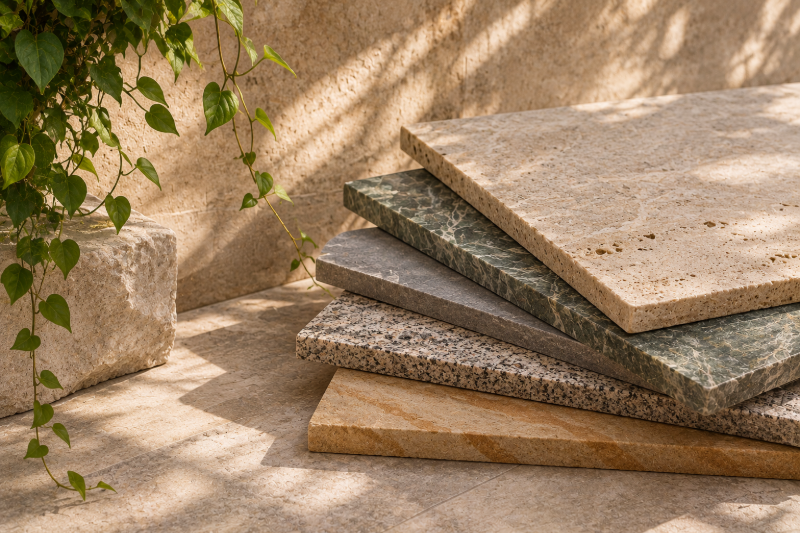
Natural stone tiles are quarried directly from the earth and include materials such as marble, granite, limestone, slate, and travertine. Each piece is unique, with variations in color, pattern, and texture that add character and elegance to any space.
Build cost · Bengaluru, May 2026
Characteristics of Natural Stone
Natural stone tiles offer unparalleled aesthetic appeal. Marble, for instance, has been a symbol of luxury for centuries, while granite provides a bold, sophisticated look. The natural variations in veining and color patterns mean no two tiles are exactly alike, creating a truly one-of-a-kind appearance in your home.
In terms of durability, granite stands out as one of the hardest natural stones, making it suitable for high-traffic areas. However, softer stones like marble and limestone are more prone to scratching and etching from acidic substances. The porosity of natural stone also means it can absorb liquids, which is why proper sealing is crucial, especially in kitchens and bathrooms.
Cost Considerations for Natural Stone
Natural stone tiles in India typically range from ₹150 to ₹800 per square foot, depending on the type and quality. Premium marble varieties from Rajasthan or imported Italian marble can exceed ₹1,000 per square foot. Installation costs add another ₹50 to ₹200 per square foot, bringing total project expenses significantly higher than many alternatives.
The initial investment is substantial, but many homeowners view it as a long-term value addition to their property. High-end residential projects in cities like Mumbai, Bangalore, and Delhi often feature natural stone for its prestige and timeless appeal.
Understanding Porcelain Tiles
Porcelain tiles are manufactured from clay and other materials that are fired at extremely high temperatures, resulting in a dense, non-porous product. They're engineered to mimic the appearance of natural stone, wood, or concrete while offering superior practical benefits.
Frequently asked
Characteristics of Porcelain Tiles
Porcelain tiles are incredibly durable and resistant to water absorption, making them ideal for Indian bathrooms and kitchens where moisture is a concern. They don't require sealing and are highly resistant to staining, scratching, and fading. The manufacturing process allows for consistent quality and appearance across all tiles, which appeals to those seeking uniformity in their design.
Modern porcelain tiles come in an impressive variety of designs that convincingly replicate natural stone, wood grain, and other textures. Large-format porcelain tiles (60x120 cm or larger) have become increasingly popular, offering a contemporary look with fewer grout lines.
Cost Considerations for Porcelain Tiles
Porcelain tiles are generally more affordable than natural stone, ranging from ₹60 to ₹400 per square foot depending on design complexity and brand. Installation costs are similar to natural stone, around ₹40 to ₹150 per square foot. This makes porcelain a budget-friendly option without sacrificing aesthetics or durability.
Durability Comparison
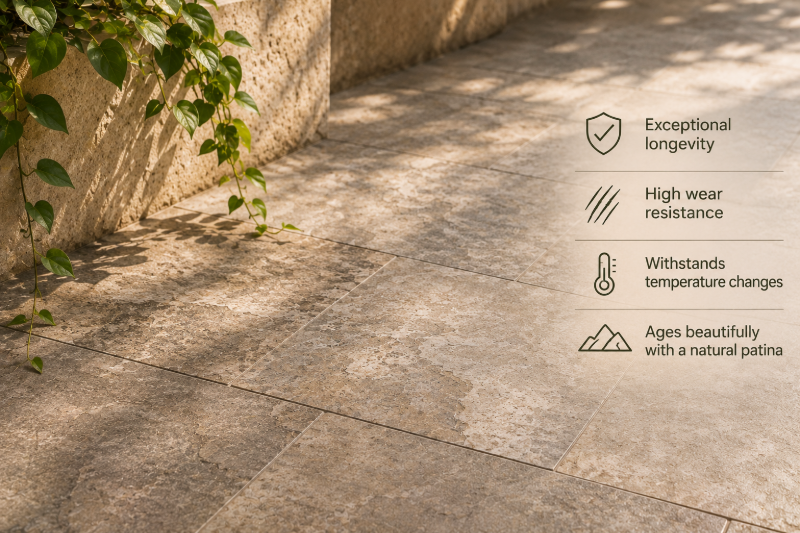
Natural Stone Durability
The durability of natural stone varies significantly by type. Granite and slate are exceptionally hard and can withstand heavy foot traffic for decades. Marble and limestone are softer and more susceptible to damage. In India's climate, natural stone can be affected by humidity, temperature fluctuations, and pollution, particularly in metropolitan areas.
Natural stone requires regular maintenance to preserve its appearance. Sealing should be done annually or bi-annually, depending on the stone type and usage. Without proper care, stains and etching become permanent, affecting the stone's beauty.
Porcelain Durability
Porcelain tiles are engineered for longevity. They resist moisture, staining, and scratching far better than natural stone. The Mohs hardness rating of porcelain (8-9) rivals that of granite, making it suitable for high-traffic commercial and residential spaces. Porcelain tiles can last 25-30 years with minimal maintenance.
In India's diverse climate zones—from the monsoon-heavy regions of Kerala and Mumbai to the dry heat of Rajasthan—porcelain tiles maintain their integrity without seasonal expansion or contraction issues that sometimes affect natural stone.
Aesthetic Appeal and Design Options
Natural Stone Aesthetics
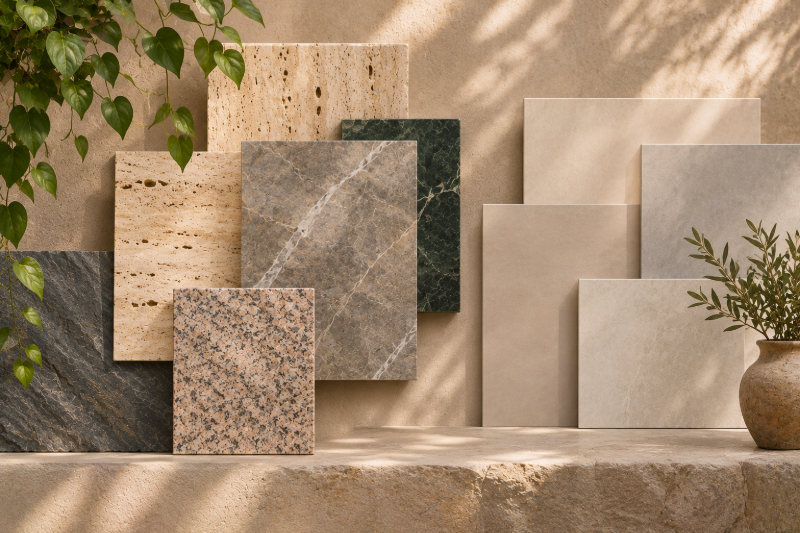
Natural stone offers unmatched aesthetic authenticity. The organic patterns, subtle color variations, and tactile qualities create a luxurious, timeless appearance. Marble conveys elegance and sophistication, while granite offers strength and grandeur. Slate provides rustic charm, and travertine brings Mediterranean warmth to spaces.
However, the uniqueness of each stone piece means you must carefully select and match tiles during installation to ensure visual harmony. This requires more time and expertise from your installation team on AECORD or other professional networks.
Porcelain Aesthetics
Porcelain tiles have made remarkable strides in design innovation. Manufacturers now produce tiles that faithfully replicate natural stone, wood, concrete, and even fabric textures. The advantage is consistency—every tile looks identical, which some prefer for a modern, cohesive aesthetic.
Large-format porcelain tiles create a seamless, contemporary look with minimal grout lines. This is particularly popular in modern Indian homes where minimalist design is trending. Porcelain also comes in bold colors and geometric patterns that natural stone cannot achieve.
Maintenance Requirements
Natural Stone Maintenance
Natural stone demands consistent care. Daily maintenance involves wiping spills immediately to prevent staining, especially on marble and limestone. Weekly cleaning should use pH-neutral cleaners specifically designed for stone—acidic cleaners like vinegar or lemon juice can etch surfaces permanently.
Annual or bi-annual sealing is necessary to maintain the stone's water resistance. In humid Indian cities, this becomes even more critical to prevent mold and moisture penetration. Professional re-polishing every 3-5 years helps restore the stone's original luster.
Costs for professional stone maintenance in India typically range from ₹500 to ₹2,000 per visit, depending on the area size and treatment required. Over a decade, these maintenance expenses can be substantial.
Porcelain Maintenance
Porcelain tiles are remarkably low-maintenance. Regular sweeping and mopping with mild detergent and water is typically all that's needed. No sealing is required, and the tiles resist staining from common household substances.
The main maintenance consideration is grout—the material between tiles. Standard grout can stain and harbor bacteria, but epoxy or urethane grout options are more durable and easier to clean. This minimal maintenance makes porcelain ideal for busy households and commercial spaces.
Installation Considerations
Installing Natural Stone
Natural stone installation requires skilled professionals experienced in working with the specific stone type. Marble, for instance, needs careful handling to avoid chipping. The substrate must be perfectly level, as natural stone doesn't hide imperfections well.
Installation time is longer due to the need for individual tile selection and matching. Some stones require special adhesives and techniques. In India, finding experienced stone installers is easier in metropolitan areas like Delhi, Mumbai, and Bangalore, but may be challenging in smaller cities.
Installing Porcelain Tiles
Porcelain installation is more straightforward and faster than natural stone. The uniform size and consistency mean less time spent on selection and matching. Standard thin-set mortar works well, and the installation process is more forgiving of minor substrate imperfections.
Large-format porcelain tiles require precise installation to avoid lippage (uneven edges), but the process remains simpler than natural stone work. Most experienced tile installers can handle porcelain efficiently, making it easier to find qualified professionals through platforms like AECORD.
Environmental and Sustainability Factors
Natural Stone Sustainability
Natural stone is a finite resource, and quarrying has environmental impacts. However, stone is entirely natural, recyclable, and doesn't require manufacturing energy-intensive processes. Locally sourced Indian stone—such as granite from Karnataka or marble from Rajasthan—has lower transportation emissions.
The longevity of natural stone means fewer replacements over time, which can offset initial environmental concerns. A marble floor lasting 50+ years has a lower lifetime environmental impact than materials requiring frequent replacement.
Porcelain Sustainability
Porcelain manufacturing requires significant energy for high-temperature firing, contributing to its carbon footprint. However, modern manufacturers are increasingly adopting sustainable practices, using recycled materials, and improving energy efficiency.
Porcelain's durability (25-30 years) and low maintenance requirements reduce overall environmental impact. The material is recyclable, though recycling infrastructure in India is still developing. Many manufacturers now produce eco-friendly porcelain options with certifications.
Climate Suitability for Indian Homes
Natural Stone in Indian Climate
India's varied climate presents challenges for natural stone. In humid regions like Mumbai, Kerala, and Goa, moisture absorption can lead to mold growth and deterioration. Coastal areas' salt air can corrode certain stone types. In dry regions like Rajasthan and Delhi, temperature fluctuations can cause expansion and contraction, leading to cracking.
Proper sealing and ventilation are essential for natural stone in Indian homes. The monsoon season particularly demands careful attention to prevent water seepage and damage.
Porcelain in Indian Climate
Porcelain tiles excel in India's climate diversity. Their non-porous nature makes them ideal for humid coastal regions. They resist salt air corrosion, thermal expansion, and moisture-related issues. Whether in the monsoon zones of the Western Ghats or the desert heat of Rajasthan, porcelain maintains its integrity without special precautions.
Making Your Decision: Key Factors
Budget: If cost is a primary concern, porcelain tiles offer superior value. Natural stone is a premium investment.
Lifestyle: High-traffic households with children or pets benefit from porcelain's durability and low maintenance. Those willing to invest in regular maintenance can enjoy natural stone's luxury.
Aesthetic Preference: Choose natural stone for timeless elegance and unique character. Select porcelain for modern consistency and design versatility.
Climate Location: In humid or coastal Indian regions, porcelain is more practical. In drier areas with proper maintenance commitment, natural stone can thrive.
Space Application: Kitchens and bathrooms benefit from porcelain's water resistance. Living rooms and bedrooms can showcase natural stone's elegance.
Finding the Right Professionals
Whether you choose natural stone or porcelain tiles, professional installation is crucial for success. Experienced architects, designers, and installers understand the nuances of each material and can guide you toward the best choice for your specific needs and location in India.
AECORD connects you with vetted professionals across India who specialize in flooring solutions. From initial consultation to final installation, finding the right expert ensures your investment delivers lasting beauty and functionality.
Conclusion
The choice between natural stone and porcelain tiles ultimately depends on your priorities. Natural stone offers timeless beauty and prestige but requires significant investment and maintenance. Porcelain provides durability, affordability, and ease of care with impressive aesthetic options.
For most Indian homeowners, the decision comes down to budget, lifestyle, and climate. Consider your long-term commitment to maintenance, your home's location, and how you envision your space evolving over time. Both materials, when properly selected and installed, can enhance your home's value and beauty for decades to come.
Ready to start your flooring project? Browse experienced architects, designers, and installation professionals on AECORD to find the perfect expert for your natural stone or porcelain tile project. Get personalized recommendations based on your specific needs, budget, and location across India.
Frequently Asked Questions
Which is more durable for Indian bathrooms and kitchens: natural stone or porcelain tiles?
Porcelain tiles are more durable for Indian bathrooms and kitchens due to their non-porous nature and superior water resistance. They don't require sealing and resist staining and moisture damage, making them ideal for humid coastal regions and high-moisture environments.
What is the cost difference between natural stone and porcelain tiles in India?
Natural stone tiles in India range from ₹150 to ₹800+ per square foot, while porcelain tiles are more affordable at ₹60 to ₹400 per square foot. When including installation costs, porcelain tiles offer significant savings without compromising on aesthetics or durability.
Do natural stone tiles require more maintenance than porcelain?
Yes, natural stone tiles require more maintenance as they need regular sealing to prevent liquid absorption and are susceptible to scratching and etching from acidic substances. Porcelain tiles are virtually maintenance-free and don't require sealing.
Which tile option provides a more unique aesthetic appearance?
Natural stone tiles offer unparalleled uniqueness since each piece has distinct variations in color, pattern, and texture, creating a one-of-a-kind appearance. Porcelain tiles provide consistent uniformity but can convincingly replicate natural stone aesthetics through modern manufacturing.
Is granite or marble better for high-traffic areas in homes?
Granite is better for high-traffic areas as it's one of the hardest natural stones and can withstand heavy foot traffic for decades. Marble and limestone are softer and more prone to scratching, making them better suited for low-traffic or decorative applications.
Frequently Asked Questions
Is natural stone or porcelain tiles better for Indian kitchens and bathrooms?
Porcelain tiles are generally better for Indian kitchens and bathrooms due to their non-porous nature and resistance to water absorption, which is crucial in humid climates. Natural stone requires regular sealing to prevent moisture damage and staining from acidic substances, making porcelain a more low-maintenance choice for wet areas.
What is the cost difference between natural stone and porcelain tiles in India?
Natural stone tiles in India typically cost ₹150 to ₹800 per square foot (with premium varieties exceeding ₹1,000), while porcelain tiles range from ₹60 to ₹400 per square foot. This makes porcelain significantly more budget-friendly, though both materials have similar installation costs of ₹40 to ₹200 per square foot.
Which material requires more maintenance: natural stone or porcelain tiles?
Natural stone requires more maintenance as it needs regular sealing, especially in kitchens and bathrooms, and is prone to scratching and etching from acidic substances. Porcelain tiles are non-porous, don't require sealing, and are highly resistant to staining and scratching, making them significantly easier to maintain.
Does natural stone add more value to a home than porcelain tiles?
Natural stone, particularly marble and granite, is traditionally viewed as a prestige material that adds long-term value to high-end residential properties in major Indian cities. However, modern porcelain tiles that convincingly replicate natural stone can provide similar aesthetic appeal at a fraction of the cost and with superior durability.
What are the differences in durability between marble, granite, and porcelain tiles?
Granite is one of the hardest natural stones suitable for high-traffic areas, while marble and limestone are softer and more prone to scratching and etching. Porcelain tiles are engineered to be exceptionally durable, water-resistant, and resistant to staining and fading, making them more consistent in performance across all applications.
Frequently Asked Questions
Is natural stone or porcelain tile better for Indian kitchens and bathrooms?
Porcelain tiles are generally better for Indian kitchens and bathrooms due to their non-porous nature and resistance to water absorption, which is crucial in humid climates. Natural stone requires regular sealing to prevent moisture damage and staining from acidic substances.
What is the cost difference between natural stone and porcelain tiles in India?
Natural stone tiles typically cost ₹150 to ₹800+ per square foot, while porcelain tiles range from ₹60 to ₹400 per square foot. When including installation costs, porcelain is significantly more budget-friendly without compromising durability or aesthetics.
Which tile material requires more maintenance: natural stone or porcelain?
Natural stone requires more maintenance, including regular sealing and careful cleaning to avoid etching from acidic substances, especially softer stones like marble and limestone. Porcelain tiles are low-maintenance, don't require sealing, and are highly resistant to staining and scratching.
Does porcelain tile look as good as natural stone?
Modern porcelain tiles convincingly replicate the appearance of natural stone, wood, and concrete through advanced manufacturing techniques. Large-format porcelain tiles offer a contemporary look with fewer grout lines, though some prefer the unique variations found in natural stone.
Which tile is more durable for high-traffic areas?
Both can be durable for high-traffic areas, but it depends on the stone type. Granite is exceptionally hard and long-lasting, while softer stones like marble are more prone to scratching. Porcelain tiles are consistently durable across all products and highly resistant to wear and damage.