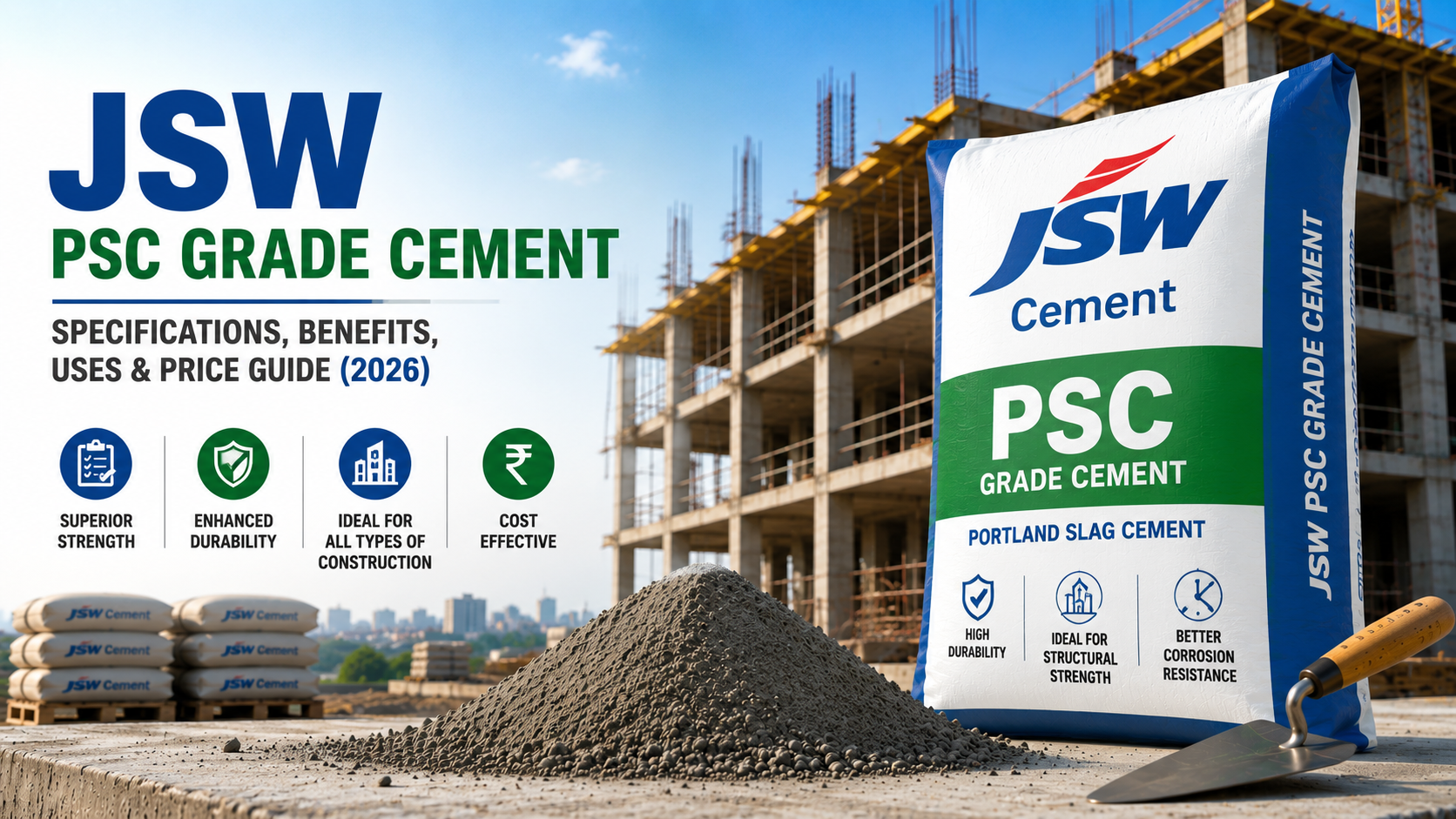


Understanding Malabar Super PPC Cement: A Comprehensive Guide for Indian Construction Professionals
In the Indian construction industry, cement selection plays a crucial role in determining the longevity, durability, and cost-effectiveness of any project. Among the various cement options available in the market, Malabar Super PPC (Pozzolana Portland Cement) has emerged as a popular choice for builders, contractors, and engineers across the country. This comprehensive guide will help you understand what makes this cement special, its applications, benefits, and how it compares with other cement varieties available in India.
Build cost · Bengaluru, May 2026
What is Malabar Super PPC Cement?
Malabar Super PPC is a type of Pozzolana Portland Cement manufactured by Malabar Cement, one of India's leading cement producers. PPC cement is a blended cement that combines Portland cement clinker with pozzolanic materials like fly ash. The "Super" designation indicates that this particular variant offers enhanced properties compared to standard PPC cement.
The polythene bag packaging (often referenced as in inventory systems) typically contains 50 kg of cement, which is the standard weight for most cement bags sold in India. This packaging is designed to protect the cement from moisture and environmental degradation during storage and transportation.
Key Characteristics of Malabar Super PPC Cement
Malabar Super PPC cement is formulated to meet the Indian Standards (IS 1489-1994) for PPC cement. Here are the primary characteristics that make it a preferred choice for many construction projects:
Lower Heat of Hydration: The pozzolanic content reduces the heat generated during the curing process, making it ideal for massive concrete structures and projects in warm climates.
Enhanced Durability: The pozzolanic reaction creates a denser concrete microstructure, improving resistance to sulfate attacks and chloride ingress.
Improved Workability: PPC cement typically offers better workability in concrete mixes, reducing water demand and improving flow characteristics.
Cost-Effectiveness: Due to the blending of fly ash, PPC cement is generally more economical than OPC (Ordinary Portland Cement), making it a budget-friendly option for large-scale projects. /blog/ppc-vs-opc-cement-which-is-better-for-house-construction-in-india
Environmental Benefits: The use of fly ash, a byproduct of coal-fired power plants, promotes sustainable construction practices and reduces carbon footprint.
Specifications and Technical Properties
When purchasing Malabar Super PPC cement, it's important to understand its technical specifications to ensure it meets your project requirements:
Compressive Strength: Typically achieves 23 MPa at 28 days, meeting IS standards for general construction work.
Setting Time: Initial setting time ranges from 45-180 minutes, allowing adequate working time for construction activities.
Fineness: Specific surface area of 320-380 m²/kg, ensuring proper hydration and strength development.
Soundness: Le Chatelier expansion test results remain within acceptable limits, preventing cracking and expansion issues.
Pozzolanic Content: Contains 20-40% pozzolanic material, which is the defining characteristic of PPC cement.
Frequently asked
Applications of Malabar Super PPC Cement in Indian Construction
Malabar Super PPC cement is suitable for a wide range of construction applications across India. Understanding where to use this cement can help optimize project performance and costs:
Residential Construction
For residential buildings in cities like Bangalore, Hyderabad, and Chennai, Malabar Super PPC cement is an excellent choice. It provides good durability for multi-story apartments and individual houses, particularly in regions with high humidity or coastal areas where sulfate resistance is important. The cost savings compared to OPC can be significant for large residential complexes.
Infrastructure and Massive Structures
The low heat of hydration makes Malabar Super PPC cement ideal for large concrete pours in dams, bridges, and tunnels. Projects in areas like the Western Ghats or Himalayan regions benefit from the reduced thermal stress, minimizing the risk of cracking in massive concrete sections.
Marine and Coastal Construction
For construction projects in coastal areas such as Mumbai, Goa, and Kerala, the enhanced sulfate resistance of PPC cement makes it particularly valuable. The pozzolanic reaction creates a denser concrete matrix that resists seawater attack more effectively than OPC.
Concrete Blocks and Precast Elements
Many manufacturers of concrete blocks, pavers, and precast elements across India prefer PPC cement for its workability and cost-effectiveness. The improved flow characteristics reduce segregation and improve the quality of finished products.
Advantages of Choosing Malabar Super PPC Cement
When comparing cement options for your project, several advantages make Malabar Super PPC a compelling choice:
Economic Benefits
One of the primary advantages is the cost savings. Malabar Super PPC cement typically costs 10-15% less than OPC cement in most Indian markets. For a project requiring 500 bags of cement, this can result in savings of ₹15,000-25,000. Over larger projects, these savings can be substantial while maintaining quality standards.
Durability and Longevity
The pozzolanic reaction continues over extended periods, actually improving concrete strength beyond the standard 28-day testing period. Structures built with PPC cement often show better long-term durability, reducing maintenance costs over the building's lifetime.
Environmental Sustainability
By utilizing fly ash, a waste byproduct from thermal power plants, Malabar Super PPC cement contributes to environmental sustainability. This aligns with India's push toward green building practices and helps projects achieve LEED or IGBC certification requirements.
Reduced Thermal Cracking
For large concrete structures, the lower heat of hydration means reduced internal temperature gradients, minimizing thermal stress and the associated risk of cracking. This is particularly important in projects across northern India during winter months.
Comparing Malabar Super PPC with Other Cement Types
To make an informed decision, it's important to understand how Malabar Super PPC compares with other cement varieties available in India:
PPC vs. OPC (Ordinary Portland Cement)
OPC cement offers higher early strength development, making it suitable for projects requiring rapid strength gain. However, PPC cement provides better long-term durability and is more economical. For most general construction projects in India, PPC is the preferred choice unless early strength is critical.
PPC vs. PSC (Portland Slag Cement)
PSC cement, which uses blast furnace slag instead of fly ash, offers similar benefits to PPC but may have different availability depending on your location. In regions near steel plants, PSC might be more readily available. Both are suitable alternatives to OPC for general construction.
PPC vs. Composite Cement
Composite cements contain multiple pozzolanic materials and offer the highest durability. However, they are more expensive and typically reserved for specialized applications like marine structures or highly aggressive environments.
Pricing and Market Availability in India
As of current market conditions, Malabar Super PPC cement pricing varies across different regions in India. Here's a general overview:
Southern India (Bangalore, Hyderabad, Chennai): ₹420-450 per 50 kg bag
Western India (Mumbai, Pune, Gujarat): ₹430-460 per 50 kg bag
Northern India (Delhi, NCR, Punjab): ₹440-480 per 50 kg bag
Eastern India (Kolkata, Assam): ₹450-490 per 50 kg bag
Prices fluctuate based on raw material costs, fuel prices, and transportation. Bulk purchases often attract discounts of 2-5%, making it worthwhile to consolidate orders for larger projects.
Storage and Handling Guidelines
Proper storage of Malabar Super PPC cement is crucial to maintain its quality. The polythene bag packaging is designed to protect the cement, but additional precautions should be taken:
Store bags in a dry location away from moisture and dampness
Keep cement off the ground using pallets or raised platforms
Maintain good ventilation in storage areas to prevent humidity accumulation
Use cement within 3 months of manufacture for optimal performance
Check the manufacturing date on the bag before purchase
Protect bags from direct contact with water during storage and transportation
Quality Assurance and Standards Compliance
Malabar Cement is an ISO 9001 certified manufacturer and ensures that all products meet Indian Standards (IS 1489-1994). When purchasing Malabar Super PPC cement, you can expect:
Consistent quality across all bags
Third-party testing and certification
Full compliance with Indian regulatory standards
Proper labeling with manufacturing date, batch number, and specifications
How to Select the Right Cement for Your Project
When deciding whether Malabar Super PPC cement is suitable for your specific project, consider these factors:
Project Type and Scale
For residential buildings, commercial complexes, and infrastructure projects in most of India, Malabar Super PPC cement is an excellent choice. For specialized applications requiring very high early strength or specific performance characteristics, you might need OPC or composite cement.
Environmental Conditions
If your project is in a coastal area, near industrial zones with sulfate exposure, or in regions with high humidity, PPC cement's superior durability makes it the better choice. For inland, dry regions, both OPC and PPC are suitable.
Budget Constraints
If cost optimization is important, PPC cement offers the best value without compromising quality for general construction purposes. The 10-15% cost advantage adds up significantly on large projects.
Timeline Requirements
If your project has strict timeline requirements with early formwork removal needs, OPC might be preferable due to its faster strength development. However, for most projects with standard schedules, PPC's slightly slower early strength is not a limiting factor.
Finding Quality Cement Suppliers on AECORD
To ensure you're purchasing genuine Malabar Super PPC cement at competitive prices, connecting with verified suppliers is essential. AECORD, India's leading B2B2C marketplace for AECO professionals, provides a platform where you can find reliable cement suppliers, contractors, and construction material dealers across different regions.
On AECORD, you can:
Browse verified suppliers of Malabar cement and other construction materials
Compare prices across different regions and suppliers
Check supplier ratings and reviews from other professionals
Request quotations directly from multiple suppliers
Access information about bulk discounts and delivery options
Whether you're a contractor in Bangalore, an engineer in Mumbai, or a builder in Pune, AECORD connects you with trusted material suppliers who can provide Malabar Super PPC cement at competitive rates with reliable delivery.
Best Practices for Using Malabar Super PPC Cement
To maximize the benefits of Malabar Super PPC cement in your construction projects, follow these best practices:
Proper Mix Design: Work with a structural engineer to develop an appropriate concrete mix design for your specific application.
Water Quality: Use clean, potable water for mixing. Avoid water with high chloride or sulfate content.
Curing: Ensure adequate curing for at least 7-14 days, especially important for PPC cement which develops strength more gradually than OPC.
Temperature Control: In hot climates, take measures to prevent rapid evaporation during curing, such as using wet burlap or curing compounds.
Testing: Conduct regular concrete cube tests to verify strength development and ensure quality control.
Conclusion
Malabar Super PPC cement represents an excellent choice for most construction projects across India, offering a compelling combination of durability, cost-effectiveness, and environmental sustainability. Whether you're building residential complexes in Bangalore, infrastructure projects in Delhi, or coastal structures in Mumbai, this cement delivers reliable performance while optimizing project budgets.
By understanding its properties, applications, and advantages, you can make informed decisions about cement selection for your projects. For sourcing quality Malabar Super PPC cement at competitive prices, consider connecting with verified suppliers through AECORD, where construction professionals can find reliable material suppliers and contractors across India. Start your search today on AECORD and ensure your project has the right materials for success.
Frequently Asked Questions
What is the difference between Malabar Super PPC cement and regular OPC cement?
Malabar Super PPC is a blended cement containing 20-40% pozzolanic material (fly ash) compared to OPC, which is pure Portland cement. PPC offers lower heat of hydration, better durability against sulfate attacks, improved workability, and lower cost, making it ideal for large-scale construction projects in India.
What are the main benefits of using PPC cement in construction?
PPC cement provides enhanced durability with better resistance to sulfate and chloride attacks, lower heat generation during curing (ideal for massive structures), improved concrete workability, cost-effectiveness compared to OPC, and environmental sustainability through the use of fly ash byproducts.
Is Malabar Super PPC cement suitable for residential construction?
Yes, Malabar Super PPC cement is an excellent choice for residential buildings, particularly in warm climates and coastal areas. Its lower heat of hydration and superior durability make it ideal for residential projects in Indian cities like Bangalore, Hyderabad, and Chennai.
What is the compressive strength of Malabar Super PPC cement at 28 days?
Malabar Super PPC cement typically achieves a compressive strength of 23 MPa at 28 days, which meets Indian Standards (IS 1489-1994) for general construction work and is suitable for most residential and commercial applications.
Why is PPC cement more cost-effective than OPC cement?
PPC cement is more economical because it blends Portland cement clinker with fly ash, a byproduct of coal-fired power plants, reducing the amount of expensive clinker needed while maintaining quality standards for large-scale construction projects.