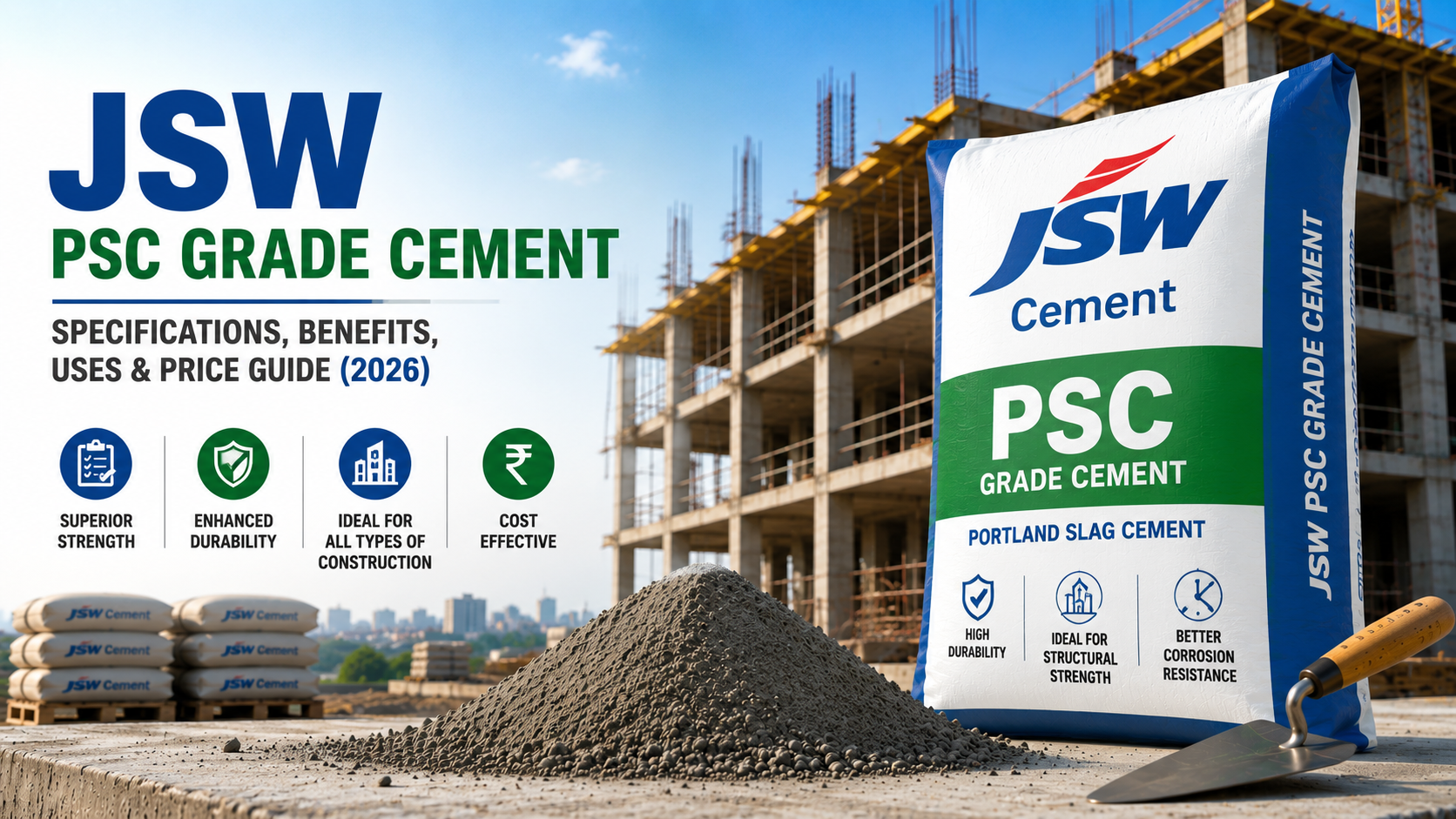


Understanding OPC 43 Grade Cement: A Complete Guide for Indian Construction Professionals
Ordinary Portland Cement (OPC) 43 Grade has become one of the most widely used cement types across India's construction industry. Whether you're working on residential projects in Bangalore, commercial developments in Mumbai, or infrastructure work in Delhi, understanding the properties and applications of OPC 43 Grade cement is essential for project success. This comprehensive guide explores everything construction professionals need to know about OPC 43 Grade cement, particularly when sourced in HDPE bags.
Build cost · Bengaluru, May 2026
What is OPC 43 Grade Cement?
Definition and Standards
OPC 43 Grade cement refers to Ordinary Portland Cement that achieves a compressive strength of 43 megapascals (MPa) at 28 days of curing. This classification is governed by the Indian Standard IS 269-2015, which sets strict parameters for cement quality and performance. The "43 Grade" designation indicates the minimum strength the cement must develop within four weeks of proper curing.
Unlike higher-grade cements such as OPC 53 Grade, OPC 43 Grade offers a more economical solution without compromising on structural integrity for most standard construction applications. It's particularly valued in Indian construction because it balances cost-effectiveness with reliable performance across diverse climatic conditions.
Chemical Composition
OPC 43 Grade cement contains four primary compounds:
Tricalcium Silicate (C3S): Approximately 45-50%, responsible for early strength development
Dicalcium Silicate (C2S): Approximately 20-25%, contributes to long-term strength
Tricalcium Aluminate (C3A): Approximately 7-10%, affects setting time and heat of hydration
Tetracalcium Aluminoferrite (C4AF): Approximately 8-12%, influences color and durability
These compounds work together to create a cement that hydrates at a moderate rate, making it suitable for most construction scenarios in India.
Frequently asked
HDPE Bags: Why They Matter for Cement Storage and Transport
Advantages of HDPE Packaging
High-Density Polyethylene (HDPE) bags have revolutionized cement packaging in India. These bags offer several critical advantages:
Moisture Protection: HDPE bags prevent moisture ingress, which is crucial in India's varied climate zones from coastal areas like Goa to humid regions like Kerala
Durability: The bags resist tearing and puncturing during transport and storage, reducing cement wastage
Lightweight: HDPE bags are lighter than traditional jute or paper bags, reducing transportation costs across Indian cities like Pune, Hyderabad, and Kolkata
Environmental Considerations: HDPE is recyclable, aligning with India's growing focus on sustainable construction practices
Cost Efficiency: The durability of HDPE bags reduces losses, making them economical for large-scale projects
Storage Best Practices for HDPE-Bagged Cement
Proper storage is crucial to maintain cement quality. When storing OPC 43 Grade cement in HDPE bags:
Keep bags in a dry location with good ventilation to prevent moisture accumulation
Stack bags in single layers or limited heights (maximum 10-12 bags high) to prevent compression damage
Avoid direct contact with ground; use pallets or raised platforms
Maintain temperature between 15-30°C for optimal preservation
Store away from acidic environments or corrosive materials
Use FIFO (First In, First Out) inventory management to prevent age-related deterioration
In India's diverse climate—from the cold regions of Himachal Pradesh to the hot zones of Rajasthan—proper storage becomes even more critical.
Key Properties and Specifications of OPC 43 Grade Cement
Physical Properties
Understanding the physical characteristics helps construction professionals select the right cement for their projects:
Fineness: Typically 225-325 m²/kg (measured by Blaine's method), affecting hydration rate and strength development
Setting Time: Initial set between 30-600 minutes, final set between 600-10 minutes, allowing adequate working time
Soundness: Expansion limited to 10mm (Le Chatelier method), ensuring long-term structural stability
Density: Approximately 3.14-3.15 g/cm³, important for mix design calculations
Color: Gray with slight variations, indicating normal iron content
Strength Development Timeline
OPC 43 Grade cement develops strength gradually:
3 Days: Approximately 18-22 MPa (minimum 13 MPa as per IS 269-2015)
7 Days: Approximately 28-32 MPa (minimum 23 MPa as per standards)
28 Days: Minimum 43 MPa (hence the grade designation)
This gradual strength gain makes OPC 43 Grade particularly suitable for projects where formwork can be removed after 7-10 days, reducing project timelines and costs.
Applications of OPC 43 Grade Cement in Indian Construction
Residential Construction
OPC 43 Grade is the preferred choice for residential projects across Indian metros and tier-2 cities. It's ideal for:
Concrete mixes for foundations and footings
Structural concrete in columns, beams, and slabs
Plastering and finishing work
Brick masonry and block work
In cities like Bangalore, Chennai, and Pune, where residential construction is booming, OPC 43 Grade provides the optimal balance of strength and economy.
Commercial and Infrastructure Projects
For commercial buildings, roads, and bridges, OPC 43 Grade cement works well when:
Structural loads are moderate to normal
Exposure conditions don't require specialized cement (like sulfate-resistant variants)
Cost optimization is a priority without sacrificing quality
Many Delhi and Mumbai commercial projects successfully use OPC 43 Grade for non-critical structural elements.
When to Use OPC 43 Grade vs. Higher Grades
OPC 43 Grade is suitable for most applications, but OPC 53 Grade becomes necessary when:
High early strength is required (fast-track projects)
Heavy structural loads are anticipated
Projects are in aggressive environments (coastal areas, industrial zones)
Formwork removal within 24-48 hours is needed
Cement Standards and Quality Assurance in India
Indian Standards Compliance
All OPC 43 Grade cement sold in India must comply with IS 269-2015. Key compliance requirements include:
Compressive strength testing at 3, 7, and 28 days
Fineness measurement within specified ranges
Setting time tests ensuring workability
Soundness tests preventing expansion-related failures
Chemical composition analysis
Quality Certifications
When sourcing cement, look for:
BIS Certification: Bureau of Indian Standards mark ensuring compliance with IS 269-2015
ISO 9001:2015: Quality management system certification
Environmental Certifications: ISO 14001 for sustainable manufacturing
Major Indian cement manufacturers like Ambuja, ACC, Dalmia, and Ultratech produce certified OPC 43 Grade cement available across the country.
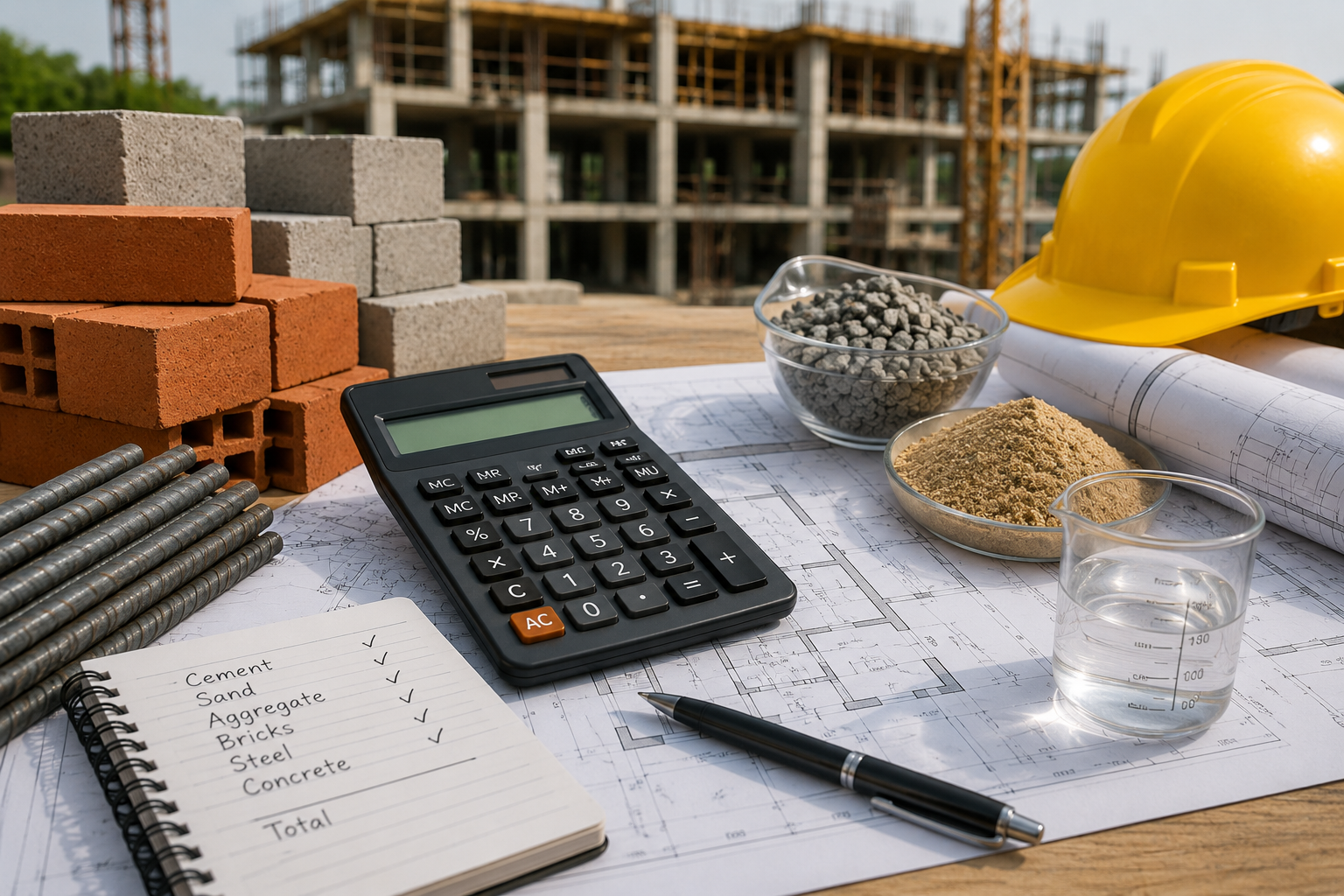
Cost Considerations and Market Pricing
Current Pricing in India (2024)
OPC 43 Grade cement prices vary by region and supplier:
Northern India (Delhi, Punjab): Approximately ₹350-400 per bag (50kg)
Western India (Mumbai, Gujarat): Approximately ₹380-420 per bag
Southern India (Bangalore, Chennai): Approximately ₹360-410 per bag
Eastern India (Kolkata): Approximately ₹370-410 per bag
Prices fluctuate based on fuel costs, raw material availability, and transportation expenses. Bulk purchases often attract discounts of 5-10%.
Cost-Benefit Analysis
For typical residential construction in Indian cities:
A 50kg bag of OPC 43 Grade covers approximately 0.035 cubic meters of concrete (1:2:4 ratio)
For a 1000 sq ft house, approximately 40-50 bags are needed for structural concrete
Total cement cost ranges from ₹14,000-20,000 depending on location and current market rates
Environmental and Sustainability Aspects
Carbon Footprint
Cement production contributes approximately 5-8% of global CO2 emissions. OPC 43 Grade, being a standard cement, has a moderate carbon footprint compared to specialized cements. Indian manufacturers are increasingly adopting:
Waste heat recovery systems
Alternative fuels (biomass, waste-derived fuels)
Blended cement options with fly ash or slag
Sustainable Practices
Construction professionals can minimize environmental impact by:
Choosing cement from manufacturers with strong environmental certifications
Optimizing concrete mix designs to reduce cement content
Using blended cements when applicable
Ensuring proper recycling of HDPE bags
Finding Quality OPC 43 Grade Cement Suppliers
Key Selection Criteria
When sourcing OPC 43 Grade cement for your project, consider:
Certifications: Verify BIS and ISO certifications
Reputation: Check track record in your region
Consistency: Ensure batch-to-batch quality uniformity
Support: Look for suppliers offering technical guidance
Delivery: Confirm reliable supply chains, especially critical in remote Indian locations
Pricing: Compare rates while prioritizing quality over cost alone
Role of AECORD in Connecting Professionals
Finding reliable cement suppliers and construction material vendors can be challenging, particularly in India's fragmented construction industry. AECORD, India's B2B2C marketplace for architecture, engineering, construction, and operations professionals, streamlines this process. Through AECORD, you can connect with verified suppliers of OPC 43 Grade cement, compare specifications and pricing, and access supplier reviews from other construction professionals.
AECORD's platform enables architects, engineers, contractors, and project managers across India to find quality materials and services efficiently. Whether you're sourcing cement for a small residential project in Jaipur or a large commercial development in Bangalore, AECORD provides access to vetted suppliers who meet Indian standards.
Troubleshooting Common Issues with OPC 43 Grade Cement
Poor Strength Development
Causes: Improper curing, incorrect water-cement ratio, contaminated materials, or expired cement
Solutions: Ensure proper water curing for 7-14 days, maintain water-cement ratio between 0.4-0.5, use clean water and aggregates, and verify cement freshness
Rapid Setting
Causes: High ambient temperature, high cement fineness, or cement age
Solutions: Add water-reducing admixtures, cool mixing water, work during cooler hours, and use fresh cement
Cracking in Concrete
Causes: Rapid drying, excessive cement content, poor curing, or thermal stress
Solutions: Maintain consistent moisture, optimize concrete mix design, ensure proper curing practices, and provide thermal protection in extreme climates
Best Practices for Using OPC 43 Grade Cement
Mix Design Optimization
For standard concrete applications in India:
Nominal Concrete Mix (1:2:4): 1 part cement, 2 parts sand, 4 parts coarse aggregate—suitable for non-structural work
Designed Mix (M20-M30): Recommended for structural elements, calculated based on specific strength requirements
Water-Cement Ratio: Maintain between 0.4-0.5 for optimal strength and durability
Quality Control Measures
Implement these quality checks on-site:
Conduct strength tests using compression testing machines at 7 and 28 days
Perform slump tests to verify concrete workability
Check cement bags for damage before use
Test water quality for chlorides and sulfates
Verify aggregate gradation and cleanliness
Conclusion
OPC 43 Grade cement remains the backbone of Indian construction, offering reliable performance across diverse applications and climatic conditions. When packaged in HDPE bags, it provides enhanced protection, cost efficiency, and environmental benefits. Understanding its properties, applications, and best practices ensures successful project execution whether you're building in metropolitan areas like Mumbai and Delhi or developing infrastructure in smaller Indian cities.
The key to optimal results lies in sourcing quality cement from certified suppliers, following proper storage practices, implementing sound construction techniques, and maintaining rigorous quality control throughout your project.
Ready to find verified suppliers of OPC 43 Grade cement for your next project? Visit AECORD today to connect with trusted material suppliers across India. AECORD's platform makes it easy to compare specifications, pricing, and supplier credentials, ensuring you get the right materials for your construction needs. Whether you're a contractor, engineer, or architect, AECORD helps you build better connections with quality suppliers in the Indian AECO industry.
Frequently Asked Questions
What is OPC 43 Grade cement and what does the 43 grade mean?
OPC 43 Grade cement is Ordinary Portland Cement that achieves a compressive strength of 43 megapascals (MPa) at 28 days of curing, as governed by Indian Standard IS 269-2015. The '43 Grade' designation indicates the minimum strength the cement must develop within four weeks of proper curing.
Why are HDPE bags better for storing cement than traditional packaging?
HDPE bags offer superior moisture protection crucial for India's varied climates, are more durable to reduce wastage, lighter to lower transportation costs, recyclable for sustainability, and more cost-efficient for large-scale projects compared to traditional jute or paper bags.
What is the chemical composition of OPC 43 Grade cement?
OPC 43 Grade cement contains four primary compounds: Tricalcium Silicate (45-50%) for early strength, Dicalcium Silicate (20-25%) for long-term strength, Tricalcium Aluminate (7-10%) affecting setting time, and Tetracalcium Aluminoferrite (8-12%) influencing color and durability.
How should OPC 43 Grade cement in HDPE bags be stored on construction sites?
Store bags in dry, well-ventilated locations away from ground contact using pallets, stack no higher than 10-12 bags, maintain temperatures between 15-30°C, avoid corrosive materials nearby, and use FIFO inventory management to prevent age-related deterioration.
When should you use OPC 43 Grade cement instead of OPC 53 Grade?
OPC 43 Grade is ideal for most standard construction applications where cost-effectiveness is important without compromising structural integrity, making it particularly valuable in India for balancing price with reliable performance across diverse climatic conditions.