Understanding Solar Roof Tiles: The Future of Sustainable Architecture in India
The Indian construction industry is undergoing a significant transformation as architects, engineers, and builders increasingly recognize the potential of building-integrated photovoltaics (BIPV). Solar roof tiles represent one of the most innovative solutions in this space, combining aesthetic appeal with functional energy generation. Unlike traditional roofing materials that merely protect buildings, solar roof tiles actively contribute to energy production while maintaining the visual integrity of architectural designs.
India's growing focus on renewable energy, coupled with rising electricity costs and environmental concerns, has made solar roofing solutions increasingly attractive across metropolitan areas like Mumbai, Delhi, Bangalore, and Hyderabad. The integration of solar technology directly into roofing materials eliminates the need for separate mounting structures, creating seamless, modern facades that appeal to contemporary architectural sensibilities.
Build cost · Bengaluru, May 2026
What Are Solar Roof Tiles and How Do They Work?
The Technology Behind Modern Solar Tiles
Solar roof tiles are photovoltaic panels designed to replace conventional roofing materials while simultaneously generating electricity. These tiles contain monocrystalline or polycrystalline solar cells embedded within weather-resistant materials that maintain the structural integrity of your roof. The monocrystalline solar tiles variant offers superior efficiency rates, typically ranging from 18-22%, making them ideal for space-constrained installations where maximum energy generation is required.
The technology works by converting sunlight directly into electricity through the photovoltaic effect. When photons from sunlight strike the semiconductor material within the tile, they knock electrons loose from their atoms, creating an electric current. This current is then converted from direct current (DC) to alternating current (AC) through an inverter, making it compatible with standard household and commercial electrical systems.
Monocrystalline vs. Polycrystalline Options
Monocrystalline solar tiles are manufactured from single-crystal silicon, offering the highest efficiency rates available in the market. They perform better in low-light conditions and have a longer lifespan, typically 25-30 years. In India's diverse climate zones—from the sunny regions of Rajasthan to the monsoon-prone areas of Kerala—monocrystalline tiles provide consistent performance year-round.
Polycrystalline tiles, while slightly less efficient (14-17%), are more affordable and still deliver excellent performance for most residential and commercial applications. The choice between these options depends on your budget, available roof space, and energy requirements.
Frequently asked
Curved and Aesthetic Solar Roofing Solutions
The Rise of Architectural Solar Tiles
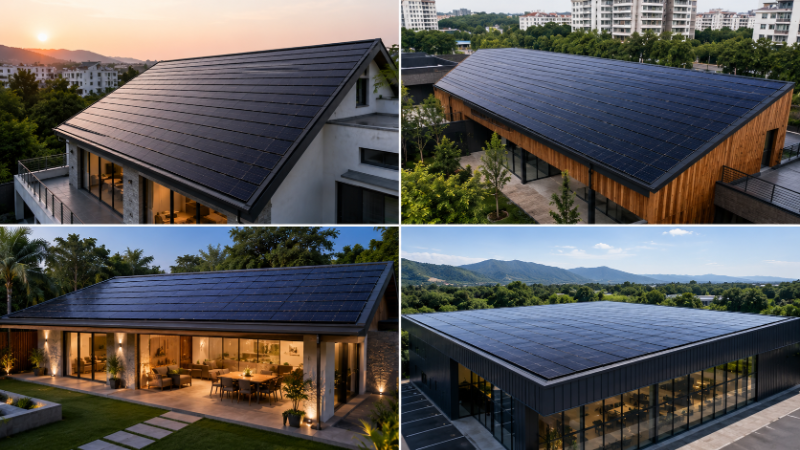
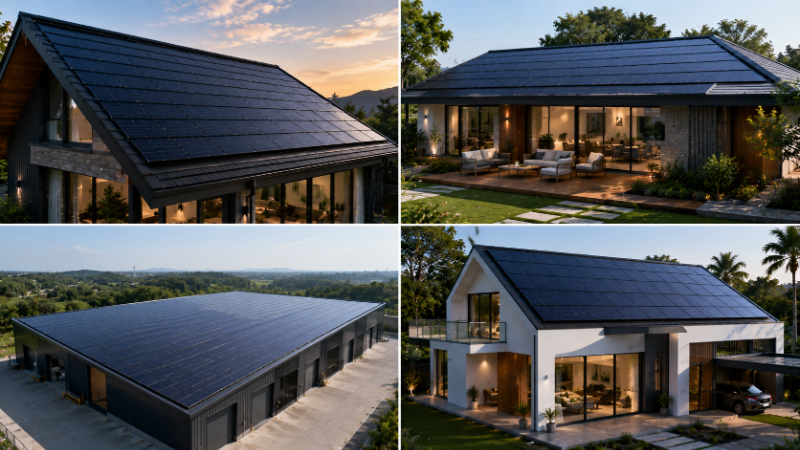
Traditional solar panels with their rectangular shapes and visible mounting hardware often clash with contemporary architectural designs. Curved photovoltaic roof tiles address this aesthetic concern by seamlessly blending with modern and traditional building designs alike. These premium solar tiles are engineered to follow the natural contours of pitched roofs, creating a unified appearance that doesn't compromise on visual appeal.
Architects working on high-end residential projects in areas like Bangalore's Whitefield, Mumbai's Bandra, or Delhi's Gurugram increasingly specify aesthetic solar roofing solutions. These tiles come in various colors and finishes, allowing designers to maintain their original vision while incorporating renewable energy generation. Some premium options even mimic traditional clay tiles or slate, making them suitable for heritage properties and conservation areas.
Seamless Solar Integration in Modern Design
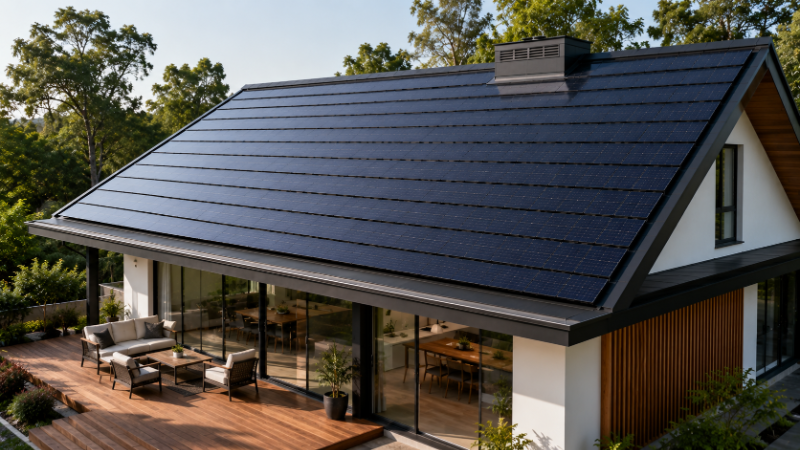
The concept of seamless solar integration refers to incorporating photovoltaic elements so naturally into building design that they become an indistinguishable part of the structure. Rather than appearing as an afterthought or add-on, integrated solar roofing becomes a fundamental design element from the project's inception. This approach requires collaboration between architects and solar engineers—a service increasingly available through specialized professionals on platforms like AECORD, where you can find experts experienced in BIPV design.
Seamless integration offers multiple advantages: improved aesthetics, better structural efficiency, simplified installation, and enhanced property value. Buildings with well-integrated solar solutions command premium prices in the real estate market, with studies showing 3-4% higher valuations compared to conventional properties.
Building-Integrated Photovoltaics (BIPV) and BIPV Roofing Systems
Understanding BIPV Technology
Building-integrated photovoltaics represent a paradigm shift in how we approach sustainable construction. Unlike traditional rooftop solar installations that sit on top of existing structures, BIPV systems are integral to the building envelope itself. BIPV roofing systems replace conventional roofing materials entirely, serving dual purposes: weather protection and energy generation.
The Indian Green Building Council (IGBC) and various state governments actively promote BIPV adoption through incentive programs and regulatory requirements. Many new commercial buildings in major cities now incorporate BIPV elements to meet LEED or IGBC certification standards. This regulatory push has accelerated innovation in the sector, making these solutions more accessible and affordable than ever before.
Advantages of BIPV Roofing Systems
BIPV roofing systems offer distinct advantages over conventional solar installations:
Space Efficiency: Eliminates the need for separate mounting structures, maximizing usable roof space
Aesthetic Integration: Creates cohesive architectural designs without visible solar hardware
Weather Protection: Serves as the primary waterproofing layer, reducing material redundancy
Installation Simplicity: Replaces standard roofing materials, reducing overall installation complexity
Thermal Performance: Provides additional insulation, reducing cooling loads in hot climates like Rajasthan and Gujarat
Property Value: Increases building value while reducing long-term operational costs

Climate-Responsive and Energy-Efficient Roofing Solutions
Adapting to India's Diverse Climate Zones
India's climate varies dramatically across regions, from the intense heat of the Deccan plateau to the heavy monsoons of the Western Ghats. Climate-responsive roofing solutions must account for these variations. Modern solar roof tiles incorporate advanced materials that manage thermal loads effectively while maintaining structural integrity under extreme weather conditions.
In hot, arid regions like Jaipur and Ahmedabad, solar tiles help reduce the urban heat island effect while generating maximum electricity during peak sunshine hours. In monsoon-prone areas like Mumbai and Bangalore, these tiles feature enhanced water-shedding designs and corrosion-resistant materials that withstand high humidity and heavy rainfall.
Energy-efficient roofing goes beyond electricity generation. The materials used in modern solar tiles often include reflective surfaces and thermal barriers that reduce heat absorption, lowering air conditioning requirements by 15-25%. This dual benefit—energy generation plus thermal efficiency—makes them particularly valuable in India's hot climate.
Performance in Challenging Weather Conditions
Premium solar tiles are engineered to withstand India's most challenging weather scenarios. They're tested for:
Wind resistance up to 200+ km/h for coastal areas
Heavy rainfall and waterlogging typical of monsoon regions
Thermal expansion and contraction in areas with extreme temperature variations
Salt spray corrosion in coastal cities like Chennai and Kochi
Dust and sand accumulation in desert regions
Manufacturers typically provide 25-30 year warranties covering structural integrity and performance degradation, ensuring long-term reliability across India's diverse climate zones.
Premium Solar Tiles and Modern Solar Roof Design
Design Innovations in Solar Roofing
Modern solar roof design has evolved significantly beyond basic rectangular panels. Contemporary solutions include:
Curved Photovoltaic Tiles: Follow natural roof contours for seamless integration
Textured Surfaces: Mimic traditional roofing materials while maintaining efficiency
Color Customization: Available in various shades to complement architectural styles
Modular Systems: Allow flexible design configurations for complex roof geometries
Transparent Options: Enable solar generation on skylights and glass surfaces
Premium solar tiles often incorporate smart technology, including microinverters at each tile level, allowing individual performance monitoring and optimization. This granular approach to energy management ensures maximum efficiency even when partial shading occurs—a common issue in densely built urban areas like Delhi and Mumbai.
Cost Considerations and Return on Investment
Solar roof tile installations in India typically cost between ₹150-300 per watt, depending on tile quality, system complexity, and installation location. A 5 kW system suitable for a typical Indian home or small office would cost approximately ₹7.5-15 lakhs installed.
However, the return on investment is substantial. With average electricity rates in India ranging from ₹5-8 per unit, a 5 kW system can generate ₹30,000-50,000 worth of electricity annually. Combined with government subsidies (typically 30-40% of system cost), the payback period ranges from 5-7 years, after which the system continues generating free electricity for two decades or more.
Additional incentives available across various Indian states include:
Central government subsidies under the PM-KUSUM scheme
State-specific renewable energy incentives
Net metering benefits allowing excess generation to be fed back to the grid
Tax benefits and accelerated depreciation for commercial installations
Property tax exemptions in several municipalities
Sustainable Roofing Solutions for Commercial and Residential Projects
Applications in Residential Architecture
Residential properties represent the largest market for solar roof tiles in India. Homeowners increasingly view these installations as essential upgrades that reduce electricity bills while enhancing property aesthetics and value. From independent houses in Bangalore's suburbs to apartments in Mumbai's high-rises, solar roofing solutions are becoming standard features in new construction.
For residential applications, integrated solar roofing offers particular advantages: it maintains the cohesive appearance of homes, avoids the "add-on" look of traditional solar panels, and integrates seamlessly with modern architectural trends favoring clean lines and minimalist aesthetics.
Commercial and Industrial Implementation
Commercial buildings, warehouses, and industrial facilities benefit enormously from large-scale BIPV implementations. A 100 kW system on a commercial property can generate 1.2-1.5 million units annually in sunny regions, translating to annual savings of ₹6-12 lakhs depending on local electricity rates.
Many corporate offices in Bangalore's IT corridor, Mumbai's business districts, and Hyderabad's tech parks are transitioning to solar roof systems as part of corporate sustainability commitments and operational cost reduction strategies. These installations often qualify for green building certifications that enhance corporate reputation and attract environmentally conscious clients and employees.
Professional Installation Requirements
Installation and Maintenance Considerations
Proper installation is critical for maximizing performance and longevity. The process involves:
Structural assessment to ensure roof can support additional weight
Electrical design and system sizing based on energy requirements
Coordination with local authorities for permits and grid connection
Professional installation by certified technicians
Comprehensive testing and commissioning
Finding qualified professionals is essential. AECORD connects property owners with experienced solar architects, structural engineers, and installation specialists who understand India's specific regulatory requirements and climate challenges. Whether you're in Chennai, Pune, or Ahmedabad, AECORD's network includes professionals familiar with local building codes, grid connection procedures, and optimal system design for your region.
Maintenance and Performance Optimization
Solar roof tiles require minimal maintenance compared to traditional roofing. Annual cleaning to remove dust, bird droppings, and debris ensures optimal performance. In dusty regions like Rajasthan or near coastal areas, more frequent cleaning may be necessary.
Modern systems include monitoring dashboards that track real-time performance, alerting owners to any efficiency drops that might indicate maintenance needs. Most professional installers offer maintenance packages ensuring long-term optimal performance.
Choosing the Right Solar Roofing Solution for Your Project
Assessment and Planning
Selecting appropriate solar roof tiles requires careful consideration of multiple factors:
Roof Orientation and Angle: South-facing roofs in India's northern regions and north-facing in southern regions typically generate maximum electricity
Shading Analysis: Trees, adjacent buildings, and structures that cast shadows reduce efficiency
Structural Capacity: Existing roofs may need reinforcement to support additional weight
Energy Requirements: System size should match your consumption patterns
Budget Constraints: Balance between premium options and cost-effective solutions
Aesthetic Preferences: Color, texture, and design integration with existing architecture
Regulatory Requirements: Local building codes, grid connection policies, and incentive programs
Working with Design Professionals
Collaborating with architects and engineers experienced in BIPV design ensures optimal results. These professionals can:
Integrate solar considerations from the initial design phase
Optimize system performance through proper orientation and tilt angles
Ensure seamless aesthetic integration with architectural vision
Navigate regulatory requirements and incentive programs
Coordinate with structural engineers for load-bearing considerations
Manage contractor selection and quality assurance
AECORD provides access to a curated network of such professionals across India's major cities and regions, making it easier to find specialists who understand both architectural excellence and solar engineering.
The Future of Solar Roofing in India
The Indian solar roofing market is poised for significant growth. Increasing electricity costs, improving technology, declining prices, and stronger regulatory support are driving adoption across residential, commercial, and industrial sectors. Architectural trends increasingly favor sustainable, integrated solutions that don't compromise on aesthetics.
Innovations on the horizon include higher-efficiency perovskite solar cells, improved energy storage integration, and even more sophisticated design options that blur the line between functional infrastructure and architectural expression.
Conclusion: Making the Transition to Solar Roofing
Solar roof tiles represent a mature, proven technology that delivers tangible benefits: reduced electricity costs, improved property value, environmental sustainability, and architectural enhancement. Whether you're designing a new residential property, planning a commercial renovation, or managing an industrial facility, solar roofing solutions deserve serious consideration.
The decision to implement solar roofing should be informed by professional guidance tailored to your specific circumstances. Factors like your location's climate, your building's structural characteristics, your energy needs, and your aesthetic preferences all influence the optimal solution.
Ready to explore solar roofing options for your project? Connect with experienced architects, solar engineers, and installation specialists through AECORD. Our platform brings together AECO professionals across India who specialize in sustainable roofing solutions, BIPV design, and modern solar integration. Whether you're in Mumbai, Delhi, Bangalore, Hyderabad, or any other Indian city, find the right professionals to transform your roofing into a productive, beautiful asset that generates clean energy for decades to come. Visit AECORD today to discover how solar roof tiles can enhance your next project.
Frequently Asked Questions
What are solar roof tiles and how do they differ from traditional solar panels?
Solar roof tiles are photovoltaic panels designed to replace conventional roofing materials while generating electricity. Unlike traditional solar panels that require separate mounting structures, solar roof tiles integrate directly into the roof, eliminating visible hardware and creating a seamless, modern appearance that maintains architectural integrity.
What is the efficiency difference between monocrystalline and polycrystalline solar tiles?
Monocrystalline solar tiles offer superior efficiency rates of 18-22% and better low-light performance, while polycrystalline tiles are slightly less efficient at 14-17% but more affordable. Monocrystalline tiles typically last 25-30 years and are ideal for space-constrained installations requiring maximum energy generation.
Are solar roof tiles suitable for India's different climate zones?
Yes, monocrystalline solar roof tiles perform consistently year-round across India's diverse climates, from sunny regions like Rajasthan to monsoon-prone areas like Kerala. Their weather-resistant construction and superior performance in low-light conditions make them reliable for various environmental conditions across the country.
Can solar roof tiles match the aesthetic of traditional architecture?
Yes, modern curved photovoltaic roof tiles come in various colors and finishes, including options that mimic traditional clay tiles or slate. These premium aesthetic solar tiles seamlessly blend with both contemporary and traditional building designs, making them suitable for heritage properties and conservation areas.
How do solar roof tiles convert sunlight into electricity?
Solar roof tiles use the photovoltaic effect: photons from sunlight strike semiconductor material within the tile, knocking electrons loose and creating an electric current. An inverter then converts this direct current (DC) into alternating current (AC), making it compatible with standard household and commercial electrical systems.