



Smart glass technology represents one of the most significant innovations in modern architecture, and India's construction industry is rapidly adopting this transformative technology. As urban centers like Bangalore, Mumbai, Delhi, and Hyderabad experience unprecedented growth, architects and builders are increasingly turning to smart glass solutions to create sustainable, energy-efficient, and aesthetically advanced buildings. This comprehensive guide explores how smart glass technology is reshaping Indian architecture and what it means for the future of construction.
Understanding Smart Glass Technology
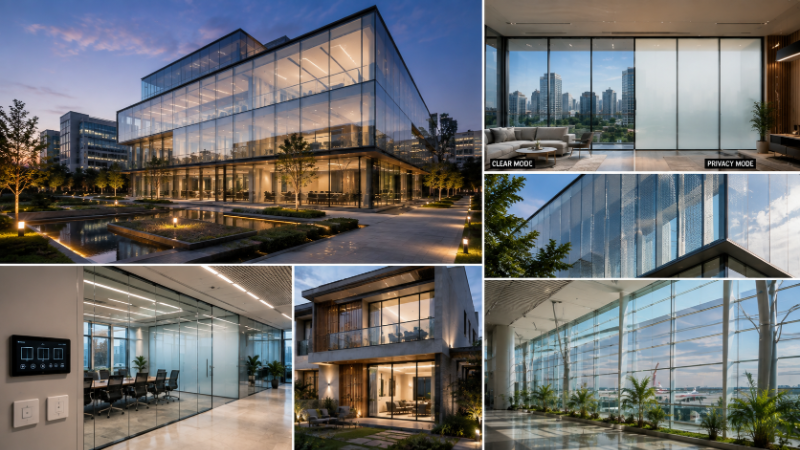
Smart glass, also known as switchable glass or dynamic glass, is a cutting-edge material that can change its light transmission properties electronically. Unlike traditional glass that remains static, smart glass can shift between transparent and opaque states, controlling the amount of light and heat passing through. This technology utilizes electrochromic, photochromic, or thermochromic mechanisms to achieve these transformations.
In India's context, where extreme weather conditions—intense heat in Delhi and coastal humidity in Mumbai—pose significant challenges to building design, smart glass offers a practical solution. The technology works by applying a thin coating to glass surfaces, which responds to electrical stimulation or environmental triggers, thereby reducing the need for excessive air conditioning and artificial lighting.
Build cost · Bengaluru, May 2026
Types of Smart Glass Technologies
Electrochromic Glass: Responds to electrical current, allowing users to control transparency with a switch or smartphone app. This is the most common type in commercial buildings across Indian metros.
Photochromic Glass: Automatically darkens in response to sunlight, similar to transition lenses in eyeglasses. Ideal for buildings with varying light exposure throughout the day.
Thermochromic Glass: Changes transparency based on temperature variations, making it particularly useful in India's diverse climate zones.
Suspended Particle Display (SPD): Uses particles suspended in a layer between glass panes that align when voltage is applied, controlling light transmission.
Energy Efficiency and Cost Savings
One of the primary drivers of smart glass adoption in India is its remarkable impact on energy consumption. Buildings account for approximately 30% of India's total energy consumption, and cooling costs represent a significant portion of operational expenses in commercial properties. Smart glass technology can reduce cooling costs by 20-30% by managing solar heat gain effectively.
In cities like Bangalore and Hyderabad, where IT parks and corporate offices dominate the skyline, smart glass installation has demonstrated substantial returns on investment. A typical commercial building in Mumbai utilizing smart glass on south and west-facing facades can save between ₹15-25 lakhs annually on air conditioning costs alone. While the initial installation cost ranges from ₹800 to ₹2,500 per square meter depending on the technology and supplier, the payback period typically falls between 5-8 years.
Calculating ROI for Indian Commercial Properties
When evaluating smart glass investment for Indian projects, consider these factors:
Climate Zone: Buildings in high-temperature zones like Delhi, Jaipur, and coastal areas like Goa experience greater energy savings.
Building Orientation: South and west-facing facades benefit most from smart glass implementation.
Occupancy Patterns: Office buildings with predictable schedules optimize smart glass benefits better than mixed-use properties.
Local Electricity Rates: In states with higher electricity tariffs, ROI improves significantly.
Green Building Certifications: LEED, IGBC, and GRIHA certifications provide additional value and potential premium pricing.
Frequently asked
Architectural Applications in Indian Buildings
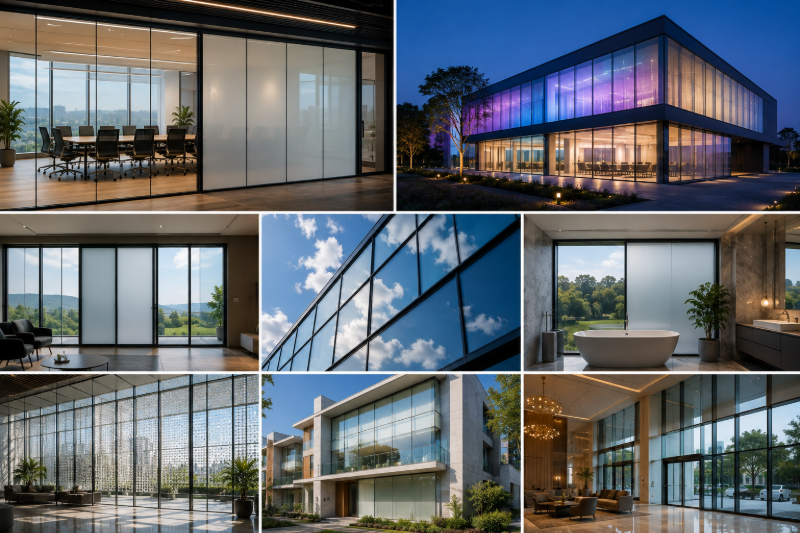
Smart glass technology is finding diverse applications across India's architectural landscape, from residential complexes to corporate headquarters. The technology enables architects to design buildings that are both visually striking and functionally superior.
Corporate and Commercial Spaces
Leading tech companies and financial institutions in Bangalore's IT corridor and Mumbai's business district have embraced smart glass for office partitions and exterior facades. Smart glass partitions eliminate the need for traditional blinds and curtains, creating cleaner aesthetics while providing privacy control. Employees can adjust transparency with a simple button press, improving both comfort and productivity.
The WeWork spaces in Delhi and Bangalore extensively utilize smart glass in conference rooms and collaborative areas, allowing teams to shift from transparent open spaces to private meeting environments instantaneously. This flexibility has become a competitive advantage in attracting top talent to Indian tech hubs.
Hospitality and Retail Sector
Premium hotels and luxury retail establishments in metros like Delhi, Mumbai, and Bangalore are incorporating smart glass in guest rooms and high-end boutiques. In hotel rooms, smart glass windows eliminate the need for heavy curtains, providing guests with modern amenities while reducing laundry and maintenance costs. Luxury brands use smart glass storefronts to create dynamic displays that adjust transparency based on time of day and promotional needs.
Healthcare and Educational Institutions
Hospitals and medical facilities in cities like Hyderabad and Pune utilize smart glass in operating theaters, patient rooms, and administrative areas. The technology provides infection control benefits by eliminating dust-collecting window treatments while allowing natural light—proven to aid patient recovery. Educational institutions are similarly adopting smart glass in lecture halls and libraries to enhance learning environments while reducing energy consumption.
Regulatory Framework and Building Codes
India's building regulations are increasingly recognizing and encouraging smart glass adoption. The Energy Conservation Building Code (ECBC) 2017, developed by the Bureau of Energy Efficiency, recommends advanced glazing technologies including smart glass for commercial buildings. Several Indian states have incorporated these recommendations into their local building codes.
The Indian Green Building Council (IGBC) actively promotes smart glass through its LEED India and Green Building Rating System certifications. Buildings incorporating smart glass technology receive additional points in these certification systems, making them eligible for higher ratings and potential premium valuations.
Compliance Considerations
Smart glass installations must comply with Indian Standards (IS) codes for glazing and safety.
Buildings in seismic zones require additional safety certifications for smart glass systems.
Electrical installations must meet National Electrical Code standards for safety and efficiency.
Municipal authorities in major cities now require energy audits that account for smart glass benefits in building designs.
Smart Glass in Sustainable Urban Development
As India pursues its ambitious sustainability goals under initiatives like Smart Cities Mission and Pradhan Mantri Awas Yojana, smart glass technology plays an increasingly important role. The technology aligns with India's commitment to reducing carbon emissions and achieving climate targets.
Cities like Pune, Bangalore, and Hyderabad have designated smart glass as a preferred technology in their sustainable building guidelines. The Bangalore Smart City development project specifically mandates energy-efficient glazing systems, including smart glass, for all new commercial developments.
Environmental Impact
A 20-story commercial building in Mumbai utilizing smart glass can prevent approximately 500-700 tons of CO2 emissions annually compared to conventional buildings. This environmental benefit, combined with operational cost savings, makes smart glass an attractive proposition for environmentally conscious developers and corporations.
Challenges and Considerations
Despite its advantages, smart glass adoption in India faces several challenges that architects and developers must navigate.
Cost Barriers
The upfront cost of smart glass remains significantly higher than conventional glazing. While prices have declined from ₹3,500 per square meter five years ago to current rates of ₹800-2,500, this still represents a 3-5x premium over standard glass. For cost-sensitive projects, particularly in tier-2 and tier-3 cities, this remains a barrier.
Technical and Maintenance Issues
Smart glass systems require sophisticated electrical infrastructure and control systems. In areas with unstable power supply, backup power systems add to installation costs. Additionally, maintenance requires specialized technicians, which can be challenging outside major metropolitan areas like Delhi, Mumbai, and Bangalore.
Durability Concerns
India's diverse climate—from extreme heat in Delhi to high humidity in coastal regions—poses durability challenges for smart glass coatings. Long-term performance data for Indian climatic conditions is still being accumulated, though early results are promising.
Aesthetic Preferences
Some architects and clients prefer the traditional appearance of conventional glass with blinds. Cultural preferences, particularly in residential segments, may slow adoption compared to commercial sectors.
Integration with Building Management Systems
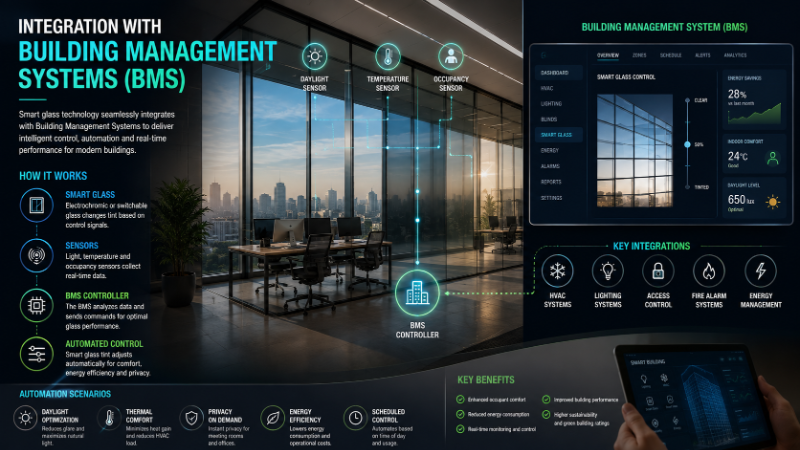
Modern smart glass installations in Indian buildings increasingly integrate with Building Management Systems (BMS). This integration enables automated control based on occupancy, time of day, weather conditions, and energy demand.
Advanced systems in premium developments across Bangalore and Mumbai use artificial intelligence to learn occupancy patterns and optimize glass transparency automatically. Some systems integrate with HVAC systems to coordinate glass tinting with air conditioning, maximizing energy efficiency.
IoT and Smart Control Features
Mobile app control allowing occupants to adjust glass transparency remotely
Automated scheduling based on sunrise, sunset, and weather forecasts
Integration with occupancy sensors for automatic adjustment
Real-time energy consumption monitoring and reporting
Voice-activated control compatible with smart home ecosystems
Future Trends in Indian Architecture
The smart glass market in India is projected to grow at a compound annual growth rate of 12-15% through 2030. Several emerging trends will shape this evolution.
Affordability and Accessibility
As manufacturing capacity increases and competition intensifies, smart glass prices are expected to decline further, making the technology accessible to mid-range projects in tier-2 cities like Jaipur, Lucknow, and Nagpur.
Hybrid Solutions
Developers are increasingly adopting hybrid approaches, using smart glass selectively on high-impact areas while employing conventional glazing elsewhere. This strategy optimizes cost-benefit ratios for diverse building types.
Customization and Aesthetics
Manufacturers are developing smart glass with varied tint options and aesthetic finishes to appeal to Indian architectural preferences, moving beyond purely functional applications.
Finding Smart Glass Experts on AECORD
For architects and developers considering smart glass integration in their projects, AECORD serves as India's premier B2B2C marketplace connecting professionals with specialized expertise. The platform hosts verified manufacturers, installers, and consultants specializing in smart glass technology across major Indian cities.
Whether you're designing a corporate office in Bangalore, a luxury hotel in Mumbai, or a sustainable residential complex in Pune, AECORD enables you to connect with experienced professionals who understand smart glass implementation in Indian contexts. You can access detailed portfolios, client reviews, and cost estimates from multiple providers, ensuring informed decision-making for your projects.
Conclusion
Smart glass technology represents a paradigm shift in how Indian architects approach building design, energy efficiency, and occupant comfort. From reducing operational costs by 20-30% to supporting India's sustainability commitments, the benefits are substantial and measurable.
While challenges remain regarding cost and maintenance, the trajectory is clear: smart glass will become increasingly prevalent in India's architectural landscape. Early adopters in metros like Bangalore, Mumbai, and Delhi are already reaping benefits, and as technology matures and prices decline, adoption will expand to secondary cities.
For professionals in the AECO sector looking to implement this transformative technology, now is an opportune time to explore smart glass solutions. Connect with specialized professionals on AECORD today to evaluate how smart glass can enhance your next architectural project while delivering superior energy efficiency and user experience. Whether you're seeking manufacturers, installation experts, or design consultants, AECORD's network of vetted professionals can guide your smart glass implementation journey.