



Understanding Heather Polymer Modified Architectural Shingles: A Complete Guide for Indian Builders
Architectural shingles have revolutionized the roofing industry, and heather polymer modified variants represent one of the most advanced solutions available today. For architects, builders, and construction professionals in India, understanding these premium roofing materials is essential for delivering high-quality projects that withstand diverse climatic conditions. /blog/oxford-grey-polymer-modified-architectural-shingles-469580
In India's varied climate—from the heavy monsoons of Kerala to the intense heat of Rajasthan—selecting the right roofing material can mean the difference between a building that lasts decades and one that deteriorates within years. Heather polymer modified architectural shingles offer a sophisticated solution that combines aesthetic appeal with superior durability.
Build cost · Bengaluru, May 2026
What Are Heather Polymer Modified Architectural Shingles?
Definition and Composition
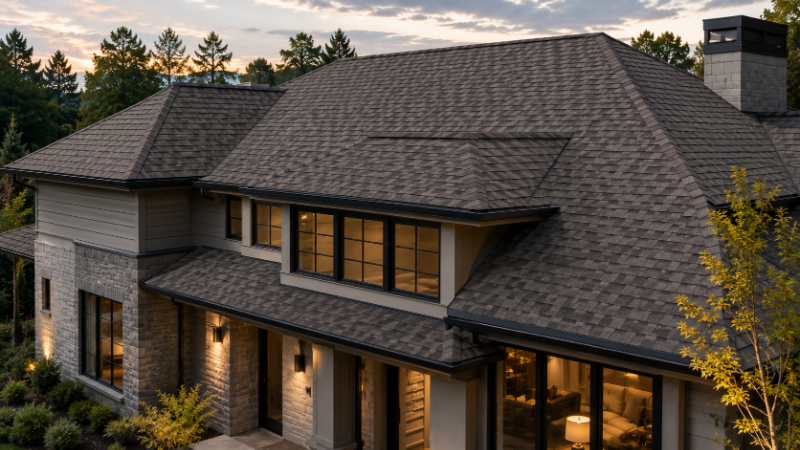
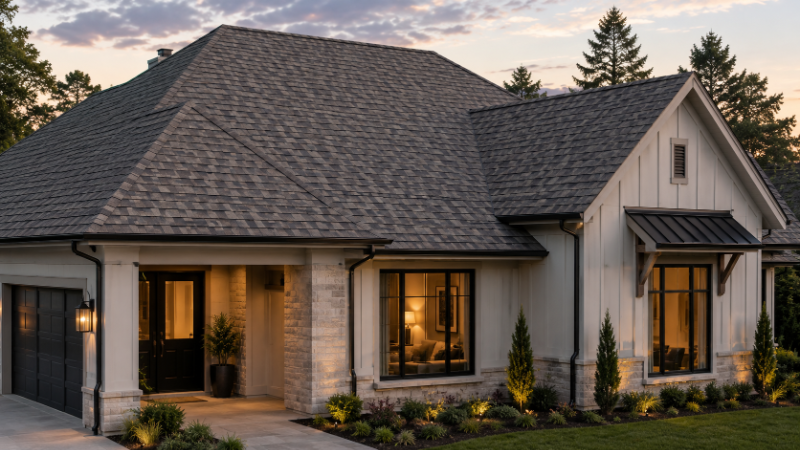
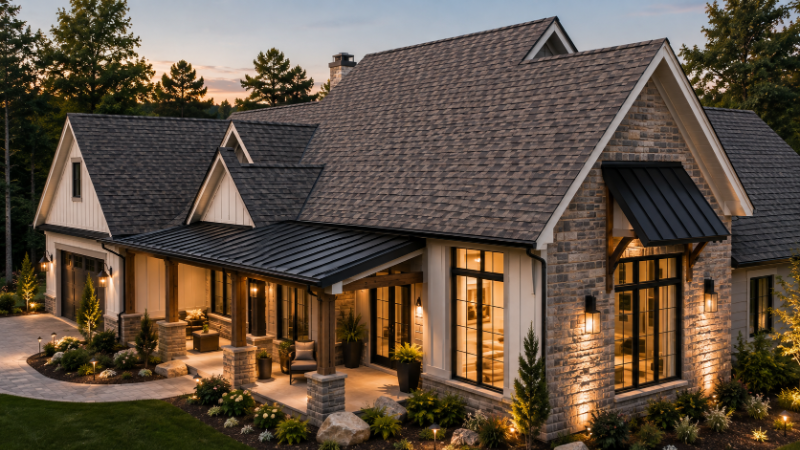
Heather polymer modified architectural shingles are premium roofing materials engineered with a blend of asphalt, fiberglass, and polymer modifiers. The "heather" refers to the color palette—typically a sophisticated blend of gray, brown, and charcoal tones that create a multi-dimensional appearance on roofs.
The polymer modification process involves incorporating synthetic rubber and plastic compounds into the asphalt base. This enhancement significantly improves the shingle's flexibility, weather resistance, and longevity compared to standard asphalt shingles. The fiberglass mat provides structural integrity, while the granule coating (typically ceramic-coated) protects against UV radiation and weathering.
Key Technical Specifications
These shingles typically feature:
Weight: 300-400 pounds per square (approximately 1.5-2 tons per 100 square meters)
Thickness: 4-5mm, providing superior dimensional stability
Wind Resistance: Rated for wind speeds up to 150+ km/h
Fire Rating: Class A fire rating in most cases
Impact Resistance: Class 4 impact rating for hail resistance
Warranty: Typically 25-30 years, with some premium variants offering lifetime warranties
Frequently asked
Why Heather Polymer Modified Shingles Are Ideal for Indian Climate
Monsoon Performance
India's monsoon season presents unique challenges for roofing materials. Heavy rainfall, combined with wind and temperature fluctuations, can compromise inferior roofing solutions. Heather polymer modified shingles excel in these conditions because:
The polymer modification enhances water resistance and prevents moisture penetration
The weight and interlocking design resist wind uplift during severe storms
The granule coating maintains integrity even under prolonged moisture exposure
The flexibility prevents cracking during temperature variations
In cities like Mumbai, Bangalore, and Kolkata, where monsoon intensity reaches 2,000-3,000mm annually, these shingles have proven their reliability across numerous commercial and residential projects.
Heat and UV Protection
India's intense solar radiation, particularly in cities like Delhi, Ahmedabad, and Hyderabad, can rapidly degrade standard roofing materials. Heather polymer modified shingles feature:
Advanced UV-resistant granules that maintain color and structural integrity
Polymer modification that prevents brittleness in high temperatures
Reflective properties that help reduce heat absorption, contributing to lower cooling costs
Resistance to thermal expansion and contraction cycles
Seismic and Wind Resistance
For regions prone to earthquakes or cyclones—such as the coastal areas of Tamil Nadu, Andhra Pradesh, and Gujarat—the wind resistance rating of 150+ km/h is crucial. The interlocking design and superior adhesive properties ensure shingles remain secure even during extreme weather events.
Cost Analysis for Indian Projects
Material Costs
The pricing of heather polymer modified architectural shingles in India varies based on several factors:
Base Material Cost: ₹400-600 per square meter (for premium imported variants)
Locally Manufactured Options: ₹250-400 per square meter
Installation Labor: ₹100-200 per square meter, depending on roof complexity
Underlayment and Accessories: ₹50-100 per square meter
For a typical 500 square meter residential roof in Pune or Chennai, total installation costs would range from ₹3.5 to ₹5 lakhs, depending on roof pitch, complexity, and material sourcing.
Long-Term Value Proposition
While the upfront cost is higher than standard asphalt shingles, the total cost of ownership is significantly lower:
Reduced maintenance costs due to superior durability
Lower replacement frequency (25-30 years vs. 12-15 years for standard shingles)
Potential energy savings of 10-15% through improved thermal performance
Higher property resale value due to premium roofing material
Installation Best Practices for Indian Conditions
Preparation and Substrate
Proper installation is critical for maximizing the performance of heather polymer modified shingles:
Roof Inspection: Ensure the existing roof structure can support the additional weight (approximately 1.5-2 tons per 100 square meters)
Ventilation: Proper attic ventilation is essential to prevent moisture buildup and extend shingle life
Underlayment: Use synthetic underlayment rated for Indian climate conditions to provide secondary water protection
Flashing: Install proper metal flashing around chimneys, vents, and skylights to prevent leaks
Installation Timing
The installation season matters significantly in India:
Best Season: Post-monsoon (October-November) or pre-monsoon (February-March)
Temperature Requirements: Install when temperatures are between 5-35°C for optimal adhesive activation
Avoid: Peak monsoon season (June-September) and extreme heat periods (May-June)
Professional Installation Standards
When selecting contractors for installation, ensure they follow:
Proper nailing patterns (typically 4-6 nails per shingle)
Correct overlap specifications (typically 5-7.5cm)
Adequate sealing using manufacturer-recommended adhesives
Compliance with local building codes and regulations
Comparing Heather Polymer Modified Shingles with Alternatives
vs. Standard Asphalt Shingles
Standard asphalt shingles are more affordable but offer significantly lower durability. Heather polymer modified variants provide 50-100% longer lifespan and superior weather resistance, making them the preferred choice for premium projects in metropolitan areas like Delhi, Mumbai, and Bangalore.
vs. Ceramic or Clay Tiles
While traditional ceramic tiles are popular in India, they offer different trade-offs. Heather polymer modified shingles are lighter, easier to install, more affordable, and provide comparable aesthetic appeal without the brittleness issues common in clay tiles during seismic events.
vs. Metal Roofing
Metal roofing is durable but can be noisier during rain and more expensive. Heather polymer modified shingles offer better acoustic insulation, lower cost, and a more traditional aesthetic that appeals to most Indian property owners.
Maintenance and Care Guidelines
Regular Maintenance Schedule
To maximize the lifespan of heather polymer modified shingles:
Annual Inspection: Check for loose shingles, debris accumulation, and moss growth
Post-Monsoon Check: Inspect for water damage, leaks, and granule loss
Gutter Cleaning: Clear gutters every 6 months to prevent water backup
Tree Maintenance: Trim overhanging branches to reduce debris and shade
Common Issues and Solutions
Granule Loss: Minor granule shedding is normal, especially in the first 1-2 years. Significant loss may indicate manufacturing defects or premature aging.
Moss and Algae Growth: In humid regions like Kerala or Goa, moss can develop. Use appropriate biocides or install copper/zinc strips to prevent growth.
Curling or Buckling: May indicate inadequate ventilation or moisture problems. Address underlying ventilation issues before replacing shingles.
Selecting Quality Heather Polymer Modified Shingles in India
Certification and Standards
Look for products that meet:
ASTM D3462: Standard specification for asphalt shingles made from fiberglass mat
Indian Standards (IS): Compliance with relevant BIS standards
NFPA 256: Fire performance standards
FM Approval: For wind and impact resistance ratings
Reputable Manufacturers
Several international and Indian manufacturers produce quality heather polymer modified shingles. When sourcing materials, verify:
Product authenticity and warranty coverage
Availability of local technical support and replacement parts
Installation network and certified contractors
Customer reviews and project references in India
Finding Expert Installation Services
For architects and builders managing projects across Indian cities, finding qualified contractors is crucial. AECORD connects construction professionals with vetted roofing specialists experienced in installing premium materials like heather polymer modified shingles. Whether you're managing a residential project in Hyderabad or a commercial development in Pune, AECORD's platform simplifies contractor selection and project coordination.
When evaluating contractors on AECORD or elsewhere, verify their:
Experience with premium shingle installations
Portfolio of completed projects in your region
Insurance and warranty coverage
Timeline and project management capabilities
Regulatory Considerations in India
Building Codes and Permits
Different Indian states and municipalities have varying requirements for roofing materials. Before installation, ensure compliance with:
Local municipal building bylaws
Fire safety regulations (particularly for commercial buildings)
Seismic design codes in earthquake-prone zones
Environmental regulations regarding material disposal
Energy Efficiency Standards
India's Energy Conservation Building Code (ECBC) encourages materials with high solar reflectance. Heather polymer modified shingles with light-colored granules can contribute to meeting these standards, reducing cooling loads and energy costs.
Future Trends in Architectural Shingles
The roofing industry continues to evolve, with innovations including:
Sustainable Options: Shingles made with recycled materials and bio-based polymers
Enhanced Durability: Next-generation polymer blends offering 40+ year warranties
Solar Integration: Shingles compatible with solar panel installation
Smart Technology: Sensors for leak detection and structural monitoring
For Indian builders, staying informed about these trends ensures projects remain competitive and future-proof.
Conclusion
Heather polymer modified architectural shingles represent a premium roofing solution ideally suited to India's diverse climate challenges. Their superior durability, aesthetic appeal, and performance in monsoons, extreme heat, and high winds make them an excellent choice for residential and commercial projects across Indian cities.
While the initial investment is higher than standard alternatives, the long-term value proposition—reduced maintenance, extended lifespan, and improved property value—justifies the cost for discerning builders and property owners.
To ensure successful project execution, partner with experienced professionals who understand both the technical requirements and local market conditions. If you're planning a roofing project and need to connect with specialized contractors, AECORD provides a comprehensive platform to find vetted roofing professionals experienced with premium materials. Explore AECORD today to discover qualified specialists ready to deliver excellence for your next project.
Frequently Asked Questions
What are heather polymer modified architectural shingles made of?
Heather polymer modified architectural shingles are engineered with a blend of asphalt, fiberglass, and polymer modifiers (synthetic rubber and plastic compounds). The fiberglass mat provides structural integrity, while ceramic-coated granules protect against UV radiation and weathering, creating a multi-dimensional gray, brown, and charcoal appearance.
Are polymer modified shingles good for Indian monsoon climate?
Yes, heather polymer modified shingles are ideal for India's monsoon season. The polymer enhancement improves water resistance and prevents moisture penetration, while their weight and interlocking design resist wind uplift during severe storms. They maintain granule integrity under prolonged moisture exposure and prevent cracking during temperature variations.
How long do heather polymer modified architectural shingles last?
These premium shingles typically come with 25-30 year warranties, with some premium variants offering lifetime warranties. Their durability is enhanced by polymer modification, UV-resistant granules, and superior impact resistance, making them suitable for India's diverse climatic conditions.
What wind speed can heather polymer modified shingles withstand?
Heather polymer modified architectural shingles are rated for wind speeds up to 150+ km/h, making them suitable for regions prone to cyclones and strong storms. Their weight (300-400 pounds per square) and interlocking design provide excellent resistance to wind uplift.
Do polymer modified shingles help reduce cooling costs?
Yes, heather polymer modified shingles feature reflective properties that help reduce heat absorption, contributing to lower cooling costs in high-temperature regions like Delhi, Ahmedabad, and Hyderabad. The polymer modification also prevents brittleness in intense heat and resists thermal expansion cycles.