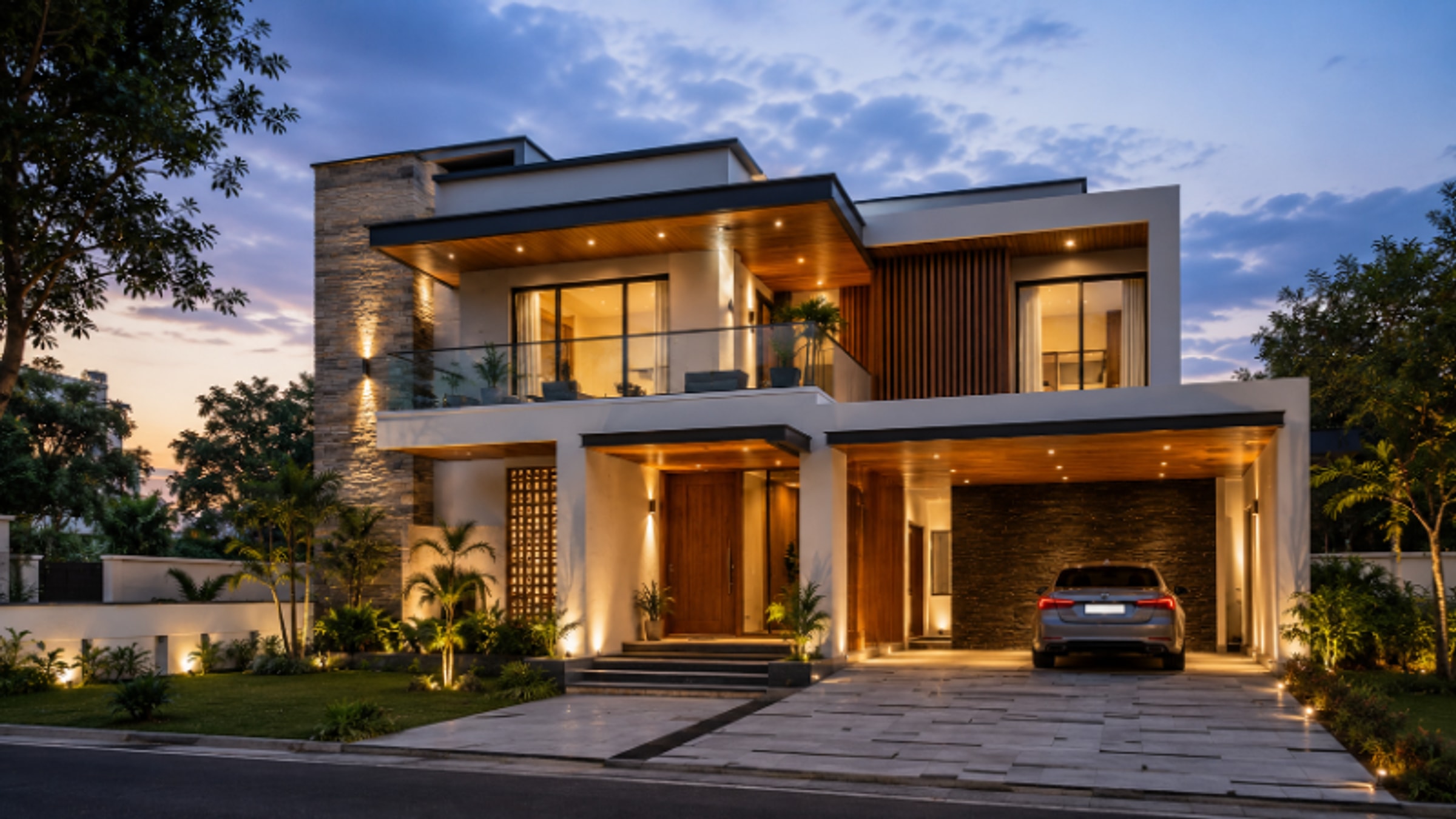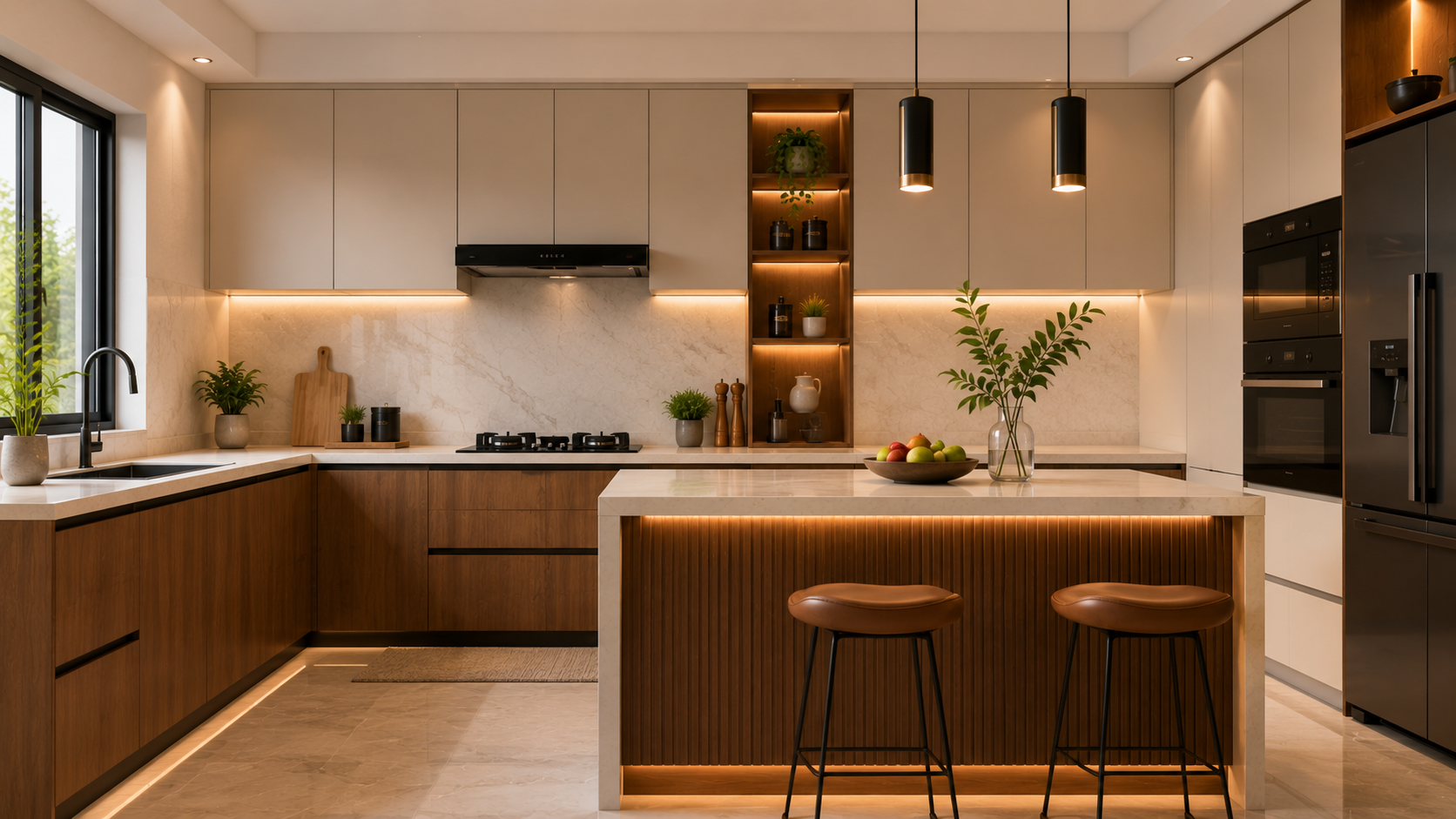


In our increasingly urbanized and fast-paced world, where stress and mental health issues are prevalent, the design of our built environment plays a pivotal role in shaping our overall wellbeing. Architecture goes beyond mere functionality and aesthetics it has the power to influence our mental and physical health and well-being in profound ways. Research has shown that well-designed buildings and public spaces can have a positive impact on our mental health. Natural light, open spaces, and access to greenery have been shown to reduce stress and improve mood. Additionally, buildings that are designed with acoustics in mind can help to create a peaceful and quiet environment, which is crucial for reducing anxiety and increasing concentration.

From promoting relaxation and reducing stress to encouraging physical activity and fostering social connections, thoughtful architectural design can significantly enhance our quality of life. This comprehensive exploration delves into the intricate relationship between architecture and wellbeing, examining how different design elements can impact mental and physical health positively. One of the key aspects of promoting wellbeing through architecture is the incorporation of natural elements into the design. Biophilic design, which seeks to connect people with nature, has been shown to have numerous benefits for mental health. Views of green spaces, natural light, and access to outdoor areas can all contribute to reducing stress levels and promoting relaxation. Research has shown that exposure to natural elements can have a positive impact on cognitive function and overall mood.
Understanding Wellbeing in Architectural Design
Wellbeing in architectural design goes beyond physical health, combining mental, emotional, social, and environmental factors. It focuses on creating spaces that are not only functional but also comfortable, inclusive, and supportive.
Designing for wellbeing includes promoting social interaction through shared spaces, ensuring accessibility for all users, and applying principles of environmental psychology. Elements like natural light, colour, textures, acoustics, and spatial layout influence mood, reduce stress, and improve overall experience.
By integrating accessibility, social connection, and environmental design, architecture can create spaces that enhance quality of life, support daily comfort, and help people feel connected and at ease.
1. Biophilic Design in Architecture
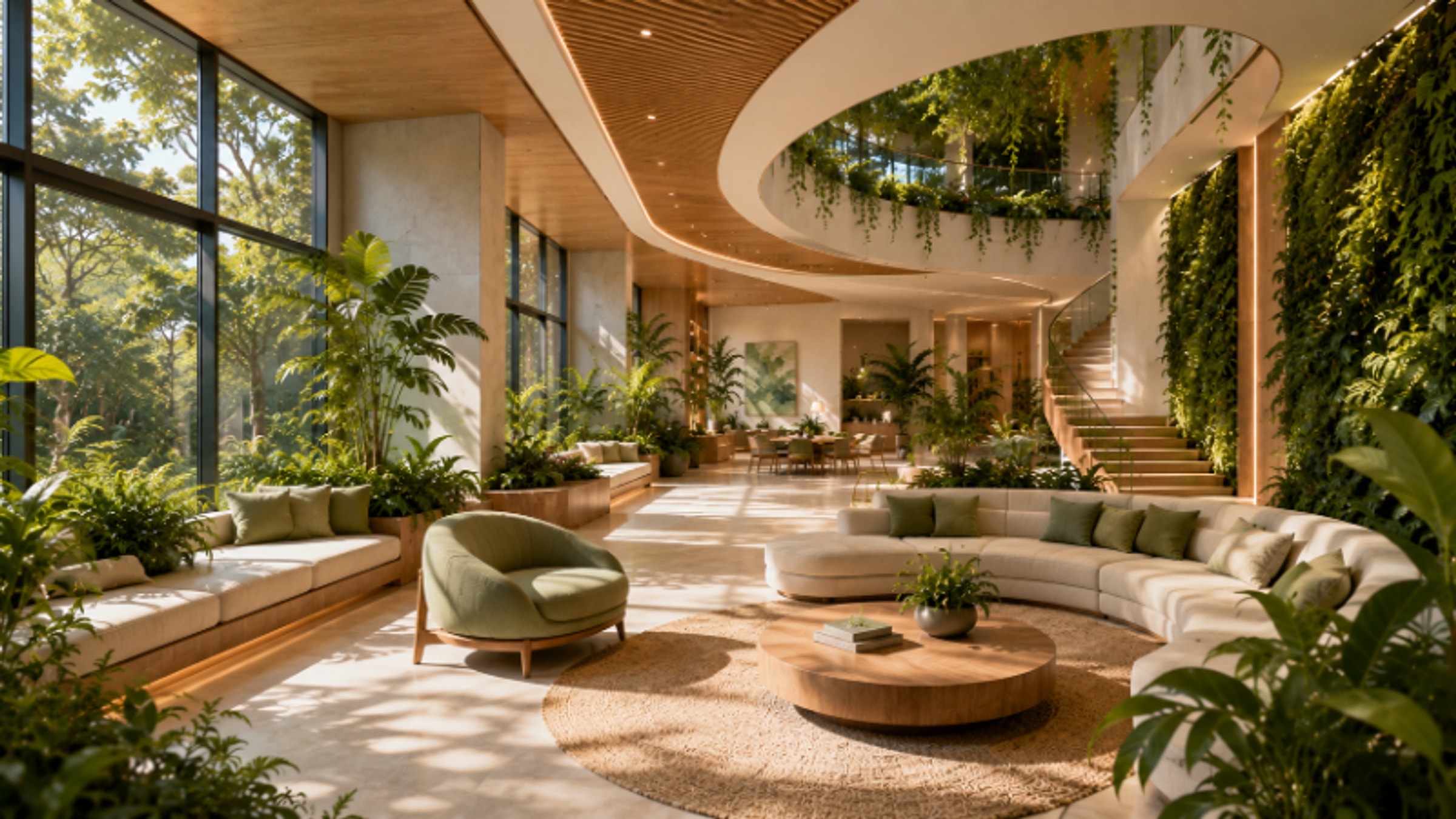
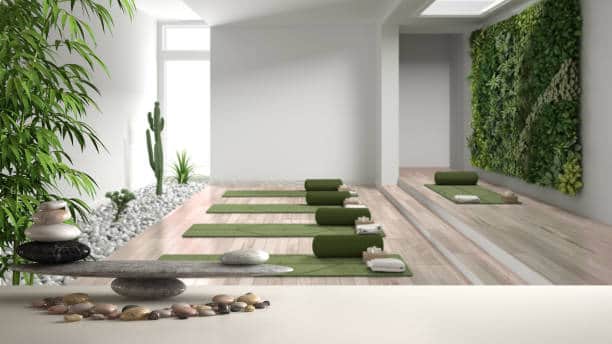
Biophilic design focuses on integrating natural elements into architectural spaces to improve wellbeing. By incorporating greenery, natural light, water features, and organic materials like wood and stone, it creates environments that feel calm and connected to nature.
These elements help reduce stress, improve focus, and enhance mood. Natural light supports healthy sleep cycles, while plants improve air quality and visual comfort. Biophilic design is not just about aesthetics—it is a design approach that promotes mental clarity, emotional balance, and overall wellbeing in homes, workplaces, and public spaces.
Build cost · Bengaluru, May 2026
Sustainable and Healthy Building Materials
Sustainable and healthy materials play a key role in creating spaces that support human wellbeing. Using low-VOC paints, finishes, and adhesives helps improve indoor air quality by reducing harmful chemical emissions.
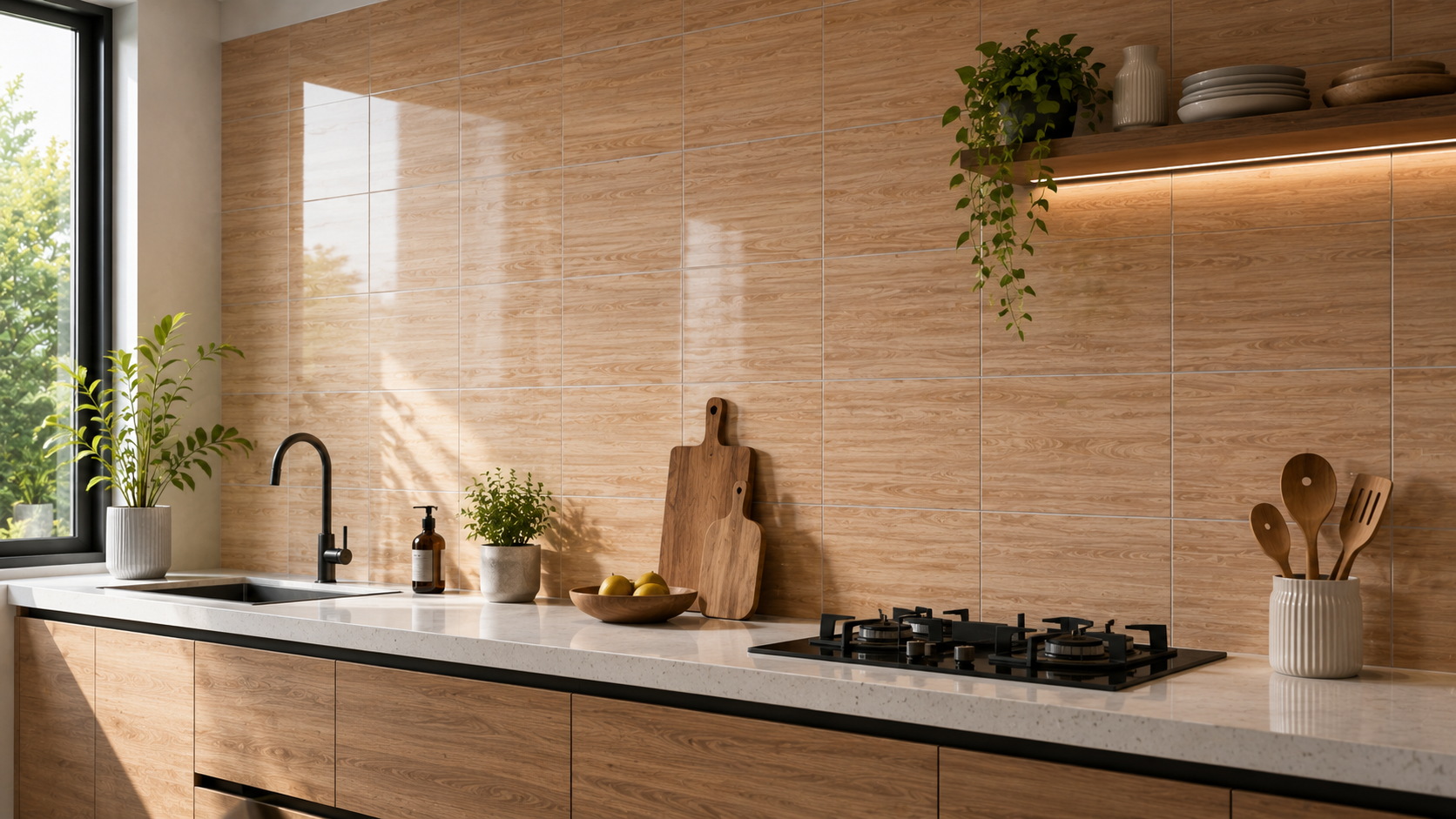
Natural materials such as bamboo, cork, clay, and recycled wood offer eco-friendly benefits while enhancing comfort through better temperature and moisture control. These materials are durable, non-toxic, and environmentally responsible. By choosing sustainable building materials, architects can create healthier, safer, and more efficient spaces that benefit both people and the environment.
Accessibility in Architectural Design
Accessibility is a key element of people-centric architecture, ensuring spaces are usable, safe, and inclusive for everyone, regardless of age or ability. It goes beyond basic features like ramps, including step-free access, wide pathways, clear signage, proper lighting, and easy navigation.
Well-designed accessible spaces reduce physical barriers and support independence, comfort, and dignity. By prioritizing universal design, architects can create inclusive environments that promote social equality, improve usability, and enhance overall wellbeing in both public and private spaces.
Social Connectivity in Architecture
Social connectivity plays an important role in wellbeing-focused design by encouraging interaction and community engagement. Spaces such as courtyards, parks, shared lounges, and common areas naturally bring people together.
Thoughtful layouts, comfortable seating, and connected pathways help create environments that support communication and collaboration. These shared spaces reduce feelings of isolation and strengthen community bonds, making architecture more human-centered and emotionally supportive.
Frequently asked
Active Design for Healthier Living
Active design focuses on creating spaces that encourage movement and support healthy lifestyles. Features like visible staircases, walkable layouts, and pedestrian-friendly environments make daily movement easier and more natural.
Access to parks, open spaces, and recreational areas further promotes physical activity and mental wellbeing. By integrating movement into everyday design, active architecture helps improve energy levels, reduce stress, and create healthier, more vibrant communities.
The Impact of Architecture on Mental Health

Biophilic Design and Stress Reduction
Biophilic design helps reduce stress by integrating natural elements into built spaces. Features like natural light, indoor plants, and water elements create calming and restorative environments. Daylight supports circadian rhythms, improving sleep, mood, and productivity, while greenery enhances air quality and visual comfort.
Exposure to nature within architecture has been proven to lower stress levels, reduce mental fatigue, and promote relaxation. By incorporating natural elements, biophilic design transforms interiors into healthier spaces that support emotional balance and overall wellbeing.
Indoor Air Quality and Wellbeing
Indoor air quality plays a critical role in health and comfort within architectural spaces. Poor ventilation and harmful materials can lead to fatigue, allergies, and respiratory issues, affecting daily performance and wellbeing.
Effective design solutions such as proper ventilation systems, low-VOC materials, indoor plants, and air filtration improve air quality and create healthier environments. Well-ventilated spaces enhance concentration, support respiratory health, and ensure long-term comfort, making clean indoor air essential for modern living.
Noise Reduction and Mental Health
Noise control is an important factor in creating comfortable and stress-free environments. Continuous exposure to noise pollution can increase stress, disrupt sleep, and reduce focus.
Architectural solutions like acoustic panels, sound-absorbing materials, insulated walls, and double-glazed windows help minimise unwanted noise. Designing quieter spaces improves concentration, emotional stability, and overall mental wellbeing, making acoustic comfort essential in modern architecture.
The Influence of Architecture on Physical Health
Architectural design has a direct impact on physical health and overall quality of life. Elements such as interior layout, building materials, and biophilic features influence both mental and physical wellbeing.
Well-designed environments, including therapeutic spaces, support relaxation, improve emotional responses, and enhance comfort. By integrating user-focused and sensory design principles, architecture can create spaces that promote healthier living and improved wellbeing.
The use of privacy policies and considerations for multiple senses in the indoor environment of a psychiatric hospital can greatly impact the mental well-being of patients. By integrating elements of nature and materiality into the design, the physical environment can become a therapeutic space that promotes healing and recovery. Creating a sense of comfort and security in the interior spaces through thoughtful interior design can lead to positive emotional responses and overall well-being.
Promoting Physical Activity Through Architectural Design
Architectural design plays a key role in encouraging physical activity and supporting healthier lifestyles. By integrating features like visible staircases, wide corridors, and pedestrian-friendly pathways, buildings can make movement a natural part of daily routines.
At a larger scale, well-planned environments with parks, cycling tracks, walking paths, and open spaces motivate people to stay active and engaged. These design elements not only improve physical fitness but also support mental wellbeing.
By prioritizing active design, architecture helps reduce lifestyle-related health risks, improve cardiovascular health, and create more energetic, health-focused communities.
Walkable Neighbourhoods and Community Design
Walkable neighbourhoods play a key role in creating healthier and more connected communities. Mixed-use developments that combine homes, workplaces, shops, and amenities encourage walking and cycling instead of vehicle use. Features like pedestrian-friendly streets, safe crossings, and well-designed sidewalks make daily movement easy and enjoyable.
Community spaces such as parks, playgrounds, and shared gardens promote social interaction and outdoor activities. By focusing on walkability and inclusive public spaces, community design enhances physical health, encourages social engagement, and creates vibrant, people-friendly environments.
Walkable Neighbourhoods and Community Design
Walkable neighbourhoods play a transformative role in creating healthier and more connected communities. When urban spaces are designed with walkability in mind, daily activities become more active and engaging. Mixed-use developments that combine homes, workplaces, shops, and essential services encourage people to walk or cycle instead of relying on vehicles. Features such as pedestrian-friendly streets, shaded sidewalks, safe crossings, and human-scale design make movement feel natural and enjoyable.
Beyond mobility, well-designed community spaces strengthen social interaction and overall wellbeing. Parks, playgrounds, community plazas, and shared green spaces act as social hubs where people can gather, interact, and build relationships. These environments encourage outdoor activities, spontaneous conversations, and community engagement. By prioritizing walkability and inclusive public spaces, architectural design supports both physical health and social wellbeing, creating neighbourhoods that are vibrant, functional, and people-centric.
Social Connections and Community Wellbeing
Architecture plays a significant role in shaping social connections and improving overall wellbeing. Well-designed spaces go beyond basic functionality and actively influence how people interact, communicate, and feel within their environment. Thoughtfully planned layouts, shared spaces, and inviting public areas help reduce isolation while fostering a strong sense of belonging.
Research in architectural psychology shows that environments designed to encourage openness, comfort, and interaction can positively impact mental health. Incorporating elements such as natural light, greenery, and flexible communal spaces further enhances emotional wellbeing and cognitive comfort. As highlighted in your content , integrating biophilic elements and sensory design can create calming environments that support mental health and social engagement.
By designing spaces that promote interaction and inclusivity, architecture strengthens community bonds, improves quality of life, and creates environments where people feel connected, supported, and comfortable.
Frequently Asked Questions
How does architecture affect mental and physical health?
Well-designed buildings and public spaces can significantly impact mental and physical health through elements like natural light, open spaces, and access to greenery, which reduce stress and improve mood. Thoughtful architectural design also encourages physical activity, fosters social connections, and creates peaceful environments that enhance overall quality of life and wellbeing.
What is biophilic design and why is it important?
Biophilic design seeks to connect people with nature by incorporating natural elements like greenery, natural light, water features, and outdoor access into architectural spaces. Research shows that exposure to these natural elements reduces stress levels, improves cognitive function, and promotes relaxation and overall mental wellness.
What design elements improve wellbeing in buildings?
Key design elements that promote wellbeing include natural light, color palettes, textures, acoustics, spatial proportions, accessible layouts that encourage interaction, and shared spaces that foster community. Environmental psychology shows these elements can calm the mind, improve focus, reduce stress, and create environments where people feel a sense of belonging.
How does natural light impact health in building design?
Natural light is a crucial design element that reduces stress, improves mood, and enhances cognitive function. Incorporating views of green spaces and access to natural light into architectural design has been shown to have significant positive impacts on mental health and overall wellbeing.
Why is accessibility important in wellbeing-focused architecture?
Designing with accessibility in mind ensures that spaces are welcoming and usable for people of all abilities, which reinforces dignity, independence, and social inclusion. Inclusive architectural design that prioritizes accessibility helps create environments where all people feel a sense of belonging and can thrive.