

Understanding Ceiling Tiles: A Complete Guide for Indian Construction Professionals
Ceiling tiles are one of the most overlooked yet critical components of modern commercial and residential interiors in India. Whether you're designing a corporate office in Bangalore, a retail space in Mumbai, or a healthcare facility in Delhi, the choice of ceiling tiles significantly impacts acoustics, aesthetics, thermal comfort, and maintenance requirements. This comprehensive guide explores everything you need to know about ceiling tiles, from material selection to installation best practices.
Build cost · Bengaluru, May 2026
What Are Ceiling Tiles and Why Do They Matter?

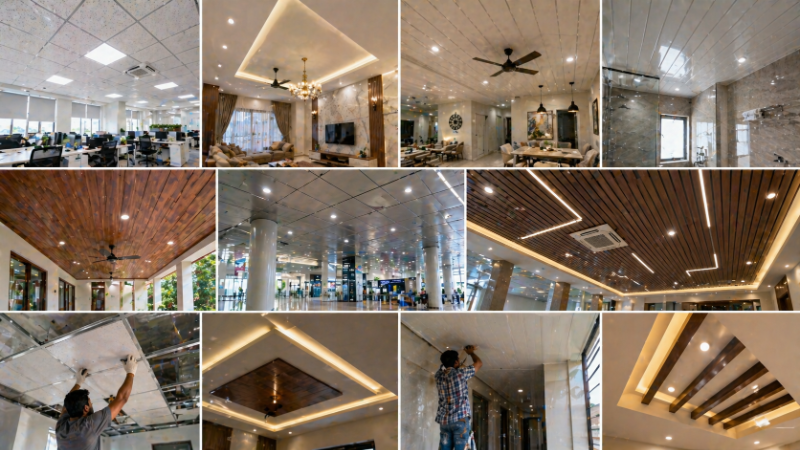
Ceiling tiles are modular panels that form a suspended ceiling system, also known as a drop ceiling or false ceiling. These tiles are typically mounted on a metal grid framework suspended below the structural ceiling. In India's tropical climate and urban construction landscape, ceiling tiles serve multiple functions beyond mere aesthetics:
Acoustic control: Reducing noise levels in offices, hospitals, and educational institutions
Thermal insulation: Improving energy efficiency in air-conditioned spaces
Fire safety: Providing fire-rated protection in commercial buildings
Concealment: Hiding electrical wiring, HVAC ducts, and plumbing systems
Maintenance access: Allowing easy access to building services for repairs and upgrades
Lighting integration: Accommodating recessed lights and LED panels seamlessly
Given India's building codes and the increasing focus on sustainable construction, understanding ceiling tile specifications has become essential for architects, contractors, and facility managers.
Types of Ceiling Tiles Available in the Indian Market
Mineral Fiber Ceiling Tiles
Mineral fiber tiles are the most commonly used ceiling tiles in India. These tiles are manufactured from mineral wool, fiberglass, and other inorganic materials. They offer excellent acoustic properties, with noise reduction coefficients (NRC) ranging from 0.65 to 0.90. In India, mineral fiber tiles cost between ₹150 to ₹400 per square foot, depending on quality and brand.
Advantages:
Superior sound absorption
Moisture-resistant variants available for humid climates
Fire-rated options complying with Indian standards
Easy to install and maintain
Cost-effective for large commercial projects
Disadvantages:
Can deteriorate in high-humidity environments without proper ventilation
May sag over time if exposed to moisture
Limited design aesthetics compared to other materials
Frequently asked
Gypsum Board Ceiling Tiles
Gypsum-based ceiling tiles are increasingly popular in premium commercial and residential projects across Indian metros. These tiles are made from gypsum plaster reinforced with fiberglass. They provide a more elegant finish and better light reflectivity compared to mineral fiber options.
Gypsum ceiling tiles in India range from ₹250 to ₹600 per square foot. They are particularly favored in high-end office spaces, luxury hotels, and retail environments in cities like Mumbai, Delhi, and Bangalore.
Key characteristics:
Superior aesthetic appeal with smooth, paintable surfaces
Better light reflectivity (up to 85%)
Moderate acoustic performance (NRC 0.50-0.75)
Excellent fire resistance
Suitable for humid climates with proper treatment
Metal Ceiling Tiles
Metal ceiling tiles, typically aluminum or steel, are gaining traction in industrial spaces, pharmaceutical facilities, and food processing units across India. These tiles offer durability and hygiene benefits critical for regulated environments.
Metal tiles cost approximately ₹400 to ₹800 per square foot, making them a premium option. However, their longevity (20-30 years) and minimal maintenance requirements justify the investment for specialized applications.
Fiberglass Ceiling Tiles
Fiberglass tiles combine acoustic performance with moisture resistance, making them ideal for India's climate. They are commonly used in basements, parking areas, and spaces prone to moisture exposure.
These tiles typically cost ₹200 to ₹450 per square foot and offer NRC values between 0.70 and 0.85.
PVC and Plastic Ceiling Tiles
PVC tiles are emerging as a budget-friendly option in India, particularly for residential and small commercial applications. They are moisture-proof, easy to clean, and cost between ₹100 to ₹250 per square foot.
However, they offer lower acoustic performance and may not meet fire safety requirements for all commercial applications.
Key Specifications and Standards for Indian Projects
Acoustic Performance
The Noise Reduction Coefficient (NRC) is a critical parameter. For office spaces in India, an NRC of 0.70 or higher is recommended. In open-plan offices common in Bangalore's IT sector, tiles with NRC 0.85-0.90 are preferred to minimize sound transmission between workstations.
The Sound Transmission Class (STC) rating is equally important for spaces requiring privacy, such as healthcare facilities and legal offices. STC ratings above 50 are recommended for these applications.
Fire Safety Compliance
Indian building codes, particularly the National Building Code (NBC) and state-specific regulations, mandate fire-rating requirements for ceiling tiles in commercial buildings. Look for tiles with:
A-class fire rating (as per Indian Standards IS 1644)
Limited Oxygen Index (LOI) values above 24
Flame spread rating not exceeding 25
These requirements are strictly enforced in metro cities and high-rise commercial complexes.
Moisture and Humidity Resistance
Given India's tropical and subtropical climate, moisture resistance is paramount. Tiles should have:
Water absorption rates below 5% (for humid climates)
Moisture vapor transmission rates suitable for air-conditioned spaces
Antimicrobial coatings to prevent mold growth
In cities like Mumbai, Kolkata, and coastal regions, tiles with inherent moisture resistance or hydrophobic treatments are essential.
Light Reflectance
Light reflectance values (LRV) between 0.75 and 0.85 are ideal for maximizing the efficiency of LED lighting systems commonly used in modern Indian offices. This reduces energy consumption and improves employee productivity.
Installation Considerations for Indian Projects
Grid System Selection
The suspended ceiling grid is as important as the tiles themselves. In India, two main types are prevalent:
Exposed Grid Systems: The metal frame is visible and becomes part of the design. These are common in industrial and contemporary office spaces and cost approximately ₹50-100 per square foot for grid materials.
Concealed Grid Systems: The frame is hidden within the tile edges, providing a seamless appearance. These are preferred in premium commercial spaces and cost ₹80-150 per square foot.
Plenum Space Requirements
The space between the structural ceiling and the suspended ceiling (plenum) must accommodate HVAC ducts, electrical conduits, and plumbing. In India's commercial buildings, a minimum plenum height of 600mm is recommended, though 900mm-1200mm is standard practice in well-designed projects.
Accessibility and Maintenance
Ensure tiles are easily removable for maintenance access. This is particularly important in data centers and server rooms common in Bangalore and Hyderabad, where frequent equipment upgrades occur.
Environmental Conditions
Before installation, assess the building's:
HVAC system capacity and humidity control
Ventilation rates (minimum 2-3 air changes per hour recommended)
Temperature stability (±2°C variation is ideal)
Exposure to water leakage from upper floors
In multi-story commercial buildings across Indian metros, improper environmental control is a leading cause of ceiling tile deterioration.
Cost Analysis and Budget Planning
When budgeting for ceiling tiles in India, consider the following cost breakdown:
Tiles: ₹150-800 per square foot (depending on type and quality)
Grid system: ₹50-150 per square foot
Installation labor: ₹30-80 per square foot (varies by city and complexity)
Miscellaneous (fasteners, sealants): ₹10-20 per square foot
For a 10,000 square foot office space in Delhi or Mumbai, total ceiling costs typically range from ₹25 to ₹80 lakhs, depending on material selection and complexity.
Premium options like designer gypsum tiles with integrated lighting can push costs to ₹100+ per square foot, while budget-conscious projects using standard mineral fiber tiles may reduce costs to ₹200-300 per square foot. /blog/gypsum-vs-pop-false-ceiling-india-cost
Maintenance and Longevity
Regular Maintenance Practices
Proper maintenance extends ceiling tile life significantly. Key practices include:
Quarterly inspections: Check for water stains, sagging, or discoloration indicating moisture issues
Dust management: Gently vacuum or dust tiles every 6-12 months
Humidity monitoring: Maintain indoor humidity between 30-50% using dehumidifiers if necessary
Prompt repairs: Replace damaged tiles immediately to prevent water infiltration
HVAC maintenance: Ensure air conditioning units are serviced regularly to prevent condensation
Expected Lifespan
In India's climate, typical ceiling tile lifespans are:
Mineral fiber: 10-15 years
Gypsum: 12-18 years
Metal: 20-30 years
Fiberglass: 15-20 years
These estimates assume proper installation, adequate ventilation, and regular maintenance.

Sustainability and Green Building Considerations
With India's growing focus on sustainable construction and green building certifications (LEED, IGBC), ceiling tiles play an important role:
Recycled content: Many mineral fiber tiles contain 40-80% recycled materials
Recyclability: Most ceiling tiles are fully recyclable at end-of-life
Energy efficiency: High light reflectance tiles reduce artificial lighting needs by 10-20%
Indoor air quality: Low-VOC (volatile organic compound) tiles improve air quality in occupied spaces
Thermal performance: Proper ceiling insulation reduces HVAC load by 15-25%
For projects targeting IGBC Gold or Platinum certification, selecting ceiling tiles with environmental product declarations (EPD) and low embodied carbon is increasingly important.
Common Mistakes to Avoid
When selecting and installing ceiling tiles in Indian projects, avoid these common pitfalls:
Ignoring climate: Using standard tiles in humid regions without moisture treatment
Inadequate plenum ventilation: Failing to ensure proper air circulation above tiles
Mixing tile types: Using different tiles without accounting for differential settling
Poor water management: Not addressing water leakage from upper floors before installation
Undersizing grid systems: Using light-duty grids that sag under tile weight
Neglecting fire ratings: Installing non-compliant tiles in commercial buildings
Ignoring acoustic needs: Selecting tiles based on cost alone without assessing acoustic requirements
Finding the Right Professionals for Your Project
Selecting and installing ceiling tiles requires expertise in material science, building codes, and climate considerations specific to India. When planning your next project, whether it's a corporate office in Bangalore, a healthcare facility in Delhi, or a retail space in Mumbai, connecting with experienced professionals is crucial.
AECORD, India's leading B2B2C marketplace for AECO professionals, connects you with certified architects, engineers, contractors, and ceiling specialists who understand local regulations and climate challenges. Whether you need design consultation, product selection guidance, or installation supervision, AECORD provides access to vetted professionals across India's major cities.
By leveraging AECORD's network, you can compare quotes from multiple contractors, review their previous projects, and ensure your ceiling installation meets both aesthetic and performance standards while complying with Indian building codes.
Conclusion
Ceiling tiles are far more than decorative elements—they are functional components that impact acoustics, thermal comfort, safety, and maintenance accessibility in modern Indian buildings. By understanding the different types available, key specifications, installation requirements, and maintenance practices, you can make informed decisions that enhance your project's value and longevity.
Whether you're working on a small office renovation or a large commercial complex, investing time in ceiling tile selection pays dividends in occupant comfort and building performance. Connect with experienced professionals through AECORD today to ensure your next project receives the ceiling system it deserves.
Frequently Asked Questions
What are ceiling tiles and what is their purpose in Indian construction?
Ceiling tiles are modular panels mounted on a metal grid framework that form a suspended or false ceiling system. In India, they serve multiple functions including acoustic control, thermal insulation, fire safety, concealment of building services, and lighting integration, making them essential for modern commercial and residential interiors.
What is the cost of ceiling tiles in India?
Mineral fiber ceiling tiles in India typically cost between ₹150 to ₹400 per square foot, while gypsum-based tiles range from ₹250 to ₹600 per square foot, depending on quality, brand, and specifications. Metal ceiling tiles are priced higher based on material and durability requirements.
Which type of ceiling tile is best for humid climates in India?
Mineral fiber tiles with moisture-resistant variants are ideal for India's humid tropical climate, though gypsum tiles with proper treatment are also suitable. Both options are preferable to standard materials in high-humidity environments, as they resist deterioration and sagging when properly ventilated.
What is the noise reduction coefficient (NRC) of ceiling tiles?
Mineral fiber ceiling tiles offer excellent acoustic performance with NRC values ranging from 0.65 to 0.90, while gypsum-based tiles provide moderate sound absorption with NRC ratings between 0.50 to 0.75. Higher NRC values indicate better sound absorption capabilities.
What are the advantages of gypsum ceiling tiles over mineral fiber?
Gypsum ceiling tiles offer superior aesthetic appeal with smooth, paintable surfaces, better light reflectivity (up to 85%), and excellent fire resistance, making them ideal for premium commercial and residential projects. However, they have moderate acoustic performance compared to mineral fiber tiles.