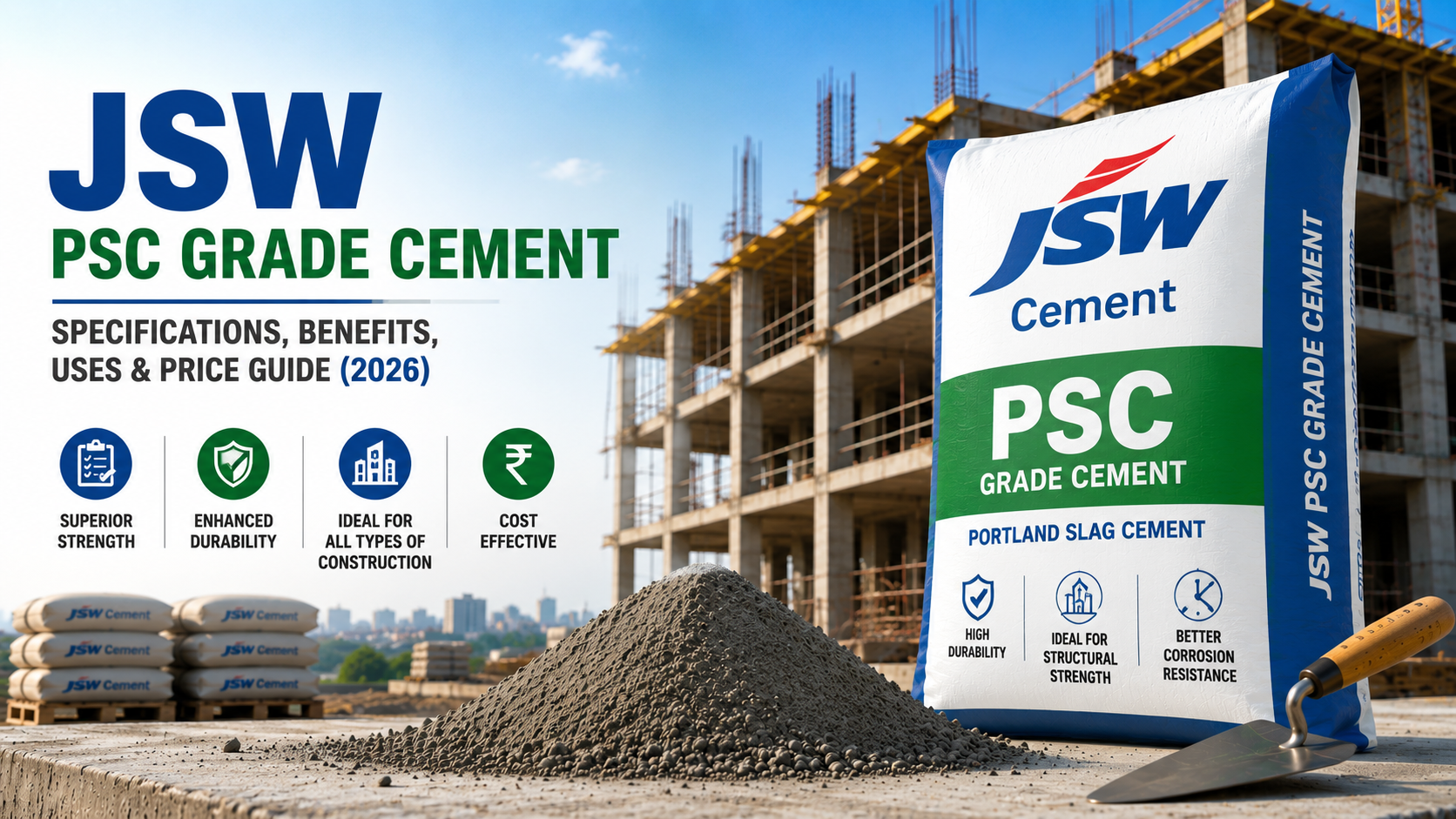


Bharathi PPC Grade Cement in Polythene Bags: A Comprehensive Guide for Indian Construction Professionals
Cement is the backbone of any construction project in India, and choosing the right type and quality can make a significant difference in the longevity and structural integrity of your buildings. Bharathi PPC (Portland Pozzolana Cement) grade cement in polythene bags has become a popular choice among architects, engineers, and contractors across the country. This comprehensive guide will help you understand everything you need to know about this cement variety, its specifications, applications, and how to source it effectively.
Build cost · Bengaluru, May 2026
Understanding Bharathi PPC Grade Cement
What is PPC Cement?
Portland Pozzolana Cement (PPC) is a blended cement that combines Portland cement clinker with pozzolanic materials like fly ash. Bharathi PPC cement is manufactured by Bharathi Cement Corporation, one of India's reputable cement producers. The addition of pozzolanic materials provides several advantages over ordinary Portland cement (OPC), including improved durability, reduced heat of hydration, and better long-term strength development.
PPC cement is particularly suited for massive concrete structures, water-retaining structures, and buildings in areas with aggressive environmental conditions. In India, where we experience varied climatic conditions across regions like Mumbai, Delhi, Bangalore, and Chennai, PPC cement offers superior performance compared to standard OPC.
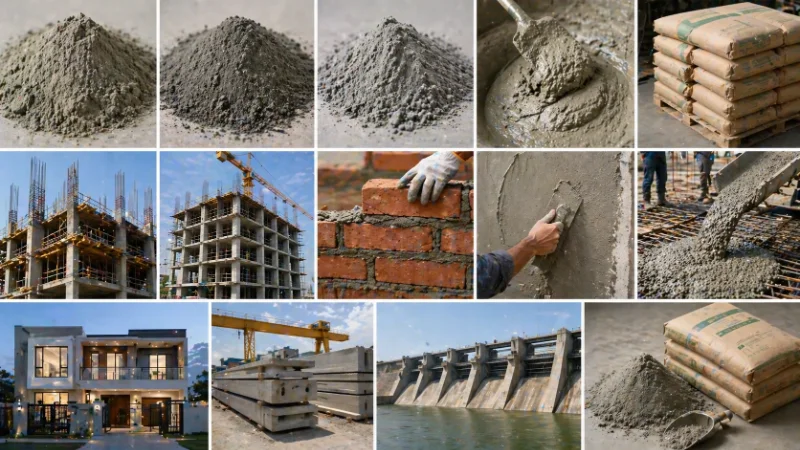
Key Characteristics of Bharathi PPC Cement
Bharathi PPC cement conforms to IS 1489-1:2015 (Indian Standard for Portland Pozzolana Cement), ensuring consistent quality and performance. The cement typically contains:
Portland cement clinker: 50-65%
Pozzolanic material (fly ash): 25-40%
Gypsum: 2-5%
Other additives: <2%
These proportions ensure that the cement develops strength gradually while providing excellent durability. The 28-day compressive strength of PPC cement typically ranges from 32.5 to 42.5 MPa, depending on the grade.
Frequently asked
Polythene Bag Packaging: Why It Matters
Advantages of Polythene Bag Packaging
The choice of packaging is crucial for maintaining cement quality from the manufacturing plant to your construction site. Bharathi PPC cement comes in polythene-lined bags that offer several benefits:
Moisture Protection: Polythene bags create a moisture barrier, preventing the cement from absorbing humidity during storage and transportation. This is especially important during the monsoon season in Indian cities like Mumbai, Kolkata, and Kochi.
Extended Shelf Life: Proper packaging extends the usable life of cement from the standard 3 months to potentially 6 months under ideal storage conditions.
Contamination Prevention: Polythene lining prevents dust and other contaminants from mixing with the cement, ensuring purity.
Cost-Effectiveness: While slightly more expensive than paper bags, polythene-lined bags reduce wastage and ensure better quality control on site.
Handling Convenience: The bags are durable and easier to handle during loading, unloading, and storage.
Standard Bag Sizes Available
Bharathi PPC cement in polythene bags is typically available in standard sizes:
50 kg bags (most common for retail and small projects)
40 kg bags (for specific applications)
Bulk quantities for large construction projects
The 50 kg bag is the industry standard across India, making it easier for contractors to calculate quantities and manage inventory. One 50 kg bag of cement typically covers approximately 1 cubic meter of concrete when mixed with sand and aggregates in standard proportions.
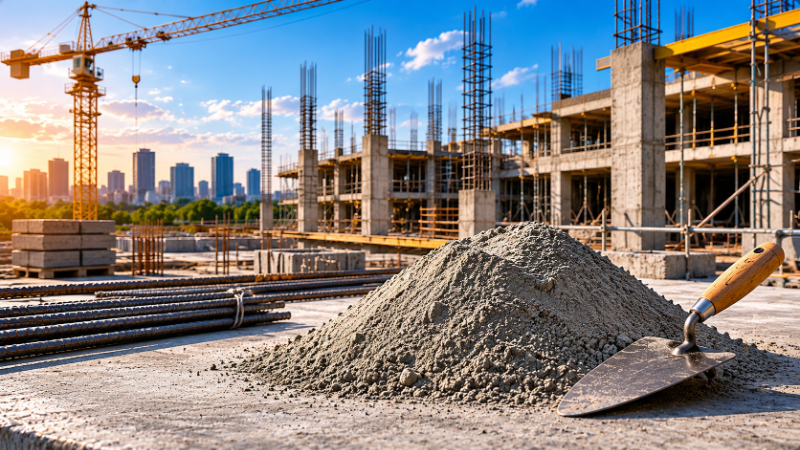
Technical Specifications and Performance
Compressive Strength Development
One of the key advantages of Bharathi PPC cement is its gradual strength development. Unlike OPC cement, which gains strength quickly but may develop internal stresses, PPC cement provides steady strength gain:
3-day strength: Approximately 15-20 MPa
7-day strength: Approximately 24-28 MPa
28-day strength: Approximately 32.5-42.5 MPa (depending on grade)
90-day strength: Continues to develop, often exceeding 45 MPa
This extended strength development is particularly beneficial for massive concrete structures like dams, large foundation slabs, and thick concrete walls, which are common in Indian infrastructure projects.
Heat of Hydration
PPC cement generates less heat during the hydration process compared to OPC. This characteristic is crucial for large concrete pours where excessive heat can cause thermal cracking. Cities like Delhi, where summer temperatures can exceed 45°C, benefit significantly from using PPC cement in bulk concrete works.
Durability in Aggressive Environments
Bharathi PPC cement exhibits superior resistance to:
Sulfate Attack: The pozzolanic reaction creates a denser microstructure, providing better sulfate resistance. This is important for structures near coastal areas (Mumbai, Goa) or areas with saline groundwater.
Chloride Penetration: Reduced permeability means slower ingress of chloride ions, protecting reinforcement steel from corrosion.
Carbonation: Better long-term resistance to atmospheric carbonation, ensuring durability in urban environments with higher CO2 levels.
Applications of Bharathi PPC Cement in Indian Construction
Residential Construction
PPC cement is increasingly preferred for residential buildings across Indian cities. Whether you're constructing a multi-story apartment complex in Bangalore or a row house in Pune, Bharathi PPC cement provides reliable performance. The gradual strength development means less concern about early-age cracking, and homeowners benefit from better durability over the building's lifespan.
Water-Retaining Structures
For swimming pools, water tanks, and irrigation structures, PPC cement is the cement of choice. The reduced permeability and better resistance to water ingress make it ideal for such applications. Many municipal water supply projects across India specify PPC cement for their reservoirs and distribution networks.
Massive Concrete Works
Large foundation slabs, thick concrete walls, and structural elements in bridges benefit significantly from PPC cement's lower heat of hydration. Major infrastructure projects in cities like Delhi, Mumbai, and Hyderabad often use PPC cement to minimize thermal cracking in large concrete pours.
Coastal and Industrial Applications
Structures in coastal areas like Kochi, Visakhapatnam, and Goa, or near industrial zones, face aggressive chemical environments. Bharathi PPC cement's superior durability makes it the preferred choice for such demanding applications.
Pricing and Cost Considerations
Current Market Prices in India
As of recent market data, Bharathi PPC cement prices in India typically range from:
₹350-450 per 50 kg bag for retail purchases in major metros like Delhi, Mumbai, and Bangalore
Prices may vary by ±10-15% based on location, transportation costs, and market conditions
Bulk purchases for large projects may attract discounts of 5-10%
It's important to note that cement prices fluctuate based on raw material costs, fuel prices, and demand-supply dynamics. During construction season (October to March), prices tend to be higher due to increased demand across Indian cities.
Cost-Benefit Analysis
While Bharathi PPC cement may cost 5-10% more than standard OPC cement, the long-term benefits justify the investment:
Reduced maintenance costs due to better durability
Lower repair expenses in aggressive environments
Better resale value for residential properties
Extended service life of structures (25-30 years vs. 20-25 years with OPC)
Storage and Handling Best Practices
Proper Storage Conditions
To maintain the quality of Bharathi PPC cement in polythene bags, follow these storage guidelines:
Keep bags dry: Store in a covered area away from direct rain and moisture. During monsoon in cities like Mumbai and Kolkata, ensure proper ventilation to prevent moisture accumulation.
Avoid ground contact: Place bags on wooden pallets or raised platforms to prevent moisture absorption from the ground.
Maintain temperature: Store at ambient temperature. Extreme heat or cold can affect cement properties.
Stack carefully: Limit stacking height to 10-12 bags to prevent crushing and dust generation.
First-in, first-out: Use older stock first to ensure cement doesn't exceed its usable life.
Quality Checking Before Use
Before using Bharathi PPC cement, perform these simple checks:
Verify the manufacturing date on the bag (should not exceed 3 months for OPC, 6 months for PPC with proper storage)
Check for bag integrity and absence of moisture
Feel the cement texture – it should be fine and free-flowing without lumps
Verify the IS mark and manufacturer details match Bharathi Cement Corporation
Sourcing Bharathi PPC Cement Through AECORD
Finding reliable suppliers of Bharathi PPC cement across India can be challenging, especially for projects in tier-2 and tier-3 cities. AECORD, India's B2B2C marketplace for AECO professionals, connects you with verified cement suppliers and distributors across the country. Whether you're sourcing cement for a residential project in Pune, a commercial development in Hyderabad, or an infrastructure project in Jaipur, AECORD helps you find the right suppliers at competitive prices.
Through AECORD's platform, you can:
Compare prices from multiple suppliers in your region
Verify supplier credentials and past project references
Negotiate bulk discounts for large projects
Arrange timely delivery to your construction site
Access quality certifications and test reports
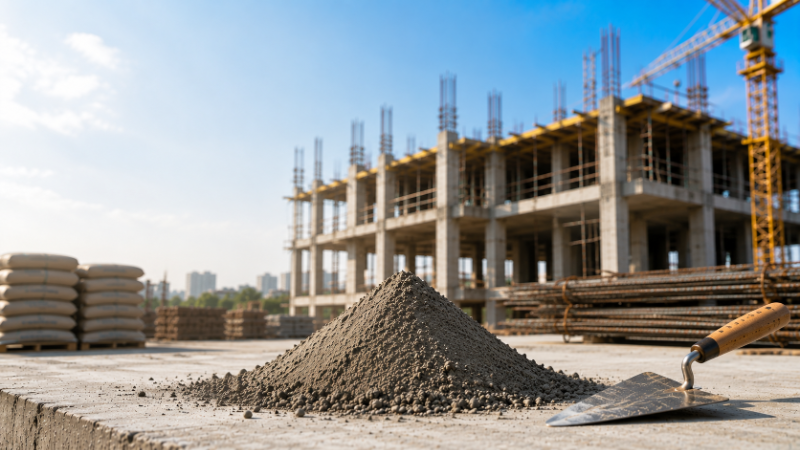
Comparing PPC with Other Cement Types
PPC vs. OPC (Ordinary Portland Cement)
While OPC is cheaper and gains strength faster, PPC offers better durability and lower heat of hydration. For long-term structural integrity, PPC is the superior choice, especially in Indian climatic conditions.
PPC vs. PSC (Portland Slag Cement)
Both are blended cements with similar benefits. PSC uses blast furnace slag instead of fly ash. In India, PPC is more readily available and preferred for most applications. PSC is often used in specific regions where slag availability is high.
PPC vs. Composite Cement
Composite cement blends multiple pozzolanic materials and offers even lower heat of hydration. However, it's less commonly used in India and may have limited availability in smaller cities.
Regulatory Compliance and Quality Assurance
Bharathi PPC cement must comply with IS 1489-1:2015, which specifies:
Chemical composition limits
Physical properties and strength requirements
Testing procedures and acceptance criteria
Packaging and labeling requirements
When sourcing cement, always request the test certificates from the supplier. Reputable suppliers provide third-party test reports confirming compliance with Indian Standards. This is especially important for large projects where quality assurance is critical.
Environmental and Sustainability Considerations
PPC cement is considered more environmentally friendly than OPC because:
It uses fly ash, a byproduct from thermal power plants, reducing waste
Lower clinker content means reduced CO2 emissions per ton of cement
Better durability means longer structure lifespan, reducing the need for reconstruction
For projects targeting green building certifications (LEED, IGBC) in Indian cities, specifying Bharathi PPC cement can contribute to sustainability credits.
Common Issues and Troubleshooting
Slow Strength Development
If concrete made with PPC cement shows slower early strength, this is normal. Ensure proper curing (minimum 7 days of water curing) and avoid early loading of structures.
Color Variations
PPC cement naturally has a slightly darker color than OPC due to fly ash content. This is normal and doesn't affect performance.
Cement Lumpiness
If bags contain lumps, it indicates moisture absorption. Reject such bags and store remaining stock in better conditions.
Future Trends in Indian Cement Market
The Indian cement industry is moving toward blended cements like PPC. With increasing environmental regulations and infrastructure demands, PPC cement's market share is expected to grow. Construction professionals across India are increasingly recognizing PPC's benefits for long-term durability and sustainability.
Conclusion
Bharathi PPC grade cement in polythene bags represents an excellent choice for Indian construction professionals seeking durability, reliability, and value for money. Whether you're working on residential, commercial, or infrastructure projects, PPC cement's superior performance in aggressive environments and massive concrete works makes it a wise investment.
The key to success is sourcing quality cement from reliable suppliers, storing it properly, and following best practices during construction. Finding the right supplier at competitive prices is crucial for project economics. AECORD makes this process seamless by connecting you with verified cement suppliers and other AECO professionals across India. Whether you need Bharathi PPC cement in Delhi, Mumbai, Bangalore, Hyderabad, or any other Indian city, AECORD's platform helps you find the best options quickly and efficiently.
Start your search for reliable cement suppliers and construction professionals today on AECORD – India's trusted B2B2C marketplace for all your architectural, engineering, construction, and operations needs. Connect with verified suppliers, compare quotes, and ensure your projects are built on the foundation of quality materials and expert guidance.