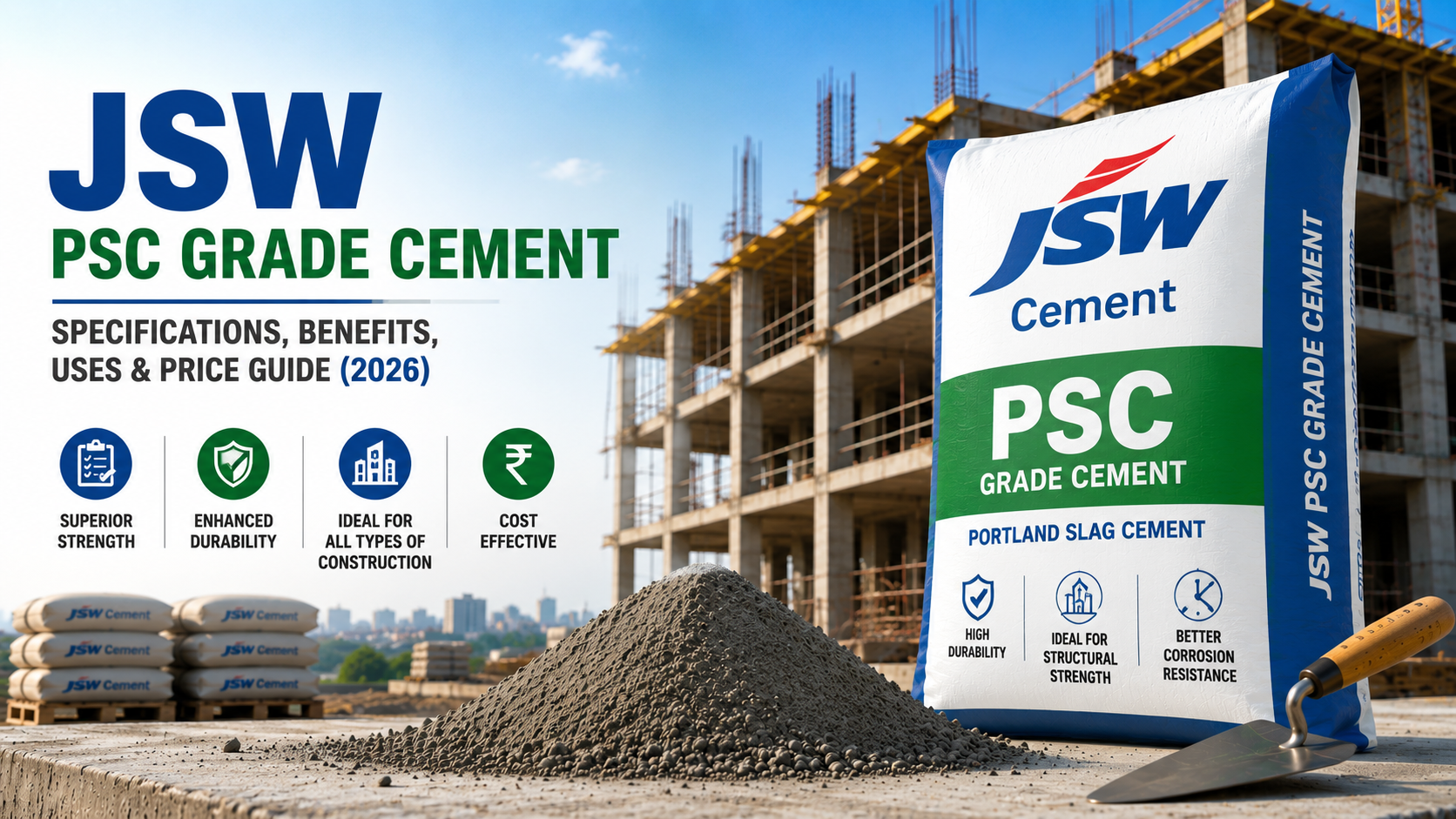


Understanding Bharathi OPC 53 Grade Cement: A Comprehensive Guide for Indian Construction Professionals
In the Indian construction industry, cement selection is one of the most critical decisions that can impact the quality, durability, and cost-effectiveness of any project. Among the various cement options available in the market, Bharathi OPC 53 Grade Cement has emerged as a popular choice for contractors, engineers, and builders across the country. This guide provides an in-depth look at what makes this cement suitable for modern construction needs and how to select the right product for your projects. /blog/ppc-vs-opc-cement-which-is-better-for-house-construction-in-india
Build cost · Bengaluru, May 2026
What is OPC 53 Grade Cement?
OPC stands for Ordinary Portland Cement, and the "53" designation refers to the compressive strength of the cement measured in megapascals (MPa) after 28 days of curing. OPC 53 Grade cement offers a minimum compressive strength of 53 MPa at 28 days, making it stronger than the standard OPC 43 Grade cement, which provides only 43 MPa.
Bharathi OPC 53 Grade cement is manufactured following the Indian Standards (IS 8112:2013) and is designed to meet the stringent quality requirements of modern construction projects. The cement is produced by grinding clinker with gypsum, ensuring optimal particle size distribution for better hydration and strength development. /blog/jsw-supergrade-ppc-grade-cement-laminated-bag-122001
Key Characteristics of Bharathi OPC 53 Grade Cement
When evaluating cement for your construction project, it's essential to understand the specific characteristics that distinguish OPC 53 Grade from other varieties:
Higher Early Strength: OPC 53 Grade cement develops strength more rapidly than OPC 43 Grade, reaching higher strength levels within the first 7 days of curing. This is particularly beneficial for projects with tight timelines.
Better Durability: The higher strength rating correlates with improved durability and resistance to environmental degradation, making it suitable for structures exposed to harsh weather conditions.
Improved Workability: Properly formulated OPC 53 Grade cement offers excellent workability when mixed with appropriate water-cement ratios, reducing the need for excessive water during construction.
Lower Heat of Hydration: Compared to high-strength cements, OPC 53 Grade produces moderate heat during hydration, reducing the risk of thermal cracking in large concrete sections.
Consistent Quality: Bharathi cement is known for maintaining consistent quality across batches, which is crucial for ensuring uniform concrete properties throughout a project.
Laminated Bag Packaging: Benefits and Specifications
The laminated bag packaging (often referred to as the specification) represents a significant advancement in cement packaging technology. Understanding these benefits can help you make informed purchasing decisions:
Moisture Protection: Laminated bags provide superior protection against moisture ingress compared to traditional paper bags. In India's varied climate—from humid coastal regions to arid desert areas—this protection is invaluable. Moisture exposure can cause cement to set prematurely, reducing its effectiveness and shelf life.
Extended Shelf Life: With proper laminated bag storage, Bharathi OPC 53 Grade cement can maintain its quality for extended periods, typically up to three months when stored in dry conditions. This is particularly important for projects in remote locations or during the monsoon season when delivery schedules may be unpredictable.
Reduced Wastage: The superior protection of laminated bags means less cement is lost due to moisture damage or premature setting. For a typical construction project in India, this can translate to savings of 2-3% on cement costs.
Improved Handling: Laminated bags are more resistant to tearing and abrasion during transportation and storage, reducing product loss and ensuring you receive the full quantity of cement specified in your purchase order.
Environmental Considerations: Many modern laminated bags are designed with recyclability in mind, aligning with India's growing focus on sustainable construction practices.
Frequently asked
Applications of Bharathi OPC 53 Grade Cement
The superior strength characteristics of OPC 53 Grade cement make it suitable for a wide range of construction applications across India:
High-Rise Commercial Buildings
In metropolitan areas like Mumbai, Bangalore, and Delhi, where high-rise construction is common, OPC 53 Grade cement is preferred due to its rapid strength development. This allows for faster formwork removal and accelerated construction schedules, reducing overall project timelines and costs.
Infrastructure Projects
Major infrastructure developments including bridges, highways, and metro rail projects across Indian cities benefit from the durability and strength of OPC 53 Grade cement. Projects like the Bangalore Metro, Delhi Metro extensions, and various national highway projects have successfully utilized this cement grade.
Precast and Prestressed Concrete
The rapid strength gain of OPC 53 Grade makes it ideal for precast concrete manufacturing facilities. The faster strength development allows for quicker demoulding, increasing production capacity and reducing manufacturing costs.
Coastal and Marine Structures
For structures in coastal areas prone to saltwater exposure—such as in Goa, Kerala, and Gujarat—the superior durability of OPC 53 Grade cement provides better resistance to chloride ingress and corrosion.
Repair and Rehabilitation Work
When undertaking repair work on existing structures, OPC 53 Grade cement's quick setting characteristics make it particularly useful for minimizing disruption to ongoing operations.
Cost Considerations for Indian Projects
Understanding the pricing structure of Bharathi OPC 53 Grade cement is crucial for project budgeting. As of recent market data, OPC 53 Grade cement in India typically costs between ₹550 to ₹650 per 50 kg bag, depending on the region and current market conditions. Laminated bag packaging may command a slight premium of ₹20-30 per bag compared to standard paper bags, but the benefits in terms of reduced wastage often justify this additional cost.
For a typical residential construction project in Bangalore, Mumbai, or Hyderabad requiring 100 tons of cement, the total cement cost would range from ₹11 to ₹13 lakhs, representing approximately 8-12% of the total project budget. When sourcing cement through platforms like AECORD, you can compare prices from multiple suppliers and find the most competitive rates in your region.
Quality Standards and Certifications
Bharathi OPC 53 Grade cement complies with IS 8112:2013 (Indian Standards for OPC cement) and carries the ISI mark, ensuring that the product meets stringent quality requirements. When purchasing cement, always verify:
ISI certification mark on the bag
Manufacturing and expiry dates clearly printed
Batch number for traceability
Proper laminated packaging without any visible damage
Weight verification (50 kg bags should weigh exactly 50 kg)
Storage and Handling Best Practices
To maximize the benefits of laminated bag packaging, follow these storage guidelines:
Storage Location: Store cement bags in a dry, well-ventilated area away from direct sunlight. In India's monsoon regions, elevated storage platforms with waterproof coverings are essential to prevent moisture absorption from the ground.
Temperature Control: While extreme temperature control isn't necessary, storing cement in areas with moderate temperature variations helps maintain consistency. Avoid storage areas that experience significant temperature fluctuations.
Stacking Height: Limit stacking to a maximum of 10 bags high to prevent crushing of lower bags and potential damage to the laminated packaging.
First-In-First-Out (FIFO): Implement proper inventory management to ensure older stock is used first, preventing cement from exceeding its shelf life.
Handling Equipment: Use mechanical handling equipment such as forklifts rather than dragging bags to minimize damage to the laminated packaging.
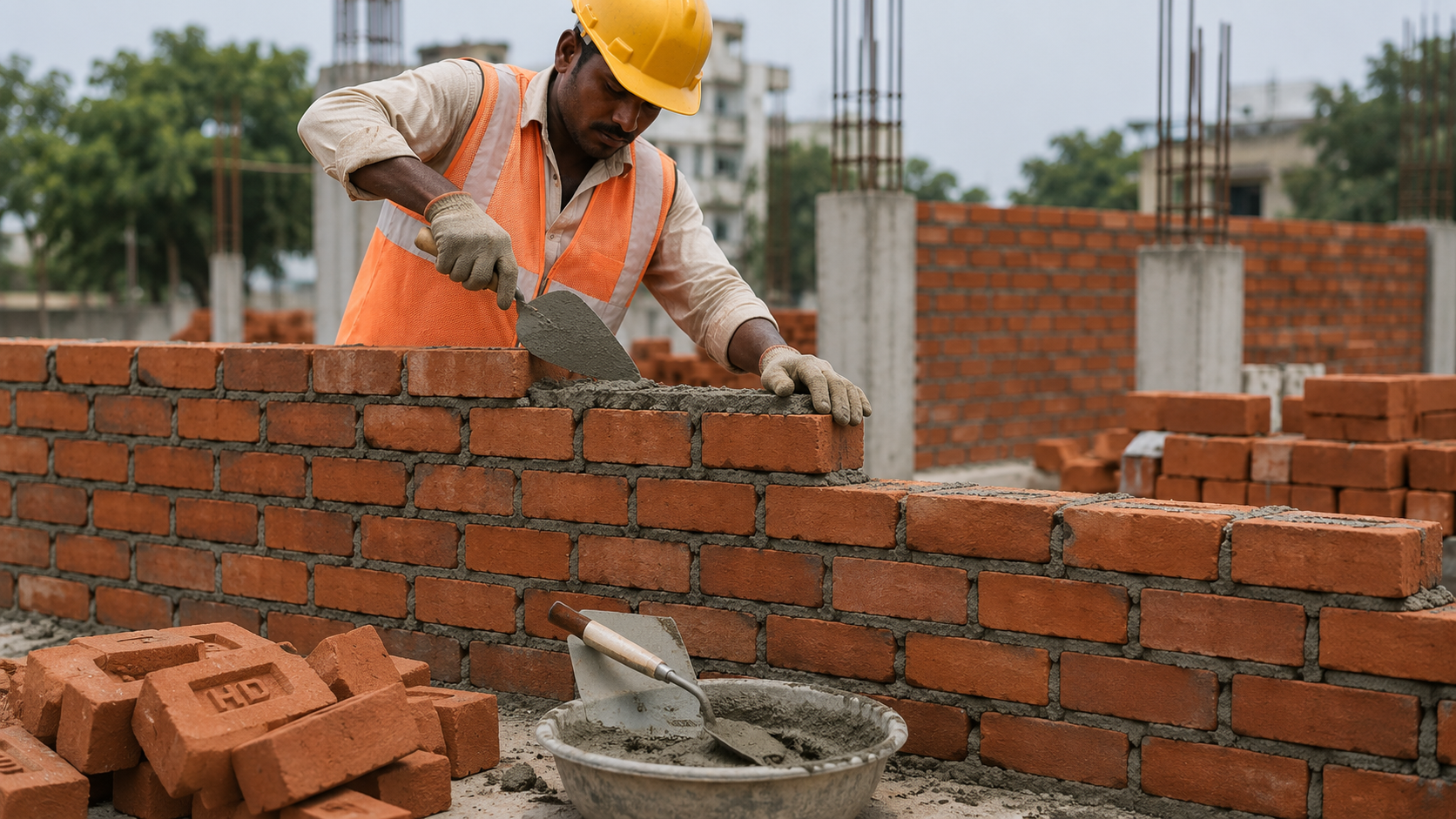
Comparing OPC 53 with Other Cement Grades
Understanding how OPC 53 Grade compares to other available options helps in making the right choice for your specific project needs:
OPC 43 Grade vs. OPC 53 Grade: While OPC 43 Grade is more economical and suitable for general construction, OPC 53 Grade offers superior early strength and better long-term durability. For projects requiring faster construction schedules or exposed to harsh environmental conditions, OPC 53 is the better choice despite its slightly higher cost.
PSC (Portland Slag Cement) vs. OPC 53 Grade: PSC offers better resistance to sulfate attack and lower heat of hydration, making it suitable for large concrete sections and marine environments. However, it develops strength more slowly than OPC 53 Grade. For projects with tight timelines, OPC 53 is preferable.
PPC (Portland Pozzolana Cement) vs. OPC 53 Grade: PPC is more economical and environmentally friendly, but OPC 53 Grade provides higher early strength and is better suited for high-strength applications.
Selecting the Right Supplier
When sourcing Bharathi OPC 53 Grade cement for your project, consider these factors:
Reputation and Track Record: Verify the supplier's experience and reputation in your region. Look for testimonials from other construction professionals.
Consistent Quality: Request samples and conduct strength tests to ensure consistency across batches.
Delivery Reliability: Ensure the supplier can meet your project's delivery schedule, particularly important for projects in remote areas.
Competitive Pricing: Compare prices across multiple suppliers, but don't compromise on quality for marginal cost savings.
After-Sales Support: Choose suppliers who offer technical support and can address quality concerns promptly.
Platforms like AECORD connect construction professionals with vetted cement suppliers across India, making it easier to compare offerings and find reliable sources for Bharathi OPC 53 Grade cement in your area.
Environmental and Sustainability Aspects
Modern cement manufacturing, including Bharathi's production processes, increasingly focuses on sustainability. OPC 53 Grade cement's efficiency—requiring less material to achieve required strength—contributes to reduced overall environmental impact compared to lower-grade cements that may require larger quantities.
The laminated bag packaging also supports sustainability goals by reducing cement wastage and enabling better recycling practices. As India moves toward green building certifications (LEED, GRIHA), specifying sustainable cement products becomes increasingly important.
Conclusion
Bharathi OPC 53 Grade cement in laminated bag packaging represents a reliable choice for construction professionals across India seeking superior strength, durability, and quality assurance. Whether you're involved in high-rise construction in metropolitan areas, infrastructure projects, or specialized applications, this cement grade delivers consistent performance when properly selected and handled.
The investment in higher-grade cement and superior packaging is often offset by reduced wastage, faster construction schedules, and improved long-term durability of structures. By understanding the characteristics, applications, and best practices for using OPC 53 Grade cement, you can make informed decisions that enhance project quality and profitability.
To find reliable suppliers of Bharathi OPC 53 Grade cement in your region and connect with other construction professionals for recommendations and insights, visit AECORD—India's trusted B2B2C marketplace for AECO professionals. Browse verified suppliers, compare prices, and access expert guidance to ensure your cement procurement supports project success.