

Understanding Ashtech Gold PCC Grade Cement: A Comprehensive Guide for Indian Construction Professionals
In the Indian construction industry, selecting the right cement is one of the most critical decisions that can impact the longevity, durability, and cost-effectiveness of any project. Ashtech Gold PCC (Portland Composite Cement) Grade cement in laminated bags has emerged as a reliable choice for architects, engineers, and construction professionals across the country. This comprehensive guide will help you understand the specifications, applications, benefits, and best practices for using this cement in your projects.
Build cost · Bengaluru, May 2026
What is PCC Grade Cement and Why It Matters
Understanding PCC Composition
Portland Composite Cement (PCC) is a blended cement that combines Portland clinker with supplementary cementitious materials such as fly ash, slag, or pozzolanic materials. Ashtech Gold PCC Grade cement is manufactured to meet the stringent requirements of IS 1489-1:2015, the Indian Standard for Portland Pozzolana Cement. This composition makes it particularly suitable for various construction applications across India's diverse climate zones.
The blend typically contains:
Portland clinker (65-79%)
Pozzolanic materials like fly ash (21-35%)
Gypsum and other minor constituents
This composition provides several advantages over ordinary Portland cement (OPC), including improved long-term strength, reduced heat of hydration, and better durability in aggressive environments.
The Significance of Laminated Bags
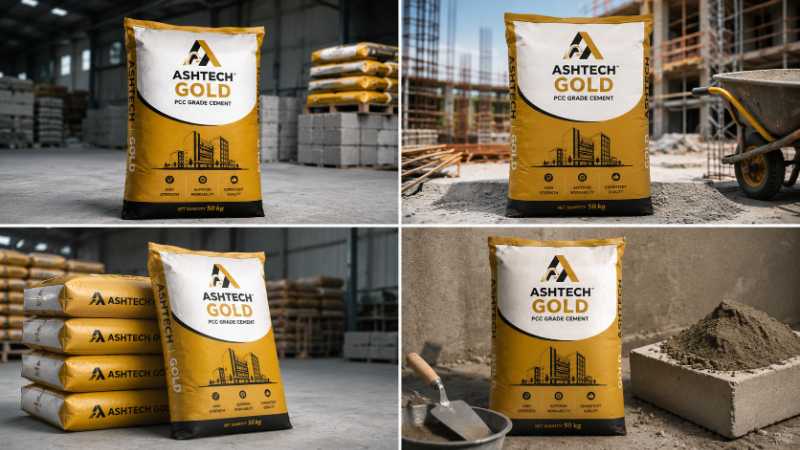
Ashtech Gold PCC Grade cement comes in laminated bags, which are specifically designed to protect the cement from moisture and environmental degradation. Laminated bags typically consist of paper and plastic layers that provide superior protection compared to conventional paper bags. This is particularly important in India, where monsoon seasons and high humidity levels can significantly compromise cement quality if not properly stored.
Frequently asked
Key Specifications and Technical Properties
Physical and Chemical Properties
Ashtech Gold PCC Grade cement meets the following technical specifications:
Compressive Strength: Minimum 33 MPa at 28 days (for 33-grade cement), ensuring adequate structural integrity
Initial Setting Time: 30-90 minutes, allowing sufficient working time for masons
Final Setting Time: Not more than 600 minutes
Soundness (Le Chatelier): Not more than 10mm, preventing expansion-related defects
Fineness: Specific surface area of 320-380 m²/kg
These properties ensure that the cement performs consistently across various climatic conditions found throughout India, from the humid coastal regions of Kerala and Maharashtra to the arid zones of Rajasthan.
Durability Advantages
One of the standout features of PCC Grade cement is its superior durability in aggressive environments. The pozzolanic materials in the blend react with calcium hydroxide produced during hydration, creating additional calcium silicate hydrate (C-S-H) gel. This denser microstructure provides:
Better resistance to sulfate attack (important for structures near coastal areas)
Improved resistance to chloride ion penetration
Lower permeability, reducing water ingress
Enhanced resistance to acidic environments
Applications of Ashtech Gold PCC Grade Cement in Indian Construction
Residential Construction
For residential buildings, Ashtech Gold PCC Grade cement is ideal for:
Concrete work: Foundations, columns, beams, and slabs in multi-story residential complexes
Plastering: Internal and external wall finishes that require durability and aesthetic appeal
Masonry: Brickwork and blockwork in load-bearing and non-load-bearing walls
In cities like Bangalore, Hyderabad, and Pune, where construction activity is booming, many builders prefer PCC Grade cement for its cost-effectiveness without compromising on quality.
Commercial and Industrial Projects
Large commercial complexes, shopping malls, and industrial structures benefit significantly from PCC Grade cement due to its:
Lower heat of hydration, reducing thermal cracking in massive concrete sections
Better long-term durability for structures with extended service life
Cost advantages that improve project economics
Infrastructure and Specialized Applications
PCC Grade cement is particularly valuable for:
Hydraulic structures: Dams, canals, and water treatment facilities where sulfate resistance is crucial
Coastal structures: Seawalls, jetties, and marine facilities vulnerable to saltwater attack
Underground structures: Basements, metro tunnels, and underground parking where water resistance is essential
Pavement and road construction: Rigid pavement for highways and airport runways
Cost Analysis and Economic Benefits
Pricing in the Indian Market
As of recent market data, Ashtech Gold PCC Grade cement in 50kg laminated bags typically costs between ₹350-450 per bag, depending on the region and current market conditions. This pricing structure offers several economic advantages:
Approximately 10-15% cost savings compared to OPC Grade cement
Better value proposition when considering long-term durability
Reduced maintenance costs over the structure's lifetime
For a typical 1000 sq.ft. residential project requiring approximately 30-35 bags of cement, the cost difference translates to meaningful savings of ₹3,000-5,000, which can be reinvested in other quality aspects of the construction.
Return on Investment
While PCC Grade cement has a slightly lower upfront cost than OPC, the real value emerges through:
Extended service life: Structures last longer with minimal deterioration
Reduced repair costs: Lower maintenance requirements over 50+ years
Environmental benefits: Lower carbon footprint due to partial replacement of clinker
Storage and Handling Best Practices
Proper Storage Conditions
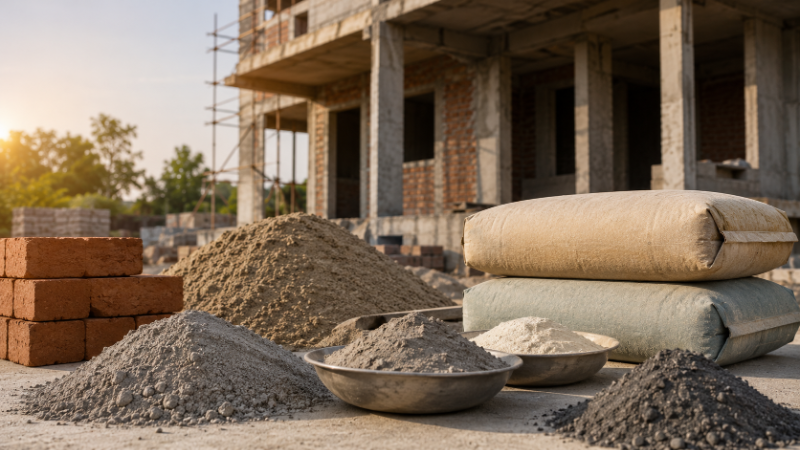
The laminated bags of Ashtech Gold PCC Grade cement must be stored correctly to maintain quality:
Keep bags dry: Store in a covered area away from direct moisture exposure, especially during monsoon seasons in cities like Mumbai, Chennai, and Kolkata
Stack properly: Stack bags on wooden pallets or raised platforms, not directly on the ground
Limit height: Do not stack more than 10 bags high to prevent compression damage
Maintain ventilation: Ensure adequate air circulation to prevent moisture accumulation
Temperature control: Store in areas with moderate temperature, avoiding extreme heat
Shelf Life Considerations
Ashtech Gold PCC Grade cement should ideally be used within 3 months of manufacture. After this period, the cement may absorb moisture and lose strength. Always check the manufacturing date on the laminated bag and maintain a first-in-first-out (FIFO) inventory system at your construction site.
Quality Assurance and Testing
Verifying Cement Quality
Before using Ashtech Gold PCC Grade cement on your project, conduct these basic quality checks:
Visual inspection: Check for lumps, discoloration, or foreign materials
Bag integrity: Ensure laminated bags are intact without tears or punctures
Manufacturer certification: Verify that the cement meets IS 1489-1:2015 standards
Testing: Conduct compressive strength tests on samples from critical batches
Third-Party Testing
For large projects, it's advisable to conduct third-party testing through NABL-accredited laboratories. These tests verify:
Compressive strength at 7, 14, and 28 days
Setting time characteristics
Soundness and expansion properties
Fineness and specific gravity
Comparing Ashtech Gold PCC with Other Cement Types
PCC vs. OPC (Ordinary Portland Cement)
While OPC Grade 43 or 53 offers higher early strength, PCC Grade provides better long-term durability and cost savings. OPC is suitable for projects requiring rapid strength gain, while PCC is ideal for structures prioritizing durability and long-term performance.
PCC vs. PSC (Portland Slag Cement)
Both PCC and PSC are blended cements with similar durability characteristics. The choice between them depends on local availability and project-specific requirements. In regions where fly ash is readily available, PCC may be more economical.
Environmental and Sustainability Considerations
Ashtech Gold PCC Grade cement contributes to sustainable construction practices:
Lower carbon footprint: Partial replacement of clinker reduces CO2 emissions by approximately 25-30% compared to OPC
Waste utilization: Uses fly ash, a byproduct from thermal power plants, reducing landfill burden
Energy efficiency: Lower heat of hydration reduces cooling requirements in massive concrete sections
Green building compliance: Supports LEED and other green building certification requirements
Finding Quality Cement Suppliers and Professionals
When sourcing Ashtech Gold PCC Grade cement and related construction materials, it's essential to connect with reliable suppliers and construction professionals. Platforms like AECORD provide a comprehensive marketplace where you can find verified cement suppliers, contractors, and construction experts across India. Whether you're based in Delhi, Mumbai, Bangalore, or any other Indian city, AECORD connects you with professionals who understand the nuances of cement selection and construction practices.
Through AECORD, you can:
Compare prices and specifications from multiple suppliers
Access verified reviews and ratings from other construction professionals
Find experienced contractors who specialize in quality cement-based construction
Get expert advice on cement selection for your specific project requirements
Common Mistakes to Avoid
During Selection
Choosing cement solely based on price without considering quality certifications
Ignoring the specific requirements of your project environment
Purchasing cement without verifying manufacturing dates
During Storage
Storing cement on ground level or in damp areas
Stacking bags excessively high, causing compression damage
Mixing old and new cement batches
During Construction
Using expired or deteriorated cement
Incorrect water-cement ratios
Poor mixing practices that affect cement hydration
Conclusion
Ashtech Gold PCC Grade cement in laminated bags represents an excellent choice for Indian construction professionals seeking a balance between cost-effectiveness and long-term durability. Its superior performance in aggressive environments, lower heat of hydration, and environmental benefits make it particularly suitable for diverse applications across India's varied climatic zones.
By understanding its specifications, applications, and best practices for storage and handling, you can ensure optimal performance in your construction projects. Whether you're building residential complexes in urban centers or infrastructure projects in challenging environments, PCC Grade cement delivers reliable results that stand the test of time.
To connect with verified suppliers of Ashtech Gold PCC Grade cement and construction professionals who can guide you through the selection and implementation process, visit AECORD today. Our platform brings together the best in the Indian AECO industry, helping you make informed decisions for your construction projects. Find the right cement supplier, contractor, or construction expert on AECORD and build with confidence.
Frequently Asked Questions
What is the difference between PCC Grade cement and ordinary Portland cement (OPC)?
PCC (Portland Composite Cement) is a blended cement containing 65-79% Portland clinker mixed with supplementary materials like fly ash, while OPC is pure Portland clinker. PCC offers improved long-term strength, reduced heat of hydration, and better durability in aggressive environments, making it more suitable for challenging Indian climate conditions.
Why are laminated bags important for cement storage in India?
Laminated bags consist of paper and plastic layers that provide superior moisture protection compared to conventional paper bags. This is critical in India's monsoon seasons and high humidity regions, as moisture exposure can significantly compromise cement quality and reduce its structural performance.
What is the compressive strength of Ashtech Gold PCC Grade cement at 28 days?
Ashtech Gold PCC Grade cement (33-grade) achieves a minimum compressive strength of 33 MPa at 28 days, ensuring adequate structural integrity for residential, commercial, and infrastructure projects across India.
How does PCC cement resist sulfate attack and chloride penetration?
The pozzolanic materials in PCC react with calcium hydroxide during hydration to create a denser microstructure with lower permeability. This denser C-S-H gel provides superior resistance to sulfate attack, chloride ion penetration, and water ingress—essential for coastal and aggressive environments.
What are the ideal applications for Ashtech Gold PCC Grade cement in construction?
Ashtech Gold PCC Grade cement is suitable for residential foundations, columns, beams, slabs, plastering, commercial structures, infrastructure projects, and coastal construction. Its durability advantages make it particularly valuable for projects in humid, coastal, or chemically aggressive environments throughout India.