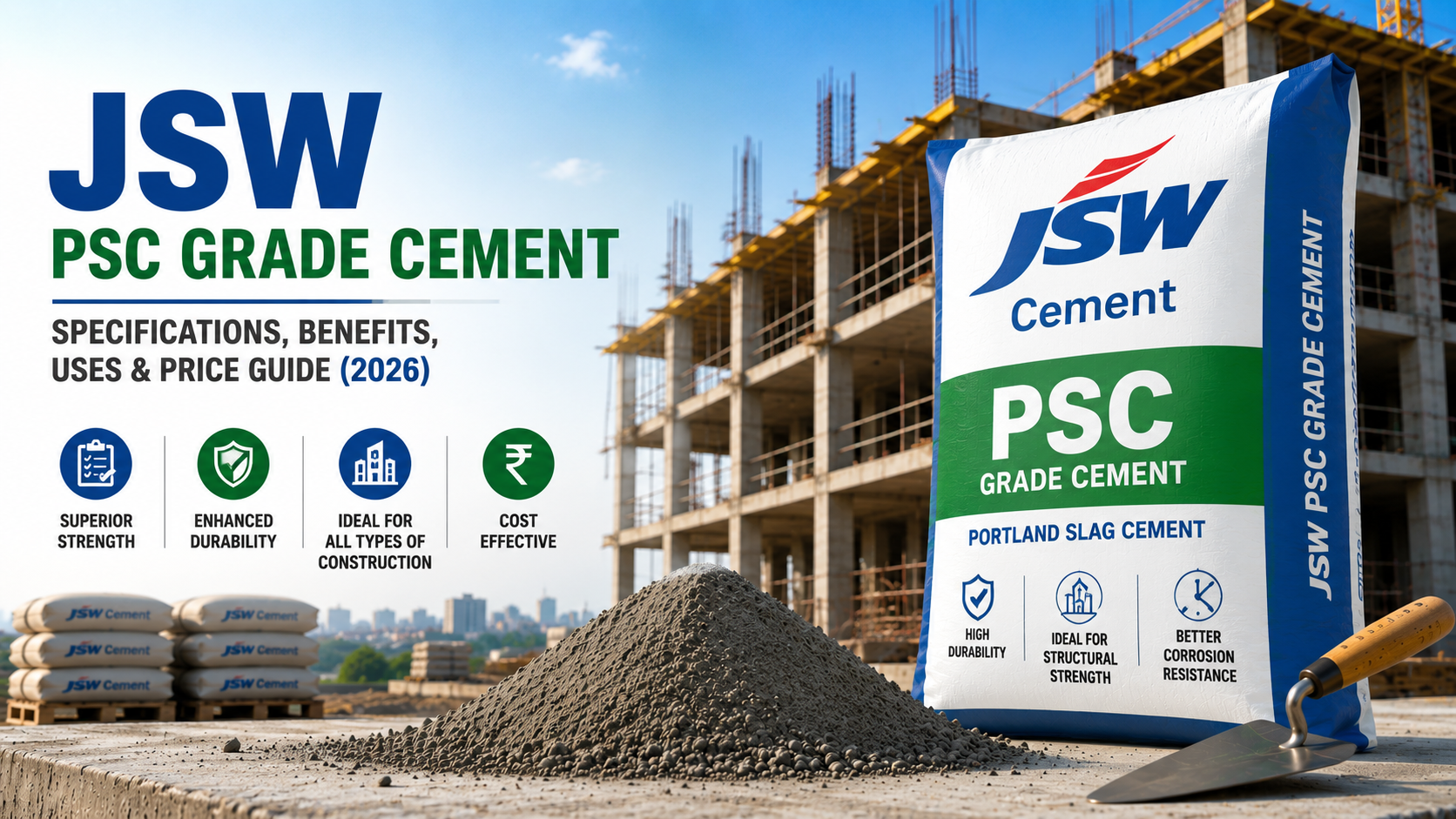
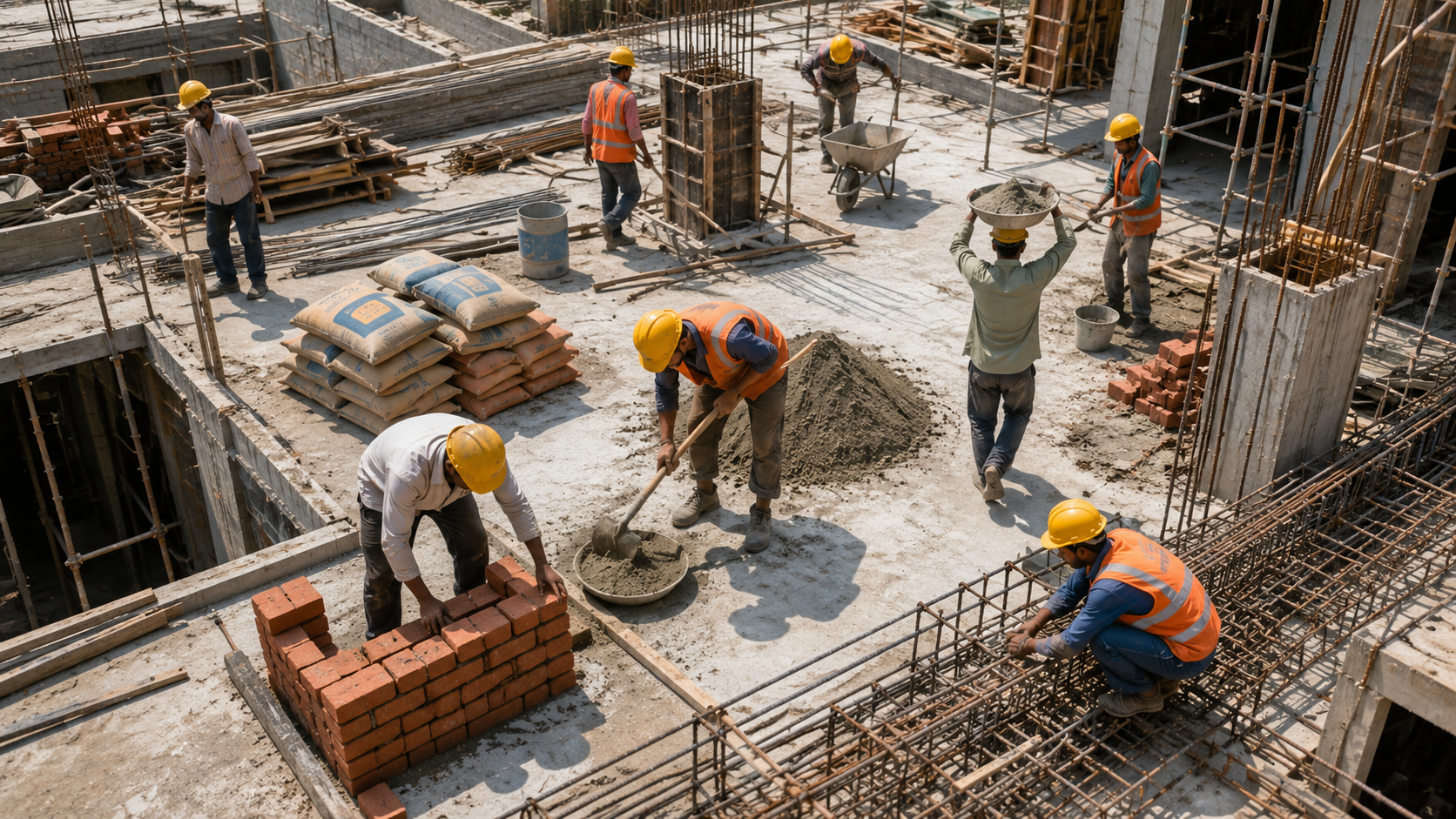
Cement is the backbone of modern construction, and choosing the right type and grade is crucial for ensuring structural integrity and longevity of any project. Among the various cement options available in India, ACC OPC 43 Grade Cement stands out as one of the most widely used and trusted choices for construction professionals. This comprehensive guide will help you understand everything about ACC OPC 43 Grade Cement, particularly the paper bag variant with code, and how it can benefit your construction projects.
What is ACC OPC 43 Grade Cement?
ACC OPC (Ordinary Portland Cement) 43 Grade is a standard cement product manufactured by ACC Limited, one of India's leading cement producers. The "43 Grade" designation refers to the cement's compressive strength of 43 MPa (Megapascals) at 28 days of curing. This grade is specifically designed for general construction purposes and is widely used in residential, commercial, and industrial projects across India. /blog/ppc-vs-opc-cement-which-is-better-for-house-construction-in-india
The paper bag variant typically comes in 50 kg bags, which is the standard packaging size used throughout India. These bags are designed to provide easy handling, storage, and measurement for construction sites of all sizes.
Build cost · Bengaluru, May 2026
Key Specifications and Properties
Understanding the technical specifications of ACC OPC 43 Grade Cement is essential for construction professionals who want to ensure optimal performance in their projects:
Compressive Strength: Minimum 43 MPa at 28 days (as per IS 269:2015)
Initial Setting Time: 30-600 minutes
Final Setting Time: Less than 600 minutes
Soundness: Less than 10 mm expansion
Fineness: Specific surface area of 225-325 m²/kg
Bulk Density: Approximately 1440 kg/m³
Package Size: 50 kg paper bags
These specifications ensure that the cement meets the stringent Indian Standards (IS 269:2015) and provides consistent quality across different batches and production runs.
Advantages of ACC OPC 43 Grade Cement
1. Optimal Strength Development
ACC OPC 43 Grade Cement provides excellent early strength development, making it ideal for projects where quick construction progress is essential. The cement achieves approximately 70% of its 28-day strength within 7 days, which is crucial for formwork removal and subsequent construction phases.
Frequently asked
2. Cost-Effectiveness
Compared to higher grades like 53 Grade, OPC 43 Grade is more economical, making it a preferred choice for budget-conscious projects. In major Indian cities like Mumbai, Delhi, Bangalore, and Hyderabad, the price difference between 43 Grade and 53 Grade cement can be significant, especially when dealing with large quantities. For a typical residential project in Pune or Chennai, using 43 Grade cement can result in savings of 10-15% on cement costs.
3. Versatility in Applications
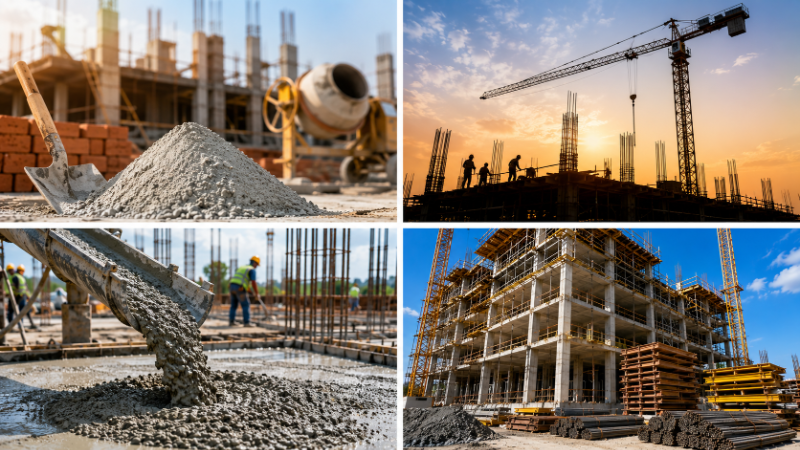
ACC OPC 43 Grade Cement is suitable for a wide range of construction applications, including:
Residential building construction
Commercial structures
Plastering and finishing works
Concrete paving blocks
General masonry work
Repair and maintenance projects
4. Consistent Quality
ACC, being a reputable manufacturer with state-of-the-art facilities across India, ensures consistent quality in every batch. The paper bag packaging provides protection against moisture and contamination during storage and transportation, which is particularly important in India's diverse climatic conditions.
5. Environmental Considerations
OPC 43 Grade Cement has a lower carbon footprint compared to higher grades, as it requires less energy during the manufacturing process. This makes it a more sustainable choice for environmentally conscious construction projects.
Applications of ACC OPC 43 Grade Cement in Indian Construction
Residential Construction
In residential projects across Indian cities like Bangalore, Hyderabad, Pune, and Kolkata, ACC OPC 43 Grade Cement is extensively used for foundation work, structural concrete, and finishing. The cement's balanced strength development makes it ideal for multi-story residential buildings where different construction phases occur sequentially.
Commercial and Industrial Projects
For commercial complexes, office buildings, and light industrial structures, OPC 43 Grade provides adequate strength while maintaining cost efficiency. Many developers in Delhi NCR, Mumbai, and Ahmedabad prefer this grade for projects where extreme durability isn't a critical factor.
Infrastructure Projects
Roads, bridges, and public infrastructure projects in India often utilize ACC OPC 43 Grade Cement, especially in non-aggressive environments. The cement's performance in normal soil and water conditions is well-established and reliable.

Understanding the Paper Bag Packaging (Code)
Why Paper Bags Matter
The paper bag packaging is specifically designed for Indian construction sites with the following advantages:
Breathability: Paper bags allow moisture to escape, reducing the risk of cement hydration during storage
Handling: 50 kg bags are manageable for manual handling, which is common on Indian construction sites
Storage: Paper bags can be stacked efficiently in warehouses and on-site storage areas
Identification: Clear labeling on paper bags helps in proper identification and quality control
Storage and Handling Guidelines
To maintain the quality of ACC OPC 43 Grade Cement in paper bags during storage:
Store in a dry, well-ventilated area away from moisture
Keep bags off the ground on wooden pallets or raised platforms
Avoid stacking more than 10-12 bags high to prevent crushing
Protect from direct sunlight and rain
Use stored cement within 3 months of purchase for optimal performance
Follow FIFO (First In, First Out) principle for inventory management
Technical Performance Data
Strength Development Timeline
Understanding how ACC OPC 43 Grade Cement develops strength over time is crucial for construction planning:
3 Days: Approximately 30-35 MPa (50-60% of 28-day strength)
7 Days: Approximately 28-32 MPa (65-75% of 28-day strength)
14 Days: Approximately 38-40 MPa (85-90% of 28-day strength)
28 Days: Minimum 43 MPa (design strength achieved)
This data helps contractors in Bangalore, Mumbai, Delhi, and other Indian cities plan their construction schedules more effectively, determining when formwork can be removed and when structures can bear loads.
Durability Characteristics
ACC OPC 43 Grade Cement provides good durability in normal environmental conditions. However, for aggressive environments such as:
Coastal areas with high salt content
Industrial zones with chemical exposure
Sulfate-rich soils
Higher grades or specialized cement types might be more appropriate.
Cost Analysis and Procurement
Current Market Pricing
As of recent market data, ACC OPC 43 Grade Cement paper bags (50 kg) are priced competitively across Indian cities:
Mumbai and Western Region: ₹400-450 per bag
Delhi NCR: ₹380-420 per bag
Bangalore and Southern Region: ₹390-440 per bag
Kolkata and Eastern Region: ₹370-410 per bag
Prices vary based on transportation costs, local demand, and seasonal factors. Bulk purchases often attract discounts from 5-10%.
Quantity Estimation
For typical construction projects, cement requirement varies:
Concrete (1:2:4 ratio): 400-450 kg per cubic meter
Mortar (1:4 ratio): 300-350 kg per cubic meter
Plastering (12 mm thickness): 15-20 kg per square meter
These estimates help in calculating the number of 50 kg bags required for your specific project.
Quality Assurance and Standards Compliance
Indian Standards Compliance
ACC OPC 43 Grade Cement strictly adheres to IS 269:2015 (Indian Standard for Ordinary and Rapid Hardening Portland Cement), ensuring that every batch meets rigorous quality parameters. The cement also complies with:
IS 8112:2013 (43 Grade Portland Cement)
BIS certification standards
ISO 9001:2015 quality management standards
Testing and Verification
Before purchasing large quantities, it's advisable to conduct basic tests:
Visual Inspection: Check for lumps, discoloration, or foreign particles
Fineness Test: Ensure smooth texture without grittiness
Setting Time Test: Verify proper initial and final setting times
Strength Test: Conduct compressive strength tests on samples
Comparison with Other Cement Grades
OPC 43 vs. OPC 53 Grade
While OPC 53 Grade offers higher strength (53 MPa at 28 days), OPC 43 Grade is more suitable and economical for most general construction projects. The choice depends on project requirements, budget constraints, and structural design specifications.
OPC 43 vs. PPC (Portland Pozzolana Cement)
PPC offers better durability in aggressive environments due to pozzolanic materials, making it ideal for coastal areas. However, OPC 43 is preferred for standard construction where cost-effectiveness is paramount.
Best Practices for Using ACC OPC 43 Grade Cement
Mixing and Application
Use clean water for mixing concrete and mortar
Maintain proper water-cement ratio (typically 0.45-0.55 for concrete)
Mix thoroughly to ensure uniform distribution
Use fresh cement and avoid storing for extended periods
Follow proper curing procedures for at least 7 days
Site Management
Maintain proper inventory records
Ensure adequate storage facilities at the construction site
Implement quality control measures during concrete production
Train workers on proper handling and usage
Sourcing ACC OPC 43 Grade Cement Through AECORD
Finding reliable suppliers of quality cement is crucial for construction professionals. AECORD, India's leading B2B2C marketplace for AECO professionals, connects you with verified suppliers and distributors of ACC OPC 43 Grade Cement across major Indian cities. Through AECORD, you can:
Compare prices from multiple suppliers
Check supplier ratings and reviews
Negotiate bulk purchase discounts
Arrange convenient delivery schedules
Ensure quality certifications and compliance
Whether you're working on a residential project in Pune, a commercial complex in Hyderabad, or infrastructure work in Kolkata, AECORD helps you source ACC OPC 43 Grade Cement efficiently and reliably.
Environmental and Sustainability Aspects
ACC is committed to sustainable manufacturing practices. Their OPC 43 Grade Cement production includes:
Use of alternative fuels and raw materials
Waste heat recovery systems
Emissions reduction initiatives
Water conservation measures
By choosing ACC OPC 43 Grade Cement, construction professionals contribute to more sustainable building practices in India.
Troubleshooting Common Issues
Cement Lumping
If cement develops lumps during storage, it indicates moisture exposure. Such cement should not be used as it affects strength development.
Slow Setting
If concrete sets slower than expected, check water quality, temperature conditions, and cement freshness. Contaminated water or cold weather can delay setting.
Weak Concrete
Weak concrete results from improper water-cement ratio, poor mixing, inadequate curing, or low-quality aggregates—not from cement grade alone.
Conclusion
ACC OPC 43 Grade Cement paper bag remains one of the most reliable and cost-effective choices for construction professionals across India. Its balanced strength development, versatility, and consistent quality make it suitable for a wide range of applications, from residential buildings in Bangalore to commercial projects in Mumbai and infrastructure work in Delhi.
By understanding its specifications, proper storage, and application methods, you can maximize the benefits of this cement in your construction projects. For sourcing quality ACC OPC 43 Grade Cement and connecting with reliable suppliers, explore AECORD's platform where you'll find verified vendors and competitive pricing across all major Indian cities.
Whether you're a contractor, architect, engineer, or project manager, making informed decisions about cement selection is crucial for project success. Choose ACC OPC 43 Grade Cement for your next project and experience the reliability that has made it a trusted choice for Indian construction professionals for decades.
Ready to source high-quality ACC OPC 43 Grade Cement for your project? Visit AECORD today and connect with verified suppliers in your city. Compare prices, check certifications, and place orders with confidence. Your next great construction project starts with the right materials!
Frequently Asked Questions
What does 43 Grade mean in ACC OPC cement?
The '43 Grade' designation refers to the cement's compressive strength of 43 MPa (Megapascals) at 28 days of curing, as per Indian Standards IS 269:2015. This indicates the minimum strength the cement will achieve after 28 days of proper curing.
Is ACC OPC 43 Grade cement suitable for residential construction?
Yes, ACC OPC 43 Grade cement is widely used and ideal for residential construction projects. It provides optimal strength development, cost-effectiveness compared to higher grades, and is suitable for general masonry work, plastering, and concrete applications in homes.
How much stronger is 53 Grade cement compared to 43 Grade?
53 Grade cement has a compressive strength of 53 MPa at 28 days compared to 43 Grade's 43 MPa. While 53 Grade offers higher strength, 43 Grade is more economical and provides 10-15% cost savings, making it suitable for most general construction applications.
What is the standard package size for ACC OPC 43 Grade cement paper bags?
ACC OPC 43 Grade cement comes in standard 50 kg paper bags, which is the typical packaging size used throughout India. This size provides easy handling, storage, and measurement for construction sites of all sizes.
How quickly does ACC OPC 43 Grade cement gain strength?
ACC OPC 43 Grade cement achieves approximately 70% of its 28-day strength within just 7 days, making it ideal for projects requiring quick construction progress. The initial setting time is 30-600 minutes and final setting time is less than 600 minutes.