Understanding 8mm Bison Plank Cement Bonded Particle Board: A Comprehensive Guide for Indian Construction Professionals
In the Indian construction and interior design industry, selecting the right building materials is crucial for ensuring durability, cost-effectiveness, and compliance with local building codes. One material that has gained significant traction among architects, contractors, and builders is cement bonded particle board, particularly the 8mm thickness Bison plank in 200mm x 2440mm dimensions with white primer finish. This comprehensive guide explores everything you need to know about this versatile building material.
Build cost · Bengaluru, May 2026
What is Cement Bonded Particle Board?
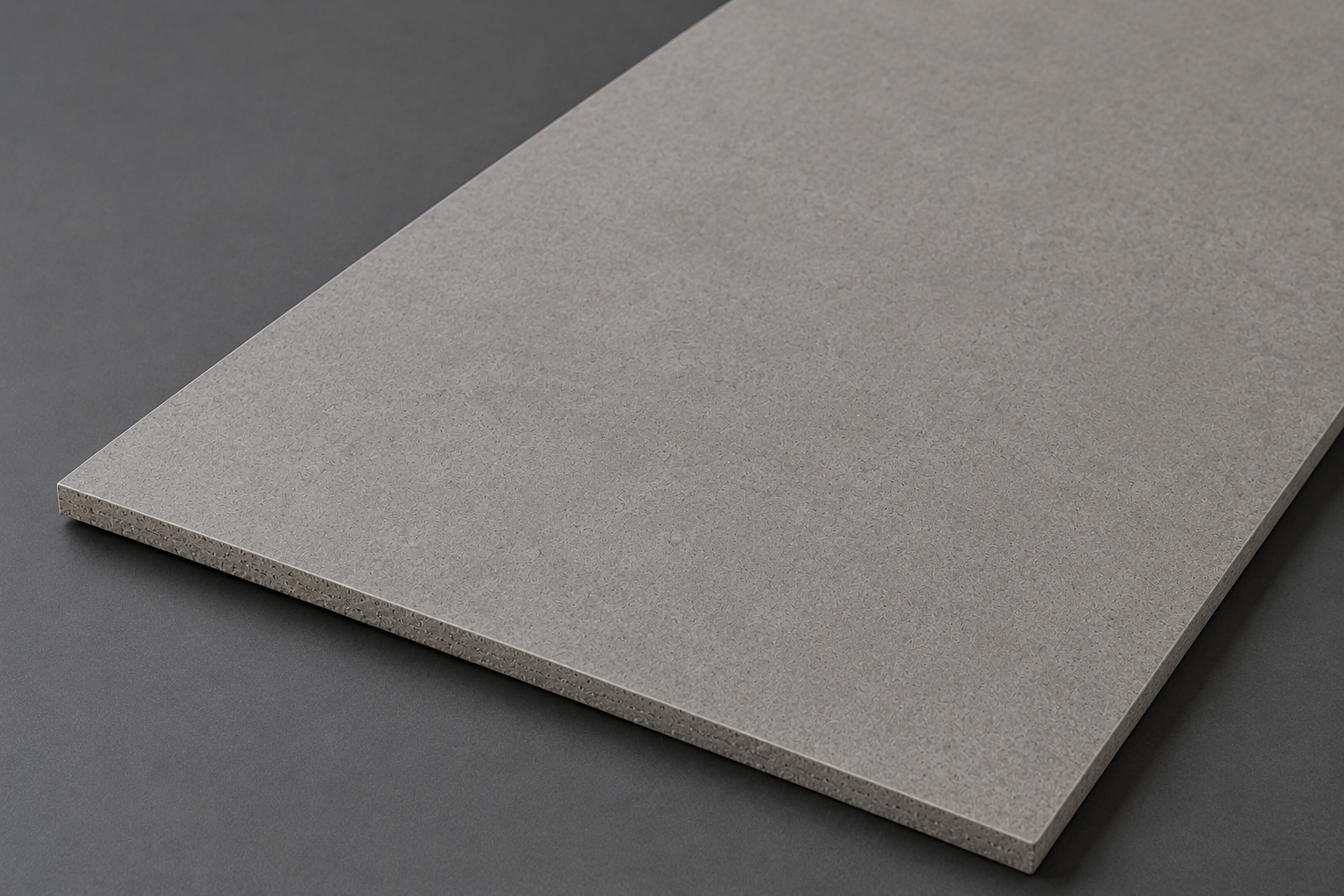
Cement bonded particle board is an engineered composite material manufactured by binding wood particles with Portland cement. Unlike traditional plywood or MDF boards, cement bonded particle boards offer superior moisture resistance, fire resistance, and durability. The 8mm thickness variant strikes an optimal balance between structural integrity and weight, making it ideal for various applications in residential and commercial construction across India.
Key Properties of 8mm Bison Plank
The 8mm thickness Bison plank cement bonded particle board offers several distinctive properties that make it suitable for Indian climatic conditions:
Moisture Resistance: The cement matrix provides excellent protection against moisture, making it ideal for humid regions and areas prone to water exposure
Fire Resistance: Cement bonded boards are non-combustible, meeting fire safety standards required by Indian building codes
Dimensional Stability: The 200mm x 2440mm format ensures minimal warping or expansion under varying temperature and humidity conditions
White Primer Finish: The pre-applied white primer reduces on-site preparation time and ensures uniform finish application
Durability: With proper installation and maintenance, these boards can last 15-20 years or more
Specifications and Technical Details
Frequently asked
Dimensional Specifications
The standard dimensions of 200mm x 2440mm provide excellent coverage for various applications. In metric conversions relevant to Indian construction:
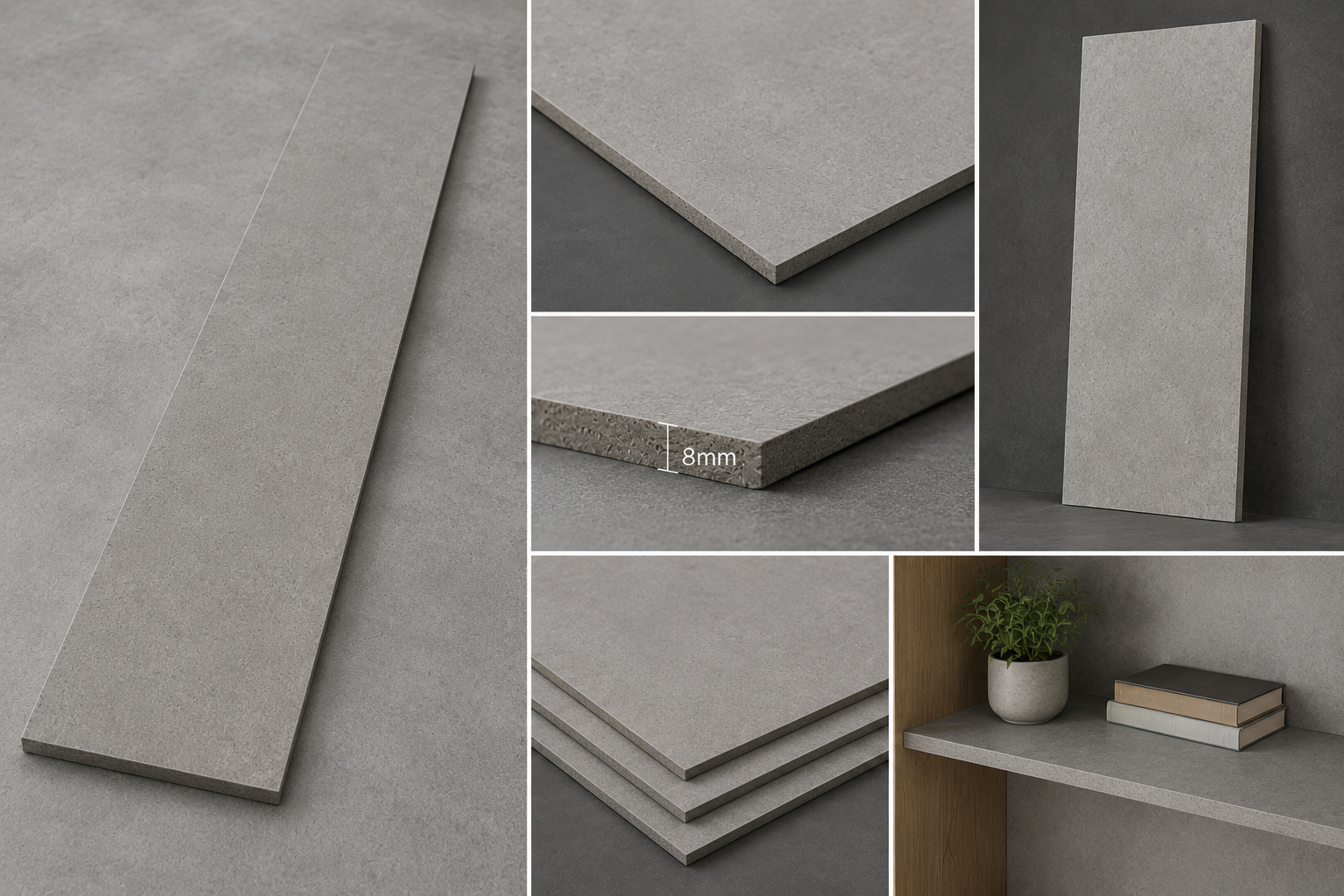
Length: 2440mm (approximately 8 feet)
Width: 200mm (approximately 7.87 inches)
Thickness: 8mm
These dimensions make the planks ideal for cladding, partition walls, and decorative applications where linear aesthetics are desired.
Weight and Load Capacity
An 8mm cement bonded particle board typically weighs approximately 12-15 kg per plank, making it manageable for installation while maintaining structural strength. The load-bearing capacity is suitable for non-structural applications and can support standard wall finishes and fixtures.
Applications in Indian Construction
Exterior Cladding and Façade Systems
One of the most popular applications of 8mm Bison plank in India is exterior cladding. The moisture and weather resistance make it ideal for buildings in cities like Mumbai, Bangalore, and Kolkata, where humidity levels are high. The white primer finish provides an aesthetic base for further customization, whether you plan to paint, stain, or leave it as is.
Interior Partition Walls
For interior applications, these planks serve as an excellent alternative to traditional drywall or plasterboard. The cement bonded composition provides better impact resistance and durability in high-traffic areas. Many architects in Delhi and Pune specify these boards for commercial spaces, offices, and educational institutions.
Soffit and Ceiling Applications
The lightweight nature of 8mm boards makes them suitable for soffit applications and dropped ceiling systems. They can be easily suspended and provide a clean, finished appearance with minimal maintenance requirements.
Bathroom and Wet Area Solutions
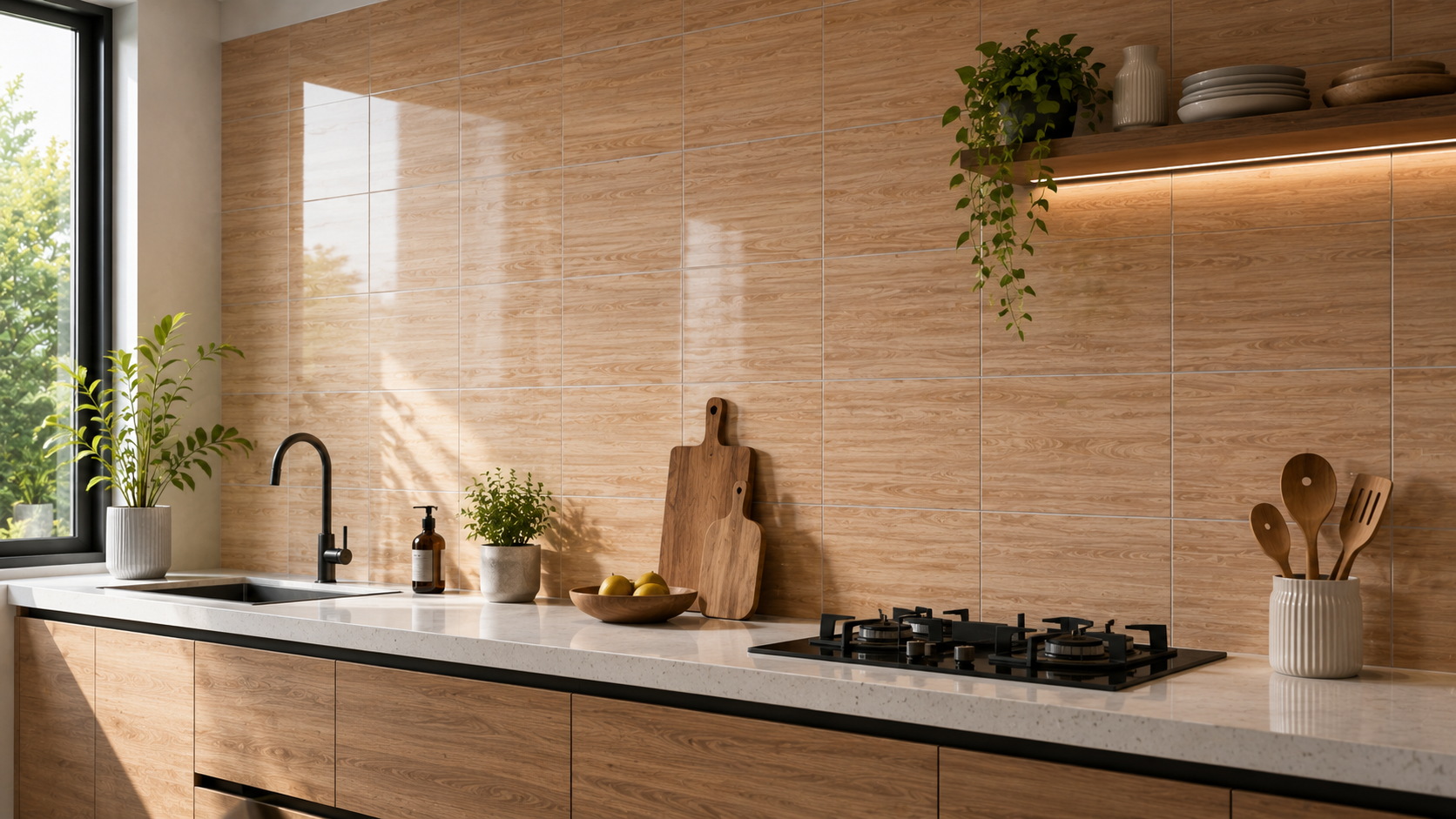
Given the moisture-resistant properties, these boards are increasingly used in bathrooms, kitchens, and other wet areas across Indian homes and commercial spaces. Unlike traditional plywood, they won't swell or deteriorate when exposed to water.
Cost Considerations and Pricing in India
Material Costs
The pricing of 8mm Bison plank cement bonded particle board varies across Indian markets. As of recent market data, expect to pay between ₹400 to ₹700 per plank, depending on your location and supplier. Bulk purchases typically offer better pricing, with discounts ranging from 10-20% for orders exceeding 50 planks.
Major Indian cities show varying price points:
Delhi NCR: ₹450-600 per plank
Mumbai: ₹500-650 per plank
Bangalore: ₹480-620 per plank
Hyderabad: ₹420-580 per plank
Chennai: ₹460-600 per plank
Installation and Labor Costs
Installation costs typically range from ₹80 to ₹150 per plank, depending on the complexity of the application and local labor rates. For a typical 100 sq. meter project, budget approximately ₹15,000 to ₹25,000 for skilled labor.
Installation Best Practices
Surface Preparation
Before installation, ensure that the substrate is clean, dry, and level. Any moisture on the surface should be eliminated to ensure proper adhesion. For exterior applications, apply a waterproof primer or sealant to the mounting surface.
Fastening Methods
Use corrosion-resistant fasteners such as stainless steel or galvanized screws. The recommended spacing is 150-200mm for structural support. For the 8mm thickness, use screws of 25-32mm length to ensure proper grip without penetrating too deeply.
Jointing and Sealing
Joints between planks should be sealed with appropriate sealants or gaskets to prevent water infiltration. For exterior applications, use silicone-based or polyurethane sealants that remain flexible and provide long-term water resistance.
Primer and Finish Application
While the white primer is pre-applied, ensure all cut edges are sealed with primer before final painting. This prevents moisture absorption at exposed areas. Allow 24-48 hours between primer application and final coat for optimal adhesion.
Compliance with Indian Building Codes
Fire Safety Standards
Cement bonded particle boards comply with Indian Standards IS 4986 for fire performance. They are classified as non-combustible materials, making them suitable for buildings requiring higher fire safety ratings, particularly in commercial and institutional projects.
Moisture and Humidity Standards
These boards meet IS 12006 specifications for moisture resistance, making them suitable for Indian climatic conditions. They perform exceptionally well in areas with relative humidity exceeding 85%, common in coastal regions.
Structural and Load-Bearing Standards
For applications involving structural load-bearing, ensure compliance with IS 800 and relevant building codes in your state. While 8mm boards are primarily non-structural, they can be incorporated into structural systems when properly supported and fastened.
Advantages Over Alternative Materials
Comparison with Plywood
Unlike traditional plywood, cement bonded boards offer superior moisture resistance without the delamination issues common in plywood exposed to humidity. The cost is comparable, but the longevity is significantly better in Indian climatic conditions.
Comparison with MDF
MDF boards are susceptible to moisture damage and swelling, making them unsuitable for wet areas or exterior applications. Cement bonded particle boards maintain dimensional stability in these environments, offering better long-term value.
Comparison with Fiber Cement Boards
While fiber cement boards offer similar properties, the particle board variant provides better workability and easier installation. The 8mm thickness is more forgiving during cutting and fastening compared to thinner fiber cement alternatives.
Maintenance and Longevity
Regular Maintenance Schedule
For exterior applications, inspect the boards annually for any cracks or sealant deterioration. Reapply sealant every 3-5 years or as needed. For interior applications, regular dusting and cleaning with mild detergents are sufficient.
Protective Measures
Apply protective coatings every 5-7 years for exterior installations. Use high-quality exterior paints or stains that offer UV protection and water resistance. In coastal areas, consider additional protective measures such as anti-corrosion coatings on fasteners.
Expected Lifespan
With proper maintenance, 8mm Bison plank cement bonded particle boards can last 15-25 years in interior applications and 10-20 years in exterior applications, depending on local climate conditions and maintenance practices.
Environmental Considerations
Cement bonded particle boards are manufactured using sustainable forestry practices and recycled wood particles. The cement binding provides a non-toxic, environmentally friendly alternative to boards using chemical adhesives. Many manufacturers, including Bison, maintain certifications for environmental responsibility.
Finding Quality Suppliers and Professionals on AECORD
When sourcing 8mm Bison plank cement bonded particle board for your projects, quality and reliability are paramount. AECORD, India's leading B2B2C marketplace for AECO professionals, connects you with verified suppliers, contractors, and installers across the country. Whether you're based in Delhi, Mumbai, Bangalore, or other major Indian cities, AECORD helps you find the right professionals who understand the specifications and installation requirements for cement bonded particle boards.
Through AECORD, you can compare multiple suppliers, review their credentials, and access competitive pricing. The platform also connects you with experienced installation contractors who follow best practices and comply with Indian building standards. This ensures your projects are completed on time, within budget, and to the highest quality standards.
Common Mistakes to Avoid
Improper Storage
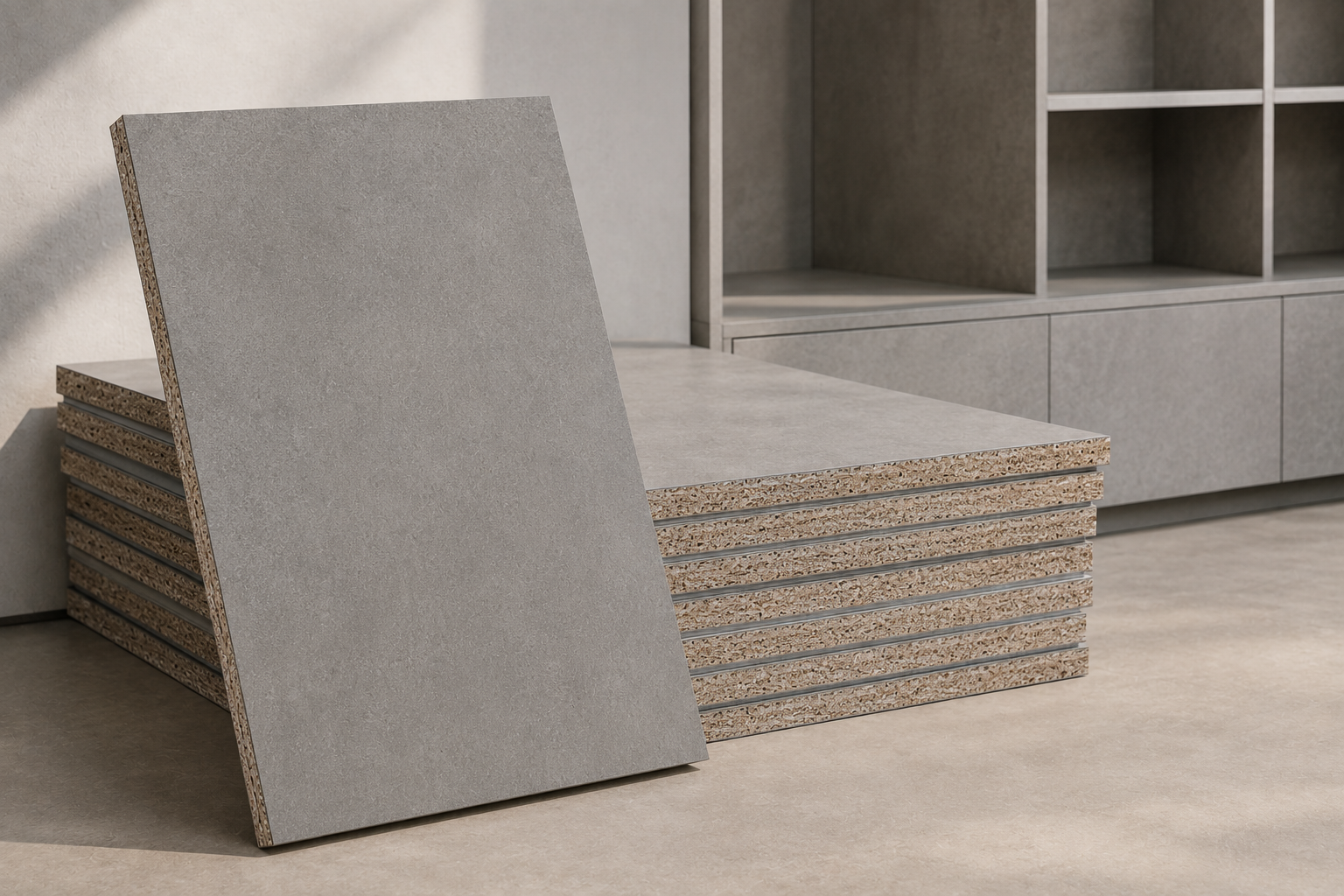
Store boards in a dry, well-ventilated area. Avoid stacking them directly on damp ground or exposing them to rain before installation. Proper storage extends shelf life and prevents moisture absorption.
Inadequate Sealing
Failing to seal cut edges is a common mistake that leads to moisture absorption and premature failure. Always apply primer to all cut surfaces immediately after cutting.
Incorrect Fastener Selection
Using non-corrosion-resistant fasteners can lead to rust staining and structural compromise. Always specify stainless steel or galvanized fasteners for cement bonded applications.
Insufficient Expansion Joints
Failing to account for thermal expansion can cause buckling or warping. Provide adequate spacing between boards, typically 5-10mm depending on expected temperature variations.
Future Trends and Innovations
The cement bonded particle board industry in India is evolving with new innovations including enhanced fire ratings, improved acoustic properties, and integrated thermal insulation. Manufacturers are also developing boards with better aesthetic finishes, reducing on-site finishing requirements and labor costs.
Conclusion
The 8mm thickness Bison plank cement bonded particle board in 200mm x 2440mm dimensions with white primer finish represents a versatile, durable, and cost-effective solution for various construction applications across India. Its superior moisture resistance, fire safety properties, and dimensional stability make it particularly suitable for Indian climatic conditions.
Whether you're planning an exterior cladding project in Mumbai, interior partitions in Delhi, or wet area solutions in Bangalore, these boards offer reliable performance and long-term value. By following proper installation practices, maintaining compliance with Indian building codes, and sourcing from reputable suppliers, you can ensure successful project outcomes.
For your next project, consider leveraging AECORD to connect with qualified suppliers, contractors, and installation professionals who specialize in cement bonded particle board applications. The platform's network of verified professionals ensures you receive expert guidance, competitive pricing, and quality workmanship that meets Indian building standards and your project specifications.
Start your search on AECORD today and discover how the right materials and professionals can elevate your construction projects to new levels of quality and efficiency.