

Understanding 8mm Thickness Bison Plank Cement Bonded Particle Board: A Complete Guide for Indian Construction Professionals
In the rapidly evolving Indian construction and interior design industry, selecting the right building materials is crucial for project success. One material that has gained significant traction among architects, contractors, and builders is cement bonded particle board, particularly the 8mm thickness Bison plank variant measuring 150mm x 2440mm with white primer finish. This comprehensive guide explores everything you need to know about this versatile material and how it can enhance your construction projects.
Build cost · Bengaluru, May 2026
What is Cement Bonded Particle Board?
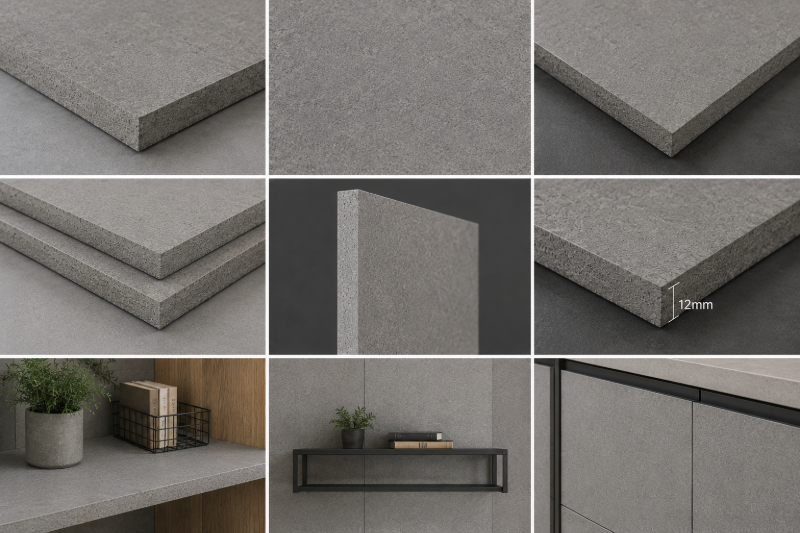
Cement bonded particle board is an engineered wood product that combines wood particles with cement as a binder. Unlike traditional plywood or MDF, this material offers superior durability, moisture resistance, and fire performance—making it an excellent choice for demanding applications across residential, commercial, and industrial projects in India.
The Bison brand has established itself as a reliable manufacturer of cement bonded particle boards, with their products meeting international standards while being competitively priced for the Indian market. The specific variant—8mm thickness with 150mm x 2440mm dimensions and white primer finish—represents a sweet spot for many construction applications.
Key Characteristics of This Product
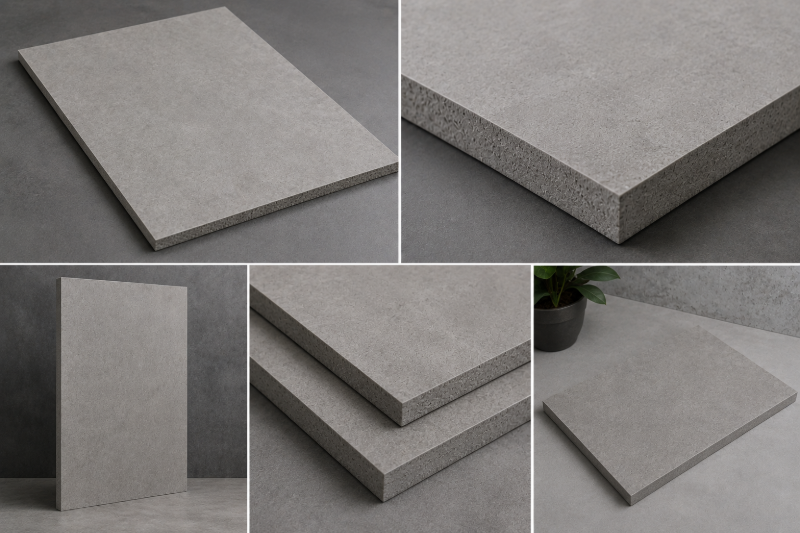
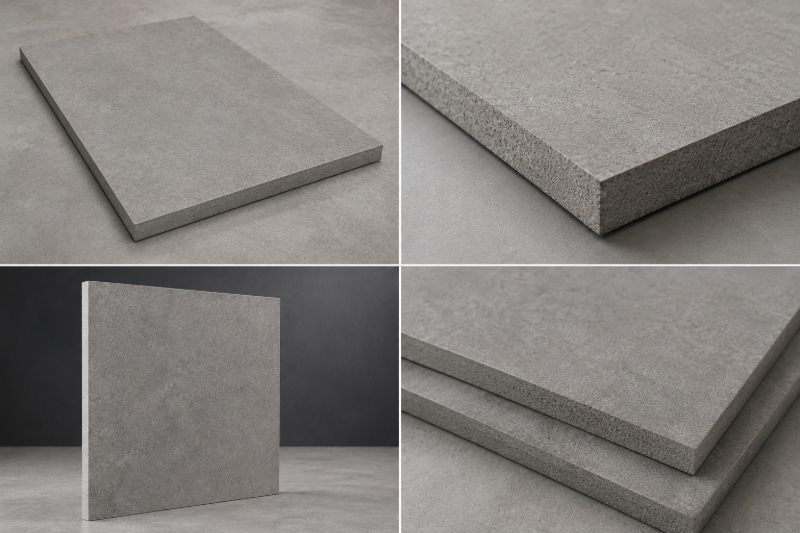
Thickness: 8mm provides optimal balance between strength and weight
Dimensions: 150mm x 2440mm (approximately 5 feet length) makes it ideal for wall cladding and partition applications
Finish: White primer coating offers excellent paint adhesion and aesthetic appeal
Material Composition: Cement-bonded wood particles ensure durability and moisture resistance
Advantages of Bison Cement Bonded Particle Board in Indian Construction
Frequently asked
1. Superior Moisture Resistance
India's diverse climate—from humid coastal regions to high-rainfall areas—demands materials that can withstand moisture. Cement bonded particle boards excel in this regard. Unlike conventional plywood, these boards don't swell, warp, or delaminate when exposed to moisture, making them perfect for kitchens, bathrooms, and exterior applications in cities like Mumbai, Bangalore, and Kolkata.
The cement matrix provides a protective barrier that prevents water absorption, which is particularly valuable in monsoon-prone regions where humidity levels can exceed 80%.
2. Fire Resistance
Building safety regulations in India, particularly those enforced in metropolitan areas and commercial complexes, increasingly require fire-resistant materials. Cement bonded particle boards are inherently fire-resistant and comply with Indian Standards (IS) for fire performance. This makes them suitable for use in hospitals, schools, and commercial buildings where fire safety is paramount.
3. Durability and Longevity
With proper installation and maintenance, cement bonded particle boards can last 15-20 years or more. This longevity translates to better return on investment for builders and developers across India. The material doesn't deteriorate from insect attacks or fungal growth, common concerns with traditional wood-based products in tropical climates.
4. Lightweight and Easy Installation
At 8mm thickness, Bison plank boards are lightweight yet sturdy. This makes them easier to handle and install compared to heavier alternatives, reducing labor costs and installation time on Indian construction sites. The 150mm width is particularly convenient for creating seamless wall coverings and cladding applications.
4. Cost-Effectiveness
Compared to premium alternatives like fiber cement boards or treated timber, cement bonded particle boards offer excellent value. In the current Indian market, you can expect to pay between ₹800 to ₹1,500 per square meter depending on the supplier and location, making it an economical choice for budget-conscious projects.
5. Environmental Considerations
Many manufacturers, including Bison, use sustainably sourced wood particles and non-toxic cement binders. This makes cement bonded particle boards a more environmentally responsible choice compared to some alternatives, aligning with India's growing focus on sustainable construction practices.
Applications in Indian Construction Projects
Interior Wall Cladding
The 150mm x 2440mm dimensions make this board ideal for interior wall cladding in residential apartments and commercial spaces. Whether in Delhi's modern high-rises or Bangalore's IT parks, these boards create attractive, durable wall surfaces that can be painted or finished according to design preferences.
Wet Area Solutions
Bathrooms and kitchens are high-moisture environments where standard plywood fails. Cement bonded particle boards excel here, providing a stable base for tile installation or direct painting. Many architects across Indian metros now specify these boards for bathroom wall construction.
Partition Systems
For creating temporary or permanent partitions in offices, commercial spaces, and residential areas, these boards offer structural integrity and acoustic properties. They're particularly popular in co-working spaces and modern office designs across India's major cities.
Exterior Applications
When properly sealed and finished, cement bonded particle boards can be used for exterior cladding, fascia boards, and soffit applications. This is especially valuable in regions with significant rainfall or humidity variations.
Flooring Substrates
The 8mm thickness and moisture resistance make these boards suitable as subflooring material, particularly in areas prone to dampness. They provide a stable base for tile, vinyl, or laminate flooring installation.
Understanding the White Primer Finish
The white primer coating on these boards serves multiple purposes:
Paint Adhesion: Provides an excellent base for topcoat application, ensuring professional finishing results
Protection: Offers initial protection against moisture and dust during storage and initial installation phases
Aesthetic Appeal: Creates a clean, professional appearance even before final painting
Cost Savings: Reduces the number of primer coats needed, saving time and material costs on site
Installation Best Practices for Indian Climate Conditions
Pre-Installation Preparation
Before installation, allow boards to acclimatize to the site conditions for 24-48 hours. This is especially important in India's varying climate zones, from the cool temperatures of hill stations to the intense heat of Rajasthan and Gujarat.
Proper Fastening
Use corrosion-resistant fasteners (stainless steel or galvanized) to prevent rust staining and degradation. This is crucial in coastal areas like Goa, Kerala, and Chennai where salt air can corrode standard fasteners.
Moisture Management
Ensure proper ventilation and moisture management in installation areas. While cement bonded boards are moisture-resistant, they should not be installed in areas with standing water or constant water exposure without proper drainage systems.
Sealing and Finishing
Apply appropriate sealers and paints to protect the boards from moisture ingress and UV damage. In high-moisture areas, consider using water-resistant paints and sealers specifically recommended for cement-based boards.
Comparing Cement Bonded Particle Board with Alternatives
vs. Traditional Plywood
While plywood is cheaper initially, it deteriorates quickly in humid Indian conditions. Cement bonded boards, though slightly more expensive upfront, offer superior longevity and lower maintenance costs, making them more economical over the long term.
vs. Fiber Cement Boards
Fiber cement boards are excellent but significantly more expensive (₹2,000-₹3,500 per square meter). For applications where fire resistance and moisture protection are essential but extreme durability isn't critical, cement bonded particle boards offer a cost-effective alternative.
vs. MDF
MDF is moisture-sensitive and unsuitable for wet areas or exterior applications. Cement bonded particle boards are clearly superior for any moisture-prone environment, making them the preferred choice for Indian construction where climate variability is a constant challenge.
Sourcing Quality Bison Boards in India
When procuring cement bonded particle boards for your projects, ensure you're working with authorized distributors and verified suppliers. Quality variations exist in the market, and purchasing from reputable sources ensures you receive genuine products that meet stated specifications.
If you're looking for reliable suppliers and installation professionals for cement bonded particle boards across India, AECORD connects you with verified manufacturers, distributors, and installation experts. Whether you're based in Mumbai, Bangalore, Delhi, or any other major Indian city, you can find qualified professionals on AECORD who specialize in working with these materials.
Storage and Handling
Proper storage is critical to maintaining product quality:
Store boards horizontally on a flat, dry surface
Keep boards covered to protect from direct rain and excessive moisture
Ensure adequate ventilation around stacked boards
Avoid storing in areas with temperature fluctuations exceeding 30°C
Cost Analysis for Indian Projects
For a typical project requiring 100 square meters of 8mm Bison cement bonded particle board:
Material Cost: ₹80,000 - ₹1,50,000 (depending on location and supplier)
Installation Labor: ₹15,000 - ₹25,000 (varies by region)
Finishing (Paint/Sealant): ₹20,000 - ₹40,000
Total Project Cost: ₹1,15,000 - ₹2,15,000
These costs are significantly lower than premium alternatives like fiber cement boards, while offering superior performance compared to standard plywood in Indian climatic conditions.
Regulatory Compliance in India
Cement bonded particle boards should comply with relevant Indian Standards:
IS 1644: Plywood for General Purposes
IS 1644 (Part 1): Classification and Specifications
IS 4860: Fire Safety of Buildings
When sourcing materials, verify that your supplier provides certificates of compliance with these standards. This is particularly important for commercial projects, institutional buildings, and projects in metropolitan areas where building codes are strictly enforced.
Future Trends in Cement Bonded Board Usage
The Indian construction industry is increasingly recognizing the value of cement bonded particle boards for sustainable, durable construction. Trends indicate growing adoption in:
Green building projects pursuing LEED or IGBC certifications
Modular and prefabricated construction systems
Affordable housing initiatives across Indian states
Renovation and retrofitting projects in older buildings
Maintenance and Care
To maximize the lifespan of your cement bonded particle board installations:
Clean surfaces regularly with a dry or slightly damp cloth
Avoid prolonged water exposure; wipe spills immediately
Inspect painted surfaces annually and touch up as needed
Ensure proper ventilation in enclosed spaces to prevent moisture buildup
Address any water damage immediately to prevent deterioration
Conclusion
The 8mm thickness Bison plank cement bonded particle board with white primer finish represents an excellent choice for diverse applications in Indian construction. Its moisture resistance, fire performance, durability, and cost-effectiveness make it particularly suitable for India's varied climate conditions—from humid coastal regions to dry inland areas.
Whether you're planning interior renovations, commercial fit-outs, or large-scale construction projects, these boards offer reliable performance and excellent value. The white primer finish ensures professional results with minimal additional preparation, while the 150mm x 2440mm dimensions provide practical advantages for installation efficiency.
To find qualified suppliers, manufacturers, and installation professionals who specialize in cement bonded particle boards and can help you select the right materials for your specific project requirements, visit AECORD. Our platform connects you with verified professionals across India who understand local building codes, climate considerations, and best practices for working with these materials.
Make informed decisions about your construction materials by consulting with experts on AECORD today—ensuring your projects benefit from quality materials, professional installation, and long-term durability.
Frequently Asked Questions
What is 8mm Bison cement bonded particle board used for in construction?
8mm Bison cement bonded particle board is primarily used for wall cladding, partitions, and interior finishes in residential, commercial, and industrial projects. Its moisture resistance and fire performance make it ideal for kitchens, bathrooms, and areas requiring enhanced durability in Indian climates.
Is cement bonded particle board moisture resistant?
Yes, cement bonded particle board offers superior moisture resistance compared to traditional plywood or MDF. The cement matrix prevents water absorption and stops swelling, warping, or delamination, making it perfect for humid coastal regions and monsoon-prone areas in India.
Does Bison cement bonded particle board meet Indian fire safety standards?
Yes, Bison cement bonded particle boards are inherently fire-resistant and comply with Indian Standards (IS) for fire performance, making them suitable for hospitals, schools, and commercial buildings where fire safety regulations are strict.
How long does 8mm cement bonded particle board last?
With proper installation and maintenance, cement bonded particle boards can last 15-20 years or more. They resist insect attacks and fungal growth, providing excellent longevity in tropical Indian climates.
What are the advantages of the 150mm x 2440mm board dimensions?
The 150mm width is convenient for creating seamless wall coverings and cladding applications, while the 2440mm length (approximately 5 feet) reduces waste and simplifies installation on construction sites, ultimately reducing labor costs.