Understanding 8mm Bison Laminated Cement Bonded Particle Board: A Complete Guide for Indian Construction Professionals
In the rapidly evolving Indian construction and interior design landscape, selecting the right materials can make or break a project. One material that has gained significant traction among architects, engineers, and contractors is 8mm thickness Bison laminated cement bonded particle board in the standard 1220mm x 2440mm dimensions. This comprehensive guide will help you understand why this particular product specification is becoming increasingly popular across Indian construction sites and how to leverage it for your projects. /blog/ppc-vs-opc-cement-which-is-better-for-house-construction-in-india
Build cost · Bengaluru, May 2026
What is Bison Laminated Cement Bonded Particle Board?
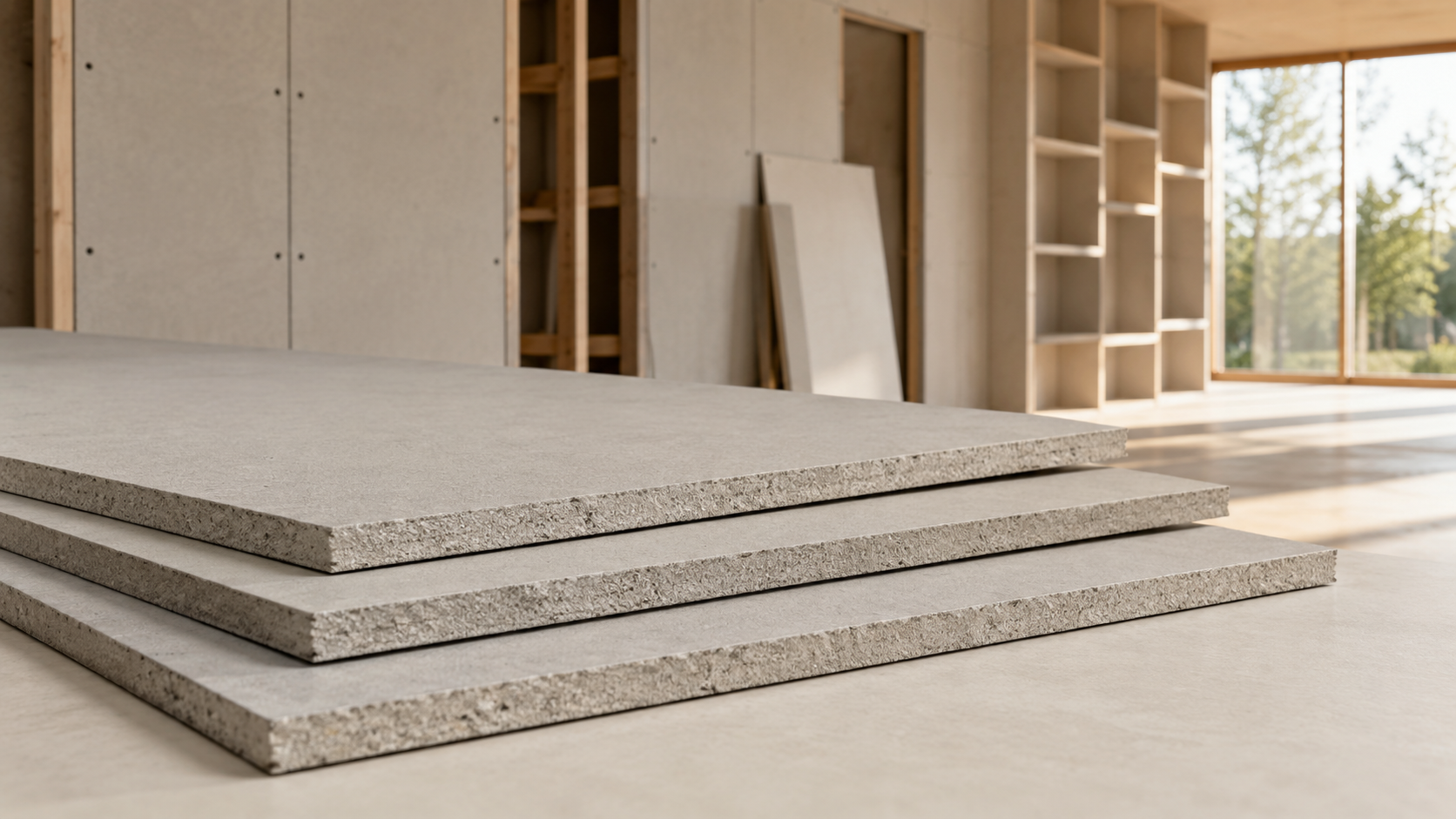
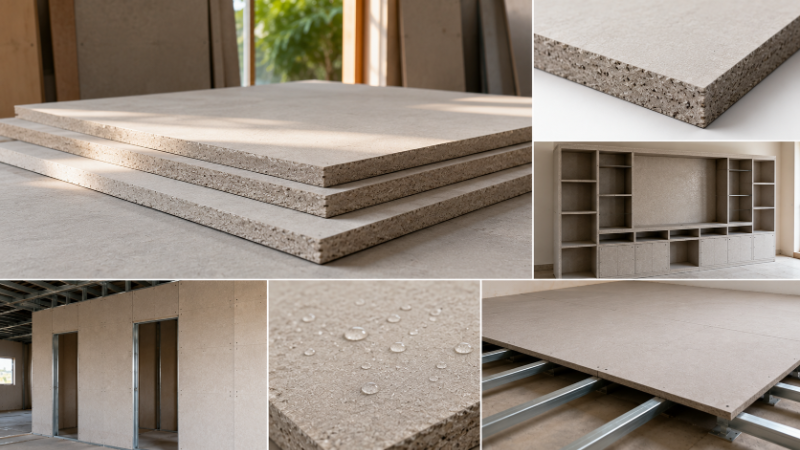
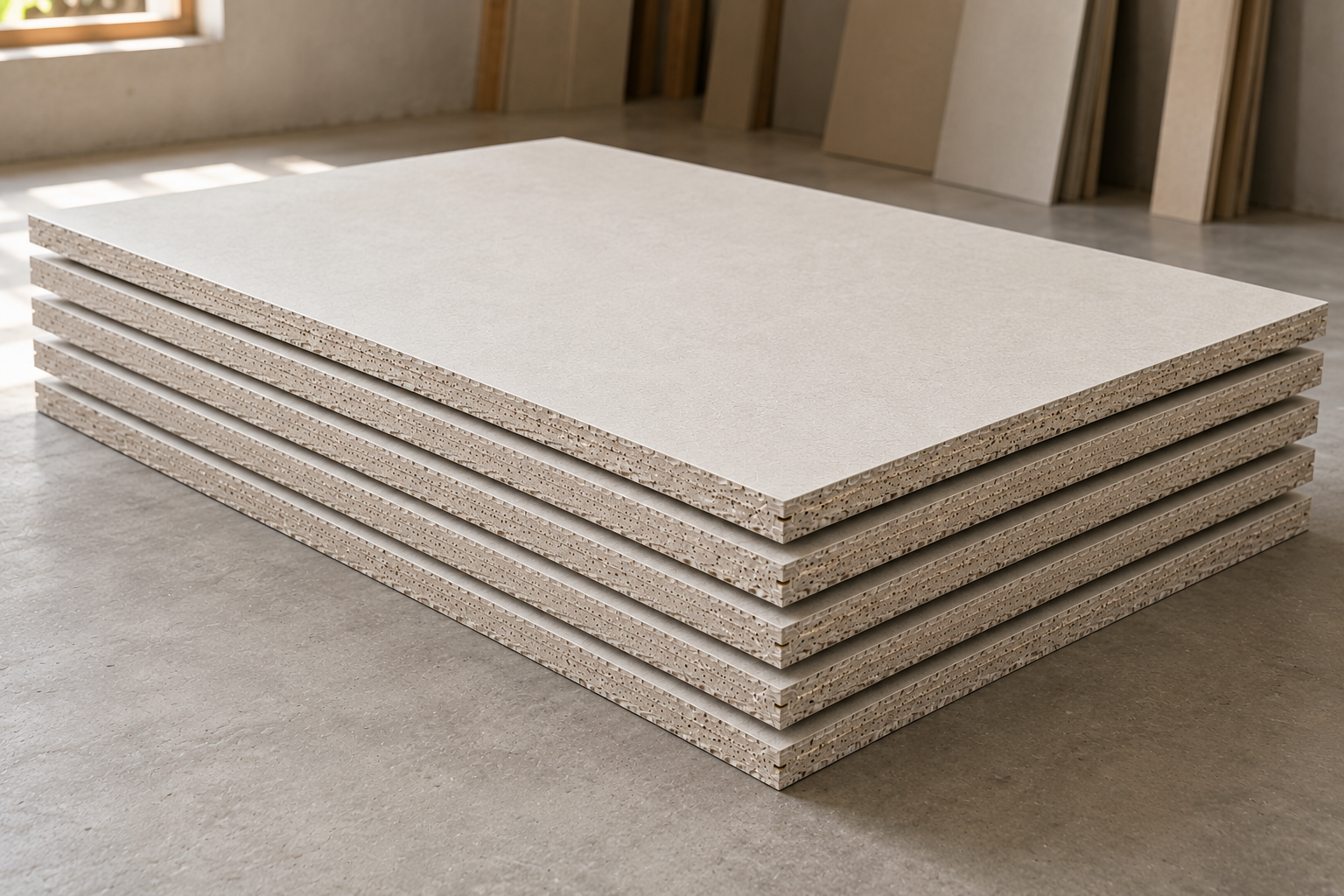
Bison laminated cement bonded particle board is a engineered composite material that combines wood particles with cement binder to create a durable, moisture-resistant panel. The white laminated finish adds aesthetic appeal while providing additional protection against environmental factors. This specific product (reference code 361686) represents a standardized specification that has become a benchmark in the Indian construction industry./blog/tilec-pvc-and-others
Key Characteristics of 8mm Thickness Panels
The 8mm thickness is particularly significant for several reasons. It strikes an optimal balance between:
Structural integrity: Thick enough to provide adequate strength for most applications
Weight management: Light enough for easy handling and installation
Cost efficiency: Offers better value compared to thicker alternatives
Versatility: Suitable for both vertical and horizontal applications
The 1220mm x 2440mm dimension is the standard size that fits most Indian construction specifications and minimizes waste during installation. In Indian rupees, these panels typically range from ₹800 to ₹1,500 per sheet, depending on the supplier and quality certification.
Applications in Indian Construction and Interior Design
Frequently asked
Residential Construction
In residential projects across major Indian cities like Bangalore, Mumbai, Delhi, and Hyderabad, architects are increasingly specifying cement bonded particle board for:
Interior partition walls and false ceilings
Wardrobe backing and cabinet interiors
Bathroom wet areas and moisture-prone zones
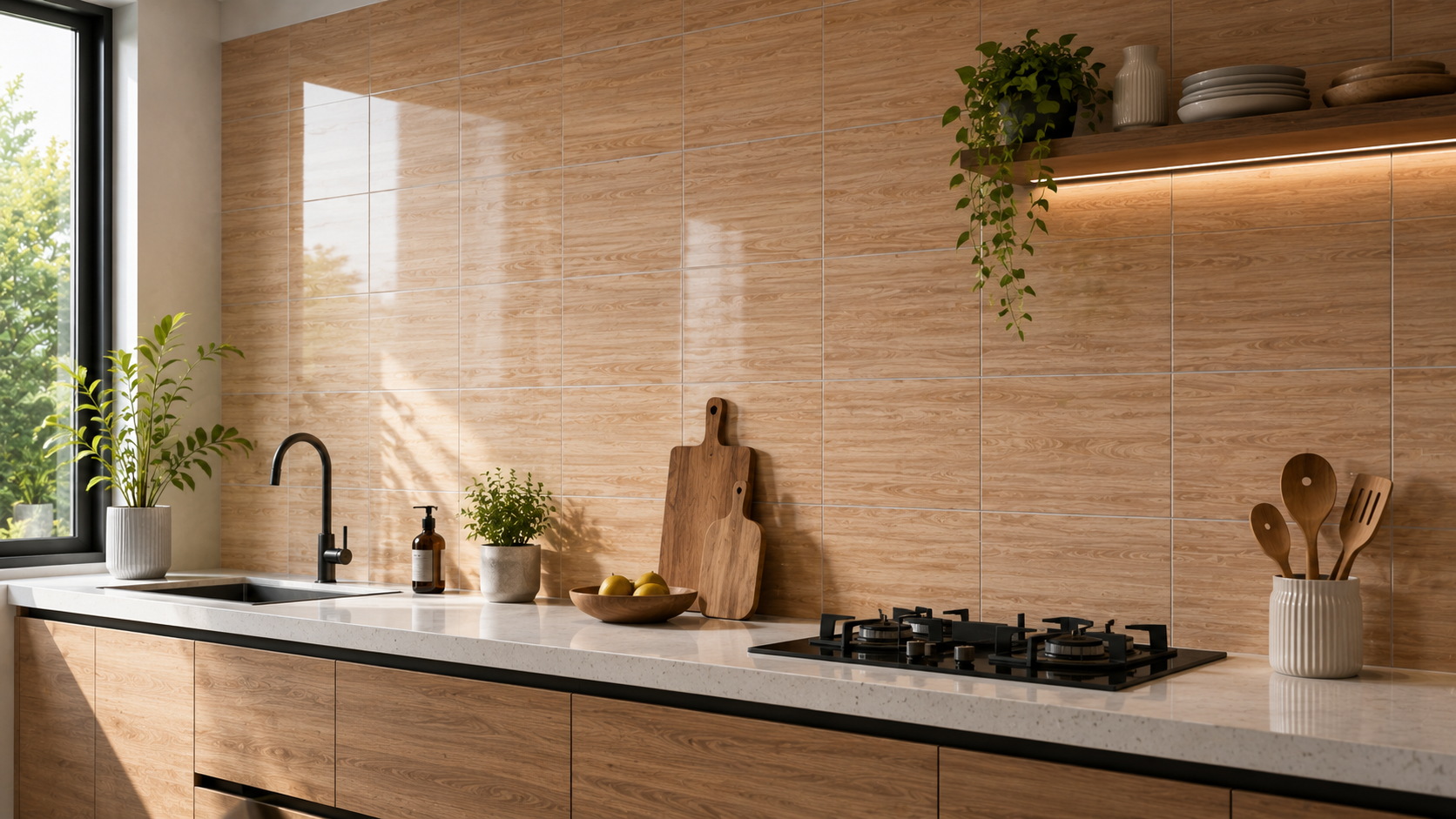
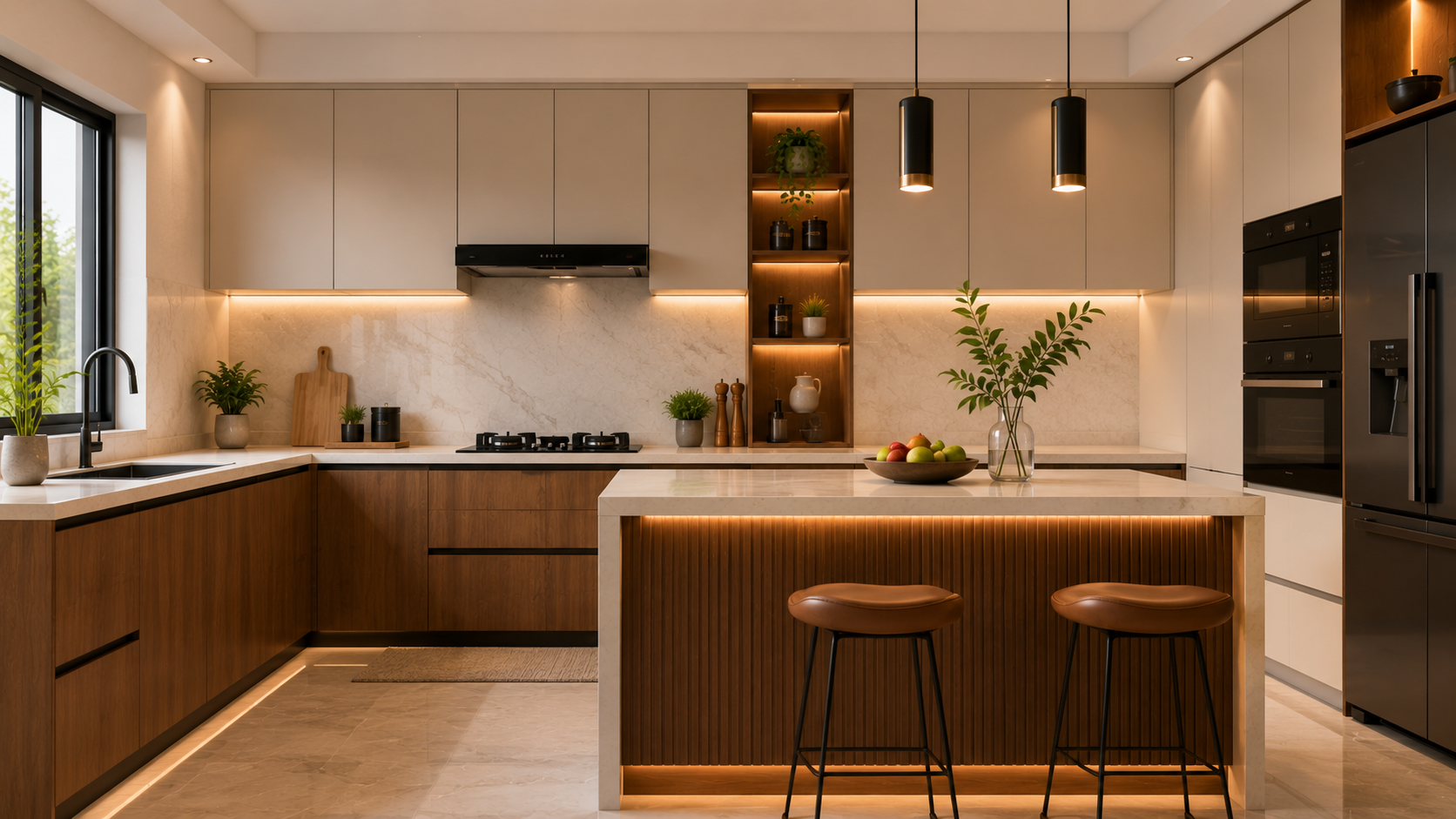
Kitchen backsplashes and wall cladding
The moisture resistance of cement bonded particle board makes it particularly valuable in Indian climates where humidity levels can be high, especially during monsoon seasons.
Commercial and Institutional Projects
Commercial buildings, offices, and institutional spaces benefit from this material's:
Fire resistance properties
Durability under high-traffic conditions
Ease of maintenance and cleaning
Professional aesthetic appeal
When sourcing materials for such projects, platforms like AECORD can connect you with verified suppliers across India who stock these specific panels and can ensure timely delivery to your construction site.
Industrial and Specialized Applications
Beyond traditional construction, cement bonded particle board is used in:
Data centers and server rooms (due to fire resistance)
Food processing facilities
Chemical storage areas
Laboratory environments
Why 8mm Thickness is the Sweet Spot
Structural Performance
The 8mm thickness provides adequate bending strength and load-bearing capacity for most non-structural applications. According to Indian Standards (IS 12823), cement bonded particle boards of this thickness demonstrate:
Modulus of Rupture (MOR): 5-7 MPa
Modulus of Elasticity (MOE): 2,000-3,000 MPa
Internal Bond Strength: 0.4-0.6 MPa
These specifications make it suitable for wall panels, ceiling applications, and non-load-bearing partitions without requiring additional structural support.
Moisture Management
In the Indian context, where monsoon seasons can last 3-4 months and humidity levels can reach 80-90%, the cement bonded composition offers superior moisture resistance compared to traditional plywood or MDF. The water absorption rate is typically less than 15%, making it ideal for:
Bathroom installations in cities like Kerala and coastal areas
Kitchen spaces in high-humidity regions
Basement and underground parking areas
Cost Analysis and ROI for Indian Projects
Material Cost Breakdown
For a typical 1,000 sq. meter residential project in Bangalore or Hyderabad, here's what you might expect:
Material cost per sheet (8mm, 1220x2440mm): ₹1,000-₹1,300
Sheets required per 100 sq. meters: 40-45 sheets
Total material cost for 1,000 sq. meters: ₹4,00,000-₹5,85,000
Installation labor cost: ₹100-₹150 per sq. meter
Long-term Value
While the upfront cost may be 15-20% higher than standard plywood, the long-term benefits include:
Durability: 15-20 year lifespan vs. 8-10 years for plywood
Reduced maintenance: No need for frequent repainting or repairs
Better resale value: Properties with quality materials command premium prices
Insurance benefits: Fire-resistant materials may qualify for lower insurance premiums
Installation Best Practices for Indian Climate Conditions
Pre-Installation Considerations
Before installing 8mm cement bonded particle board, ensure:
The substrate is clean, dry, and level (within 3mm over 2 meters)
Environmental conditions are between 15-25°C and 40-60% relative humidity
Adequate ventilation is available during and after installation
All materials are acclimatized for 48 hours at the installation site
Installation Methods
For wall applications:
Use cement-based adhesive (AECORD can help you find certified adhesive suppliers)
Apply adhesive in 10cm diameter spots, spaced 30cm apart
Use stainless steel or galvanized fasteners to prevent corrosion in humid climates
Leave 5-10mm expansion gaps at edges
For ceiling applications:
Install support structure at maximum 400mm centers
Use mechanical fasteners (screws) rather than adhesive alone
Ensure proper drainage to prevent water pooling
Finishing Recommendations
The white laminated surface can be finished with:
Direct painting with acrylic or cement-based paints
Ceramic tile application (using appropriate tile adhesive)
Wallpaper or decorative laminates
Waterproof sealants for wet areas
Compliance with Indian Standards and Regulations
When specifying this product for projects in India, ensure compliance with:
IS 12823:2003 - Cement bonded particle boards specification
IS 13018:1992 - Non-asbestos cement boards
National Building Code (NBC) 2016 - Fire safety requirements
State-specific building bylaws - Varies by city (Mumbai, Delhi, Bangalore, etc.)
Always request quality certifications and test reports from suppliers. When sourcing materials through AECORD, you can verify that vendors comply with these standards.
Comparison with Alternative Materials
Vs. Traditional Plywood
Moisture resistance: Cement bonded board wins significantly
Cost: Plywood may be 10-15% cheaper initially
Durability: Cement bonded board lasts longer
Fire resistance: Cement bonded board is superior
Vs. MDF (Medium Density Fiberboard)
Moisture resistance: Cement bonded board is far superior
Cost: Similar price range
Workability: MDF is easier to cut and shape
Suitability for wet areas: Cement bonded board is the clear choice
Vs. Gypsum Boards
Durability: Cement bonded board is more robust
Installation speed: Gypsum boards may be faster
Moisture performance: Cement bonded board performs better
Cost: Comparable, but cement bonded offers better value
Common Mistakes to Avoid
When working with 8mm cement bonded particle board, avoid these common pitfalls:
Improper acclimation: Not allowing boards to adjust to site conditions
Inadequate fastening: Using insufficient fasteners or wrong types
Poor substrate preparation: Installing on uneven or wet surfaces
Ignoring expansion joints: Failing to account for thermal expansion
Incorrect finishing: Using non-compatible paints or sealants
Neglecting ventilation: Not ensuring proper air circulation during installation
Finding Quality Suppliers and Contractors in India
The quality of your project depends heavily on sourcing reliable materials and skilled installation professionals. When looking for 8mm Bison laminated cement bonded particle board and experienced contractors, consider using AECORD's marketplace. You can connect with verified suppliers across major Indian cities, compare specifications and pricing, and find contractors with proven experience in cement bonded board installations.
AECORD makes it easy to:
Search for certified suppliers in your region
Compare pricing from multiple vendors
Review contractor portfolios and past projects
Verify compliance certifications and standards
Manage procurement efficiently
Future Trends and Innovations
The Indian construction industry is seeing innovations in cement bonded particle board technology, including:
Enhanced fire ratings and smoke resistance
Improved aesthetic finishes (textured, colored, patterned)
Better sound-dampening properties
Sustainable and eco-friendly formulations
Integrated moisture barriers and vapor retarders
Conclusion
The 8mm thickness Bison laminated cement bonded particle board (1220mm x 2440mm) represents a smart choice for Indian construction professionals seeking durability, moisture resistance, and cost-effectiveness. Whether you're working on residential projects in Bangalore, commercial spaces in Mumbai, or institutional buildings in Delhi, this material offers reliable performance in India's diverse climatic conditions.
By understanding its properties, applications, installation requirements, and compliance standards, you can make informed decisions that enhance project quality and longevity. The key to success lies in proper material selection, correct installation techniques, and sourcing from reliable suppliers.
Ready to source quality cement bonded particle board for your next project? Visit AECORD today to connect with verified suppliers, experienced contractors, and fellow AECO professionals across India. Whether you need material specifications, installation guidance, or contractor recommendations, AECORD's B2B2C marketplace makes it easy to find exactly what you need for your construction projects.
```