

Understanding 6mm Designer Cement Bonded Particle Board: A Complete Guide for Indian AECO Professionals
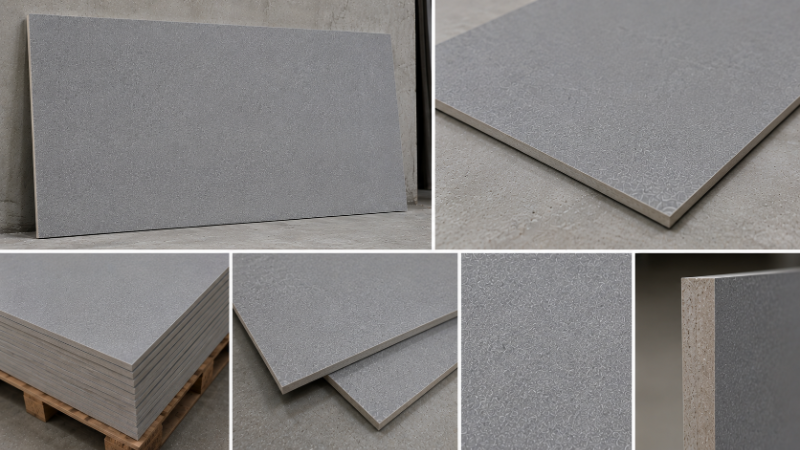
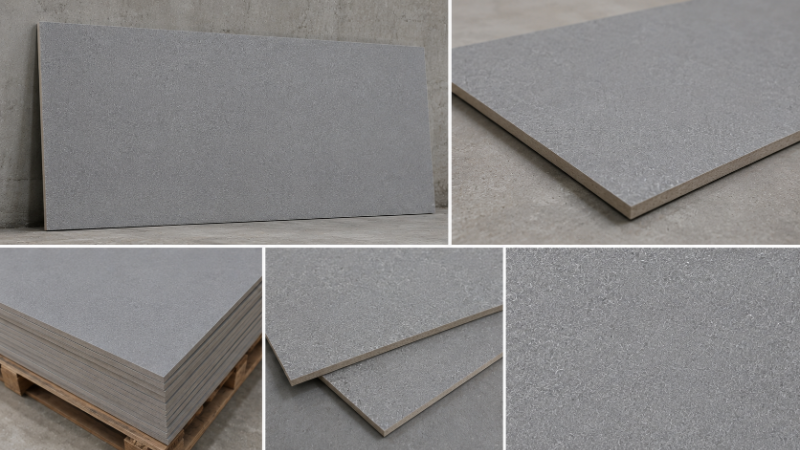
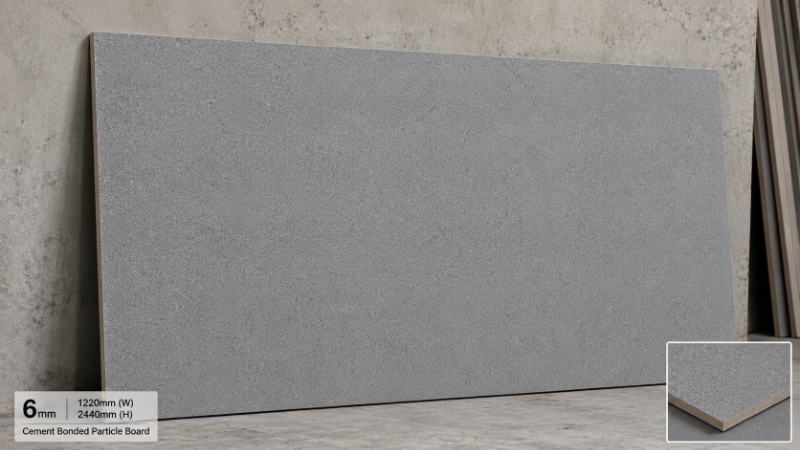
Cement bonded particle board (CBPB) has emerged as one of the most versatile and durable building materials in India's construction industry. The 6mm thickness variant, measuring 1220mm x 2440mm with a murk texture grey finish, represents a premium option that combines aesthetic appeal with exceptional performance characteristics. Whether you're specifying materials for residential interiors, commercial projects, or specialized applications, understanding this material's properties and applications is essential for making informed decisions.
Build cost · Bengaluru, May 2026
What is Cement Bonded Particle Board?
Material Composition and Manufacturing Process
Cement bonded particle board is a composite material created by bonding wood particles with Portland cement and other additives under high pressure and temperature. Unlike traditional plywood or MDF, CBPB offers superior moisture resistance and durability, making it ideal for Indian climates where humidity and temperature fluctuations are significant concerns.
The 6mm thickness variant provides an optimal balance between structural integrity and weight management. The manufacturing process involves:
Sorting and sizing wood particles to ensure uniform distribution
Mixing particles with Portland cement, silica fume, and water-resistant additives
Forming the mixture into sheets under controlled pressure
Curing in steam chambers to achieve optimal strength
Surface finishing with specialized textures and color coatings
The murk texture grey finish provides a sophisticated aesthetic that complements modern design trends while offering practical benefits in terms of concealing minor imperfections and dust visibility.
Dimensions and Specifications
The standard dimensions of 1220mm x 2440mm are engineered to minimize waste during installation. These measurements align with typical wall heights and can be cut to suit various applications without excessive material loss. The 6mm thickness strikes a balance between:
Structural performance for load-bearing applications
Ease of handling and installation
Cost-effectiveness compared to thicker variants
Flexibility for both vertical and horizontal applications
Frequently asked
Key Properties and Performance Characteristics
Moisture and Water Resistance
One of the primary advantages of cement bonded particle board is its exceptional moisture resistance. Unlike conventional particle boards that deteriorate when exposed to water, CBPB maintains its structural integrity even in damp environments. This makes it particularly valuable for Indian applications where monsoon seasons and high humidity are common challenges.
The material can withstand moisture content up to 15-20% without significant dimensional changes or strength loss. This property makes it suitable for:
Bathroom wall cladding and wet areas
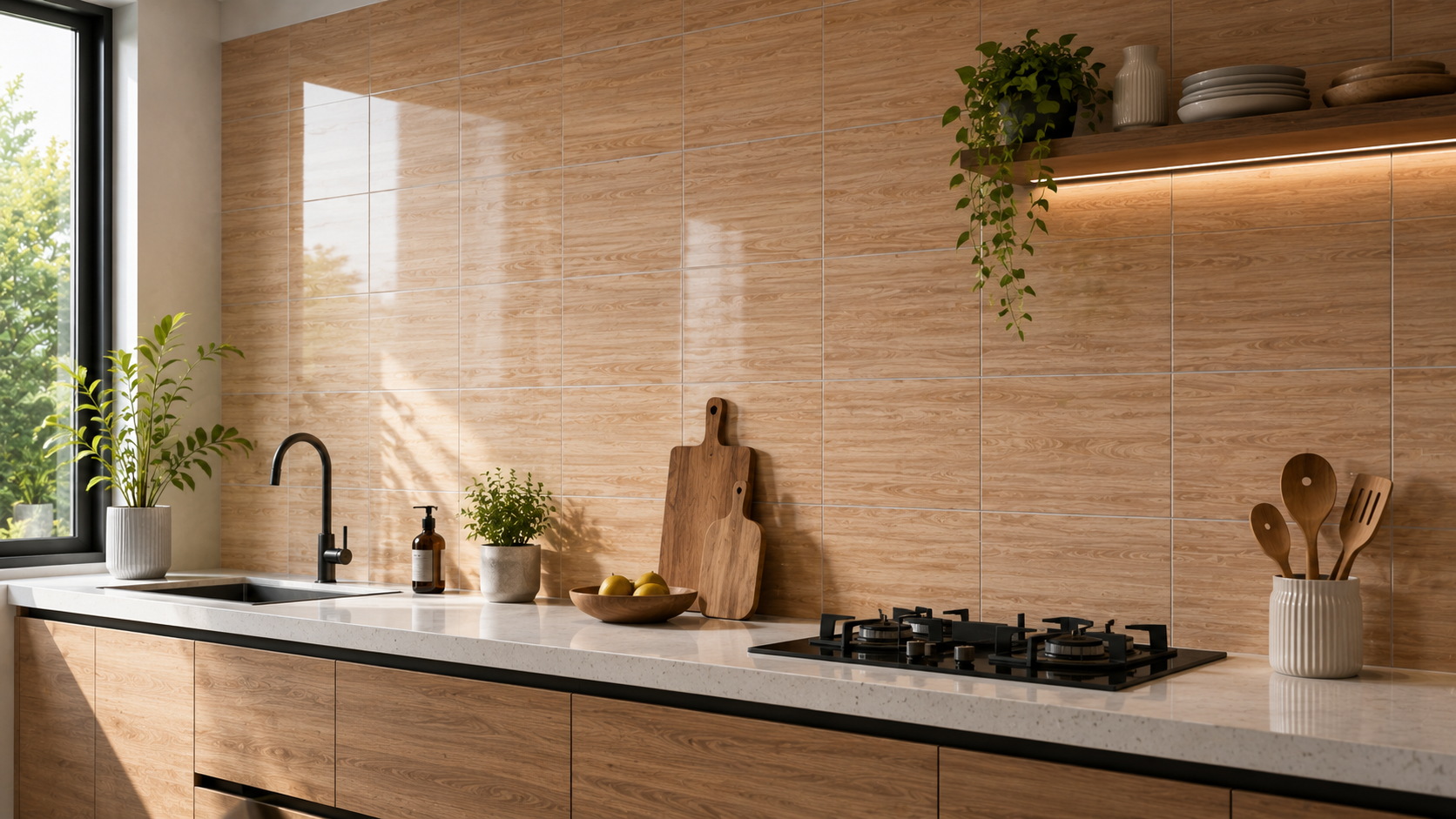
Kitchen backsplashes and interior finishes
Basement applications in areas prone to moisture
Exterior soffit and fascia applications
Fire and Thermal Properties
Cement bonded particle board exhibits superior fire resistance compared to organic-based boards. The cement matrix provides non-combustible characteristics, making it compliant with Indian fire safety standards. The material typically achieves a fire rating that meets or exceeds requirements for commercial and residential construction.
Additionally, the thermal properties of CBPB contribute to better temperature regulation within buildings, potentially reducing cooling loads during India's hot summers—an important consideration for sustainable building practices.
Strength and Durability
The 6mm thickness provides adequate strength for most interior applications while maintaining reasonable weight. The modulus of rupture (bending strength) of quality CBPB typically ranges from 8-12 MPa, sufficient for wall cladding, ceiling applications, and non-structural partitions.
The material's durability extends across decades when properly installed and maintained. Unlike organic boards that are susceptible to termite and fungal attacks—common issues in India's tropical climate—cement bonded particle board is inherently resistant to biological degradation.
Applications in Indian Construction
Residential Interior Design
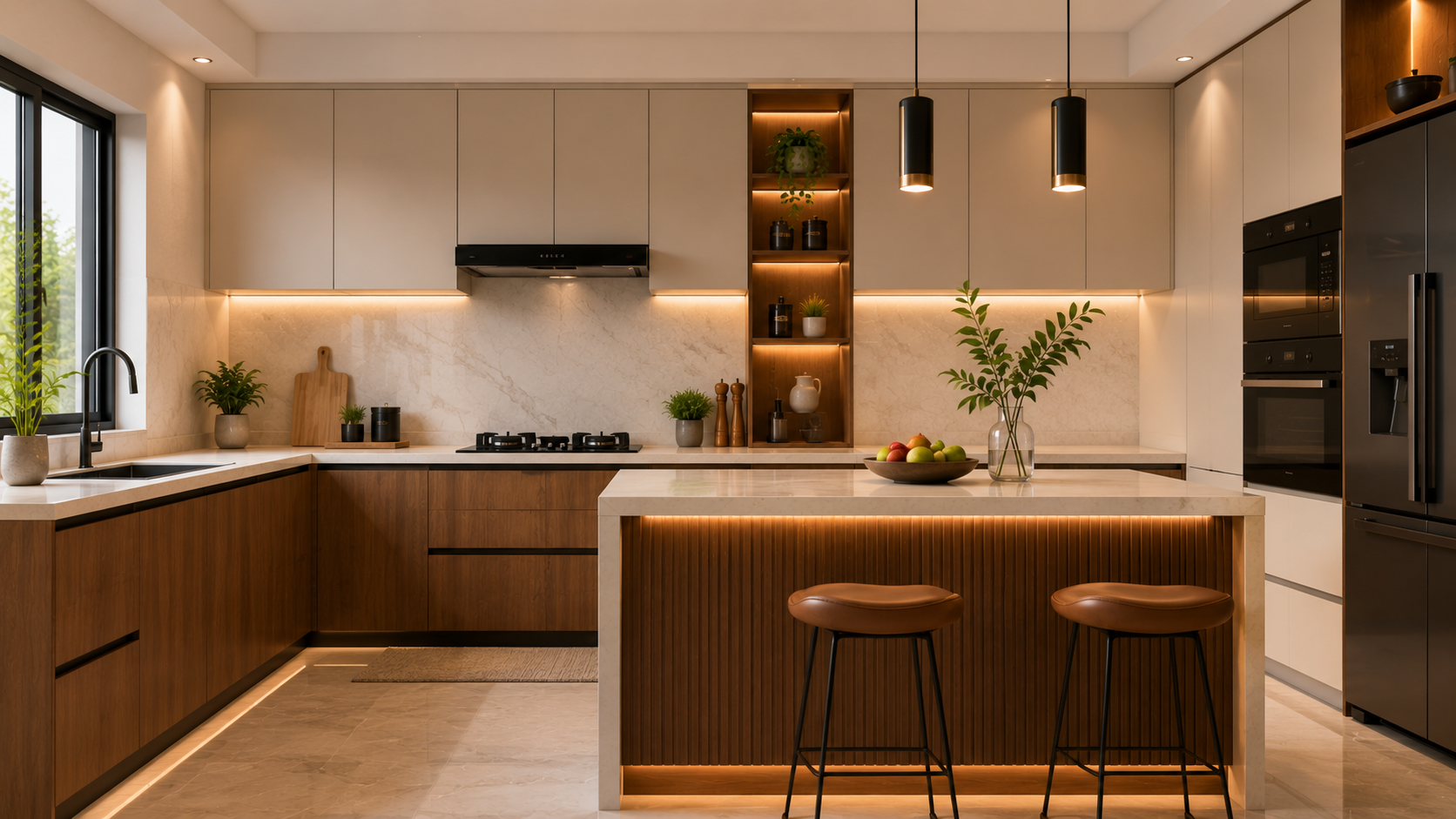
The murk texture grey finish makes this CBPB variant particularly attractive for contemporary residential spaces. Architects and interior designers across major Indian cities—from Mumbai's high-rise apartments to Bangalore's tech-hub residences—are increasingly specifying cement bonded particle board for:
Feature walls and accent panels
Built-in furniture backing and structural support
Kitchen and bathroom wall cladding
Wardrobe and storage system components
Decorative wall treatments and 3D installations
The grey color palette complements minimalist and industrial design aesthetics that are gaining popularity in India's urban residential markets.
Commercial and Office Spaces
In commercial applications, CBPB offers practical advantages beyond aesthetics. The material's durability and low maintenance requirements make it cost-effective for high-traffic areas. Common commercial applications include:
Office partition systems and modular workspaces
Retail display systems and wall treatments
Hospitality interior finishes
Educational institution wall cladding
Healthcare facility applications requiring easy cleaning
When sourcing materials for commercial projects, platforms like AECORD connect you with verified suppliers and contractors experienced in CBPB installation across Indian markets.
Specialized Applications
The 6mm CBPB variant serves specialized purposes in:
Acoustic applications: When combined with appropriate backing, it provides sound dampening properties
Exterior cladding: Suitable for covered exterior areas and weather-protected applications
Industrial settings: Resistant to chemical exposure and mechanical stress
Educational and laboratory spaces: Non-toxic and chemically stable
Cost Considerations and Pricing in India
Material Costs
The pricing for 6mm cement bonded particle board with designer finish varies based on market conditions and supplier location. As of current market rates in India, expect the following approximate pricing:
Standard CBPB (6mm): ₹800-1,200 per sheet (1220mm x 2440mm)
Designer finish variants: ₹1,200-1,800 per sheet
Premium grey texture finishes: ₹1,500-2,000 per sheet
Prices fluctuate based on raw material costs, transportation, and regional demand. Major metropolitan areas like Delhi, Mumbai, Bangalore, and Hyderabad may have slightly different pricing due to logistics costs.
Installation and Labor Costs
Professional installation costs typically range from ₹150-300 per square meter, depending on:
Complexity of the application
Surface preparation requirements
Geographic location and local labor rates
Project scale and timeline
For a standard residential wall application (approximately 50 square meters), total material and labor costs would range from ₹80,000-1,50,000, making it a mid-to-premium option compared to conventional plywood or drywall.
Installation and Handling Guidelines
Preparation and Storage
Proper handling begins before installation. Cement bonded particle board should be:
Stored in dry conditions with moisture levels below 15%
Kept flat and supported along its length to prevent warping
Protected from direct sun exposure during storage
Acclimatized to the project environment for 24-48 hours before installation
Cutting and Fastening
The 6mm thickness allows for easy cutting with standard tools:
Circular saws or table saws for straight cuts
Jigsaw for curved cuts and detailed work
Proper dust management during cutting (use respiratory protection)
Fastening recommendations include:
Stainless steel or galvanized screws (minimum 25mm length for 6mm board)
Screw spacing of 150-200mm for optimal holding
Adhesive application (polyurethane or cement-based) for enhanced bonding
Avoid over-tightening, which can cause surface damage
Finishing Options
While the murk texture grey finish provides an attractive surface, additional finishing options include:
Paint application for color customization
Wallpaper or fabric covering for textural variation
Sealant application for enhanced water resistance in wet areas
Staining for wood-grain appearance
Maintenance and Long-Term Care
Cleaning and Upkeep
One of the advantages of cement bonded particle board is minimal maintenance requirements. Regular care involves:
Dry dusting with soft cloths to maintain the murk texture appearance
Damp cleaning with mild detergent solutions for stubborn marks
Avoiding excessive water exposure on unfinished edges
Periodic inspection for any damage or separation
Durability and Lifespan
With proper installation and maintenance, cement bonded particle board can last 20-30 years or more. The material's resistance to:
Moisture and humidity variations
Termite and fungal attacks
Temperature fluctuations
Chemical exposure
...ensures long-term performance in Indian climatic conditions. This extended lifespan translates to better cost-effectiveness over the building's lifecycle.
Comparing with Alternative Materials
CBPB vs. Plywood
While plywood is traditional in Indian construction, CBPB offers superior moisture resistance and fire performance. However, plywood may be more cost-effective for applications not requiring moisture resistance.
CBPB vs. Drywall/Gypsum Board
Drywall is lighter and easier to install, but CBPB provides better durability and moisture resistance, making it more suitable for challenging Indian environments.
CBPB vs. MDF
MDF is more affordable but deteriorates rapidly in humid conditions. CBPB's superior performance in moisture-prone areas makes it the better choice for long-term applications in India.
Sustainability and Environmental Considerations
Modern cement bonded particle board manufacturers increasingly focus on sustainability. The material utilizes:
Recycled wood particles and industrial waste
Portland cement with reduced carbon footprint variants
Non-toxic binding agents
Energy-efficient manufacturing processes
For environmentally conscious projects, verify that your supplier sources materials from certified sustainable sources and follows responsible manufacturing practices.
Finding Quality Suppliers and Professionals in India
When specifying 6mm designer cement bonded particle board for your projects, quality sourcing is crucial. AECORD provides a comprehensive marketplace connecting architects, engineers, contractors, and facility managers with verified suppliers across India. The platform enables you to:
Compare quotes from multiple suppliers
Access verified product specifications and certifications
Connect with experienced installation professionals
Review project portfolios and client feedback
Whether you're sourcing materials for a residential renovation in Pune, a commercial project in Delhi, or a hospitality application in Goa, AECORD streamlines the procurement process and ensures access to quality materials and skilled professionals.
Conclusion
The 6mm thickness cement bonded particle board with murk texture grey finish represents a sophisticated and practical choice for diverse applications in Indian construction. Its combination of aesthetic appeal, superior durability, moisture resistance, and fire performance makes it suitable for residential, commercial, and specialized applications.
Whether you're an architect specifying materials, a contractor planning installation, or a building owner seeking quality interior solutions, understanding this material's properties and applications enables better decision-making. With proper selection, installation, and maintenance, this CBPB variant delivers decades of reliable performance while maintaining its attractive appearance.
Ready to source premium cement bonded particle board for your next project? Visit AECORD today to connect with verified suppliers, experienced installers, and AECO professionals across India. Browse product catalogs, compare specifications, request quotes, and access expert guidance—all through a single, trusted platform designed specifically for the Indian architecture, engineering, and construction industry.