

Understanding 6mm Bison Laminated Cement Bonded Particle Board: A Complete Guide for Indian Construction Professionals
In the rapidly evolving construction landscape of India, selecting the right building materials is crucial for ensuring durability, cost-effectiveness, and structural integrity. One material that has gained significant traction among architects, contractors, and builders is the 6mm thickness Bison laminated cement bonded particle board in white (361676 specification). This comprehensive guide explores everything you need to know about this versatile building material and how it can enhance your construction projects across Indian cities like Mumbai, Delhi, Bangalore, and beyond.
Build cost · Bengaluru, May 2026
What is Bison Laminated Cement Bonded Particle Board?
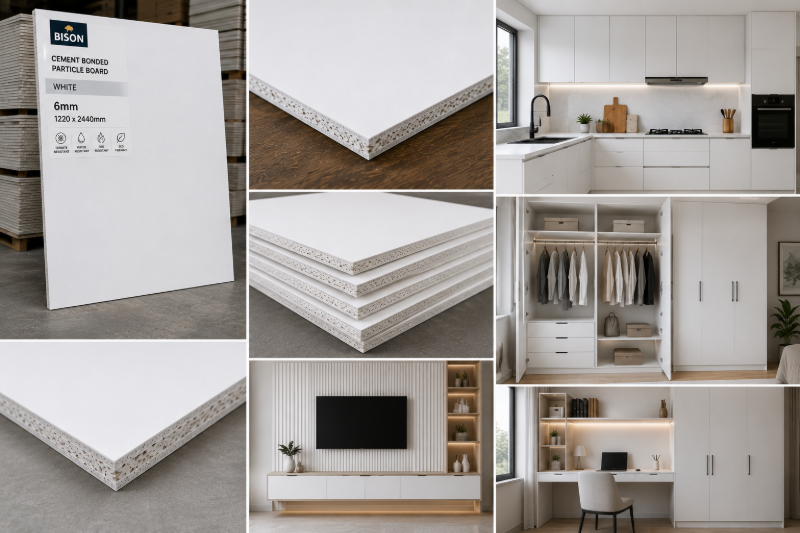
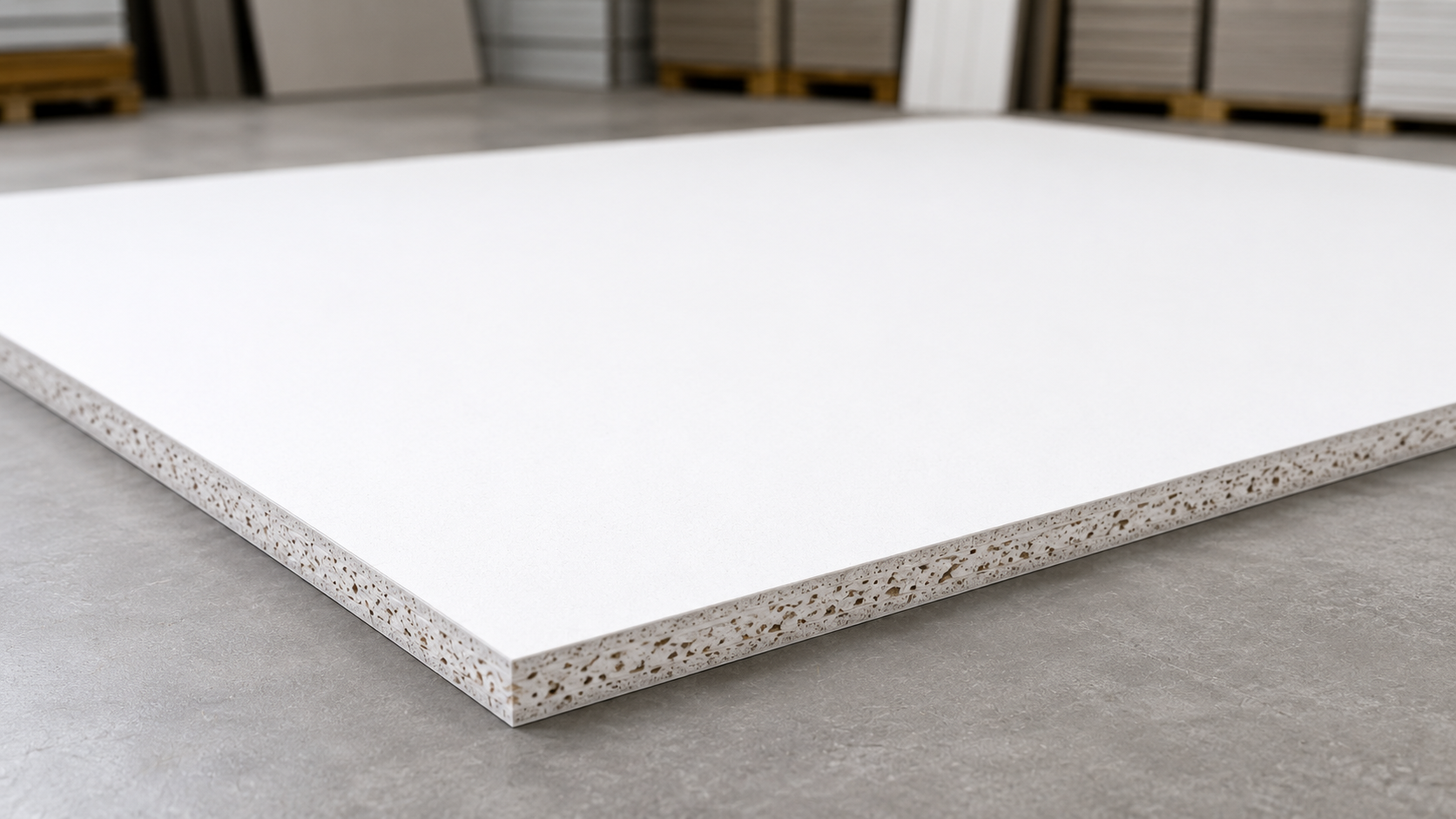
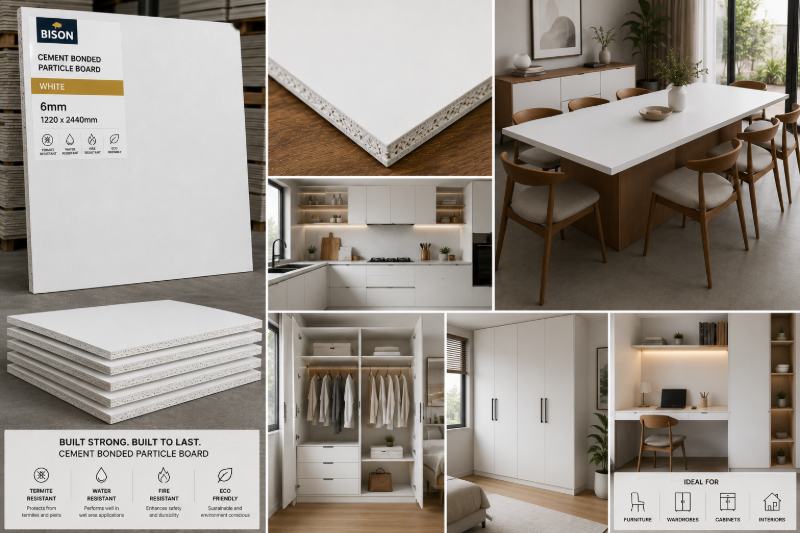
Bison laminated cement bonded particle board is an engineered composite material that combines wood particles with cement binder to create a robust, moisture-resistant panel. The 6mm thickness variant with dimensions of 1220mm x 2440mm is specifically designed for applications requiring moderate structural support with excellent durability characteristics.
Composition and Manufacturing Process
The manufacturing of cement bonded particle board involves several critical steps. Wood particles or sawmill waste are mixed with Portland cement and water to create a homogeneous slurry. This mixture is then formed into sheets and subjected to high pressure and heat treatment to ensure proper bonding. The white laminated finish (specification 361676) provides an aesthetic appeal while maintaining the functional properties of the base material.
The cement binder used in this product is superior to traditional plywood adhesives, offering better resistance to moisture, insects, and fungal growth. This makes it particularly suitable for India's diverse climatic conditions, from the humid coastal areas of Kerala and Mumbai to the dry regions of Rajasthan.
Key Physical Properties
The 6mm thickness specification offers an optimal balance between weight and strength. At this thickness, the board provides adequate rigidity for most interior and semi-exterior applications while remaining lightweight enough for easy handling and installation. The standard dimensions of 1220mm x 2440mm align with international standards, making it compatible with various architectural designs and construction specifications.
Frequently asked
Advantages of Using 6mm Bison Laminated Cement Bonded Particle Board
Moisture and Weather Resistance
One of the most significant advantages of cement bonded particle board is its exceptional resistance to moisture. Unlike traditional plywood that can swell and deteriorate when exposed to water, this material maintains its structural integrity even in high-humidity environments. This property makes it ideal for bathrooms, kitchens, and external cladding applications in Indian homes and commercial spaces.
The cement matrix acts as a protective barrier, preventing water penetration and protecting the wood particles within. In cities like Mumbai and Kolkata, where monsoon rains are intense, this material has proven to be a reliable choice for long-term durability.
Fire Resistance and Safety
Cement bonded particle board exhibits superior fire resistance compared to conventional plywood. The non-combustible cement component significantly reduces the board's flammability, making it a safer choice for residential and commercial applications. This property is particularly important in India, where building codes increasingly emphasize fire safety standards.
Dimensional Stability
The 6mm thickness combined with the cement binder ensures excellent dimensional stability. The board resists warping, twisting, and cupping—common issues with traditional wood-based panels. This stability is crucial for applications where precise dimensions are essential, such as fitted furniture, cabinetry, and built-in storage solutions.
Cost-Effectiveness
While cement bonded particle board may have a slightly higher initial cost compared to standard plywood, its longevity and reduced maintenance requirements make it economical in the long run. In the Indian market, where construction budgets are often tight, the durability of this material translates to better value for money. The typical cost range for 6mm Bison laminated cement bonded particle board in India is between ₹800 to ₹1,200 per sheet, depending on location and supplier.
Pest and Insect Resistance
The cement composition makes this board inherently resistant to termites, wood-boring insects, and other pests. In India, where termite infestations are a common concern in many regions, this property offers significant advantages for long-term structural integrity and reduced pest control expenses.
Applications of 6mm Bison Laminated Cement Bonded Particle Board in Indian Construction
Interior Partitioning and Wall Cladding
The 6mm thickness makes this board ideal for creating interior partition walls. Its lightweight nature allows for easier installation while maintaining structural rigidity. The white laminated finish provides a clean, professional appearance suitable for offices, hospitals, and commercial spaces across Indian metros.
Bathroom and Kitchen Wet Areas
Given its moisture resistance, this material is particularly well-suited for bathroom and kitchen applications. It can be used for wall backing, shelving, and cabinet construction in these moisture-prone areas. The white finish is especially practical in these spaces, as it resists staining and is easy to clean.
Flooring Underlayment
The dimensional stability and moisture resistance of 6mm cement bonded particle board make it an excellent choice for flooring underlayment, particularly in areas prone to moisture exposure. It provides a stable base for tiles, vinyl, or laminate flooring in Indian homes and commercial establishments.
Exterior Cladding and Facade Systems
For external applications, this board can be used as a backing material for various cladding systems. Its weather resistance and durability make it suitable for the challenging climatic conditions found across different Indian regions.
Acoustic and Thermal Insulation Backing
The board serves as an excellent base for acoustic panels and thermal insulation systems. Its stability ensures that insulation materials remain properly positioned over time, contributing to the overall energy efficiency of buildings.
Installation and Handling Guidelines
Storage and Transportation
Proper storage is essential to maintain the quality of cement bonded particle board. Sheets should be stored flat in a dry, well-ventilated area, preferably indoors. In India's varied climate, protecting the material from direct rainfall and extreme temperature fluctuations during storage is crucial. Ensure adequate spacing between stacked sheets to allow air circulation.
Cutting and Machining
Cement bonded particle board can be cut using standard woodworking tools. For precise cuts, a circular saw or table saw is recommended. When cutting, always wear appropriate safety equipment, including dust masks, as cement particles can be harmful if inhaled. The material can also be drilled, routed, and shaped using conventional woodworking machinery.
Fastening and Joining
Screws, nails, and dowels can be used to fasten this board. For maximum holding power, corrosion-resistant fasteners are recommended, especially in areas with high humidity. The board's density allows for excellent screw retention without the need for pilot holes in most cases.
Finishing and Sealing
While the white laminated finish provides protection, additional sealing may be desired for wet areas. Water-based sealers and paints adhere well to the surface. For areas that will experience significant moisture exposure, applying a quality sealant around edges and joints is recommended to maximize the board's lifespan.
Comparison with Alternative Materials
Versus Traditional Plywood
Traditional plywood is more susceptible to moisture damage and pest infestation compared to cement bonded particle board. While plywood may be initially cheaper, the cement bonded option offers superior durability in challenging Indian climates, particularly in coastal and high-humidity regions.
Versus Gypsum Drywall
Gypsum drywall is lighter and easier to install but lacks the moisture resistance of cement bonded particle board. In Indian bathrooms and kitchens, cement bonded board is the more practical choice due to its inherent water resistance without requiring extensive protective measures.
Versus Fiber Cement Boards
While fiber cement boards offer similar benefits, cement bonded particle board typically provides better structural properties at the 6mm thickness and is often more cost-effective in the Indian market.
Building Codes and Compliance in India
Cement bonded particle board products must comply with Indian Standards (IS) codes. The material should meet IS 12006 specifications for wood-based panels. Additionally, for applications in commercial buildings, compliance with National Building Code (NBC) requirements is essential. When sourcing materials, ensure that your supplier provides appropriate certifications and test reports confirming compliance with these standards.
Different Indian states may have specific building regulations. For instance, fire safety requirements in Mumbai and Delhi may differ from those in smaller cities. Always consult with local building authorities and your project architect to ensure full compliance.
Cost Considerations and Budget Planning
The cost of 6mm Bison laminated cement bonded particle board varies across Indian regions. In major metros like Delhi, Mumbai, and Bangalore, expect to pay between ₹900 to ₹1,200 per sheet. In tier-2 cities, prices may be slightly lower, ranging from ₹800 to ₹1,000 per sheet. Bulk purchases often attract discounts of 10-15%.
When budgeting for your project, factor in additional costs for fasteners, adhesives, finishing materials, and professional installation if required. The long-term durability of this material often justifies the initial investment through reduced maintenance and replacement costs.
Maintenance and Longevity
One of the significant advantages of cement bonded particle board is its minimal maintenance requirements. Regular cleaning with a damp cloth is usually sufficient for interior applications. For exterior applications, occasional pressure washing may be beneficial in dusty Indian environments.
The material's lifespan can exceed 20-30 years when properly installed and maintained, making it a worthwhile investment for any construction project. In India's tropical and subtropical climates, this durability is particularly valuable.
Finding Quality Suppliers and Installation Professionals
When sourcing 6mm Bison laminated cement bonded particle board for your project, it's essential to work with reputable suppliers who can provide quality assurance documentation. AECORD, India's leading B2B2C marketplace for architecture, engineering, construction, and operations professionals, connects you with verified suppliers and experienced installers across the country.
Whether you're based in Mumbai, Delhi, Bangalore, Pune, or any other Indian city, AECORD can help you find professionals who understand the nuances of working with cement bonded particle board. From initial material sourcing to professional installation, the platform brings together qualified contractors and suppliers who have proven expertise in handling this material.
Proper installation is crucial for maximizing the benefits of this material. Working with experienced professionals ensures that the board is correctly cut, fastened, and finished according to specifications.
Conclusion
The 6mm thickness Bison laminated cement bonded particle board (specification 361676) in white represents an excellent choice for modern Indian construction projects. Its combination of moisture resistance, durability, fire safety, and cost-effectiveness makes it suitable for a wide range of applications, from residential bathrooms to commercial office spaces.
By understanding the material's properties, applications, and installation requirements, you can make informed decisions that enhance the quality and longevity of your construction projects. Whether you're planning a renovation in a coastal city or a new construction project in an inland metropolis, this material can deliver reliable performance across India's diverse climatic conditions.
Ready to incorporate cement bonded particle board into your next project? Connect with verified suppliers and experienced installation professionals on AECORD today. Browse our extensive network of AECO professionals who can guide you through material selection, cost optimization, and flawless installation. Visit AECORD now to find the right partners for your construction needs and ensure your project's success with quality materials and expert execution.
Frequently Asked Questions
What is 6mm Bison cement bonded particle board used for in construction?
6mm Bison cement bonded particle board is used for interior and semi-exterior applications including bathrooms, kitchens, external cladding, and areas requiring moderate structural support. Its moisture-resistant and fire-resistant properties make it ideal for residential and commercial construction projects across India.
Why is cement bonded particle board better than plywood for wet areas?
Cement bonded particle board has superior moisture resistance compared to plywood because the cement matrix acts as a protective barrier that prevents water penetration and protects the wood particles within. Unlike plywood, it maintains structural integrity in high-humidity environments and won't swell or deteriorate when exposed to water.
What are the dimensions and weight specifications of 6mm Bison particle board?
The 6mm Bison laminated cement bonded particle board comes in standard dimensions of 1220mm x 2440mm, which align with international standards. This 6mm thickness provides an optimal balance between weight and strength, making it lightweight enough for easy handling while maintaining adequate rigidity for most applications.
Is cement bonded particle board fire-resistant?
Yes, cement bonded particle board exhibits superior fire resistance compared to conventional plywood due to its non-combustible cement component, which significantly reduces flammability. This makes it a safer choice for residential and commercial applications where building codes emphasize fire safety standards.
Does cement bonded particle board warp or twist over time?
No, the 6mm thickness combined with the cement binder ensures excellent dimensional stability, meaning the board resists warping, twisting, and cupping. This stability is crucial for applications where precise dimensions are essential and long-term durability is required.