

Understanding Laticrete 46 Quarry Red Unsanded Cementitious Grout: A Comprehensive Guide for Indian Construction Professionals
In the realm of tile installation and masonry work across India, choosing the right grout material can make the difference between a project that lasts decades and one that requires costly repairs within years. Laticrete 46 Quarry Red Unsanded Cementitious Grout from the 600 Series stands as one of the most reliable solutions available to architects, contractors, and builders throughout the Indian construction industry. This comprehensive guide explores everything you need to know about this premium grouting product, from its composition and applications to installation best practices and cost considerations specific to the Indian market.
Build cost · Bengaluru, May 2026
What is Laticrete 46 Quarry Red Unsanded Cementitious Grout?
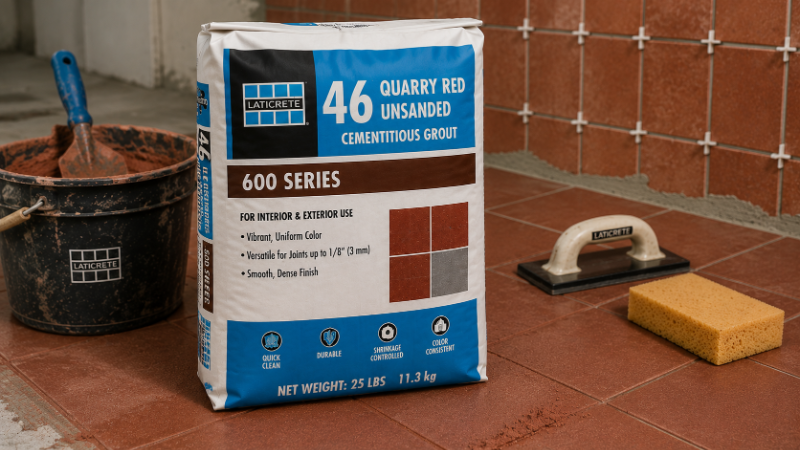
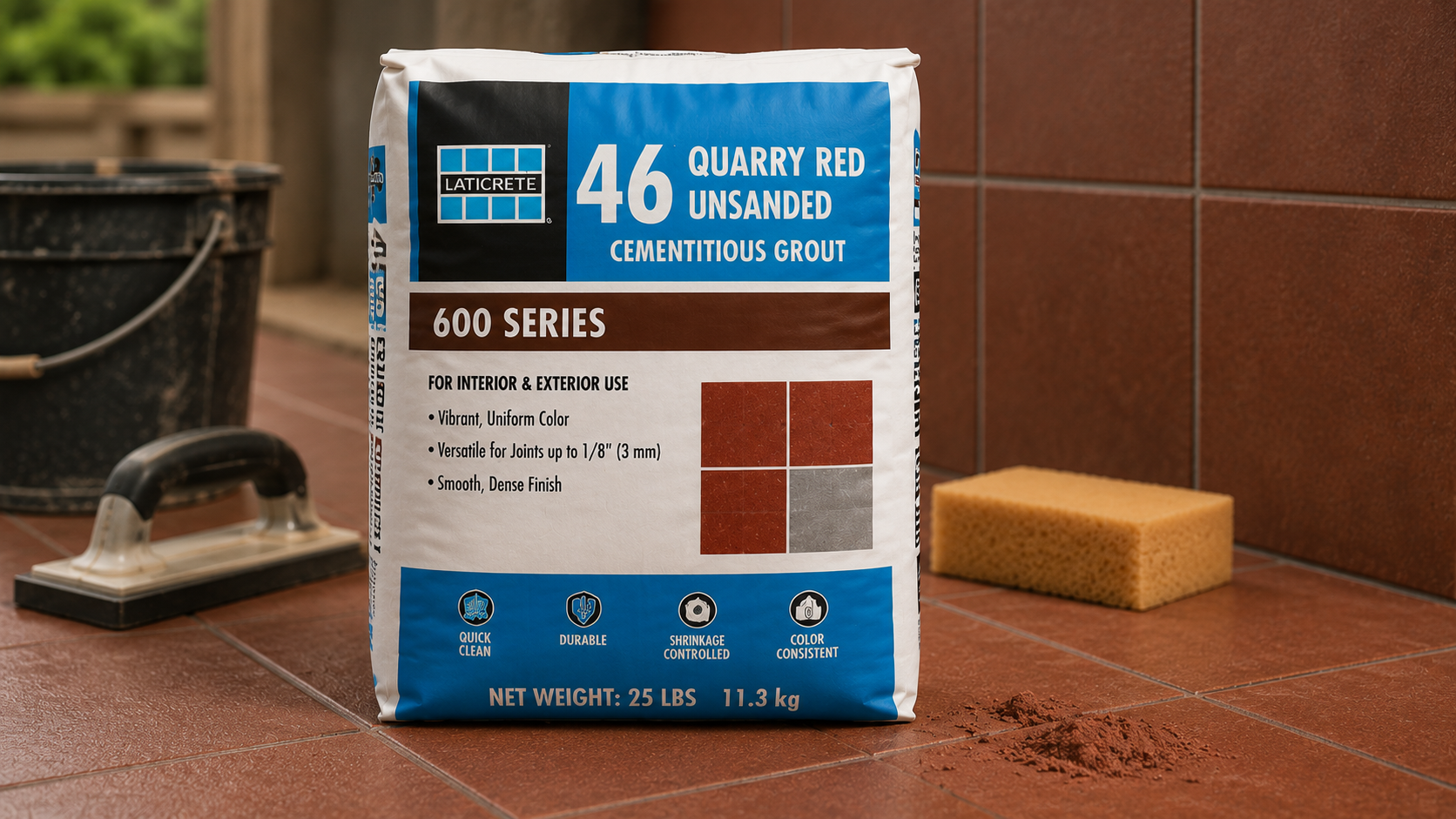
Laticrete 46 is a specialized unsanded cementitious grout designed specifically for narrow grout joints, typically between 1mm to 3mm in width. The distinctive quarry red color makes it an aesthetic choice for many tile installations, particularly in residential and commercial spaces where color coordination with tiles is essential. The 600 Series designation indicates it belongs to Laticrete's premium product line, formulated with advanced polymeric technology for superior performance.
Key Composition and Properties
This grout comprises a blend of Portland cement, fine aggregates, and proprietary polymeric additives that create a water-resistant, durable joint system. The unsanded composition means it contains no coarse sand particles, allowing it to flow smoothly into narrow joints without bridging or voids. Each 1 kg package (reference) provides approximately 0.5-0.6 square meters of coverage, depending on tile size and joint width.
The quarry red pigmentation is an integral part of the formulation, not a surface coating, ensuring consistent color throughout the product's lifespan. This matters significantly in Indian climates where UV exposure and humidity variations can affect surface treatments.
Why Choose Unsanded Grout for Your Projects?
Frequently asked
Advantages Over Sanded Alternatives
Unsanded grouts like Laticrete 46 offer several distinct advantages over sanded varieties, particularly for specific applications. The absence of sand particles means:
Superior Flow: Fills narrow joints (1-3mm) completely without voids, ensuring watertight seals that protect underlying substrates from moisture infiltration—critical in India's monsoon-prone regions
Aesthetic Excellence: Produces smooth, uniform joint lines without visible particle texture, enhancing the visual appeal of premium tile installations
Reduced Cracking: The polymeric additives minimize shrinkage during curing, reducing the likelihood of hairline cracks that can compromise waterproofing
Easier Application: Flows more readily, reducing installer fatigue and improving consistency across large projects
Better for Sensitive Surfaces: Won't scratch or damage polished marble, natural stone, or delicate tile surfaces during installation
Applications of Laticrete 46 in Indian Construction
Residential Applications
In Indian homes, particularly in metropolitan areas like Mumbai, Delhi, Bangalore, and Hyderabad, Laticrete 46 is extensively used for:
Kitchen and Bathroom Tiles: Where moisture resistance and aesthetic appeal are paramount. The quarry red color complements warm-toned tiles popular in Indian homes
Decorative Wall Installations: Premium ceramic and porcelain tiles in living spaces benefit from the smooth, consistent grout lines this product provides
Shower Areas: The water-resistant properties make it ideal for wet areas, preventing mold and mildew growth common in humid Indian climates
Commercial and Institutional Projects
Hotels, hospitals, shopping centers, and office buildings across India rely on Laticrete 46 for:
High-traffic floor areas requiring durable, stain-resistant grout joints
Public restrooms where hygiene and ease of cleaning are critical
Commercial kitchens and food service areas where sanitation standards demand seamless, non-porous joints
Specialized Applications
The product also serves well in:
Swimming pools and water features (with appropriate waterproofing membranes)
Exterior cladding in coastal areas like Goa and Chennai, where salt spray resistance is essential
Industrial facilities requiring chemical-resistant grout joints
Installation Best Practices for Indian Climate Conditions
Pre-Installation Preparation
Success with Laticrete 46 begins before the grout ever touches the tile. Proper substrate preparation is essential:
Joint Cleaning: Remove all adhesive, dust, and debris from joints. In Indian construction sites, where dust accumulation is significant, use compressed air or specialized joint cleaning tools
Substrate Moisture: Ensure tiles are set firmly with no movement. Test by tapping tiles with a rubber mallet—any hollow sound indicates insufficient adhesive coverage
Joint Width Verification: Confirm joints are within the 1-3mm range. Wider joints require sanded grout; narrower joints may not allow adequate material flow
Environmental Conditions: In India's varied climate, avoid grouting during peak monsoon periods or extreme heat. Ideal conditions are 15-25°C with 40-60% humidity
Mixing and Application
Proper mixing is critical for optimal performance:
Water Ratio: Add approximately 0.35-0.40 liters of clean water per 1 kg of Laticrete 46. Use distilled or filtered water—well water with high mineral content can affect setting and color consistency
Mixing Method: Use a slow-speed drill mixer (400-600 rpm) for 3-5 minutes until achieving a peanut butter consistency. Over-mixing introduces air voids; under-mixing leaves lumps
Rest Period: Allow the mixed grout to rest for 10 minutes before application, then remix briefly without adding water
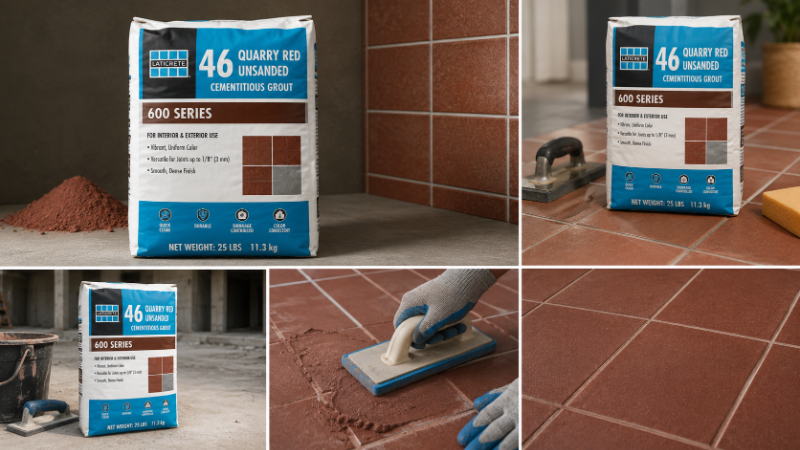
Application Technique: Use a rubber float held at 45-degree angles, working diagonally across tile joints. In India's humid conditions, work in smaller sections (2-3 square meters) to prevent premature drying
Curing and Maintenance
Proper curing ensures maximum durability:
Initial Set: Grout typically sets to touch-dry within 24-48 hours, depending on ambient temperature and humidity
Full Cure: Allow 72 hours minimum before exposing to water or heavy traffic, extending to 7 days in cooler, more humid conditions common in monsoon seasons
Climate Adjustments: In hot, dry climates (Delhi, Rajasthan), mist the grouted area with water every 4-6 hours for the first 24 hours to prevent too-rapid drying, which causes cracking
Sealing: After full cure, apply a penetrating grout sealer appropriate for Indian climates to enhance stain resistance and longevity
Cost Analysis for Indian Projects
Pricing and Coverage Economics
Understanding costs is essential for project budgeting. As of 2024, Laticrete 46 Quarry Red Unsanded Cementitious Grout typically costs between ₹400-600 per 1 kg package in major Indian cities, varying based on:
Local distributor pricing and availability
Order quantity (bulk purchases offer 10-15% discounts)
Regional variations (Tier-1 cities like Mumbai and Bangalore typically cost 15-20% more than Tier-2 cities)
For a typical 100 square meter installation with 2mm joints on standard ceramic tiles, you'd require approximately 150-200 kg of grout, translating to ₹60,000-120,000 in material costs. While this represents a premium compared to standard cement-based grouts (₹150-250 per kg), the superior performance and longevity justify the investment for quality-conscious projects.
Cost Comparison with Alternatives
When evaluating grout options for your project, consider total cost of ownership rather than initial material cost alone. Premium grouts like Laticrete 46 reduce maintenance expenses, minimize future repairs, and provide better aesthetic consistency throughout the structure's lifespan.
Common Challenges and Solutions in Indian Applications
Humidity and Moisture Issues
India's diverse climate presents unique challenges. In coastal areas and during monsoons, excess moisture can extend curing times or cause efflorescence (white salt deposits). Solutions include:
Improving ventilation during and after installation
Using moisture barriers beneath tile installations in high-risk areas
Selecting appropriate sealers for post-installation protection
Temperature Fluctuations
Extreme temperature variations in cities like Delhi and Jaipur can stress grout joints. Ensure adequate expansion joints every 3-4 meters and allow sufficient curing time in cooler seasons.
Water Quality
In regions with hard water or high mineral content, use distilled water for mixing to maintain color consistency and prevent staining.
Compliance with Indian Standards and Regulations
Laticrete 46 meets international standards for cementitious grouts and is widely accepted by Indian architects and engineers. When specifying this product, ensure compliance with:
National Building Code of India (NBC) requirements for wet areas
Bureau of Indian Standards (BIS) guidelines for tile installation
Local municipal building bylaws in your specific city or state
Many premium projects across India specify Laticrete products explicitly, recognizing their reliability and performance track record.
Finding Expert Installation Support Through AECORD
While Laticrete 46 is an excellent product, professional installation makes all the difference. AECORD, India's leading B2B2C marketplace for AECO professionals, connects you with experienced tile installation specialists, contractors, and quality assurance experts across major Indian cities. Whether you're managing a residential renovation in Bangalore, a commercial project in Mumbai, or an institutional build in Delhi, AECORD helps you find vetted professionals who understand proper Laticrete application techniques and local climate considerations.
Using AECORD's platform, you can request quotes from multiple contractors, review their portfolios of completed projects, and verify their experience with premium grouting systems. This ensures your investment in quality materials like Laticrete 46 translates into exceptional results.
Conclusion: Making the Right Choice for Your Project
Laticrete 46 Quarry Red Unsanded Cementitious Grout represents a premium choice for tile installations across India, offering superior performance, aesthetic appeal, and longevity. The 1 kg format provides convenient, measured quantities for projects of any size. While the initial cost exceeds standard grouts, the reduced maintenance, enhanced durability, and superior water resistance make it an economically sound choice for quality-focused projects.
Success depends on proper installation, appropriate climate management, and post-installation care tailored to India's diverse environmental conditions. By partnering with experienced professionals and selecting quality materials, you create tile installations that remain beautiful and functional for decades.
Ready to start your project? Explore AECORD's network of certified contractors, tile specialists, and quality assurance professionals who have proven experience with premium grouting systems like Laticrete 46. Post your project requirements today and receive competitive bids from vetted AECO professionals in your area. Your perfect tile installation is just a few clicks away.
Frequently Asked Questions
What is the difference between unsanded and sanded grout for tile installation?
Unsanded grout like Laticrete 46 contains no coarse sand particles, allowing it to fill narrow joints (1-3mm) without voids and producing smooth, uniform lines. Sanded grout is better for wider joints (3mm+) and provides more structural strength, but can scratch delicate surfaces and doesn't flow as smoothly into tight spaces.
What joint width is Laticrete 46 Quarry Red grout suitable for?
Laticrete 46 is specifically designed for narrow grout joints between 1mm to 3mm in width. Its unsanded composition allows it to flow smoothly into these tight spaces without bridging or creating voids, making it ideal for premium tile installations.
How much coverage does one kilogram of Laticrete 46 grout provide?
One 1 kg package of Laticrete 46 provides approximately 0.5-0.6 square meters of coverage, though the exact amount depends on tile size and joint width. Larger tiles and narrower joints will yield greater coverage per kilogram.
Why is unsanded grout better for polished marble and natural stone tiles?
Unsanded grout won't scratch or damage delicate tile surfaces during installation because it lacks coarse sand particles. This makes it the preferred choice for premium finishes like polished marble, natural stone, and other sensitive surfaces that can be easily marked by sanded alternatives.
Is Laticrete 46 grout suitable for monsoon-prone regions in India?
Yes, Laticrete 46 is excellent for India's monsoon regions because its polymeric additives create a water-resistant joint system that fills narrow gaps completely without voids. This watertight seal protects underlying substrates from moisture infiltration, which is critical in high-humidity climates.