

Understanding 300 x 600 mm Omega Silver Digital Ceramic Wall Tiles: A Complete Guide for Indian Architects and Designers
The choice of wall tiles can dramatically transform the aesthetic and functionality of any interior space. Among the most versatile options available in the Indian market today are 300 x 600 mm omega silver digital ceramic wall tiles with satin matt finish. These tiles have become increasingly popular in residential, commercial, and hospitality projects across major Indian cities like Mumbai, Delhi, Bangalore, and Hyderabad. This comprehensive guide will help architects, interior designers, and construction professionals understand every aspect of these tiles, from their specifications to installation best practices.
Build cost · Bengaluru, May 2026
What Are 300 x 600 mm Omega Silver Digital Ceramic Wall Tiles?
Dimensions and Scale
The 300 x 600 mm dimension refers to the tile's length and width in millimeters. This particular size falls into the category of large format tiles, which have become increasingly favored in modern interior design. The rectangular shape (300 mm width by 600 mm length) creates a 1:2 aspect ratio that offers exceptional versatility in layout patterns.
Large format tiles like these are particularly advantageous because they:
Reduce the number of grout lines, creating a cleaner, more seamless appearance
Make spaces appear larger and more open
Require fewer pieces to cover the same area, reducing waste
Offer better light reflection due to larger surface areas
Digital Ceramic Technology
The term "digital ceramic" refers to tiles produced using advanced digital printing technology. Unlike traditional glazing methods, digital printing allows manufacturers to:
Replicate natural stone patterns with exceptional precision
Create photorealistic designs and textures
Offer unlimited design variations within a single product line
Achieve consistent color matching across batches
Produce intricate details that would be impossible with conventional methods
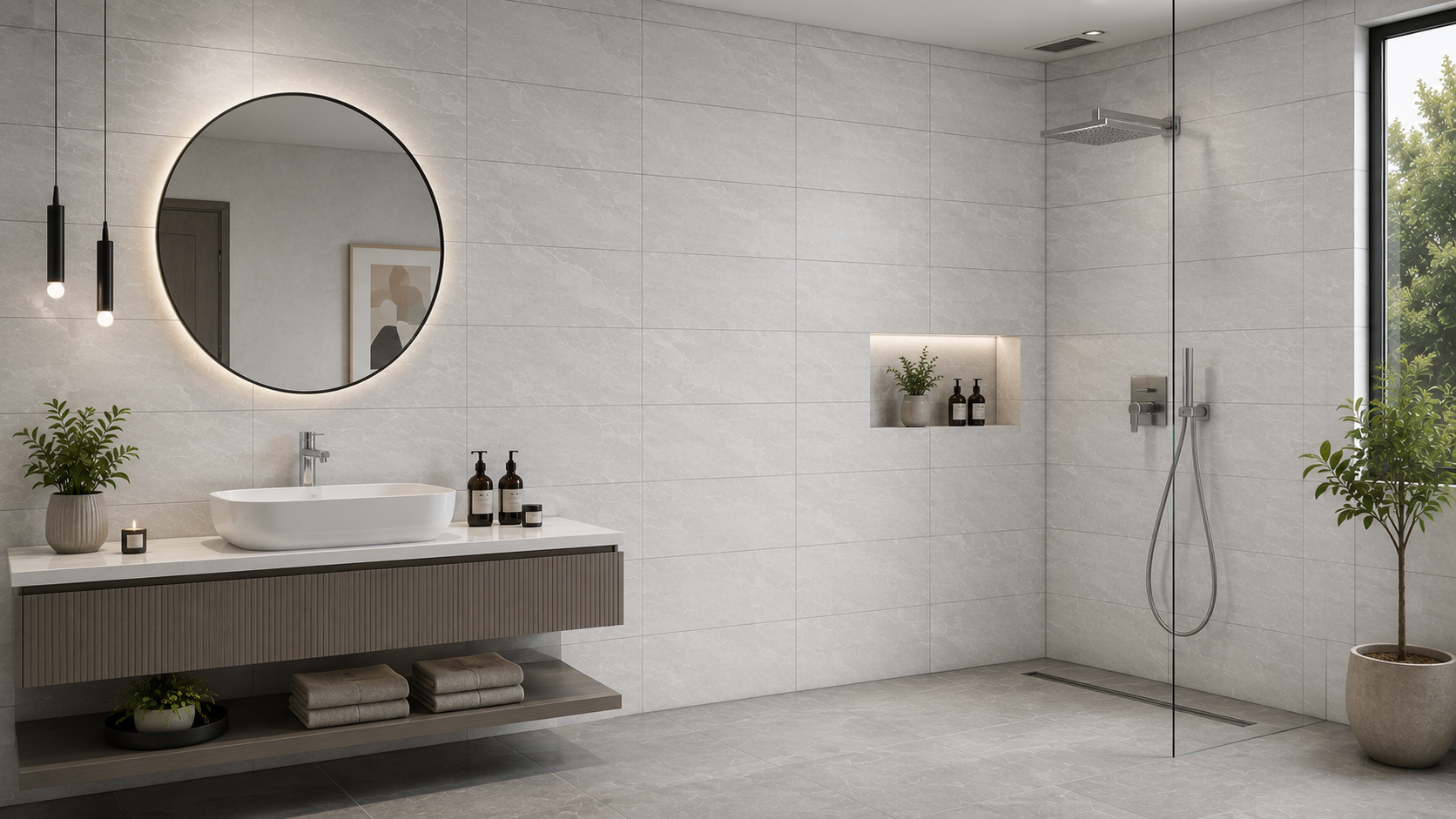
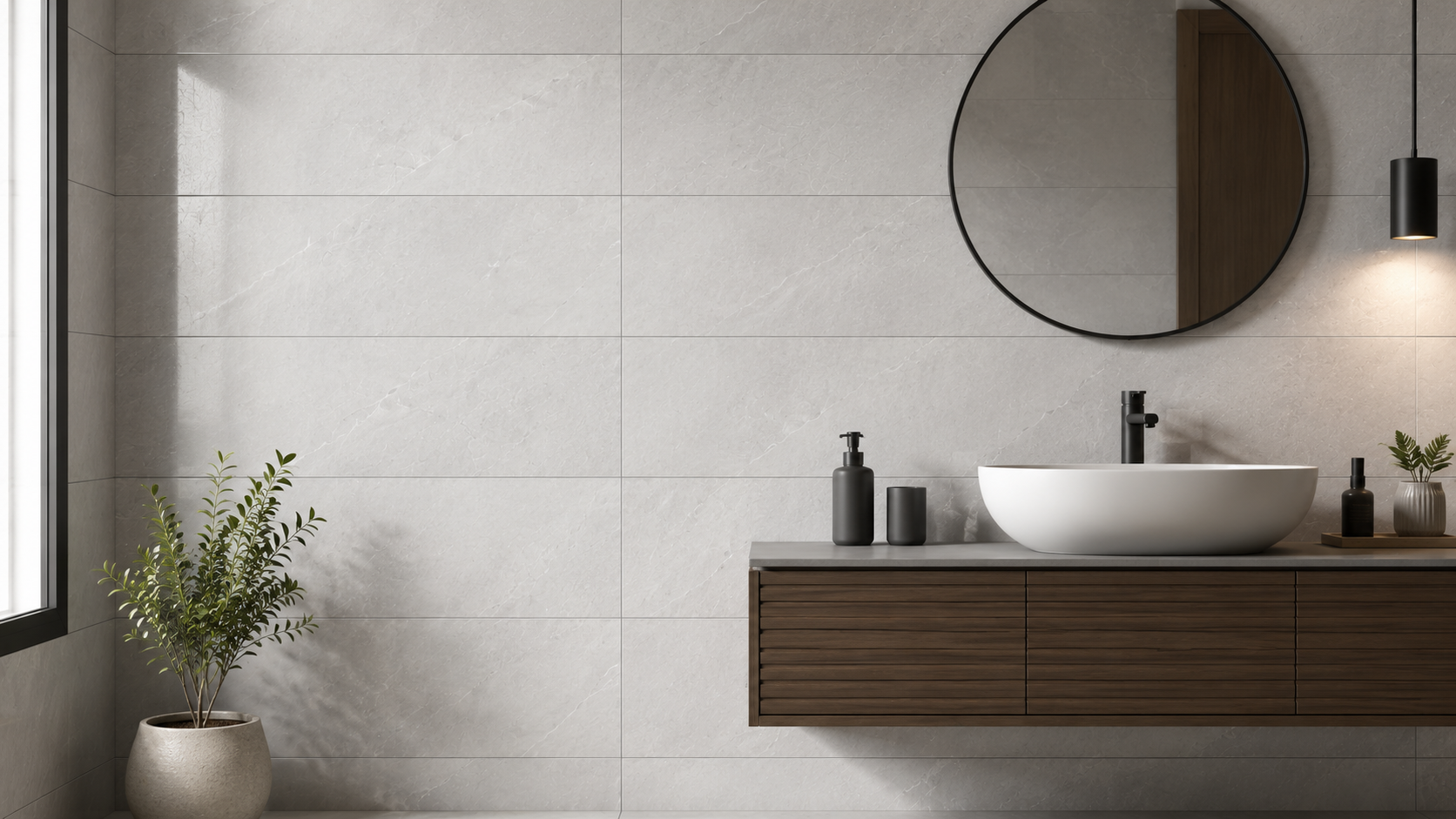
The omega silver color in this tile range typically features a sophisticated gray tone with subtle variations that mimic natural materials like marble or limestone, making it suitable for both contemporary and transitional design schemes.
Frequently asked
The Satin Matt Finish: Benefits and Characteristics
What is a Satin Matt Finish?
A satin matt finish represents a middle ground between high-gloss and completely matte surfaces. This finish provides:
Reduced glare: Unlike glossy tiles, satin matt finishes don't create harsh reflections, making them ideal for spaces with bright natural light
Enhanced grip: The textured surface provides better slip resistance, particularly important in bathroom and kitchen applications
Sophisticated appearance: The subtle sheen adds depth and elegance without appearing overly polished
Easy maintenance: Fingerprints and water spots are less visible compared to high-gloss alternatives
Durability: The surface is less prone to showing wear patterns from foot traffic
Practical Advantages in Indian Climates
In India's diverse climate zones, satin matt finishes offer specific advantages:
In humid regions like coastal areas, the finish resists moisture buildup better than glossy alternatives
In high-temperature areas like Delhi and Rajasthan, the finish doesn't amplify heat reflection
The texture helps maintain consistent appearance despite dust accumulation in drier regions
Specifications and Technical Properties
Material Composition
Omega silver digital ceramic tiles are typically composed of:
High-quality ceramic clay bodies
Feldspar and silica compounds for strength
Digital glaze layer for color and pattern
Protective topcoat for durability and stain resistance
Key Technical Specifications
When selecting these tiles for your project, consider these important specifications:
Water absorption rate: Typically 0.5-3%, making them suitable for wet areas
Breaking strength: Usually exceeds 1300 N, ensuring durability in high-traffic areas
Frost resistance: Important if tiles will be used in outdoor applications or unheated spaces
Chemical resistance: Resistant to common household cleaning agents and mild acids
PEI rating: Typically PEI 3-4, suitable for residential and light commercial use
Thickness and Weight
Standard 300 x 600 mm ceramic wall tiles typically measure:
Thickness: 8-10 mm
Weight per tile: Approximately 2.5-3.5 kg
Coverage per tile: 0.18 square meters
Design Applications and Aesthetic Possibilities
Versatile Layout Patterns
The 300 x 600 mm format enables multiple installation patterns:
Stacked bond: Tiles aligned in straight rows, creating a clean, contemporary look
Running bond: Offset pattern similar to brick laying, adding visual interest
Herringbone: Diagonal arrangement creating dynamic movement
Vertical orientation: Emphasizing height and creating an elegant, elongated effect
Mixed patterns: Combining with other tile sizes for complex designs
Space-Specific Applications
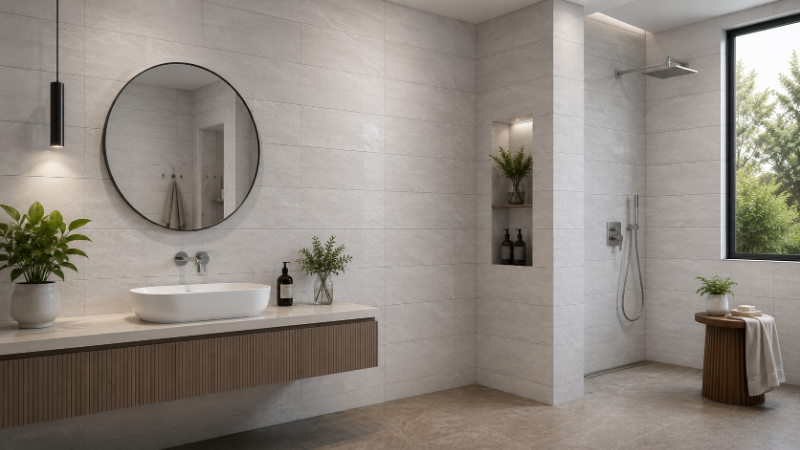
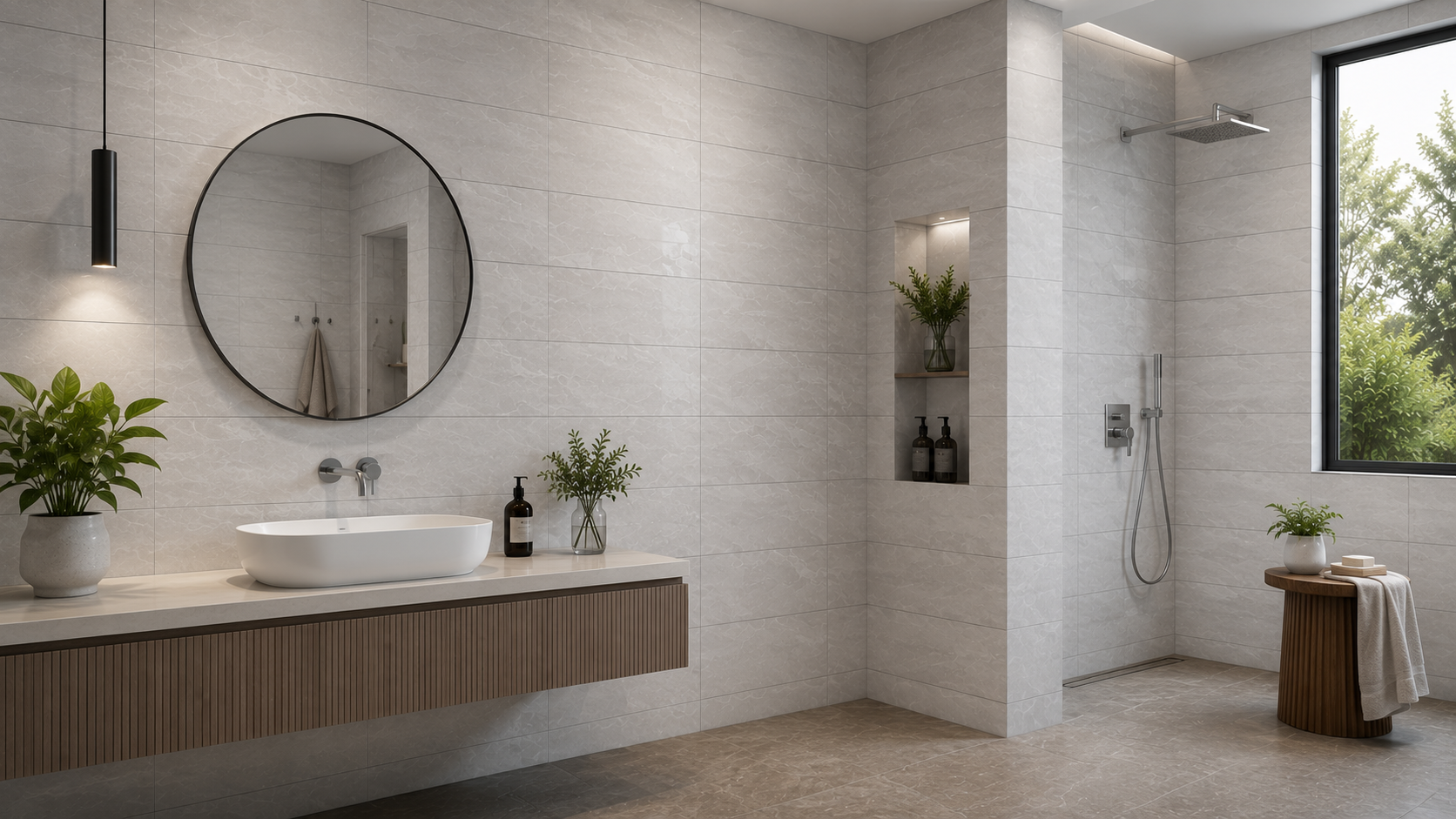
Bathrooms and Wet Areas: The satin matt finish and water-resistant properties make these tiles ideal for bathroom walls. The omega silver tone complements both modern minimalist and warm, spa-like designs.
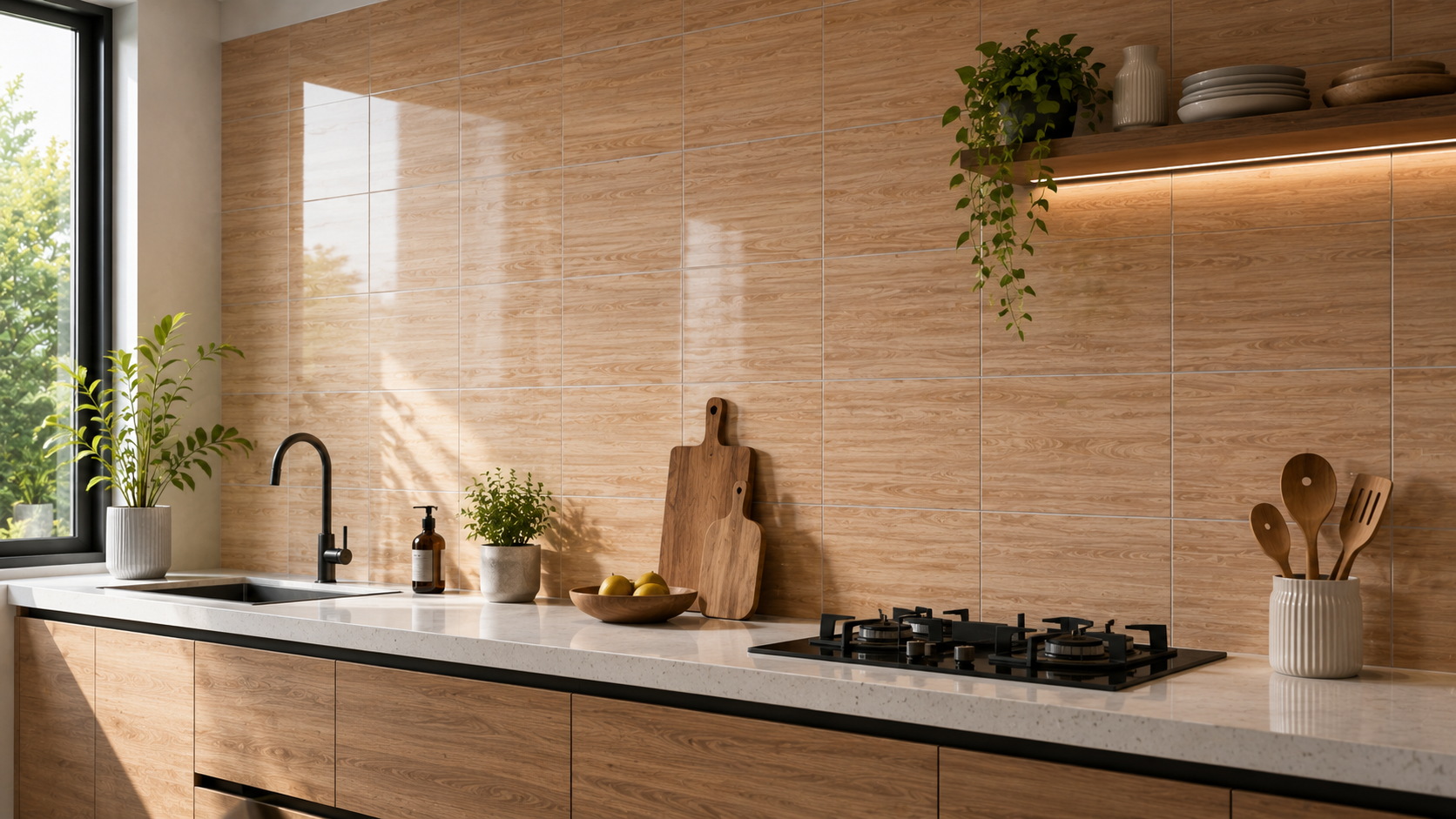
Kitchen Backsplashes: The large format reduces grout lines where cooking splatter can accumulate, making cleaning easier. The digital printing can replicate marble or stone patterns that complement kitchen countertops.
Living Spaces: Feature walls in living rooms or bedrooms benefit from the sophisticated appearance of omega silver tiles. Their neutral tone works with virtually any interior design style.
Commercial Applications: Offices, retail spaces, and hospitality venues in Indian metros like Bangalore and Hyderabad increasingly use these tiles for their professional appearance and durability.
Cost Considerations for Indian Markets
Pricing Structure
In the Indian market, 300 x 600 mm omega silver digital ceramic tiles typically range from:
Budget range: ₹80-120 per tile (basic digital print)
Mid-range: ₹120-200 per tile (higher quality digital reproduction)
Premium range: ₹200-350+ per tile (premium brands with superior finishes)
Since each tile covers 0.18 square meters, the cost per square meter works out to approximately ₹450-1,900 depending on the quality tier selected.
Additional Cost Factors
When budgeting for your project, account for:
Installation costs: ₹50-100 per square meter depending on complexity and location
Grout and adhesives: Budget ₹15-25 per square meter
Wastage: Plan for 5-10% extra tiles for cuts and breakage
Transportation: Varies by location; typically ₹20-50 per square meter
Skilled labor in major cities: Delhi, Mumbai, and Bangalore may have higher labor costs than tier-2 cities
Installation Guidelines and Best Practices
Preparation and Planning
Before installation begins:
Ensure walls are clean, dry, and structurally sound
Check for level and plumb; correct any significant deviations
Plan the layout to minimize cuts and ensure balanced appearance
Allow tiles to acclimatize to room temperature for 24 hours before installation
Prepare the surface with appropriate primer or base coat
Adhesive and Grouting
For optimal results with 300 x 600 mm tiles:
Use high-quality ceramic tile adhesive rated for large format tiles
Apply adhesive using a notched trowel (10-12 mm) in a thin-set method
Ensure full coverage behind each tile to prevent hollow spots
Use epoxy or urethane grout for better stain and moisture resistance
Maintain consistent grout line width (typically 3-5 mm)
Allow proper curing time (24-48 hours) before exposing to moisture
Finishing Touches
Professional installation includes:
Sealing grout lines with appropriate sealant
Installing proper edge trim or finishing profiles
Caulking corners and transitions with flexible sealant
Allowing full cure time before cleaning or heavy use
Maintenance and Longevity
Regular Care Routine
To maintain the appearance and longevity of your omega silver digital ceramic tiles:
Daily cleaning: Wipe with a soft, damp cloth
Weekly maintenance: Use pH-neutral tile cleaner with warm water
Avoid harsh chemicals: Acidic or abrasive cleaners can damage the satin finish
Grout maintenance: Clean grout lines regularly to prevent discoloration
Seal regularly: Reapply grout sealer every 1-2 years
Expected Lifespan
With proper installation and maintenance, these tiles typically last 15-25 years in residential applications and 10-15 years in commercial settings with higher foot traffic.
Comparing with Alternative Tile Options
vs. Porcelain Tiles
While porcelain tiles are denser and more durable, ceramic tiles with digital printing offer better aesthetic flexibility and lower cost, making them ideal for design-focused projects.
vs. Natural Stone
Digital ceramic tiles replicate natural stone appearance at a fraction of the cost, with superior consistency and easier maintenance. Natural stone requires more frequent sealing and is prone to staining.
vs. Vitreous Glass Tiles
While glass tiles offer unique aesthetics, ceramic tiles provide better durability, slip resistance, and are more suitable for high-traffic areas.
Where to Source Quality Tiles in India
When looking for reliable suppliers and installers for your 300 x 600 mm omega silver digital ceramic wall tiles, platforms like AECORD connect you with verified tile suppliers, installers, and design professionals across India. Whether you're sourcing materials in Mumbai, Delhi, Bangalore, or smaller cities, AECORD helps you find professionals who understand the specific requirements of your project.
AECORD's network includes:
Certified tile suppliers and manufacturers
Experienced installation contractors
Interior designers specializing in tile selection
Quality assurance professionals
Regulatory and Quality Standards
Indian Standards
Ensure tiles comply with:
IS 15622: Ceramic tiles for wall covering
IS 15623: Ceramic tiles for floor covering
ISO 13006: International standard for ceramic tiles
Quality Certifications
Look for tiles with certifications from:
Bureau of Indian Standards (BIS)
International Organization for Standardization (ISO)
National Test House (NTH)
Common Installation Mistakes to Avoid
Insufficient adhesive coverage: Results in hollow spots and tile failure
Improper wall preparation: Leads to uneven surfaces and poor tile adhesion
Wrong grout type: Using sand-based grout with large format tiles can cause cracking
Inadequate curing time: Exposing tiles to moisture before adhesive sets properly
Inconsistent grout lines: Affects overall aesthetic quality
Ignoring expansion joints: Can cause tiles to crack in high-temperature areas
Conclusion
300 x 600 mm omega silver digital ceramic wall tiles with satin matt finish represent an excellent choice for architects, designers, and homeowners looking to combine aesthetic sophistication with practical durability. Their large format reduces visual clutter, the digital printing offers unlimited design possibilities, and the satin matt finish provides both elegance and functionality suited to Indian climates and lifestyles.
Whether you're designing a residential bathroom in Bangalore, a commercial office space in Delhi, or a hospitality project in Mumbai, these tiles offer versatility, affordability, and longevity. The key to success lies in proper specification, quality sourcing, professional installation, and consistent maintenance.
Ready to find the right supplier and installation professional for your tile project? Visit AECORD today to connect with verified AECO professionals who can guide you through material selection, provide accurate quotes, and ensure flawless installation. With AECORD's network of trusted professionals across India, you'll have access to the expertise needed to bring your design vision to life with confidence.