

Understanding 300 x 600 mm FEA Earth Crust Glazed Vitrified Wall Tiles: A Comprehensive Guide for Indian Architects and Builders
When it comes to interior wall finishes in modern Indian construction, glazed vitrified tiles have become the go-to choice for architects, interior designers, and builders. Among the most popular specifications in today's market is the 300 x 600 mm FEA Earth Crust glazed vitrified wall tile with matt finish. This specific product category has gained significant traction in residential, commercial, and hospitality projects across major Indian cities like Mumbai, Bangalore, Delhi, and Hyderabad.
In this comprehensive guide, we'll explore everything you need to know about these tiles—from their technical specifications to installation best practices, cost considerations, and design applications specific to the Indian market.
Build cost · Bengaluru, May 2026
What Are 300 x 600 mm Glazed Vitrified Wall Tiles?
Understanding the Dimensions and Format
The 300 x 600 mm format represents a rectangular tile dimension that has become increasingly popular in contemporary Indian interior design. This size offers several advantages over traditional square tiles:
Optimal proportions: The 1:2 aspect ratio creates visual continuity and helps elongate spaces, making rooms appear larger
Reduced grout lines: Fewer grout lines compared to smaller tiles means easier maintenance and a cleaner aesthetic
Modern appeal: The rectangular format aligns with current global design trends while being practical for Indian spaces
Coverage efficiency: Each tile covers 0.18 square meters, making calculation and ordering simpler for builders
The FEA Earth Crust Finish Explained
FEA (Fully Engineered Aesthetics) Earth Crust represents a specific surface treatment that creates a textured, natural appearance reminiscent of natural stone. This finish is achieved through advanced manufacturing processes that:
Replicate the organic texture of natural earth and stone surfaces
Provide depth and character without compromising durability
Create a sophisticated, earthy aesthetic suitable for contemporary and traditional interiors
Offer superior grip compared to highly polished surfaces, making them ideal for bathrooms and kitchens
Frequently asked
Key Technical Specifications and Properties
Glazed Vitrified Tile Composition
Glazed vitrified tiles are manufactured through a process where clay and other raw materials are mixed, molded, and fired at extremely high temperatures (above 1200°C). The glaze layer applied on top creates a non-porous, durable surface. For the 300 x 600 mm format, key technical specifications include:
Water absorption: Less than 0.5% (making them suitable for wet areas)
Thickness: Typically 8-10 mm for wall applications
Compressive strength: 1000+ kg/cm² (ensuring durability under normal use)
Hardness rating: Generally 7-8 on the Mohs scale
Frost resistance: Suitable for Indian climates with temperature variations
Matt Finish Advantages
The matt finish on these tiles offers distinct advantages over glossy alternatives, particularly important for Indian households and commercial spaces:
Reduced glare: Eliminates harsh reflections, making spaces more comfortable for extended periods
Better safety: Provides superior slip resistance, crucial in kitchens and bathrooms
Easier maintenance: Fingerprints and dust are less visible compared to glossy finishes
Contemporary aesthetics: Aligns with modern interior design preferences across India
Versatility: Works equally well in residential, commercial, and hospitality settings
Applications and Design Possibilities
Ideal Spaces for Installation
The 300 x 600 mm FEA Earth Crust glazed vitrified tiles work exceptionally well in various interior spaces:
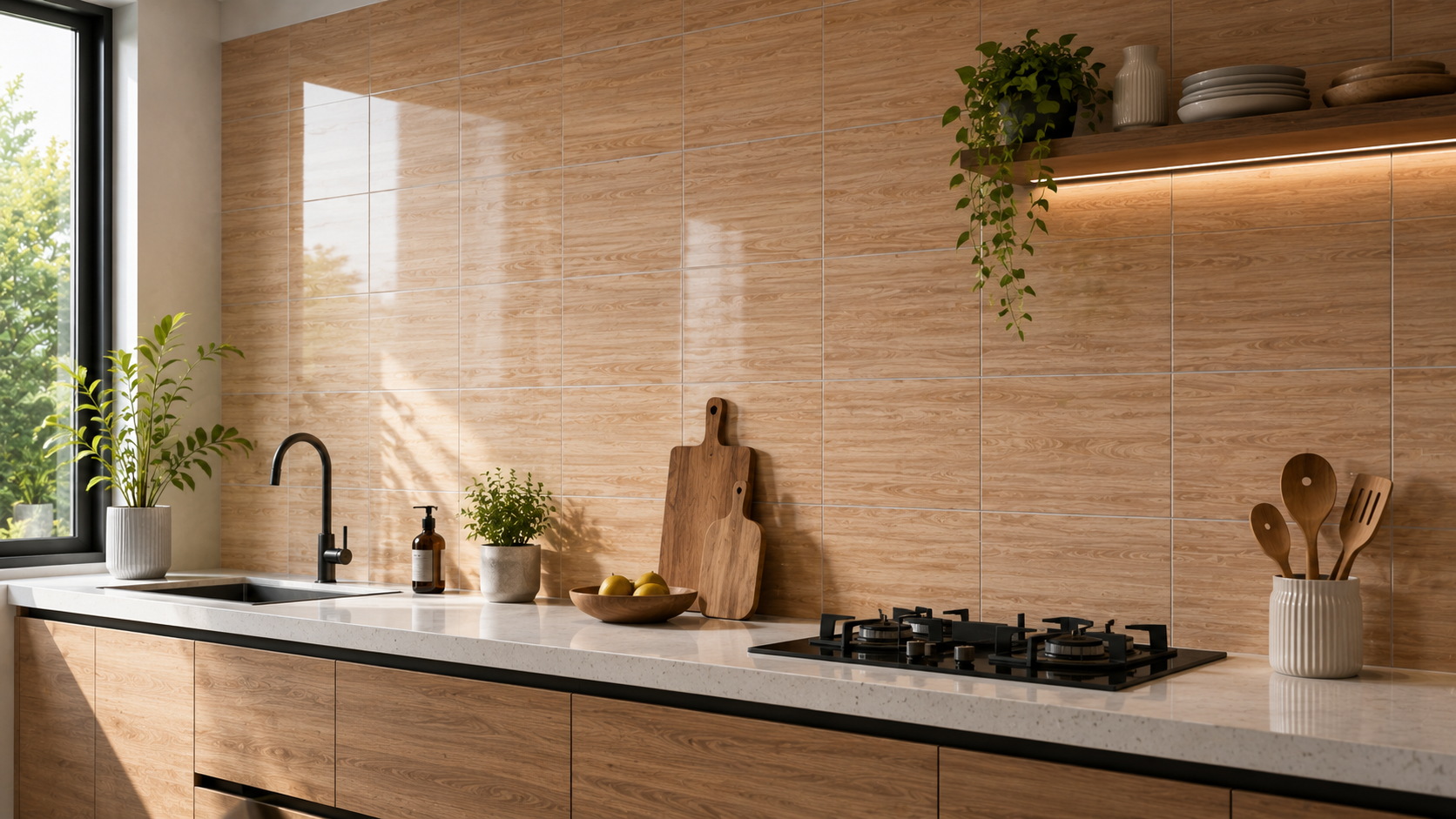
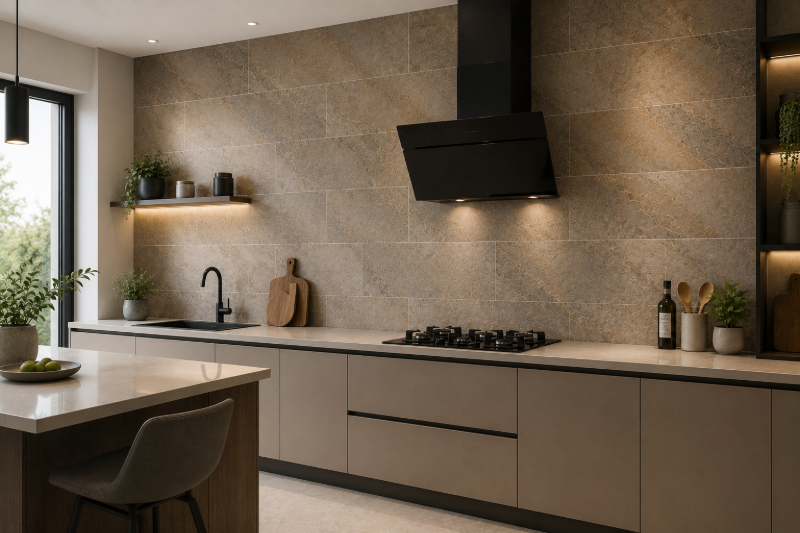
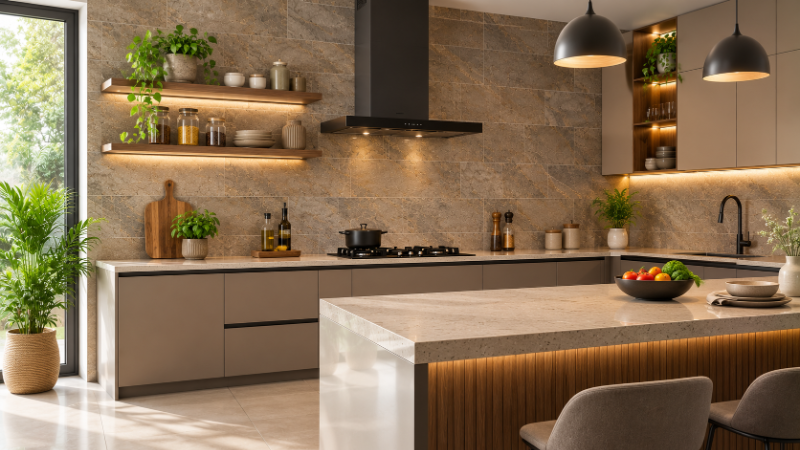
Kitchen Walls: The matt finish and Earth Crust texture create a sophisticated backdrop for modern kitchens. In cities like Mumbai and Bangalore, where contemporary kitchen designs are increasingly popular, these tiles provide the perfect balance of aesthetics and functionality.
Bathroom Walls: The low water absorption and slip-resistant matt finish make these tiles ideal for bathroom applications. They can be used on feature walls or as complete wall coverage.
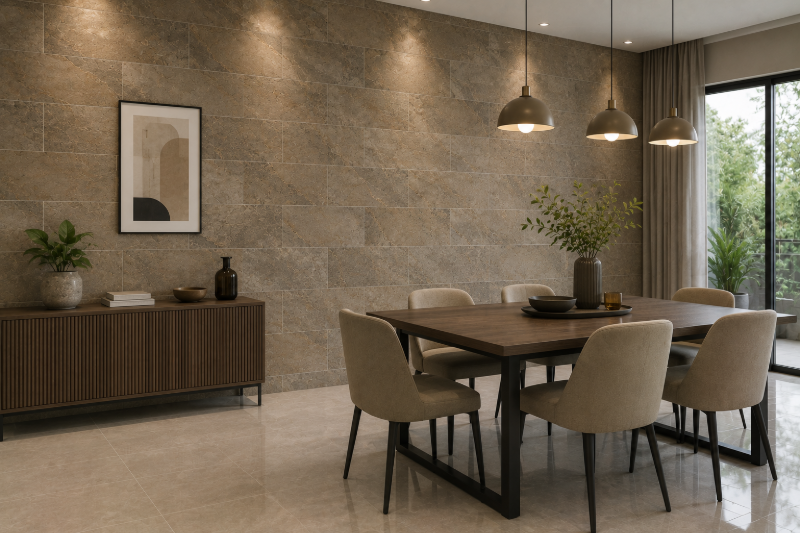
Living Areas and Accent Walls: The Earth Crust texture adds visual interest to living rooms and can create stunning accent walls in residential projects across Indian metros.
Commercial Spaces: Hotels, restaurants, retail stores, and office buildings in cities like Delhi, Hyderabad, and Pune increasingly specify these tiles for their durability and aesthetic appeal.
Design Combinations
When working with 300 x 600 mm tiles, consider these design approaches:
Straight layout: The most economical and visually clean installation pattern
Staggered pattern: Creates visual interest while maintaining structural integrity
Mixed with complementary tiles: Combine with smaller accent tiles or different Earth Crust shades for depth
Horizontal orientation: Emphasizes width and makes spaces feel more spacious
Vertical orientation: Creates height perception and modern visual flow
Cost Considerations for Indian Market
Pricing Structure
Understanding costs is essential for project budgeting. As of 2024, pricing for 300 x 600 mm FEA Earth Crust glazed vitrified tiles in India typically ranges as follows:
Budget options: ₹200-400 per square meter (domestic Indian manufacturers)
Mid-range options: ₹400-700 per square meter (established Indian brands)
Premium options: ₹700-1200 per square meter (imported or premium domestic brands)
Prices vary significantly based on:
Brand reputation and manufacturing standards
Regional availability (tiles manufactured in Morbi, Gujarat tend to be more affordable)
Order quantity and bulk discounts
Delivery location and logistics costs
Market demand in specific regions
Total Project Cost Estimation
For a typical 100 square meter project with 300 x 600 mm tiles, budget allocation should include:
Tile cost: ₹40,000-1,20,000 (depending on quality tier)
Installation labor: ₹150-300 per square meter (₹15,000-30,000 for 100 sq.m.)
Adhesive and grout: ₹3,000-8,000 for 100 sq.m.
Grouting labor: ₹5,000-10,000
Miscellaneous (cutting, wastage, accessories): ₹5,000-15,000
Installation Best Practices
Preparation and Surface Requirements
Proper installation is crucial for long-lasting results. Before installation begins:
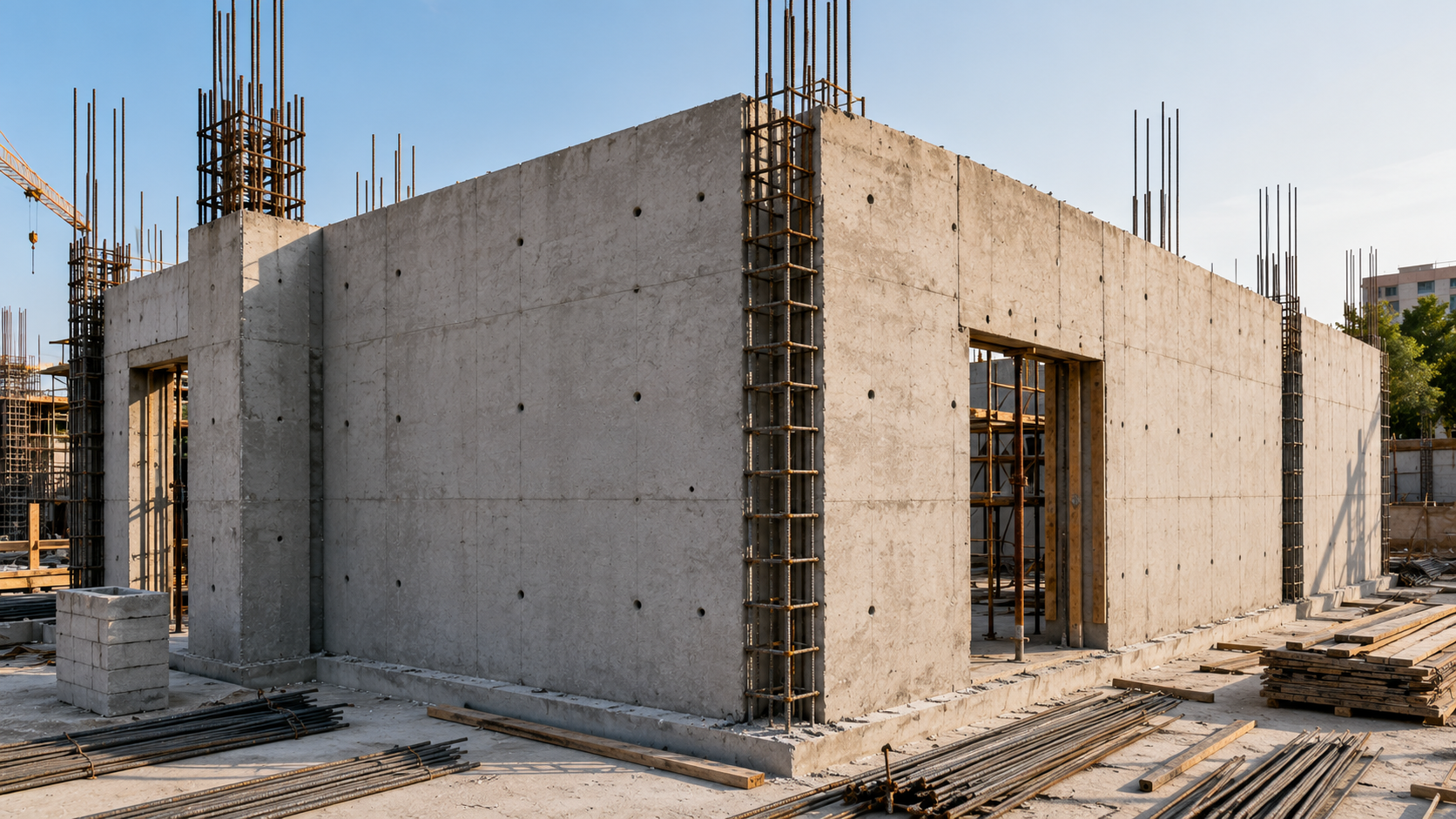
Surface inspection: Ensure walls are clean, dry, and structurally sound
Surface leveling: Walls should not have variations exceeding 3-4 mm over 2 meters
Moisture testing: Conduct moisture content tests, particularly important in humid Indian cities
Primer application: Apply suitable primer to ensure proper adhesive bonding
Layout planning: Plan tile layout to minimize cutting and ensure balanced appearance
Installation Process
Follow these steps for professional installation:
Adhesive selection: Use cement-based or epoxy adhesive specifically rated for wall tiles
Adhesive application: Apply 3-4 mm thick adhesive using a notched trowel (8-10 mm notches for 300x600 tiles)
Tile placement: Press tiles firmly with slight twisting motion to ensure full adhesive contact
Spacing: Maintain 2-3 mm grout joints using spacers for uniform appearance
Curing time: Allow 24-48 hours before grouting (check adhesive manufacturer recommendations)
Grouting: Use epoxy or cement-based grout appropriate for your application
Final curing: Allow 7 days full curing before exposing to water or heavy use
Common Installation Mistakes to Avoid
Insufficient adhesive coverage leading to hollow tiles
Irregular grout joint width affecting overall appearance
Inadequate curing time before water exposure
Using incorrect adhesive type for wall applications
Poor surface preparation causing adhesive failure
Maintenance and Care Guidelines
Daily Maintenance
To keep your 300 x 600 mm glazed vitrified tiles looking pristine:
Wipe down walls regularly with a soft, damp cloth
Use pH-neutral cleaners specifically designed for glazed tiles
Avoid abrasive scrubbers that might damage the glaze
Dry tiles immediately after cleaning to prevent water spots
Long-term Care
Grout maintenance: Inspect grout lines periodically and re-seal annually if needed
Deep cleaning: Use professional tile cleaning services annually for commercial spaces
Damage repair: Replace individual cracked tiles promptly to prevent moisture infiltration
Sealant application: Consider applying penetrating sealant to grout lines in wet areas
Sourcing Quality Tiles Through AECORD
Finding reliable suppliers and installers for 300 x 600 mm FEA Earth Crust glazed vitrified tiles can be challenging, especially with so many options available across India. This is where AECORD, India's leading B2B2C marketplace for AECO professionals, becomes invaluable.
Through AECORD, you can:
Connect with verified tile manufacturers and distributors across India
Compare specifications and pricing from multiple suppliers simultaneously
Access profiles of experienced tile installation contractors
Review past projects and client testimonials
Negotiate bulk orders and secure competitive pricing
Find specialists familiar with your specific city's market and requirements
Whether you're an architect specifying materials for a Mumbai high-rise, a builder managing a residential project in Bangalore, or a designer working on a boutique hotel in Delhi, AECORD connects you with the right professionals who understand the nuances of quality tile selection and installation.
Regulatory Compliance and Standards
Indian Standards
Ensure tiles comply with relevant Indian standards:
IS 15622: Vitrified tiles specification (covers dimensions, water absorption, hardness)
IS 1237: Ceramic glazed tiles specification
IS 9103: Adhesives for tiles
Building Code Compliance
Verify compliance with local building codes in your city. Most Indian municipalities require:
Fire rating compliance for commercial spaces
Slip resistance ratings for wet areas (typically required to be ≥ 0.40)
Structural approval for wall loading capacity
Conclusion
The 300 x 600 mm FEA Earth Crust glazed vitrified wall tile with matt finish represents an excellent choice for modern Indian construction projects. Its combination of aesthetic appeal, durability, and practical functionality makes it suitable for diverse applications across residential, commercial, and hospitality sectors.
By understanding the technical specifications, installation requirements, cost implications, and maintenance needs, you can make informed decisions that result in beautiful, long-lasting interior spaces. Whether you're working on a luxury residential project in Mumbai, a commercial development in Bangalore, or a hospitality venture in Hyderabad, these tiles deliver consistent performance and contemporary aesthetics.
Ready to source the perfect tiles and installation expertise for your project? Visit AECORD today to connect with verified tile suppliers, manufacturers, and installation specialists across India. Our platform makes it easy to find, compare, and collaborate with the right AECO professionals for your specific needs. Let AECORD help you bring your design vision to life with quality materials and expert execution.
Frequently Asked Questions
What does 300x600mm mean for wall tiles and why is this size popular in India?
The 300x600mm format refers to rectangular tiles with a 1:2 aspect ratio that create visual continuity and make rooms appear larger. This size has become popular in Indian construction because it offers fewer grout lines for easier maintenance, better coverage efficiency (0.18 sq meters per tile), and aligns with contemporary global design trends while being practical for Indian spaces.
What is FEA Earth Crust finish on glazed vitrified tiles?
FEA (Fully Engineered Aesthetics) Earth Crust is a textured surface treatment that replicates the organic appearance of natural stone and earth surfaces. This finish provides depth and character while offering superior grip compared to polished surfaces, making it ideal for bathrooms and kitchens in Indian homes.
Are glazed vitrified tiles suitable for wet areas like bathrooms?
Yes, glazed vitrified tiles are excellent for wet areas because they have less than 0.5% water absorption, making them non-porous and highly durable. The matt finish also provides superior slip resistance, which is crucial for safety in kitchens and bathrooms.
What are the advantages of matt finish tiles over glossy tiles?
Matt finish tiles offer reduced glare for better comfort, superior slip resistance for safety, easier maintenance as fingerprints and dust are less visible, and a contemporary aesthetic that aligns with modern Indian interior design preferences. They're particularly practical for high-traffic areas and wet spaces.
What is the typical thickness and durability rating of 300x600mm wall tiles?
These tiles typically measure 8-10mm thick for wall applications with a compressive strength of 1000+ kg/cm² and a hardness rating of 7-8 on the Mohs scale. They also offer frost resistance suitable for Indian climates with temperature variations, ensuring long-term durability in residential and commercial projects.