

Ceramic wall tiles have become an indispensable element of modern interior design, particularly in India where homeowners and commercial spaces are increasingly seeking durable, aesthetically pleasing, and cost-effective wall solutions. Among the vast array of options available in the market, the 300 x 450 mm polygon nero digital ceramic wall tile with satin matt finish stands out as a versatile choice that combines functionality with contemporary design sensibilities. This comprehensive guide explores everything you need to know about this specific tile format, its applications, installation considerations, and how to source quality products in the Indian market. /blog/vitrified-floor-tiles
Understanding the 300 x 450 mm Ceramic Wall Tile Specifications
The 300 x 450 mm dimension represents a medium-sized rectangular tile format that has gained significant popularity in Indian residential and commercial projects. This size offers an optimal balance between visual impact and practical installation requirements, making it suitable for various wall applications without requiring excessive cutting or wastage.
Build cost · Bengaluru, May 2026
Dimensional Advantages of This Size
The 300 x 450 mm format provides several practical advantages for both installers and end-users. The rectangular shape creates dynamic visual patterns when laid in different orientations, whether in running bond, herringbone, or stacked patterns. In Indian projects, this size has proven particularly effective in kitchen backsplashes, bathroom walls, and feature walls in living spaces across cities like Mumbai, Bangalore, Delhi, and Pune.
The moderate tile size reduces the number of joints required compared to smaller tiles, which translates to easier maintenance and a cleaner aesthetic. For a typical bathroom wall of 10 square meters, you would require approximately 75-80 tiles of this dimension, accounting for standard grout joints of 3-4 mm.
Coverage Area and Quantity Calculations
Each 300 x 450 mm tile covers approximately 0.135 square meters (1350 cm²). When planning a project, it's essential to calculate your wall area and add 5-10% additional tiles for breakage, cuts, and future repairs. For instance, a bathroom wall of 15 square meters would require approximately 115-125 tiles, depending on the layout pattern and architectural features.
The Polygon Nero Design: Aesthetic Characteristics
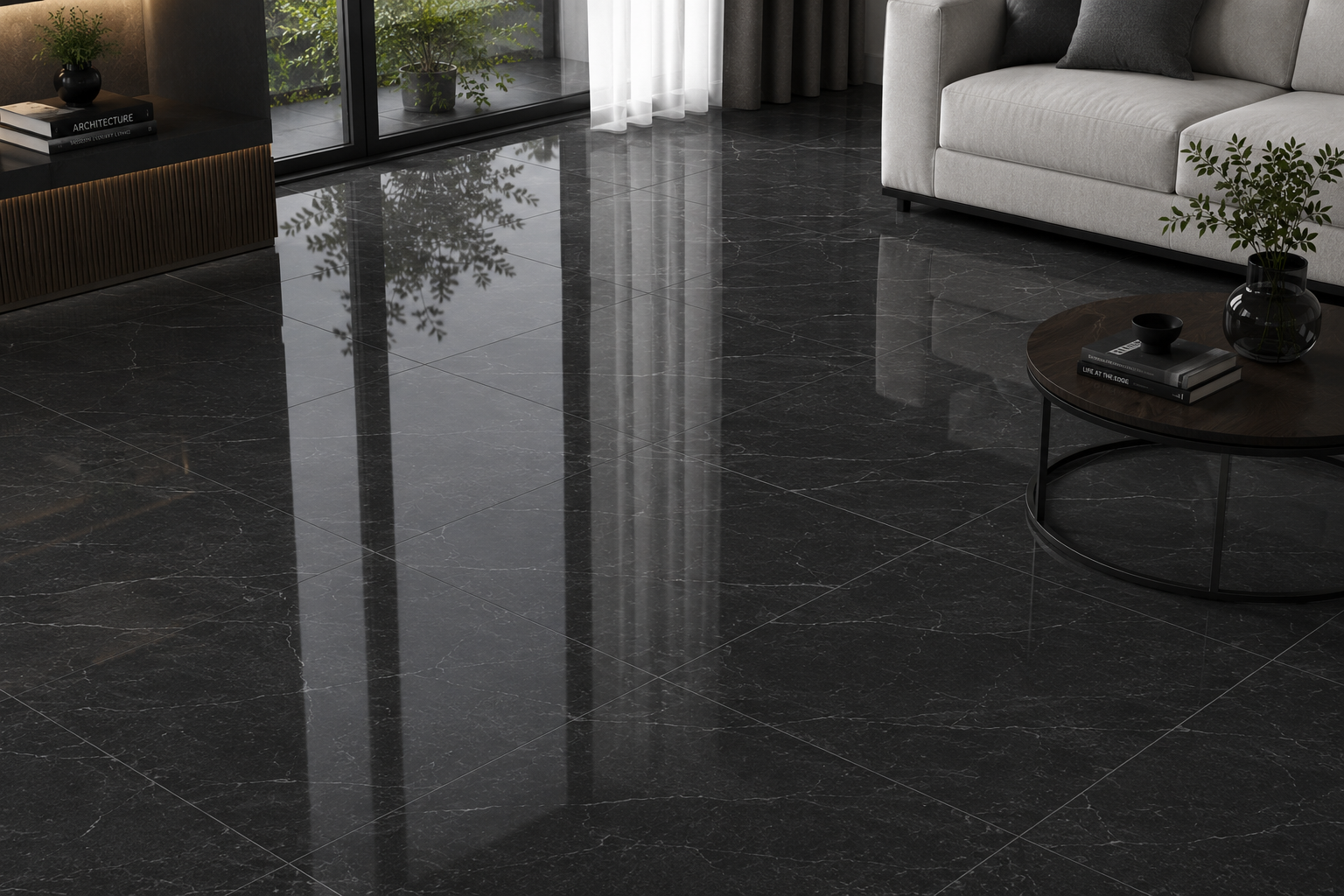
The polygon nero digital ceramic tile design represents a contemporary interpretation of geometric patterns that appeal to modern Indian design preferences. The "polygon" aspect refers to the geometric patterning, while "nero" indicates the dark, sophisticated color palette that works well with both minimalist and eclectic interior schemes.
Frequently asked
Digital Printing Technology
Digital ceramic printing technology allows for precise, high-resolution pattern reproduction on tile surfaces. This manufacturing process enables the creation of intricate geometric designs that would be difficult or impossible to achieve through traditional glazing methods. The polygon nero pattern typically features interconnected geometric shapes in dark tones, creating visual depth and interest without overwhelming the space.
The digital printing process also ensures consistency across batches, which is crucial for large projects. When sourcing tiles through platforms like AECORD, you can verify batch consistency and obtain tiles from the same production run to maintain uniform appearance throughout your installation.
Color and Tone Characteristics
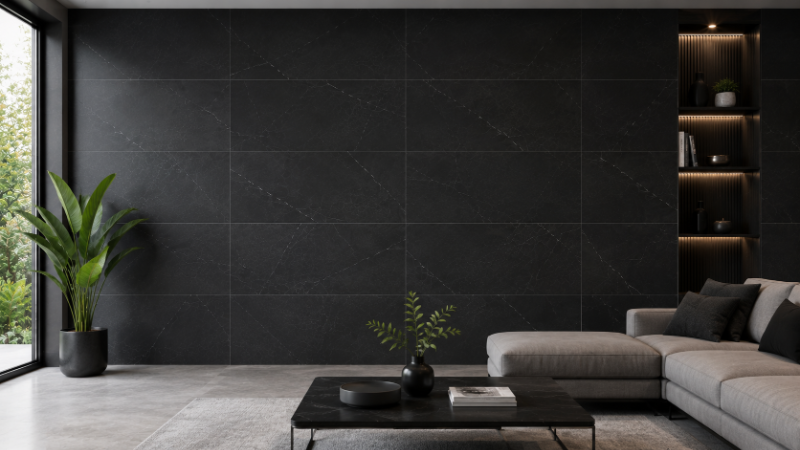
The nero (black) color variant provides versatility in design applications. In Indian homes, this color works particularly well in contemporary, industrial, and minimalist design schemes. The dark tones can make spaces appear more intimate while simultaneously serving as a sophisticated backdrop for lighter furniture and accessories. In commercial applications such as office lobbies and retail spaces, nero tiles convey professionalism and modernity.
Satin Matt Finish: Benefits and Considerations
The satin matt finish is a critical aspect of this tile's appeal and functionality. Unlike glossy finishes that reflect light and can appear slippery, the satin matt finish provides a balanced aesthetic with practical advantages.
What is Satin Matt Finish?
A satin matt finish sits between a completely matte surface and a semi-gloss finish, offering subtle light reflection that enhances the tile's appearance without creating glare. This finish is achieved through specific glazing techniques that create a slightly textured surface at the microscopic level. The result is a sophisticated, contemporary appearance that has become increasingly popular in Indian interior design.
Advantages of Satin Matt Finish
The satin matt finish offers several practical and aesthetic benefits:
Safety: The non-reflective surface provides better slip resistance compared to glossy tiles, making it safer for bathroom and kitchen applications where moisture is present.
Ease of Maintenance: Unlike high-gloss tiles that show fingerprints and water spots readily, satin matt finishes are forgiving and easier to keep clean. A simple damp cloth typically suffices for regular cleaning.
Contemporary Aesthetics: The subtle finish enhances the geometric polygon nero pattern, allowing the design to be appreciated without distracting reflections.
Versatility: This finish complements various interior design styles, from modern minimalist to transitional designs popular in Indian urban homes.
Durability: Quality satin matt glazes are highly durable and resistant to scratching, staining, and fading, ensuring long-term aesthetic appeal.
Maintenance Requirements
Maintaining satin matt finish tiles is straightforward. Regular cleaning with pH-neutral tile cleaners keeps the surface in optimal condition. Avoid acidic cleaners that might dull the finish over time. In Indian climates with high humidity, particularly in coastal cities like Mumbai and Goa, ensure proper ventilation to prevent moisture buildup that could affect grout and tile integrity.
Applications and Installation Scenarios in Indian Homes
The 300 x 450 mm polygon nero ceramic tile is suitable for diverse applications across residential and commercial spaces in India.
Kitchen Applications
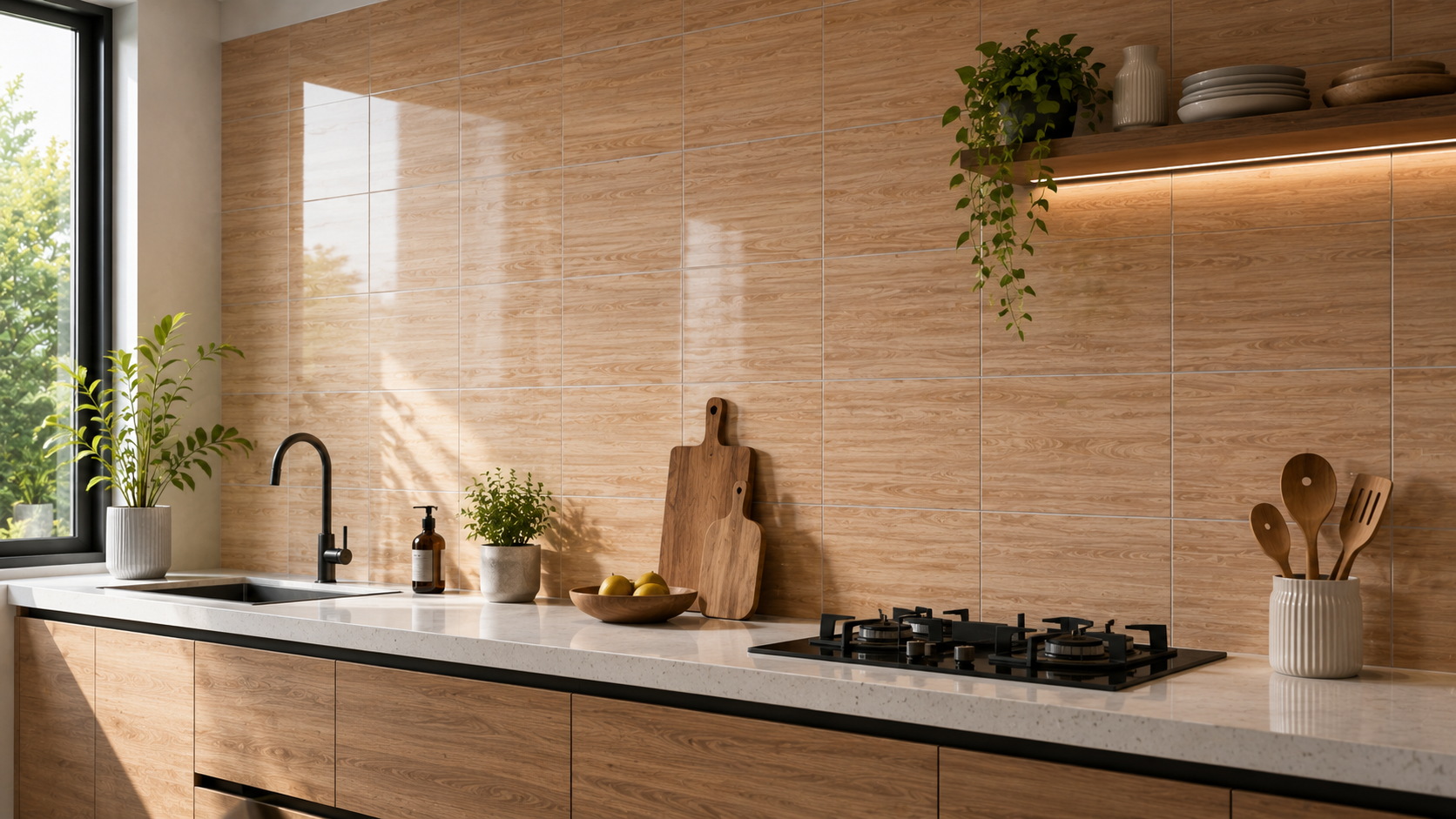
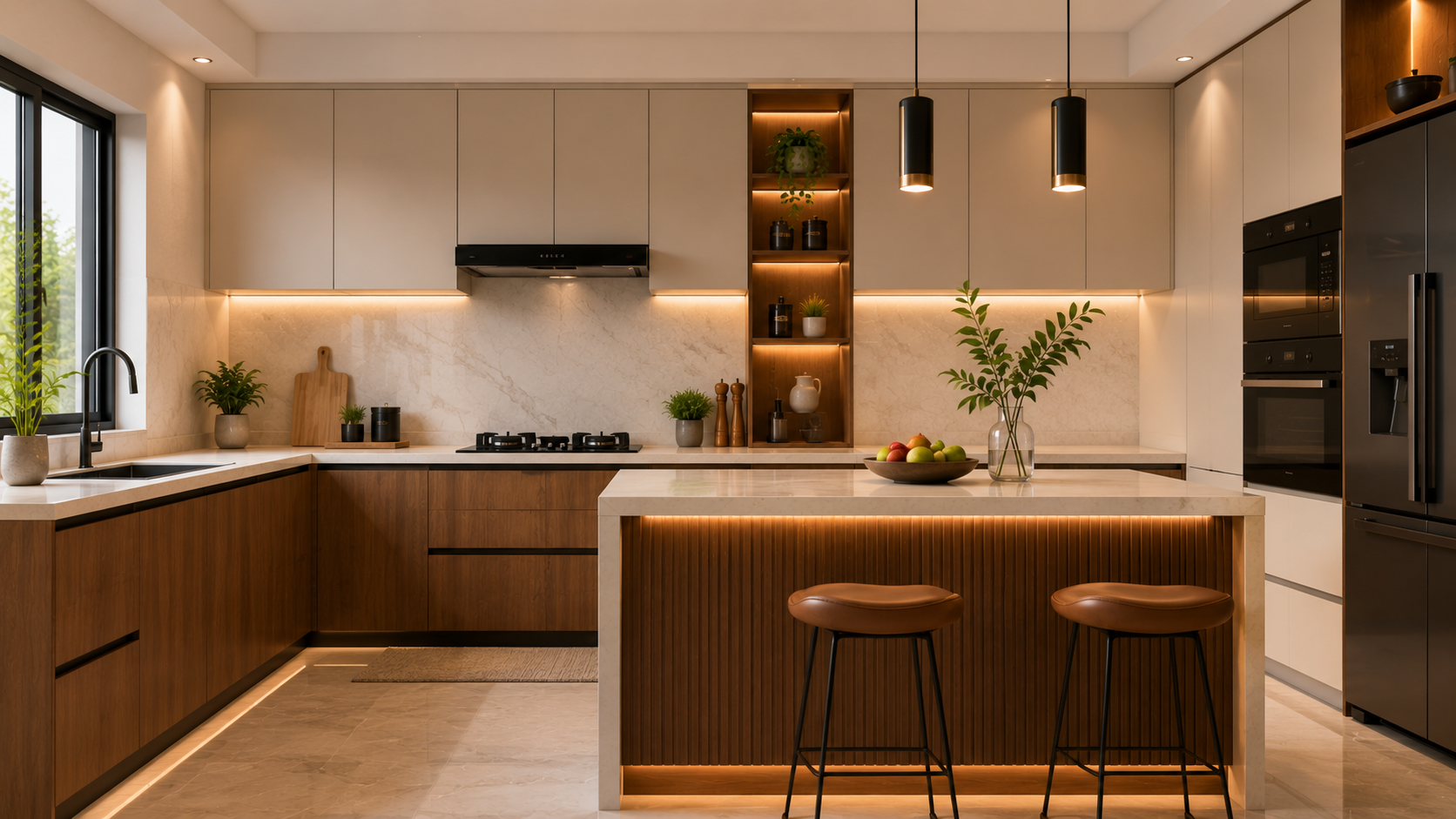
In kitchen backsplashes, these tiles create a sophisticated focal point that protects walls from splashing while contributing to the overall design aesthetic. The satin matt finish resists staining from cooking oils and splashes better than glossy alternatives. In Indian kitchens where traditional cooking methods may produce more smoke and splatter, this tile choice proves particularly practical. The cost typically ranges from ₹150 to ₹400 per tile depending on the manufacturer and quality grade.
Bathroom Installations
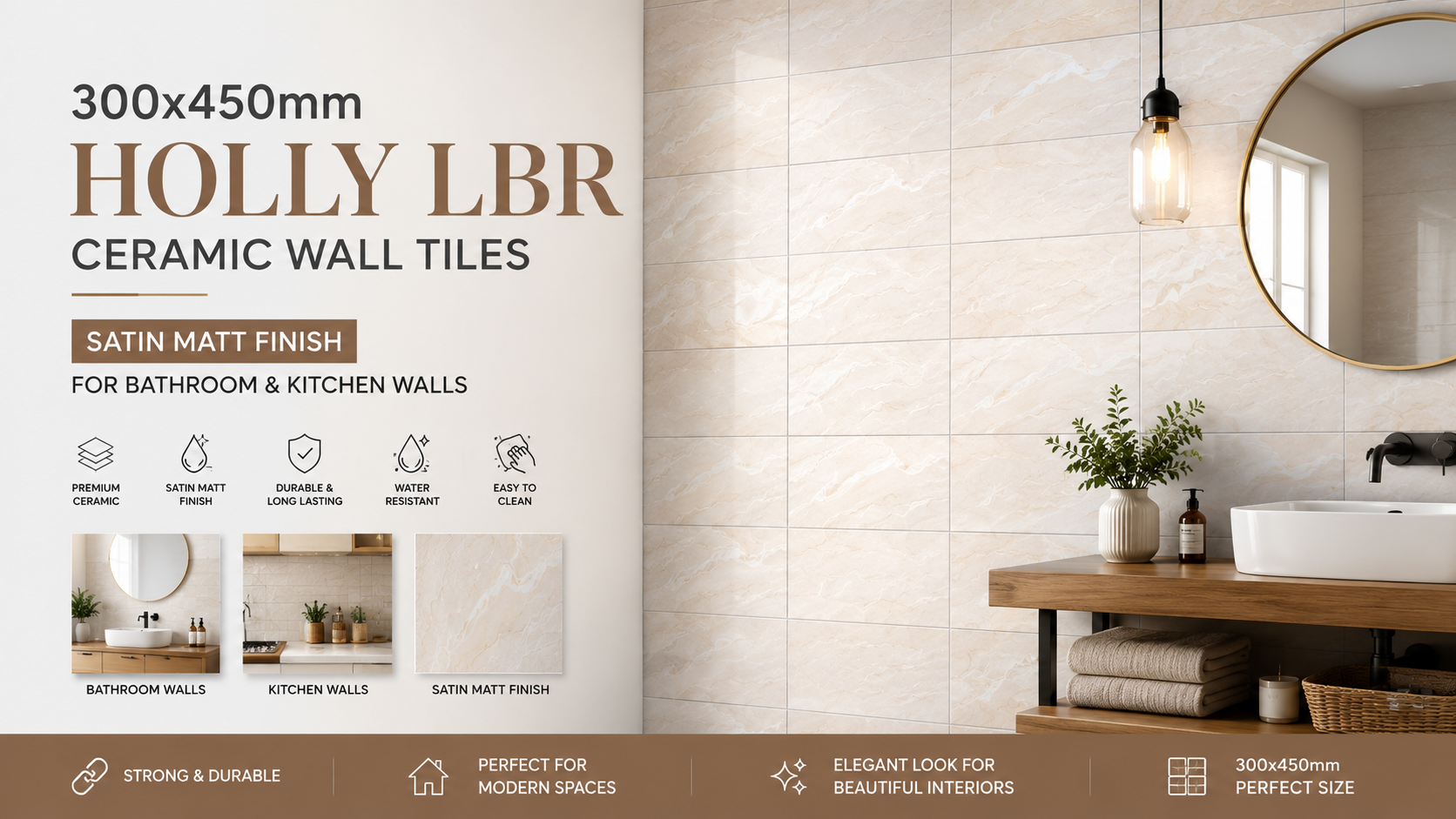
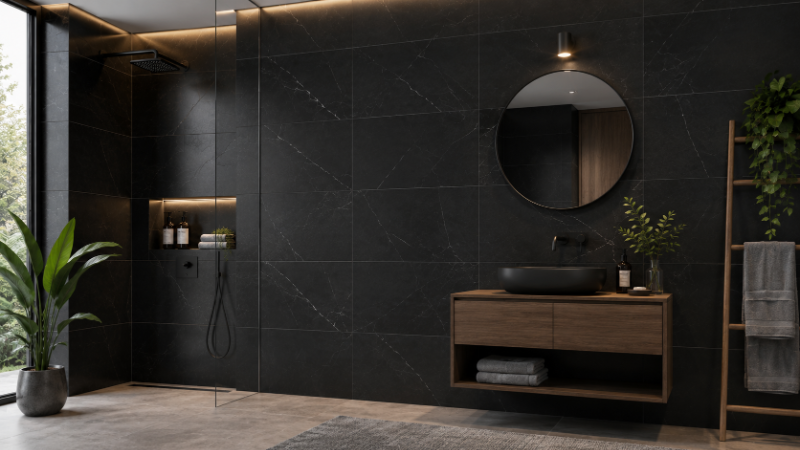
Bathrooms represent one of the primary applications for this tile format. The moisture-resistant properties of quality ceramic tiles, combined with the non-slip satin matt finish, make them ideal for bathroom walls. Whether creating a feature wall around the vanity or covering entire bathroom walls, the 300 x 450 mm size allows for efficient installation with minimal waste.
Feature Walls and Accent Applications
The geometric polygon nero pattern makes these tiles excellent for feature walls in living rooms, bedrooms, and commercial spaces. A single accent wall can dramatically transform a space without the expense of tiling an entire room. This application is particularly popular in metropolitan areas like Bangalore, Delhi, and Hyderabad where contemporary design aesthetics dominate.
Commercial and Retail Spaces
In commercial applications, these tiles are used in office lobbies, retail storefronts, and hospitality spaces. The professional appearance and durability make them cost-effective for high-traffic commercial environments across Indian cities.
Installation Considerations and Best Practices
Proper installation is crucial for achieving optimal results with ceramic wall tiles. While this guide provides general information, hiring qualified professionals is recommended for best outcomes.
Surface Preparation
The substrate must be clean, dry, and structurally sound. For bathroom and kitchen applications, waterproofing membranes should be applied before tile installation. In Indian climates with significant temperature and humidity variations, proper surface preparation prevents tile failure and ensures longevity.
Adhesive Selection
Use high-quality, moisture-resistant tile adhesives rated for wall applications. In India, cement-based adhesives (also called thin-set mortars) are commonly used, though modified thin-sets offer improved flexibility and water resistance. The choice depends on your specific application and local climate conditions.
Grout and Joint Spacing
Standard grout joint spacing for wall tiles typically ranges from 3-4 mm. Using spacers ensures consistent joints that enhance the visual pattern. Epoxy or urethane grouts offer superior water resistance compared to traditional cement-based grouts, particularly important in Indian bathrooms and kitchens.
Curing Time
Allow adequate curing time before exposing tiled surfaces to moisture. Most adhesives require 24-48 hours curing time in standard conditions. In monsoon seasons or high-humidity environments in Indian coastal cities, extending curing time is advisable.
Quality Standards and Certifications
When selecting ceramic tiles, understanding quality standards ensures you're investing in durable products. Indian tiles should comply with Indian Standards (IS) specifications, particularly IS 1237:2008 for ceramic tiles.
Checking for Quality Indicators
Quality ceramic tiles should have:
Uniform color and pattern consistency across tiles
Straight, even edges without chips or cracks
Consistent thickness (typically 6-8 mm for wall tiles)
Water absorption rate below 0.5% for wall tiles
Proper documentation and batch information
When sourcing tiles through AECORD, you can access verified suppliers who provide certified products with proper documentation, ensuring compliance with Indian standards and quality benchmarks.
Cost Considerations in the Indian Market
The pricing for 300 x 450 mm polygon nero ceramic wall tiles varies based on manufacturer, quality grade, and market location. In major Indian cities:
Budget Range: ₹150-₹250 per tile for basic quality ceramic tiles
Mid-Range: ₹250-₹400 per tile for quality branded products
Premium Range: ₹400-₹600+ per tile for premium brands and specialized finishes
For a 15-square-meter bathroom project, total tile costs might range from ₹17,000 to ₹70,000 depending on quality selection. Additional costs include adhesives, grout, waterproofing membranes, and professional installation labor, which typically ranges from ₹30-₹80 per square meter in Indian cities.
Design Inspiration and Styling Tips
The polygon nero ceramic tile offers numerous styling possibilities for Indian homes and commercial spaces.
Monochromatic Schemes
Pairing nero tiles with light-colored fixtures and accessories creates striking contrast. White or cream-colored bathroom fixtures against nero tiles create a contemporary, high-contrast aesthetic popular in modern Indian homes.
Mixed Material Combinations
Combining these tiles with natural materials like wood or stone creates sophisticated, layered interiors. In Indian design contexts, blending traditional materials with contemporary tiles reflects the country's cultural diversity and modern sensibilities.
Lighting Considerations
The satin matt finish interacts beautifully with different lighting conditions. Natural daylight enhances the geometric patterns, while warm artificial lighting creates intimate, sophisticated atmospheres. In Indian homes, considering natural light patterns throughout the day helps optimize tile appearance.
Sourcing Quality Tiles Through AECORD
Finding reliable suppliers for ceramic tiles in India can be challenging given the vast number of manufacturers and distributors. AECORD connects architects, engineers, contractors, and homeowners with verified suppliers across India who provide quality ceramic tiles with proper certifications and warranties.
Through AECORD's platform, you can:
Compare products from multiple suppliers in your city
Verify quality certifications and batch information
Access competitive pricing and bulk discounts
Connect with installation professionals
Review supplier credentials and project portfolios
Environmental and Sustainability Considerations
Modern ceramic tile manufacturing increasingly incorporates sustainable practices. Many Indian manufacturers now use recycled materials, reduce water consumption, and implement energy-efficient production methods. When selecting tiles, inquire about manufacturer sustainability practices—a consideration that's gaining importance among environmentally conscious Indian consumers.
Conclusion and Next Steps
The 300 x 450 mm polygon nero digital ceramic wall tile with satin matt finish represents an excellent choice for contemporary Indian interiors, offering aesthetic appeal, practical functionality, and durability. Whether you're planning a bathroom renovation in Mumbai, a kitchen upgrade in Bangalore, or a commercial project in Delhi, this tile format provides versatile solutions that align with modern design preferences.
To ensure successful project execution, invest time in proper planning, select quality materials, hire experienced installers, and source products from reputable suppliers. AECORD makes this process seamless by connecting you with verified professionals and suppliers across India who can guide you through material selection, installation, and project completion.
Ready to find the perfect tiles and installation professionals for your project? Visit AECORD today to connect with trusted suppliers, contractors, and design professionals in your city. Browse verified listings, compare products and pricing, and get your project started with confidence. Whether you're a homeowner, architect, or contractor, AECORD's marketplace simplifies sourcing quality materials and skilled professionals for your AECO projects across India.
Frequently Asked Questions
What is the coverage area of a 300x450mm ceramic wall tile?
Each 300x450mm tile covers approximately 0.135 square meters (1350 cm²). For a 15 square meter wall, you would need approximately 115-125 tiles, accounting for 5-10% additional tiles for breakage, cuts, and future repairs.
What are the best applications for 300x450mm wall tiles?
This medium-sized rectangular format is ideal for kitchen backsplashes, bathroom walls, and feature walls in living spaces. The size reduces joints compared to smaller tiles, making maintenance easier while creating dynamic visual patterns in running bond, herringbone, or stacked layouts.
What does 'polygon nero digital ceramic' mean?
Polygon nero refers to geometric patterning in dark, sophisticated tones created using digital printing technology. This manufacturing process enables precise, high-resolution pattern reproduction that ensures consistency across batches and creates intricate designs difficult to achieve through traditional glazing methods.
How many 300x450mm tiles do I need for a 10 square meter bathroom?
For a 10 square meter bathroom wall, you would require approximately 75-80 tiles of this dimension, accounting for standard grout joints of 3-4mm and including extra tiles for breakage and cuts.
What interior design styles work best with nero polygon tiles?
The dark nero color works particularly well in contemporary, industrial, and minimalist design schemes. The sophisticated black tones create intimate spaces while serving as a backdrop for lighter furniture and accessories in both residential and commercial applications.