

300 x 450 mm Mist Bianco Ceramic Wall Tile Matt Finish: Complete Guide for Indian Architects and Builders
When it comes to selecting ceramic wall tiles for residential and commercial projects in India, the 300 x 450 mm format has become increasingly popular among architects and interior designers. The Mist Bianco ceramic wall tile with matt finish represents a premium choice that combines aesthetic appeal with practical durability. This comprehensive guide explores everything you need to know about this tile specification, its applications, installation considerations, and where to source quality products in India. /blog/vitrified-floor-tiles
Build cost · Bengaluru, May 2026
Understanding the 300 x 450 mm Tile Specification
Dimensions and Format Benefits
The 300 x 450 mm format is a rectangular tile that has gained significant traction in the Indian construction market over the past five years. This size offers several advantages over traditional square tiles:
Optimal Visual Balance: The 2:3 aspect ratio creates a pleasing visual proportion that works well in both modern and traditional interiors
Space Efficiency: The rectangular format helps elongate walls and create the illusion of larger spaces, particularly beneficial in compact urban Indian homes
Reduced Grout Lines: Fewer tiles are needed to cover the same area compared to smaller formats, resulting in fewer visible grout lines and a cleaner aesthetic
Installation Flexibility: This size can be installed in running bond, stacked bond, or herringbone patterns, allowing designers greater creative freedom
Cost-Effectiveness: The larger format typically requires less labor for installation, reducing overall project costs
Why Mist Bianco is a Popular Choice
The Mist Bianco finish represents a sophisticated approach to white ceramic tiles. Unlike bright white tiles that can appear clinical, Mist Bianco offers a subtle, sophisticated aesthetic with understated elegance. The color palette falls in the off-white to light gray spectrum, making it versatile for various interior design schemes across Indian homes and commercial spaces.
Frequently asked
Matt Finish Characteristics and Advantages
Understanding Matt Surface Texture
The matt (or matte) finish on ceramic tiles refers to a non-glossy surface that diffuses light rather than reflecting it. This characteristic offers several practical and aesthetic benefits:
Reduced Glare: Matt surfaces eliminate the harsh reflections common with glossy tiles, creating a more comfortable environment for extended periods
Slip Resistance: The textured surface provides better grip, making matt finish tiles safer for bathrooms, kitchens, and high-traffic areas
Conceals Imperfections: The non-reflective nature helps hide dust, water spots, and minor surface irregularities better than glossy finishes
Contemporary Aesthetic: Matt finishes align with current design trends in India, offering a more sophisticated and minimalist appearance
Versatile Design Integration: Matt tiles pair well with both traditional and modern design elements
Maintenance Considerations for Matt Finishes
While matt finishes offer numerous advantages, they do require specific maintenance approaches. The textured surface can trap dust and dirt more easily than glossy tiles. Regular sweeping and damp mopping with pH-neutral cleaners will maintain the tile's appearance. Avoid acidic cleaners that may damage the surface over time. For wall applications, a soft cloth and mild detergent solution typically suffice.
Applications of 300 x 450 mm Mist Bianco Tiles in Indian Projects
Residential Applications
In Indian homes, the 300 x 450 mm Mist Bianco tile finds excellent applications in multiple areas:
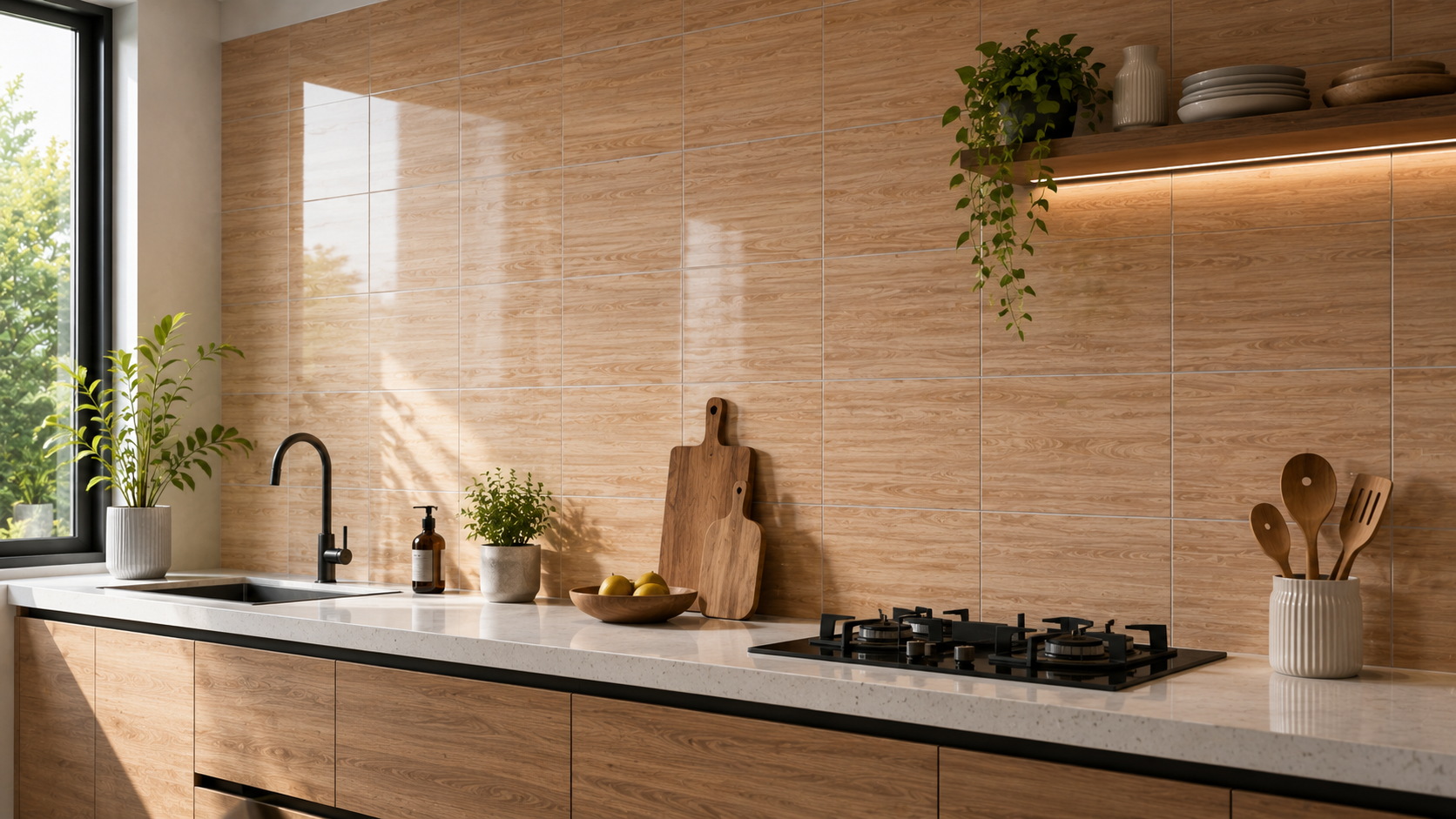
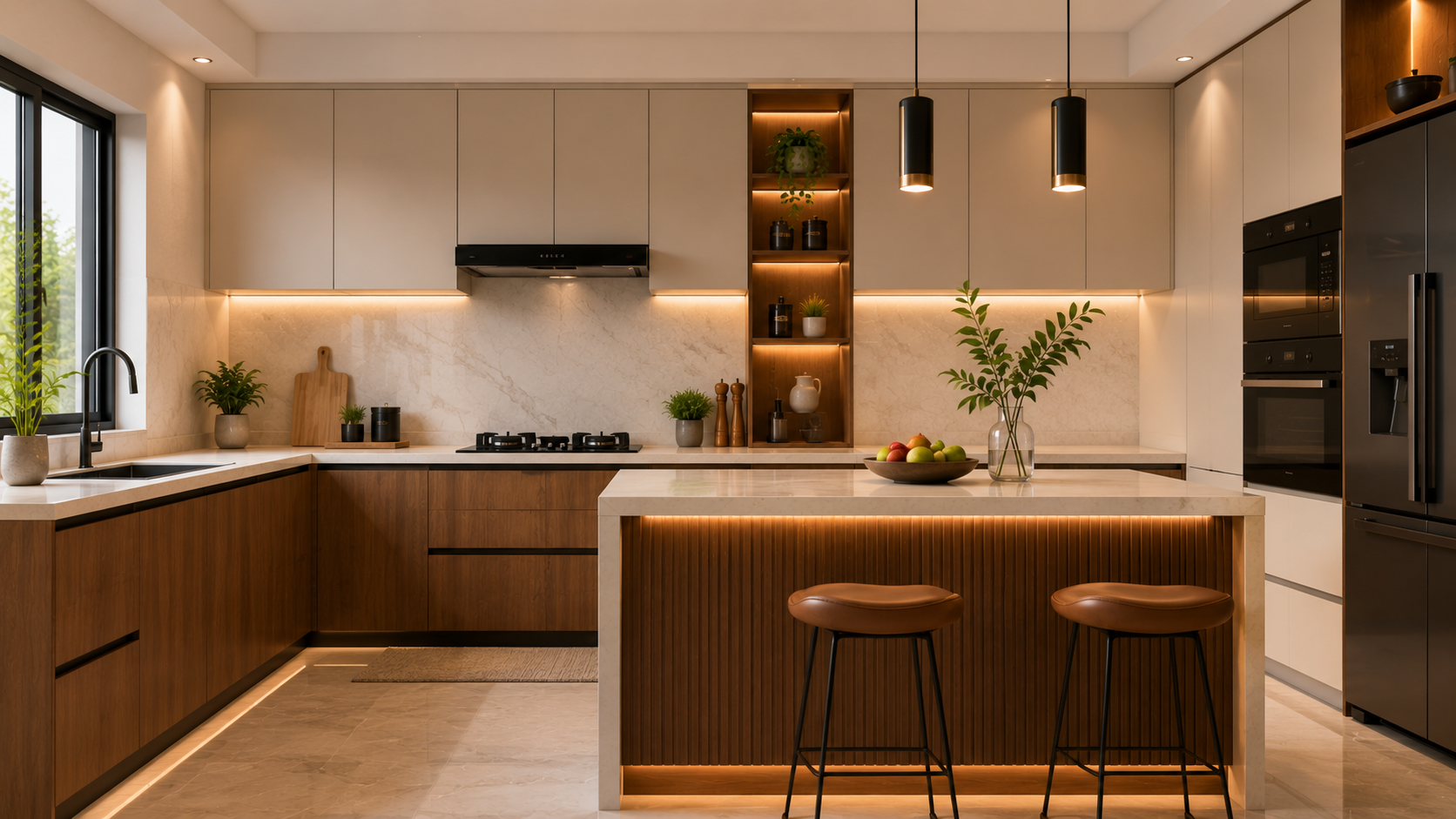
Kitchen Backsplashes: The light color creates an airy feel in kitchens, while the matt finish helps hide cooking splatters better than glossy alternatives. In metropolitan areas like Mumbai, Delhi, and Bangalore, this size is particularly popular for modern kitchen designs.
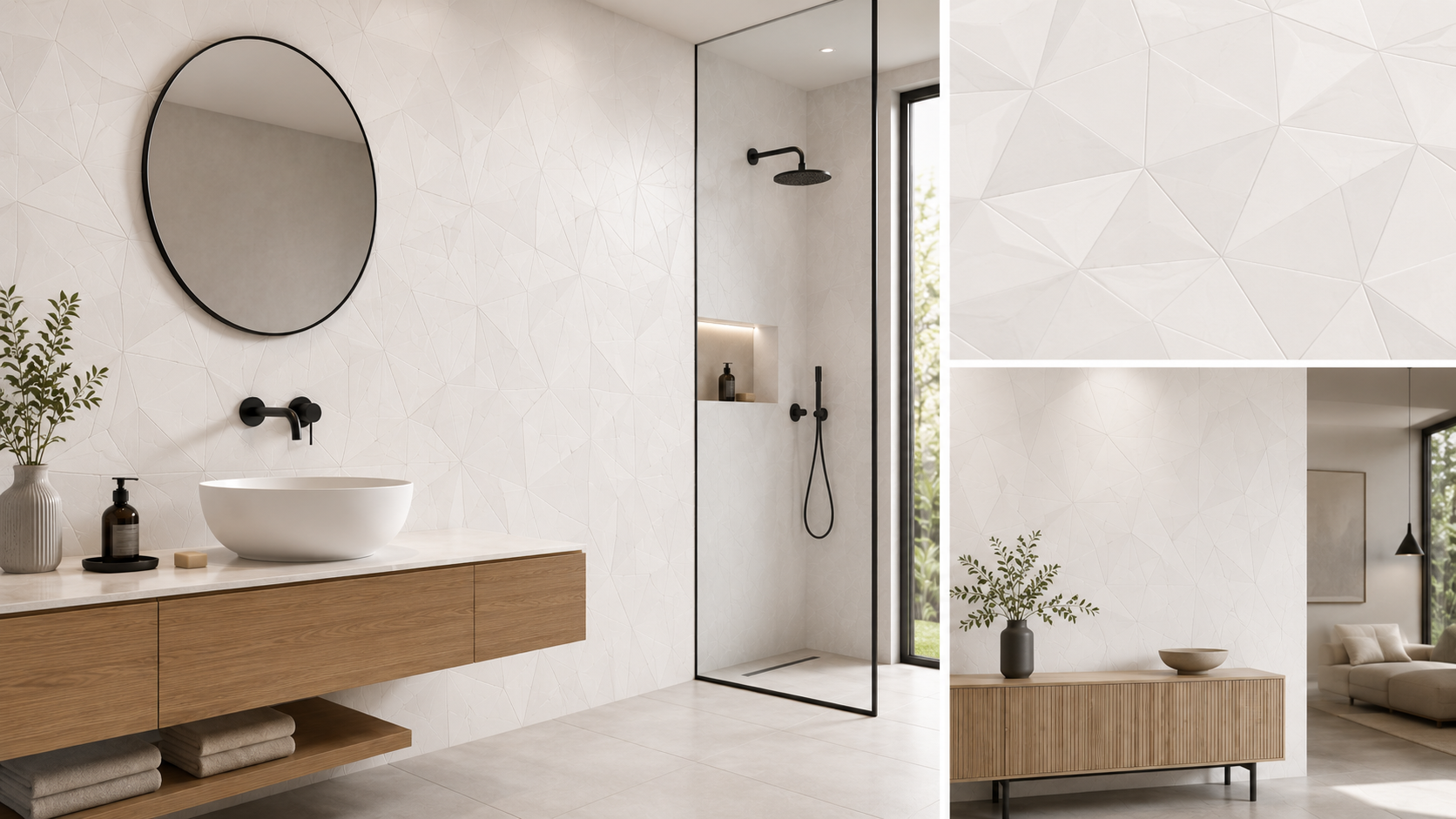
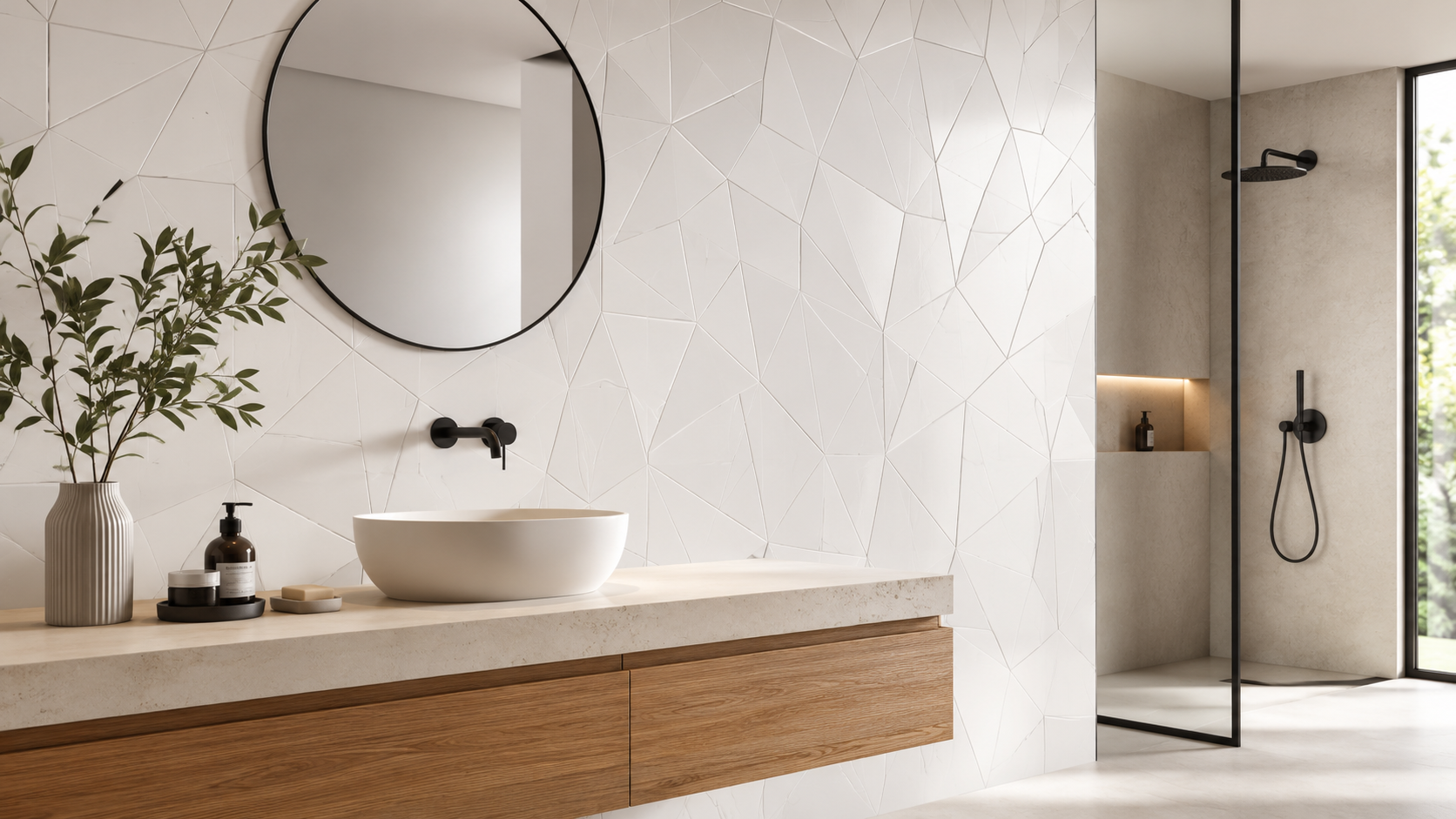
Bathroom Walls: The slip-resistant matt finish makes these tiles ideal for bathroom walls. The rectangular format can be installed horizontally to create a spa-like aesthetic that's increasingly popular in Indian homes.
Living Room Feature Walls: Architects across India are using these tiles to create accent walls in living areas, adding texture and sophistication without overwhelming the space.
Bedroom Wall Treatments: The Mist Bianco color provides a calming backdrop for bedrooms, while the matt finish creates a less institutional feel compared to glossy alternatives.
Commercial and Hospitality Applications
Beyond residential use, these tiles are extensively employed in commercial projects throughout India:
Hotel and Resort Interiors: The sophisticated aesthetic suits hospitality design requirements
Office Spaces: Corporate offices in Bangalore, Hyderabad, and Pune increasingly specify this format for professional environments
Retail Establishments: The clean, contemporary look appeals to retail designers
Healthcare Facilities: The light color and easy-to-clean surface make these tiles suitable for clinics and hospitals
Educational Institutions: Schools and colleges use these tiles for their durability and aesthetic appeal
Technical Specifications and Quality Standards
Ceramic Tile Standards in India
Quality ceramic tiles in India must comply with Indian Standards (IS) specifications. The 300 x 450 mm Mist Bianco tile should meet the following criteria:
IS 15622:2006: Vitrified Tiles Standard for dimensional accuracy and surface quality
Water Absorption: Typically less than 0.5% for high-quality ceramic wall tiles
Modulus of Rupture: Minimum 35 MPa for wall tiles
Coefficient of Linear Thermal Expansion: Should be compatible with Indian climate variations
Chemical Resistance: Resistant to common household and commercial cleaning agents
Durability Expectations
When properly installed and maintained, 300 x 450 mm ceramic wall tiles typically last 15-20 years or more. The matt finish may show slight wear in high-traffic areas, but quality tiles maintain their appearance significantly better than inferior products. Investing in tiles from reputable manufacturers ensures better longevity and performance.
Installation Guidelines for Optimal Results
Preparation and Substrate Requirements
Proper installation begins with adequate surface preparation:
Surface Flatness: Walls must be reasonably flat (within 3mm over 2 meters) to prevent lippage and uneven grout lines
Cleanliness: Remove all dust, loose paint, and debris before applying adhesive
Moisture Control: In Indian climates with high humidity, ensure proper waterproofing before tiling, especially in bathrooms
Temperature: Avoid installation during extreme heat or cold, as this affects adhesive curing
Adhesive and Grout Selection
The choice of adhesive significantly impacts the longevity of your tile installation:
Adhesive Recommendations: Use cement-based adhesives specifically formulated for ceramic wall tiles. Thin-set mortars with polymer additives provide better flexibility and water resistance. In India's varying climate conditions, modified thin-set adhesives offer superior performance.
Grout Selection: For 300 x 450 mm tiles, grout joint widths typically range from 2-5mm. Epoxy grout offers superior stain resistance and durability, though it's more expensive. Cement-based grout is more economical and sufficient for most applications when properly sealed.
Installation Techniques
Professional installation ensures optimal results:
Apply adhesive with a notched trowel (typically 10mm x 10mm for this tile size) to create consistent ridges
Use spacers to maintain uniform grout joint widths throughout installation
Install tiles in a running bond or stacked pattern depending on design requirements
Check for lippage (uneven surfaces) every few tiles and adjust as needed
Allow adhesive to cure for 24 hours before grouting
Apply grout carefully, working diagonally across tiles to avoid pulling grout from joints
Seal grout joints after 72 hours of curing, particularly important in moisture-prone areas
Cost Considerations in the Indian Market
Pricing Structure
As of 2024, 300 x 450 mm ceramic wall tiles in India typically range from ₹150 to ₹400 per square meter, depending on brand, quality, and finish. The Mist Bianco matt finish tiles generally fall in the mid-to-premium range of ₹250-₹350 per square meter for quality products.
Price Variations by Region:
Metropolitan Areas: Delhi, Mumbai, and Bangalore typically have higher prices (₹300-₹400/sqm) due to increased demand
Tier-2 Cities: Cities like Pune, Hyderabad, and Ahmedabad offer moderate pricing (₹250-₹320/sqm)
Tier-3 Cities: Smaller cities may have slightly lower prices but reduced product availability
Installation Costs
Labor costs for tile installation in India range from ₹50-₹150 per square meter, depending on location, complexity, and contractor expertise. Larger format tiles like 300 x 450 mm typically cost slightly less per square meter to install compared to smaller tiles due to reduced labor time.
Finding Quality Suppliers and Professionals
Sourcing Tiles Through AECORD
When selecting 300 x 450 mm Mist Bianco ceramic wall tiles for your project, connecting with verified suppliers is crucial. AECORD, India's leading B2B2C marketplace for AECO professionals, provides access to vetted tile manufacturers, distributors, and installation specialists across India. Through AECORD's platform, you can compare products, specifications, and pricing from multiple suppliers, ensuring you source quality materials at competitive rates.
The marketplace also connects you with experienced tile contractors and installation specialists who understand the specific requirements for this tile format and can ensure proper installation according to Indian standards.
What to Look for in Suppliers
Certifications: Verify that suppliers provide tiles meeting IS 15622:2006 standards
Quality Consistency: Request samples and inspect for color uniformity and surface quality
Warranty: Reputable suppliers offer 2-5 year warranties covering manufacturing defects
Technical Support: Choose suppliers who provide installation guidance and maintenance recommendations
Delivery Reliability: Ensure suppliers can meet your project timeline and delivery requirements
Design Inspiration and Styling Tips
Color Coordination
The Mist Bianco finish works beautifully with various color schemes popular in Indian interiors:
Neutral Palettes: Pair with warm beiges and soft grays for sophisticated, calming spaces
Bold Accents: Combine with deep blues, emerald greens, or terracotta for contemporary contrast
Minimalist Designs: Use exclusively with white and light gray for clean, modern aesthetics
Warm Tones: Complement with wooden elements and warm lighting for inviting spaces
Layout Patterns
The rectangular 300 x 450 mm format allows for creative installation patterns:
Running Bond: The most common pattern, creating a brick-like appearance that elongates spaces
Stacked Bond: Tiles aligned vertically and horizontally, creating a grid pattern suitable for contemporary designs
Herringbone: A diagonal pattern that adds visual interest and sophistication
Mixed Formats: Combine with smaller accent tiles to create feature walls
Maintenance and Long-Term Care
Daily Cleaning Practices
Proper maintenance extends the life and beauty of your Mist Bianco tiles:
Sweep or vacuum regularly to remove dust and debris
Wipe with a damp cloth using mild detergent solutions
Avoid acidic cleaners that may affect the tile surface
Immediately clean spills to prevent staining, particularly in kitchen applications
Use pH-neutral tile cleaners specifically designed for ceramic surfaces
Periodic Maintenance
Every 6-12 months, perform deeper maintenance:
Deep clean grout lines using a soft brush and appropriate cleaner
Reapply grout sealer to maintain water resistance
Inspect for any damaged tiles or grout deterioration
Address any moisture issues promptly to prevent mold growth
Conclusion
The 300 x 450 mm Mist Bianco ceramic wall tile with matt finish represents an excellent choice for architects, designers, and builders throughout India. Its sophisticated aesthetic, practical durability, and versatile applications make it suitable for diverse residential and commercial projects. Whether you're designing a modern apartment in Mumbai, a boutique hotel in Goa, or a corporate office in Bangalore, these tiles offer the quality and style expected in contemporary Indian interiors.
To ensure your project succeeds, invest time in selecting quality tiles from reputable suppliers and engage experienced professionals for installation. The long-term satisfaction and durability of your tiled surfaces depend on these initial decisions.
Ready to Find Quality Tile Suppliers and Installation Professionals?
Connect with verified AECORD members who specialize in premium ceramic tiles and professional installation services. Browse our comprehensive directory of tile suppliers, distributors, and skilled contractors across India. Whether you're sourcing materials for a small residential bathroom or a large commercial project, AECORD connects you with the right professionals to bring your vision to life. Visit AECORD today to explore options, compare quotes, and ensure your project receives the quality materials and expert craftsmanship it deserves.
Frequently Asked Questions
What are the advantages of 300 x 450 mm tiles over smaller tile formats?
The 300 x 450 mm rectangular format offers a pleasing 2:3 aspect ratio that creates visual balance, requires fewer tiles to cover the same area (reducing grout lines), and typically costs less in labor during installation. This size also helps elongate walls and create the illusion of larger spaces, making it particularly beneficial for compact urban Indian homes.
Why is Mist Bianco better than bright white ceramic tiles?
Mist Bianco offers a sophisticated off-white to light gray aesthetic that avoids the clinical appearance of bright white tiles. This subtle finish is more versatile for various interior design schemes and aligns with contemporary design trends in India, providing a more minimalist and elegant look.
What are the main benefits of matt finish ceramic tiles?
Matt finish tiles reduce glare and harsh reflections, provide better slip resistance making them safer for bathrooms and kitchens, and effectively conceal dust and water spots. They also offer a contemporary aesthetic that pairs well with both traditional and modern design elements.
How do you maintain and clean matt finish ceramic tiles?
Matt finish tiles should be regularly swept and damp mopped with pH-neutral cleaners to maintain their appearance. Avoid acidic cleaners that may damage the surface, and for wall applications, use a soft cloth with mild detergent solution to preserve the tile's finish.
What installation patterns work best with 300 x 450 mm rectangular tiles?
The 300 x 450 mm format can be installed in running bond, stacked bond, or herringbone patterns, giving architects and designers greater creative freedom. This installation flexibility allows for various aesthetic options while maintaining structural integrity.