

30 cm x 45 cm Malaga Beige Ceramic Wall Tile Matt Finish: Complete Guide for Indian Architects and Designers
When it comes to selecting the right wall tiles for residential and commercial projects in India, the 30 cm x 45 cm Malaga Beige ceramic wall tile with matt finish (Model) has emerged as a popular choice among architects, interior designers, and construction professionals. This comprehensive guide explores everything you need to know about this specific tile variant, from its specifications and aesthetic qualities to installation best practices and cost considerations for the Indian market.
Build cost · Bengaluru, May 2026
Understanding the 30 cm x 45 cm Malaga Beige Ceramic Tile
Tile Specifications and Dimensions
The 30 cm x 45 cm format represents a rectangular tile dimension that has gained significant traction in Indian interior design projects over the past five years. This size falls into the mid-range category of ceramic tiles, offering a balanced approach between larger format tiles (which can be challenging to handle and install) and smaller tiles (which require more grouting and labor).
The dimensions break down as follows:
Length: 45 cm (approximately 18 inches)
Width: 30 cm (approximately 12 inches)
Aspect Ratio: 1.5:1, creating an elongated rectangular appearance
Typical Thickness: 8-10 mm for wall applications
This rectangular format is particularly versatile for creating visual interest on walls without overwhelming smaller spaces, making it ideal for kitchens, bathrooms, and feature walls across Indian homes and offices.
The Malaga Beige Color Profile
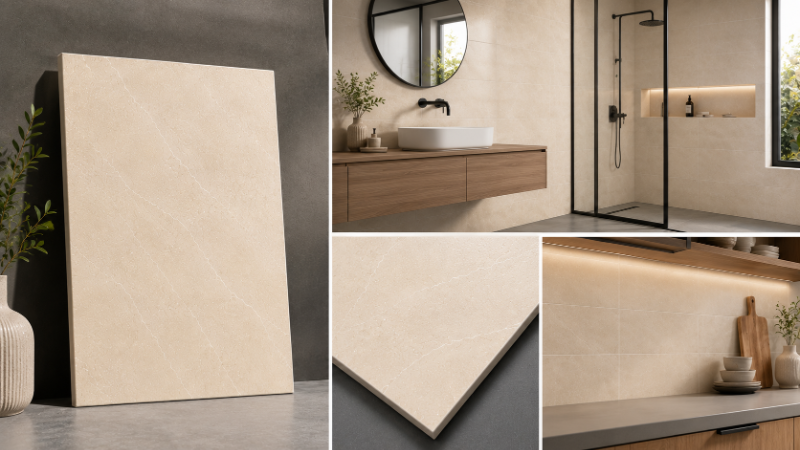
Malaga Beige is a warm, neutral color that draws inspiration from natural stone finishes found in Mediterranean regions. In the Indian context, this color palette complements both traditional and contemporary interior design aesthetics. The beige tone sits comfortably between pure white and warmer tan shades, making it a versatile choice for various design schemes.
The color works particularly well in:
Minimalist and Scandinavian-inspired interiors
Mediterranean and Tuscan design themes
Contemporary and modern spaces
Transitional design schemes that blend traditional and modern elements
Spaces requiring visual warmth without introducing strong color
Frequently asked
Matt Finish: Advantages and Characteristics
What Makes Matt Finish Different
The matt (or matte) finish on this tile refers to a non-reflective surface treatment that contrasts with glossy or polished finishes. Unlike glazed tiles that reflect light, matt finish tiles absorb light, creating a more subdued, sophisticated appearance.
Benefits of Matt Finish Ceramic Tiles
Safety and Slip Resistance: Matt finish tiles provide superior slip resistance compared to glossy alternatives, making them ideal for bathroom walls, kitchen backsplashes, and areas prone to moisture. This is particularly important in Indian homes where water usage patterns often involve splashing and wet conditions.
Aesthetic Appeal: The non-reflective surface creates a more contemporary, sophisticated look that appeals to modern Indian homeowners and designers. The matt finish helps the natural color and texture of the tile shine through without competing reflections.
Easy Maintenance: Matt finish tiles don't show water spots, fingerprints, or dust as readily as glossy tiles, reducing the frequency of cleaning required. This practical advantage resonates well with busy Indian households.
Conceals Imperfections: The textured surface of matt tiles helps mask minor installation variations and surface irregularities, which can be beneficial in projects where perfect wall preparation isn't always possible.
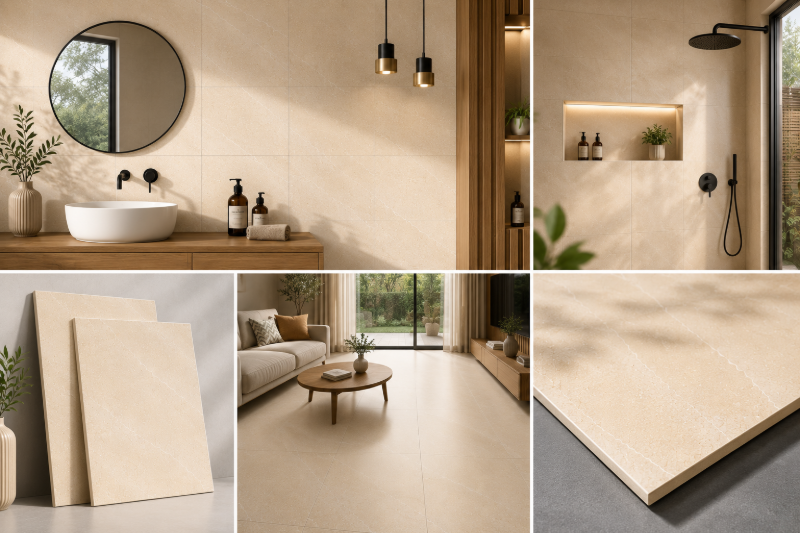
Practical Applications in Indian Residential and Commercial Spaces
Residential Applications
The 30 cm x 45 cm Malaga Beige tile works exceptionally well in several residential settings across Indian cities:
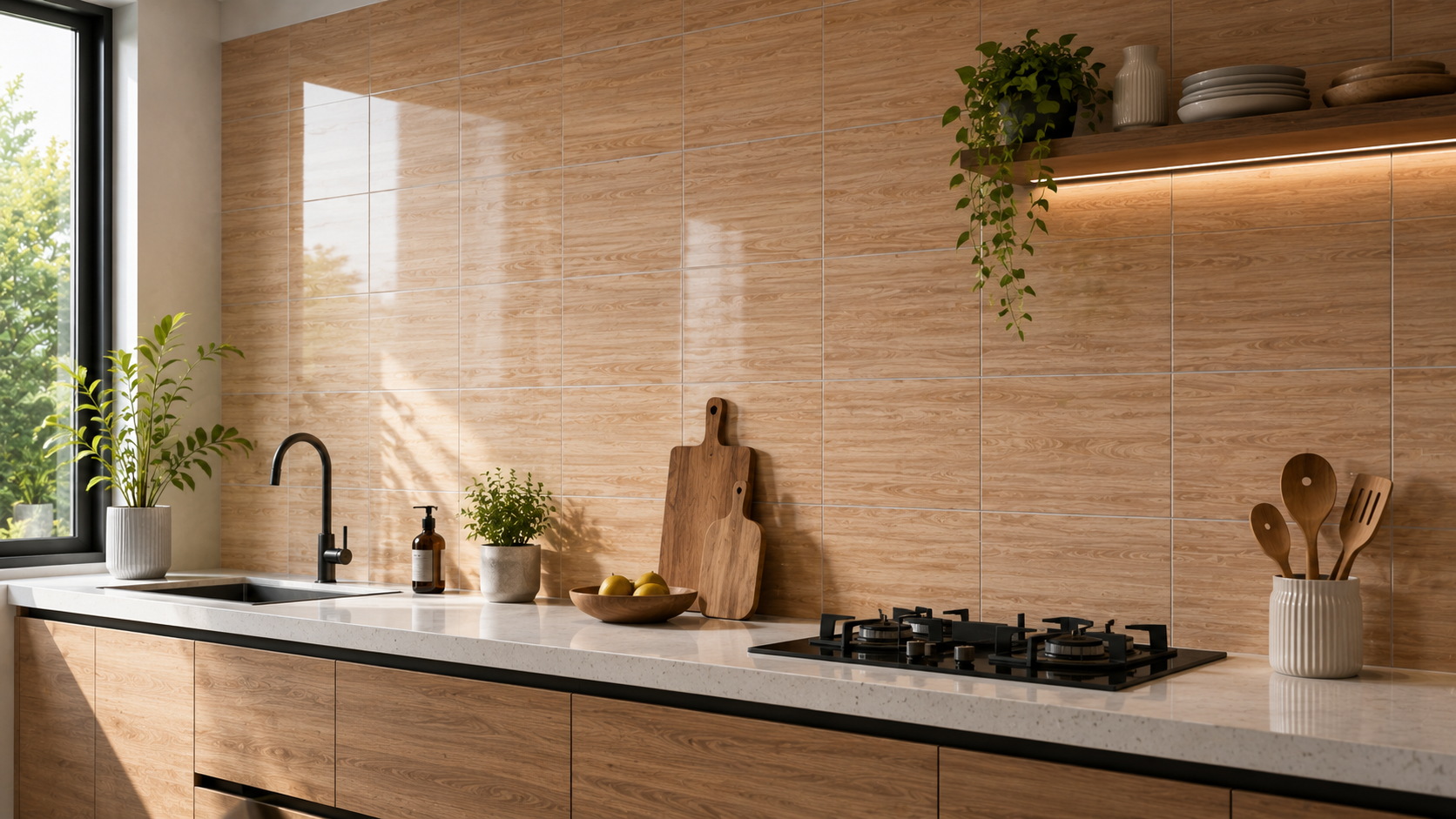
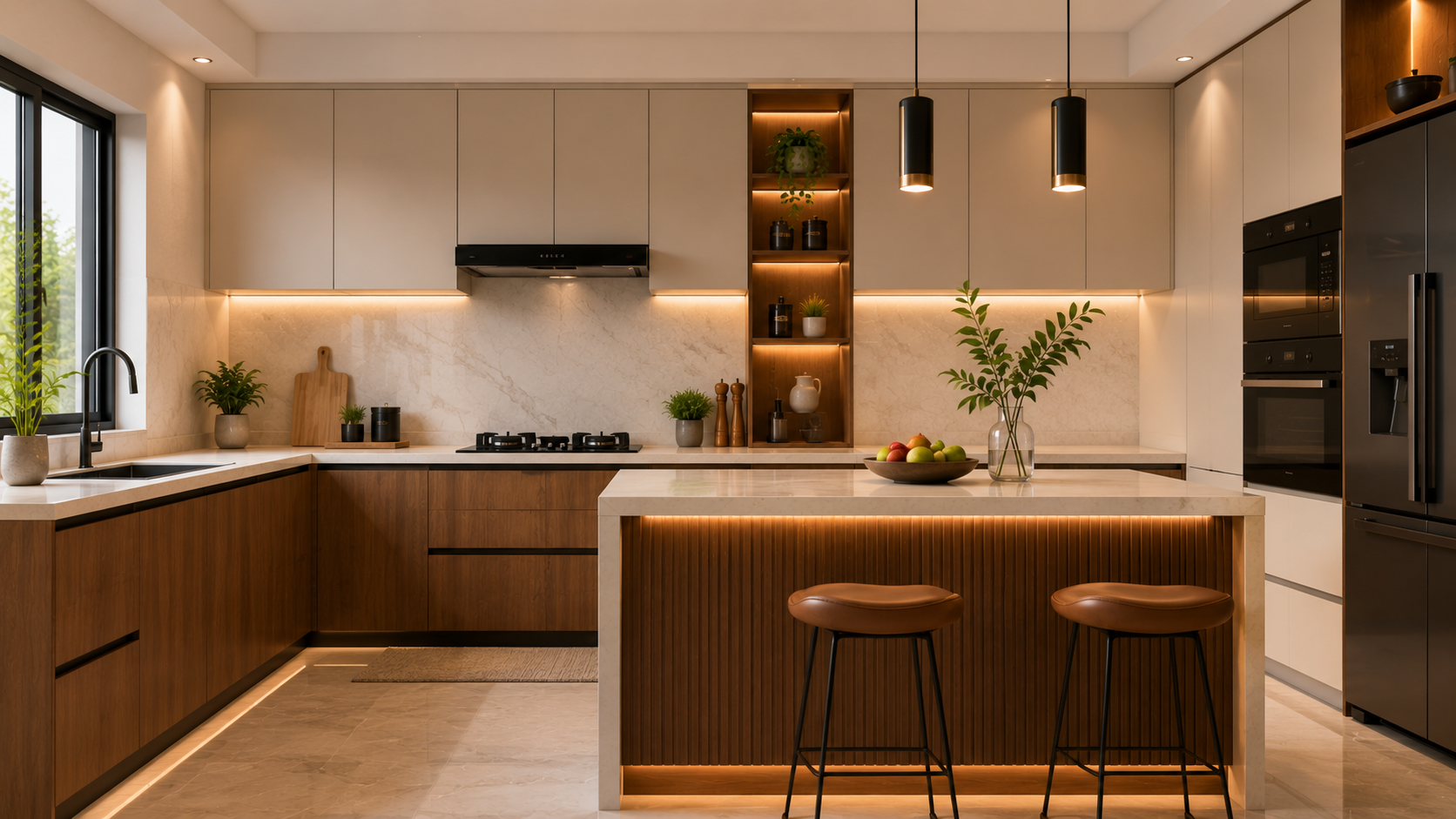
Kitchen Backsplashes: In Indian kitchens where cooking involves significant splashing and heat exposure, this tile size creates an elegant backsplash. The rectangular format allows for creative patterns—running bond, stacked, or herringbone arrangements—while the beige color complements both traditional and modern kitchen designs. In metropolitan areas like Mumbai, Delhi, and Bangalore, this tile is increasingly popular for contemporary kitchen renovations.
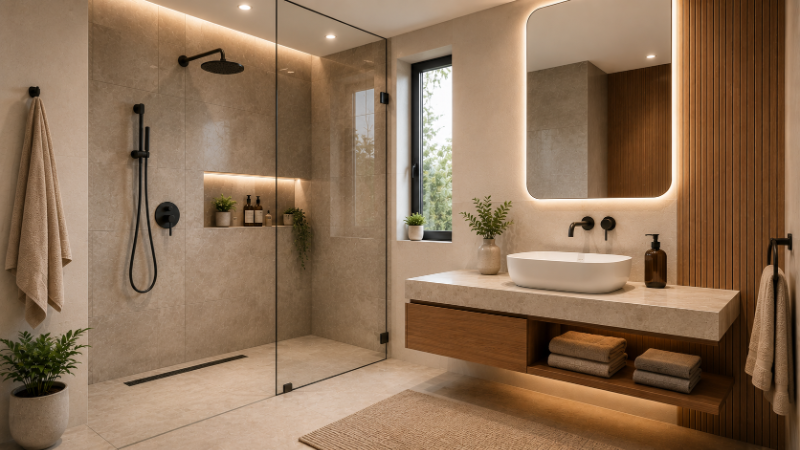
Bathroom Walls: Bathrooms benefit greatly from the slip-resistant matt finish and the moderate tile size. Whether used as a full wall treatment or as a feature wall, the 30 cm x 45 cm format creates visual interest without overwhelming smaller bathroom spaces typical in Indian apartments.
Feature Walls and Accent Areas: Many Indian homeowners use this tile to create focal points in living rooms, bedrooms, or entryways. The rectangular format naturally draws the eye and can be arranged to create dynamic patterns.
Commercial Applications
Beyond residential use, this tile format finds applications in commercial spaces:
Office Spaces: Corporate offices in cities like Hyderabad and Pune increasingly specify neutral ceramic tiles like this for professional environments
Retail Environments: The warm beige tone creates an inviting atmosphere in retail spaces and showrooms
Hospitality Spaces: Hotels and restaurants use this tile for creating cohesive, professional interior aesthetics
Healthcare Facilities: The easy-to-clean surface and neutral color make it suitable for clinics and healthcare settings
Cost Considerations for the Indian Market
Pricing Structure
The cost of the 30 cm x 45 cm Malaga Beige ceramic wall tile (Model) varies across Indian markets and suppliers. As of 2024, typical pricing ranges from:
Per Piece Cost: ₹150 to ₹350 per tile, depending on supplier and location
Per Square Meter Cost: Approximately ₹1,500 to ₹3,500 per square meter
Coverage: Each tile covers approximately 0.135 square meters (30 cm × 45 cm)
Prices tend to be higher in metropolitan areas like Mumbai and Delhi, while smaller cities and towns may offer slightly better rates. Bulk purchases often qualify for discounts of 10-15%.
Installation Costs
Beyond material costs, installation expenses significantly impact the total project budget:
Labor Charges: ₹80 to ₹200 per square meter for skilled tile installation
Adhesive and Grout: ₹200 to ₹400 per square meter
Surface Preparation: Additional ₹100 to ₹300 per square meter if wall leveling is required
For a typical bathroom wall of 20 square meters, total installation costs (including materials and labor) could range from ₹40,000 to ₹90,000, depending on location and project complexity.
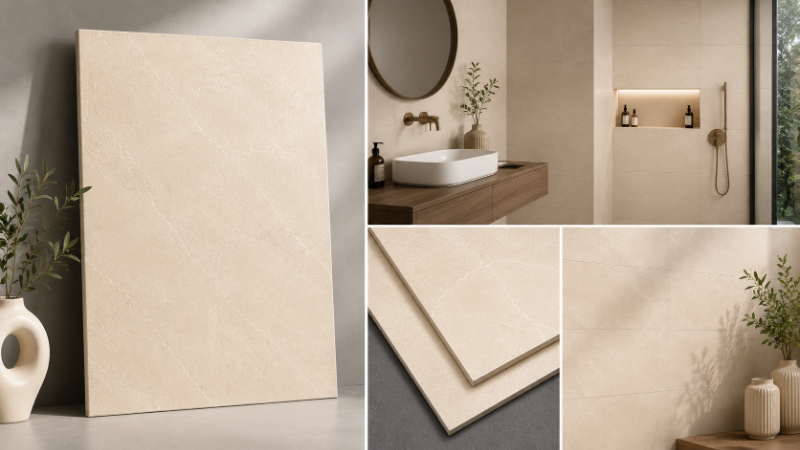
Installation Best Practices and Considerations
Surface Preparation
Proper surface preparation is crucial for successful tile installation. The wall surface must be:
Clean and free from dust, dirt, and loose paint
Structurally sound with no major cracks or damage
Reasonably level (variations should not exceed 3mm per meter)
Dry and free from moisture (particularly important in Indian climates with high humidity)
In older Indian buildings, walls may require leveling with cement mortar before tile application.
Adhesive Selection
For ceramic wall tiles in Indian climates, professionals typically recommend:
Thin-Set Mortar: The most common choice, offering good adhesion and flexibility
Epoxy-Based Adhesives: For areas with high moisture exposure or temperature fluctuations
Polymer-Modified Mortars: Provide enhanced water resistance suitable for Indian monsoon conditions
When finding skilled installers for your project, AECORD connects you with experienced tile contractors and installation specialists across India who understand local climate conditions and building practices.
Grout Selection and Application
The grout color significantly impacts the final aesthetic:
Matching Grout: Using beige or tan grout creates a seamless, unified appearance
Contrasting Grout: Darker grout (charcoal or gray) emphasizes the tile pattern and creates visual definition
Grout Width: For rectangular tiles, grout joints typically range from 3-5mm
Epoxy grout is recommended for areas prone to moisture and staining, while traditional cement-based grout works well for dry areas.
Design Patterns and Layout Options
Popular Laying Patterns
The 30 cm x 45 cm rectangular format lends itself to several attractive patterns:
Running Bond (Brick) Pattern: The most common pattern where tiles are offset like bricks. This creates visual movement and is economical in terms of cuts and waste.
Stacked Bond Pattern: Tiles are aligned vertically and horizontally, creating a grid-like appearance. This pattern emphasizes the rectangular format and is ideal for contemporary designs.
Herringbone Pattern: Tiles are arranged at 45-degree angles, creating a distinctive zigzag pattern. While visually stunning, this pattern requires more cutting and increases material waste.
Vertical Stack: Tiles are oriented vertically and stacked directly on top of each other, creating a tall, narrow appearance that can make spaces feel higher.
Design Coordination
When incorporating this tile into your design scheme, consider:
Color Coordination: The Malaga Beige pairs well with white, cream, soft gray, and muted accent colors
Texture Mixing: Combine with natural materials like wood, stone, or metal for visual interest
Lighting: Matt finish tiles interact beautifully with both natural and artificial lighting, creating subtle depth
Quality Standards and Certifications
Indian Standards Compliance
Quality ceramic tiles in India should comply with:
IS 15622:2006: Indian Standard for Ceramic Tiles (Glazed)
ISO 13006: International standard for ceramic tiles
Water Absorption Ratings: Wall tiles typically have 3-6% water absorption
Durability Testing: Resistance to thermal shock, abrasion, and chemical exposure
When selecting tiles and contractors, ensure all materials come with proper certifications and quality guarantees. AECORD's network of verified suppliers and professionals ensures access to certified, quality-assured materials.
Maintenance and Longevity
Long-Term Care
The 30 cm x 45 cm Malaga Beige ceramic tile requires minimal maintenance:
Regular Cleaning: Simple soap and water cleaning is typically sufficient
Grout Maintenance: Grout lines may require periodic cleaning and sealing (every 2-3 years for cement-based grout)
Moisture Management: Ensure proper ventilation in bathrooms and kitchens to prevent moisture accumulation
Longevity: With proper installation and care, these tiles can last 15-20+ years
Addressing Common Issues
In Indian climates, watch for:
Efflorescence: White mineral deposits on tile surfaces, more common in humid regions. Address through proper ventilation and sealing
Mold and Mildew: Use bathroom exhaust fans and ensure proper drainage to prevent fungal growth
Grout Discoloration: Regular cleaning and periodic sealing prevent staining and discoloration
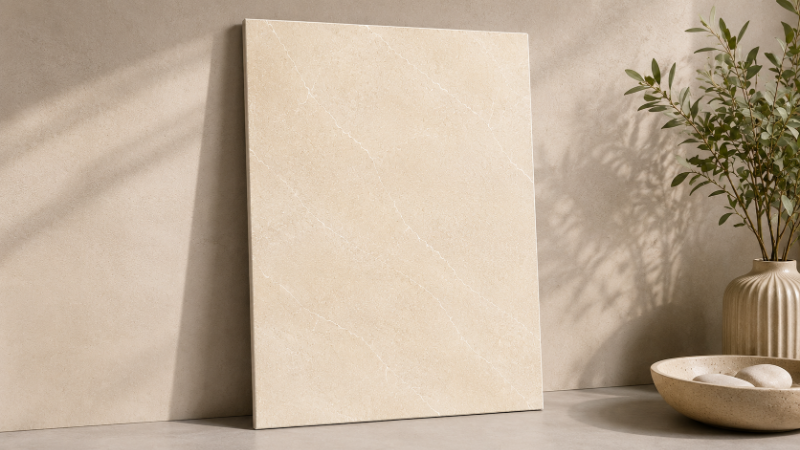
Sourcing and Procurement in India
Where to Find This Tile
The 30 cm x 45 cm Malaga Beige ceramic wall tile (Model) is available through multiple channels:
Large Format Tile Showrooms: Major cities have dedicated ceramic tile showrooms with extensive collections
Online Marketplaces: E-commerce platforms increasingly offer ceramic tiles with delivery options
Wholesale Suppliers: Direct suppliers offer better pricing for bulk orders
Professional Networks: Architects and designers often have preferred suppliers offering professional pricing
Working with Professionals
To ensure you get the right tile for your project and proper installation, consider working with experienced professionals. AECORD provides a comprehensive platform connecting architects, designers, contractors, and suppliers across India, making it easier to source materials and find qualified installation specialists for your ceramic tile projects.
Conclusion
The 30 cm x 45 cm Malaga Beige ceramic wall tile with matt finish (Model) represents an excellent choice for Indian residential and commercial projects. Its versatile size, warm neutral color, and practical matt finish make it suitable for diverse applications from kitchen backsplashes to bathroom walls and feature areas. With proper installation by skilled professionals and basic maintenance, these tiles provide lasting beauty and functionality.
Whether you're planning a kitchen renovation in Bangalore, a bathroom upgrade in Mumbai, or a commercial project in Delhi, understanding this tile's specifications, costs, and installation requirements helps ensure successful project outcomes. Start exploring your options today by connecting with experienced architects, designers, and contractors on AECORD, where you'll find verified professionals ready to help bring your interior design vision to life.
Frequently Asked Questions
What are the dimensions and aspect ratio of the 30x45cm Malaga Beige ceramic tile?
The tile measures 30 cm width by 45 cm length with a 1.5:1 aspect ratio, creating an elongated rectangular appearance. It typically has a thickness of 8-10 mm for wall applications, making it ideal for kitchens, bathrooms, and feature walls.
Why is matt finish better than glossy tiles for Indian bathrooms?
Matt finish tiles offer superior slip resistance, making them safer for wet areas common in Indian homes. They also don't show water spots or fingerprints as easily as glossy tiles, requiring less frequent cleaning while maintaining a sophisticated, contemporary appearance.
What interior design styles work best with Malaga Beige tiles?
Malaga Beige complements minimalist, Mediterranean, contemporary, and transitional design schemes. This warm neutral tone works well in spaces requiring visual warmth without strong color, making it versatile for both traditional and modern Indian interiors.
Is the 30x45cm tile size easy to install compared to larger formats?
Yes, the 30x45cm size offers a balanced approach between large format tiles (which are difficult to handle) and small tiles (which require more grouting). This mid-range size is easier to manage during installation while minimizing labor costs.
How does matt finish help conceal installation imperfections?
The textured, non-reflective surface of matt finish tiles masks minor installation variations and surface irregularities that would be visible on glossy tiles. This makes it forgiving for projects where achieving perfectly uniform wall surfaces is challenging.