

250 x 375 mm Graphite Decor Ceramic Floor Tile with Glossy Finish: A Complete Guide for Indian AECO Professionals
When it comes to selecting the right flooring materials for residential, commercial, or hospitality projects in India, ceramic tiles remain one of the most popular choices. Among the diverse range of options available, the 250 x 375 mm graphite decor ceramic floor tile with glossy finish stands out as a versatile and aesthetically appealing solution. This comprehensive guide explores everything you need to know about this tile specification, from its technical characteristics to practical applications across Indian construction projects.
Build cost · Bengaluru, May 2026
Understanding the 250 x 375 mm Tile Dimensions
Why These Specific Dimensions Matter
The 250 x 375 mm tile size represents a rectangular format that has gained significant traction in modern Indian interior design. Unlike square tiles, rectangular formats offer distinct advantages in terms of visual perspective and space manipulation. This particular dimension falls into the mid-range category, making it suitable for both large and compact spaces without requiring excessive cutting or waste during installation.
In the Indian market, where construction costs are carefully calculated, the 250 x 375 mm format provides an optimal balance between coverage area and material efficiency. A single tile covers 0.09375 square meters, meaning you'll need approximately 10.67 tiles per square meter. This calculation is crucial for project budgeting and material procurement.
Rectangular Tile Benefits in Indian Spaces
Rectangular tiles like the 250 x 375 mm format offer several advantages for Indian homes and commercial spaces:
Visual Elongation: The longer dimension creates a sense of spaciousness, particularly valuable in compact Indian urban apartments
Directional Flexibility: Can be laid horizontally or vertically to suit specific design intentions
Contemporary Aesthetics: Aligns with modern interior design trends popular in metropolitan areas like Bangalore, Mumbai, and Delhi
Reduced Grout Lines: Fewer grout lines per square meter compared to smaller tiles,
Frequently asked
Graphite Decor: Color and Design Characteristics
The Appeal of Graphite in Contemporary Design
Graphite is a neutral, sophisticated color that has become increasingly popular in Indian interior design. This dark gray tone bridges the gap between traditional black and lighter neutral shades, offering versatility without being as stark as pure black or as cold as pure gray. The graphite decor finish on this 250 x 375 mm tile provides a modern aesthetic that complements both minimalist and eclectic design schemes.
In Indian cities like Pune, Hyderabad, and Chennai, where contemporary residential projects are booming, graphite-colored tiles have become a designer favorite. They work particularly well in:
Modern kitchen backsplashes
Bathroom feature walls
Contemporary living room flooring
Commercial retail spaces
Hotel lobbies and corridors
Decor Patterns and Visual Interest
The "decor" designation in the product name suggests that these tiles feature decorative patterns or textures beyond a solid color. Graphite decor tiles typically incorporate subtle patterns, geometric designs, or textural elements that add visual depth without overwhelming the space. This makes them ideal for creating feature walls or accent areas while maintaining overall design cohesion.
Glossy Finish: Advantages and Considerations
What a Glossy Finish Means for Performance
The glossy finish on this variant provides a reflective, polished surface that enhances light distribution throughout the space. In India's varying climate conditions—from the humid coastal regions of Kerala and Goa to the dry interiors of Rajasthan—understanding how glossy finishes perform is essential.
Advantages of glossy ceramic tiles include:
Light Reflection: Amplifies natural and artificial lighting, making spaces appear brighter and larger
Easy Cleaning: Smooth surface prevents dirt and dust accumulation, requiring only regular sweeping and mopping
Aesthetic Appeal: Creates a premium, sophisticated appearance that justifies higher price points
Water Resistance: The non-porous nature of ceramic with glossy finish makes it ideal for wet areas
Durability: Glossy glazed surfaces resist staining better than matte finishes
Important Considerations for Glossy Tiles
While glossy finishes offer numerous benefits, they also come with specific maintenance and safety considerations that Indian homeowners and builders should understand:
Slip Resistance: Glossy tiles can be slippery when wet, making them less suitable for bathrooms without proper anti-slip measures or for elderly-care facilities
Fingerprint Visibility: The reflective surface shows dust and fingerprints more readily than matte finishes
Climate Adaptation: In humid Indian regions, moisture on glossy surfaces requires more frequent cleaning to prevent slipping hazards
Maintenance Routine: Regular cleaning with appropriate tile cleaners is necessary to maintain the glossy appearance
Technical Specifications and Standards
Ceramic Tile Grading in India
Ceramic tiles sold in India typically conform to Indian Standards (IS) specifications. The 250 x 375 mm graphite decor tile should meet IS 13630 standards for ceramic tiles used in buildings. Key technical aspects include:
Water Absorption: Typically less than 0.5% for glazed ceramic tiles, ensuring durability in Indian climates
Breaking Strength: Must withstand minimum load specifications for floor applications
Abrasion Resistance: Rated on a scale of 1-5, with floor tiles typically rated 3 or higher
Chemical Resistance: Resistant to common household and commercial cleaning agents
Thickness and Weight Considerations
Standard ceramic floor tiles of this size are typically 8-10mm thick, weighing approximately 2.5-3.5 kg per tile. This specification is important for:
Structural load calculations in multi-story buildings
Adhesive selection and application thickness
Subfloor preparation requirements
Transportation and handling logistics
Applications of 250 x 375 mm Graphite Tiles in Indian Projects
Residential Applications
In Indian homes, the 250 x 375 mm graphite decor tile finds multiple applications:
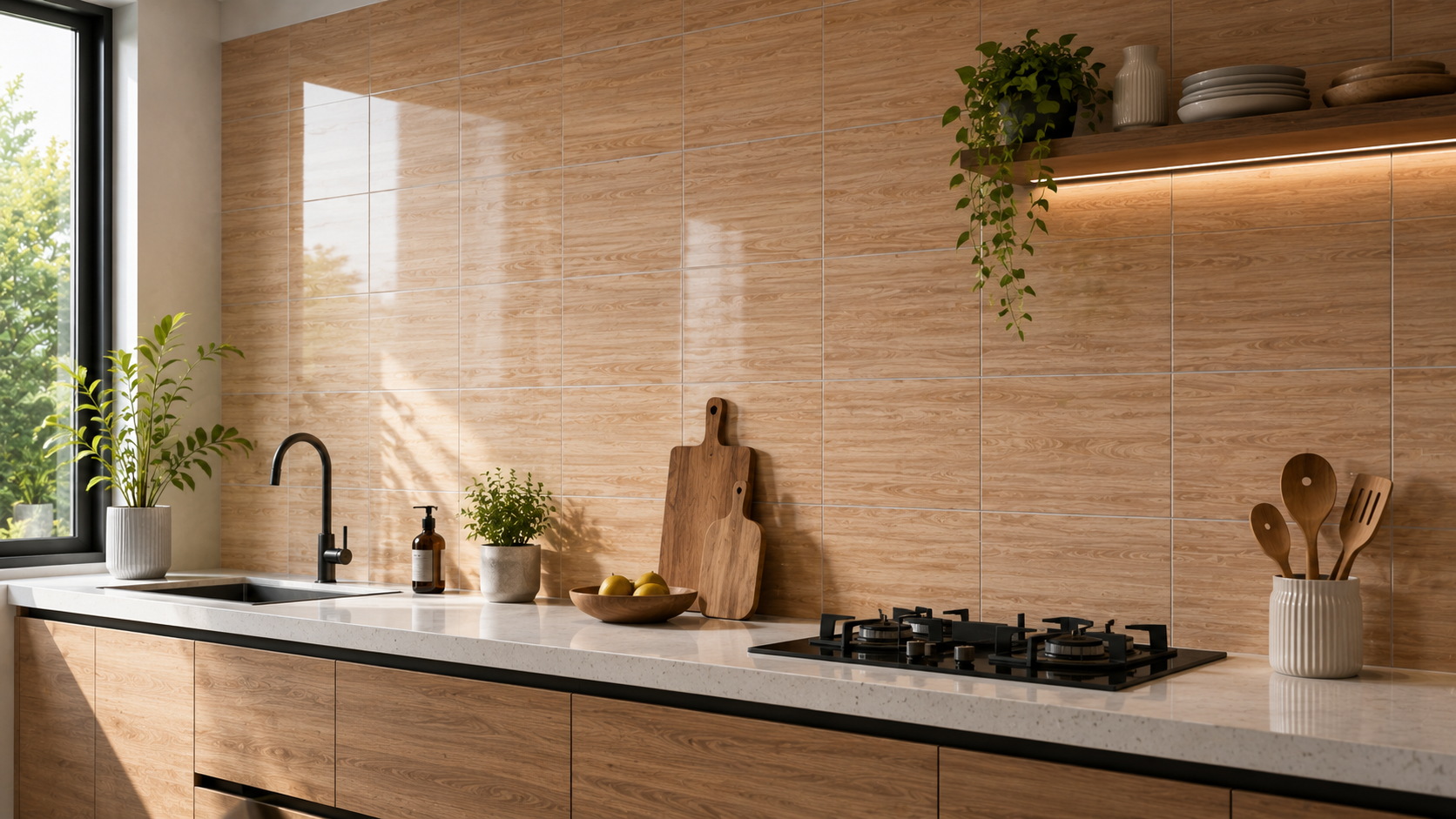
Kitchen Spaces: The glossy finish makes these tiles excellent for kitchen backsplashes and accent walls. In cities like Bangalore and Mumbai, where modern kitchen designs are increasingly popular, graphite tiles create a sleek, professional appearance that complements stainless steel appliances.
Bathroom Design: While glossy tiles require careful installation in wet areas, they work well on bathroom walls and in shower alcoves when paired with proper grout selection and ventilation. The graphite color provides a spa-like ambiance increasingly desired in urban Indian bathrooms.
Feature Walls: These tiles are ideal for creating accent walls in living rooms or bedrooms, adding contemporary sophistication without overwhelming smaller Indian apartment spaces.
Commercial and Hospitality Applications
Beyond residential use, this tile specification suits various commercial applications across India:
Retail Spaces: High-end retail outlets in shopping malls across Delhi, Bangalore, and Hyderabad use graphite tiles to create premium brand experiences
Hotel Corridors: The professional appearance and easy maintenance make these tiles popular in hospitality projects
Office Spaces: Modern office buildings increasingly incorporate graphite tiles in reception areas and collaborative spaces
Restaurants and Cafes: The contemporary aesthetic appeals to upscale dining establishments
Cost Considerations and Budgeting in INR
Tile Pricing in the Indian Market
The cost of 250 x 375 mm graphite decor ceramic tiles with glossy finish varies based on manufacturer, brand reputation, and regional availability. In the current Indian market (2024), you can expect:
Budget Range: ₹80-150 per tile for standard quality
Premium Brands: ₹150-300 per tile for established manufacturers
Cost per Square Meter: Approximately ₹850-3,200 depending on tile quality and brand
When budgeting for a project, remember that tile cost is only one component. Additional expenses include:
Adhesive (Tile Adhesive/Thin-set Mortar): ₹400-800 per 20kg bag
Grout: ₹300-600 per 5kg bag
Sealers and Protective Coatings: ₹500-1,500 per liter
Labor Costs: ₹150-400 per square meter depending on location and complexity
Installation Best Practices for Indian Conditions
Subfloor Preparation
Proper subfloor preparation is critical for tile longevity in India's diverse climate conditions. The concrete base should be:
Clean and free from dust, dirt, and loose material
Structurally sound with no cracks or settlement issues
Properly cured (minimum 28 days for new concrete)
Level within 3mm per 3 meters to ensure proper adhesive coverage
Adhesive Selection
For the 250 x 375 mm format, use a polymer-modified thin-set mortar or tile adhesive suitable for ceramic tiles. In humid Indian regions, select adhesives specifically formulated for moisture resistance. Apply adhesive using a notched trowel (typically 6-8mm for this tile size) to ensure 90% coverage on the tile back.
Grout and Sealant Considerations
The grout color should complement the graphite decor tiles. Popular choices include:
Dark Gray Grout: Creates seamless appearance, hides dirt
Charcoal Grout: Provides contrast while maintaining sophistication
White Grout: Creates bold geometric patterns (requires more maintenance)
In Indian climates with significant humidity variations, use epoxy or urethane grout for superior moisture resistance, particularly in bathrooms and kitchens.
Maintenance and Long-Term Care
Daily and Weekly Maintenance
To maintain the glossy finish of these tiles:
Sweep regularly to remove dust and prevent scratching
Mop with pH-neutral tile cleaner and warm water
Dry with a soft cloth to prevent water spots and maintain shine
Avoid acidic cleaners that can damage the glaze
Seasonal Considerations for Indian Climate
India's diverse climates require specific maintenance approaches:
Monsoon Season: In regions like Mumbai, Kerala, and Goa, increase cleaning frequency during monsoons to prevent moisture-related issues and maintain slip safety.
Dry Season: In arid regions like Rajasthan, static dust accumulation is higher; more frequent sweeping prevents scratching.
Temperature Fluctuations: In areas with significant temperature variations, ensure proper ventilation to prevent moisture condensation on glossy surfaces.
Finding Quality Suppliers and Installers
Sourcing Authentic Tiles
When purchasing 250 x 375 mm graphite decor ceramic tiles with glossy finish, ensure you're getting genuine products from authorized distributors. Many Indian cities have established ceramic tile markets—Delhi's Chandni Chowk, Mumbai's ceramic clusters, and Bangalore's building material hubs offer extensive selections.
For professional procurement and installation services, platforms like AECORD connect you with verified suppliers, distributors, and skilled installers across India. Whether you're sourcing materials for a residential renovation in Pune or a commercial project in Hyderabad, AECORD's network of AECO professionals ensures quality and reliability.
Installation Expertise
Proper installation is crucial for these tiles' longevity. Look for installers with specific experience in ceramic tile work and familiarity with the Indian climate's challenges. AECORD can help you find certified tile installation professionals in your region who understand local building codes and weather considerations.
Comparing with Alternative Flooring Options
Ceramic vs. Vitrified Tiles
While ceramic tiles are popular, vitrified tiles offer higher density and lower water absorption. However, ceramic tiles like the 250 x 375 mm graphite option typically offer better aesthetic variety and cost advantages for decorative applications.
Ceramic vs. Natural Stone
Natural stone tiles provide unique character but require more maintenance and cost significantly more (₹2,000-10,000+ per square meter). Ceramic tiles offer a practical alternative with consistent quality and easier maintenance.
Ceramic vs. Porcelain
Porcelain tiles are denser but often more expensive. For decorative applications in Indian homes, ceramic tiles provide excellent value without sacrificing aesthetics or durability.
Design Inspiration and Trends
Popular Layout Patterns
The 250 x 375 mm format works beautifully in several installation patterns:
Running Bond: Creates a brick-like appearance, visually elongating spaces
Herringbone: Offers dynamic visual interest, popular in premium Indian residences
Straight Layout: Simple, clean appearance that emphasizes the rectangular format
Mixed Patterns: Combining with complementary tiles for feature areas
Color Coordination with Graphite
Graphite tiles coordinate well with:
White or cream fixtures and walls for contrast
Warm wood tones for contemporary-traditional fusion
Metallic accents (copper, brass, stainless steel) for luxury appeal
Accent colors like emerald green or deep blue for bold design statements
Environmental and Sustainability Considerations
Modern ceramic tile manufacturing in India increasingly emphasizes sustainability. When selecting this tile, consider:
Manufacturers with ISO 14001 environmental certification
Tiles produced using recycled materials where possible
Energy-efficient manufacturing processes
Proper disposal and recycling of tile waste during installation
Many Indian manufacturers are now producing eco-friendly ceramic tiles without compromising on quality or aesthetic appeal, aligning with India's sustainable development goals.
Conclusion and Next Steps
The 250 x 375 mm graphite decor ceramic floor tile with glossy finish represents an excellent choice for Indian AECO professionals seeking to balance aesthetics, functionality, and cost-effectiveness. Whether you're designing a modern residential space in Delhi, a commercial project in Bangalore, or a hospitality venue in Mumbai, these tiles offer versatility and contemporary appeal.
Understanding the technical specifications, installation requirements, maintenance needs, and design applications ensures successful project outcomes. The graphite color provides sophisticated neutrality, while the glossy finish adds premium aesthetics and practical benefits for various applications across Indian homes and commercial spaces.
To source quality tiles and connect with experienced installation professionals for your project, explore AECORD, India's comprehensive B2B2C marketplace for AECO professionals. Whether you need to find suppliers, installers, or design consultants familiar with ceramic tile applications in Indian climates, AECORD connects you with verified professionals across the country. Visit AECORD today to discover trusted partners for your tiling project and ensure your vision becomes a reality with professional expertise and quality materials.
Start your project journey now by connecting with AECO professionals on AECORD who specialize in ceramic tile selection and installation for your specific regional requirements and design preferences.
```
Frequently Asked Questions
How many 250x375mm graphite ceramic tiles do I need per square meter?
You will need approximately 10.67 tiles per square meter, as each tile covers 0.09375 square meters. This calculation is essential for accurate project budgeting and material procurement in Indian construction projects.
What are the advantages of rectangular 250x375mm tiles over square tiles?
Rectangular tiles create a sense of spaciousness, offer directional flexibility for horizontal or vertical layouts, align with modern design trends, and result in fewer grout lines per square meter for easier maintenance compared to smaller square tiles.
Why is graphite color popular for ceramic floor tiles in Indian homes?
Graphite is a sophisticated neutral dark gray tone that bridges traditional black and lighter grays, offering versatility for both minimalist and eclectic designs. It's particularly popular in contemporary Indian projects in cities like Bangalore, Mumbai, and Pune for kitchens, bathrooms, and living spaces.
What does a glossy finish mean for ceramic floor tiles?
A glossy finish provides a reflective, polished surface that enhances light distribution throughout the space, creating a brighter and more sophisticated appearance while improving the tile's aesthetic appeal in modern interiors.
Where are 250x375mm graphite decor tiles best used in commercial projects?
These tiles are ideal for modern kitchen backsplashes, bathroom feature walls, retail spaces, hotel lobbies, and corridors where contemporary aesthetics and visual interest are desired without overwhelming the overall design.