

Understanding 25mm Bison Cement Bonded Particle Board: A Complete Guide for Indian AECO Professionals
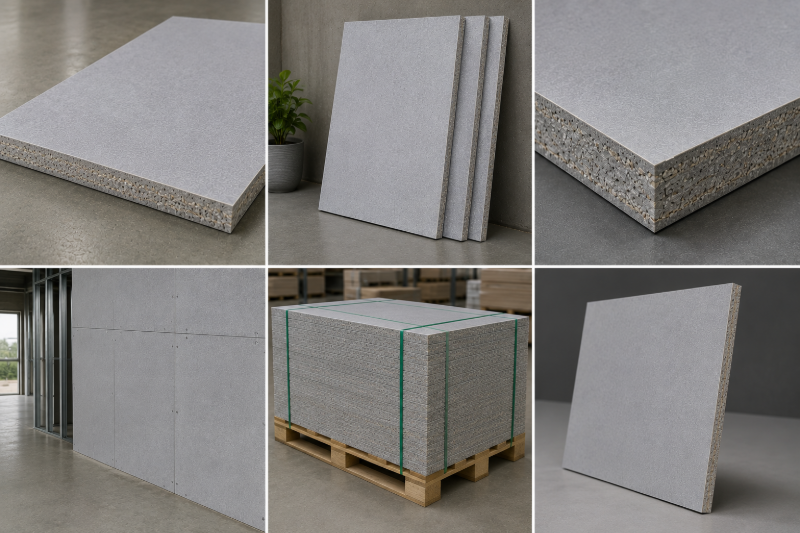
Cement bonded particle board (CBPB) has emerged as one of the most versatile and durable building materials in India's construction industry. Among the various options available, the 25mm thickness Bison panel in 1220mm x 2440mm dimensions with grey finish has become increasingly popular for both residential and commercial projects. This comprehensive guide will help you understand everything you need to know about this material, from its properties to applications and cost considerations specific to the Indian market.
Build cost · Bengaluru, May 2026
What is Cement Bonded Particle Board?
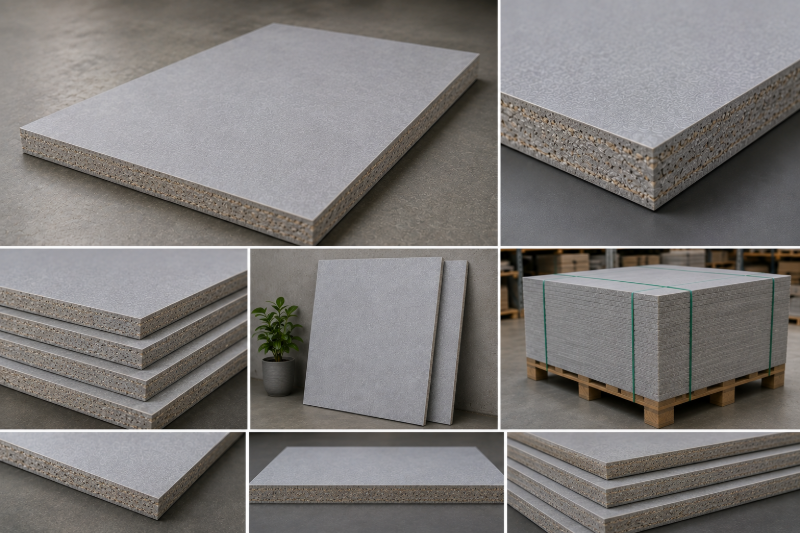
Cement bonded particle board is a composite material manufactured by bonding wood particles or wood fibers with Portland cement and water. Unlike traditional plywood or MDF, CBPB offers superior moisture resistance, fire performance, and durability—making it an excellent choice for Indian climates that experience high humidity, monsoons, and temperature fluctuations.
The 25mm thickness variant provides substantial structural integrity, making it suitable for applications requiring load-bearing capacity and long-term durability. The 1220mm x 2440mm size is a standard dimension that offers practical coverage while remaining manageable for installation and transportation across Indian cities like Mumbai, Delhi, Bangalore, and Chennai.
Key Characteristics of Bison CBPB Panels
Moisture Resistance: Superior to plywood, with minimal swelling or warping in humid conditions
Fire Performance: Non-combustible material meeting Indian fire safety standards
Durability: Resistant to rot, termites, and fungal growth
Workability: Can be cut, drilled, and shaped using standard tools
Dimensional Stability: Maintains shape and size across varying environmental conditions
Grey Finish: Aesthetic appeal with neutral coloring suitable for various design schemes
Technical Specifications of 25mm Bison CBPB
Frequently asked
Panel Dimensions and Coverage
The 1220mm x 2440mm dimension is strategically sized for optimal coverage and ease of handling. Each panel covers approximately 2.98 square meters, making it efficient for large-scale projects. In comparison to smaller panels, these dimensions reduce installation time and labor costs—a significant consideration when budgeting for construction projects across India.
Thickness and Structural Properties
The 25mm thickness provides excellent structural performance for various applications. This thickness offers:
Superior load-bearing capacity compared to thinner variants
Enhanced rigidity for wall and ceiling applications
Better sound insulation properties
Greater resistance to impact and mechanical stress
Suitable for both interior and exterior applications with proper finishing
Density and Weight Specifications
Bison CBPB panels typically have a density of approximately 1.1-1.3 g/cm³, resulting in a weight of roughly 32-38 kg per panel (depending on moisture content). This weight is manageable for two-person installation while maintaining structural integrity. When planning logistics for projects in Indian cities, account for the cumulative weight when transporting multiple panels.
Applications of 25mm Cement Bonded Particle Board in Indian Construction
Residential Construction
In residential projects across India, 25mm Bison CBPB panels are increasingly used for:
Interior Partitioning: Creating non-load-bearing walls with excellent fire and moisture resistance
Wet Area Linings: Bathrooms and kitchens where moisture resistance is critical
Ceiling Applications: Suspended ceilings in living areas and bedrooms
Shelving and Storage: Built-in furniture and storage solutions with grey aesthetic appeal
Acoustic Treatments: Improving sound insulation in multi-story residential buildings
Commercial and Industrial Applications
Commercial projects benefit significantly from CBPB's durability and performance characteristics:
Office Partitioning: Creating flexible office layouts with fire-rated partitions
Retail Spaces: Durable wall and display solutions in shops and showrooms
Industrial Facilities: Chemical-resistant applications in manufacturing and processing plants
Data Centers: Moisture and fire-resistant enclosures for equipment
Healthcare Facilities: Hygienic, easy-to-clean surfaces in hospitals and clinics
Outdoor and Semi-Outdoor Applications
The moisture resistance of Bison CBPB makes it suitable for:
Exterior cladding with appropriate weatherproofing
Covered balconies and verandas
Outdoor kitchen enclosures
Garden structures and pergolas
Temporary site offices on construction projects
Cost Analysis for Indian Market
Pricing Structure
As of 2024, the cost of 25mm Bison CBPB panels (1220mm x 2440mm) in India typically ranges from ₹2,500 to ₹3,500 per panel, depending on:
Location: Prices vary between metropolitan areas (Delhi, Mumbai, Bangalore) and tier-2 cities
Supplier: Direct purchases from authorized distributors versus retail channels
Volume: Bulk purchases offer 10-15% discounts compared to individual panel purchases
Delivery: Transportation costs vary based on distance and logistics availability
Market Fluctuations: Cement and raw material prices affect CBPB costs
Cost Per Square Meter
Breaking down the cost per square meter: at an average price of ₹3,000 per panel covering 2.98 m², the cost works out to approximately ₹1,007 per square meter. This positions CBPB competitively against premium plywood options while offering superior durability and moisture resistance.
Total Project Budget Estimation
For a typical 1,000 m² commercial project requiring CBPB partitioning and cladding:
Material cost: ₹10,07,000 (approximately)
Installation labor: ₹3,00,000-₹5,00,000 (depending on complexity and location)
Finishing and treatments: ₹2,00,000-₹4,00,000
Total estimated cost: ₹15,00,000-₹19,00,000
Installation and Handling Guidelines
Storage and Preparation
Proper storage ensures material quality and performance:
Store panels in a dry, well-ventilated area
Keep panels flat and supported to prevent warping
Maintain humidity levels between 40-70% during storage
Allow panels to acclimatize for 24-48 hours before installation
Protect from direct sunlight and weather exposure
Cutting and Fabrication
Bison CBPB panels can be easily worked with standard tools:
Circular Saws: Use carbide-tipped blades for clean cuts
Jigsaws: Suitable for curved cuts and complex shapes
Drills: Use standard drill bits with proper speed control
Routers: For edge profiling and detailed work
Always wear appropriate PPE including dust masks and safety glasses
Fastening Methods
Multiple fastening options are available:
Screws: Corrosion-resistant screws (stainless steel or coated) provide superior holding power
Nails: Ring shank or spiral nails for mechanical fixing
Adhesives: Cement-based or polyurethane adhesives for bonding to substrates
Mechanical Anchors: For heavy-load applications
Finishing and Surface Treatment Options
Paint and Coating Systems
The grey finish of Bison CBPB panels accepts various finishes:
Acrylic Latex Paint: Breathable, moisture-resistant finish for interior applications
Epoxy Coatings: Durable, chemical-resistant finish for industrial spaces
Polyurethane Sealers: Protective layer for enhanced moisture and UV resistance
Texture Finishes: Creating aesthetic appeal while hiding minor imperfections
Decorative Treatments
Beyond paint, consider:
Tile adhesion for wet areas
Wallpaper or fabric applications
Wood veneer overlays for aesthetic enhancement
Laminate cladding for durability and design flexibility
Comparing Bison CBPB with Alternative Materials
CBPB vs. Plywood
While plywood is traditional, Bison CBPB offers superior moisture and fire resistance, though plywood may be more readily available in some Indian markets. CBPB's dimensional stability makes it preferable for demanding applications.
CBPB vs. MDF
MDF is more affordable initially but lacks moisture resistance, making it unsuitable for wet areas. CBPB's durability justifies the higher cost for long-term applications.
CBPB vs. Gypsum Board
Gypsum board is lighter but less durable in high-moisture environments. CBPB provides superior structural performance and moisture resistance, particularly important in Indian climates.
Regulatory Compliance and Standards in India
When specifying Bison CBPB panels for Indian projects, ensure compliance with:
IS 4098: Indian Standard for cement bonded particle boards
Fire Safety: National Building Code (NBC) requirements for fire ratings
Environmental Standards: Compliance with formaldehyde emission limits
Local Building Codes: State and municipal regulations for specific applications
Sustainability and Environmental Considerations
Bison CBPB panels offer environmental advantages:
Made from renewable wood resources and Portland cement
Long service life reduces replacement frequency
Recyclable material composition
Lower formaldehyde emissions compared to traditional particle boards
Contributes to green building certifications (LEED, IGBC)
Maintenance and Longevity
Proper maintenance ensures maximum lifespan:
Regular Cleaning: Wipe surfaces with dry or slightly damp cloths
Avoid Standing Water: Ensure proper drainage in wet areas
Periodic Inspection: Check for damage or deterioration annually
Protective Treatments: Reapply sealers every 3-5 years in high-moisture areas
Expected Lifespan: 15-25 years with proper maintenance, significantly longer than alternatives
Finding Quality Suppliers and Installation Professionals in India
When sourcing Bison CBPB panels and installation services, partner with experienced professionals. AECORD, India's leading B2B2C marketplace for AECO professionals, connects you with verified suppliers, distributors, and installation contractors across major Indian cities. Whether you're in Mumbai, Delhi, Bangalore, or Hyderabad, AECORD helps you find reliable partners for your cement bonded particle board projects.
The platform allows you to compare quotes, review contractor credentials, and access a network of verified professionals specializing in CBPB installation and finishing. This streamlines your procurement process and ensures quality workmanship.
Common Mistakes to Avoid
Inadequate acclimatization before installation
Using non-corrosion-resistant fasteners
Improper sealing in wet areas
Ignoring local building codes and regulations
Selecting unsuitable finishing products
Inadequate ventilation during installation
Future Trends in CBPB Applications
The Indian construction industry is increasingly adopting CBPB for:
Modular construction and prefabricated building systems
Disaster-resistant housing in vulnerable regions
Affordable housing projects with durability focus
Renovation and retrofitting of existing structures
Specialized applications in healthcare and food processing
Conclusion
The 25mm Bison cement bonded particle board in 1220mm x 2440mm dimensions with grey finish represents an excellent choice for diverse applications across Indian construction projects. Its superior moisture resistance, fire performance, dimensional stability, and long service life make it a cost-effective solution when considering total lifecycle costs.
Whether you're planning residential, commercial, or industrial projects, understanding the technical specifications, cost implications, and proper installation procedures ensures optimal results. The material's versatility accommodates everything from simple partitioning to complex architectural applications.
To find qualified suppliers, contractors, and installation professionals for your CBPB projects, explore AECORD's extensive network of verified AECO professionals. The platform simplifies sourcing, comparison, and collaboration with experienced partners who understand the nuances of cement bonded particle board applications in the Indian market.
Ready to incorporate Bison CBPB panels into your next project? Connect with verified suppliers and installation professionals on AECORD today—find the right partner for your specific requirements and budget, and get your project moving forward with confidence.
Frequently Asked Questions
What is cement bonded particle board and why is it used in Indian construction?
Cement bonded particle board (CBPB) is a composite material made by bonding wood particles with Portland cement and water. It's popular in India because it offers superior moisture resistance, fire performance, and durability compared to plywood, making it ideal for high-humidity climates, monsoons, and temperature fluctuations common across Indian regions.
How much area does a 1220x2440mm Bison CBPB panel cover?
Each 1220mm x 2440mm Bison panel covers approximately 2.98 square meters. This standard dimension is designed for optimal coverage and ease of handling, reducing installation time and labor costs on construction projects across India.
What is the weight of a 25mm Bison cement bonded particle board panel?
A 25mm Bison CBPB panel weighs approximately 32-38 kg depending on moisture content, with a typical density of 1.1-1.3 g/cm³. This weight is manageable for two-person installation while maintaining structural integrity for transportation across Indian cities.
What are the main advantages of 25mm CBPB for wet areas like bathrooms and kitchens?
The 25mm thickness provides superior moisture resistance with minimal swelling or warping in humid conditions, making it ideal for bathrooms and kitchens. It's also non-combustible, resistant to rot and fungal growth, and maintains dimensional stability in varying environmental conditions.
Can 25mm cement bonded particle board be used for both interior and exterior applications?
Yes, the 25mm Bison CBPB is suitable for both interior and exterior applications when properly finished. Its superior durability, fire performance, and resistance to termites and fungal growth make it versatile for various construction applications across Indian residential and commercial projects.