

Understanding 200mm x 300mm White Ceramic Tiles: A Complete Guide for Indian AECO Professionals
When it comes to selecting ceramic tiles for residential, commercial, or hospitality projects in India, the 200mm x 300mm format with glossy finish has emerged as one of the most versatile and popular choices. This rectangular tile size, particularly in white with a glossy finish, offers architects, engineers, and builders a perfect balance between aesthetics, functionality, and cost-effectiveness. Whether you're designing a modern kitchen backsplash in Mumbai, a spa in Bangalore, or a boutique hotel in Delhi, understanding the specifications and applications of this tile format is essential for making informed decisions.
Build cost · Bengaluru, May 2026
What Makes 200mm x 300mm White Glossy Ceramic Tiles Special?
Dimensions and Aspect Ratio
The 200mm x 300mm tile format, often referred to as a 20cm x 30cm tile, presents a 2:3 aspect ratio that creates a distinctive rectangular profile. This dimension falls into the mid-range category of ceramic tiles, larger than small mosaic tiles but more manageable than large format tiles. The aspect ratio of 1:1.5 creates visual interest and allows for multiple laying patterns that can dramatically transform a space's appearance and perceived dimensions.
In the Indian market, this size has gained significant traction because it offers:
Optimal coverage area (0.06 square meters per tile)
Manageable weight for installation and handling
Reduced number of grout lines compared to smaller tiles
Professional appearance without the complexity of large format tiles
Glossy Finish Characteristics
The glossy finish on white ceramic tiles creates a smooth, reflective surface that enhances light distribution in spaces. This finish is achieved through a special glazing process that creates a non-porous protective layer on the tile surface. The glossy coating not only enhances the aesthetic appeal but also provides practical benefits for maintenance and durability.
Key characteristics of glossy finish tiles include:
Light Reflection: Glossy surfaces reflect up to 60-70% of incident light, making spaces appear brighter and more spacious
Easy Maintenance: The smooth surface prevents dirt and stains from penetrating, requiring only simple wiping with damp cloth
Hygienic Properties: The non-porous nature makes these tiles ideal for kitchens, bathrooms, and healthcare facilities
Enhanced Color Vibrancy: White glossy tiles appear more brilliant and pure compared to matte finishes
Frequently asked
Technical Specifications and Quality Standards
Indian Standards Compliance
Quality ceramic tiles in India must comply with Indian Standards (IS) 15622, which specifies requirements for ceramic tiles. When sourcing 200mm x 300mm white glossy ceramic tiles, ensure they meet:
Water Absorption: Less than 0.5% for vitrified tiles (Group BIa)
Flexural Strength: Minimum 35 MPa for wall tiles
Surface Hardness: Mohs hardness rating of 5-6, suitable for most applications
Chemical Resistance: Grade A or B, resistant to common household and commercial chemicals
Slip Resistance: Typically R9 or R10 rating, though glossy finishes are inherently more slippery
Thickness and Weight Considerations
Standard 200mm x 300mm ceramic tiles typically come in thicknesses ranging from 8mm to 12mm. For wall applications, 8-10mm thickness is standard, while 10-12mm is preferred for floor applications. Each tile weighs approximately 1.2-1.8 kg depending on thickness and clay composition, making them suitable for most wall and floor substrates when properly installed.
Applications and Use Cases in Indian Projects
Kitchen Backsplashes
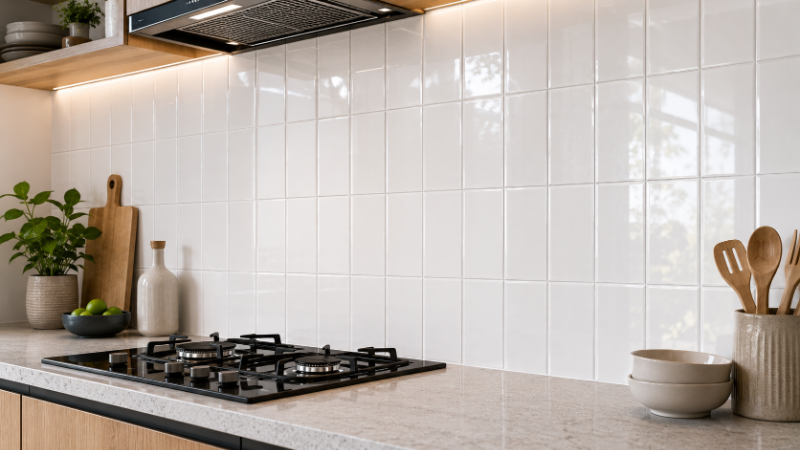
The 200mm x 300mm white glossy tile is exceptionally popular for kitchen backsplashes across Indian homes and commercial kitchens. The rectangular format can be laid in multiple patterns:
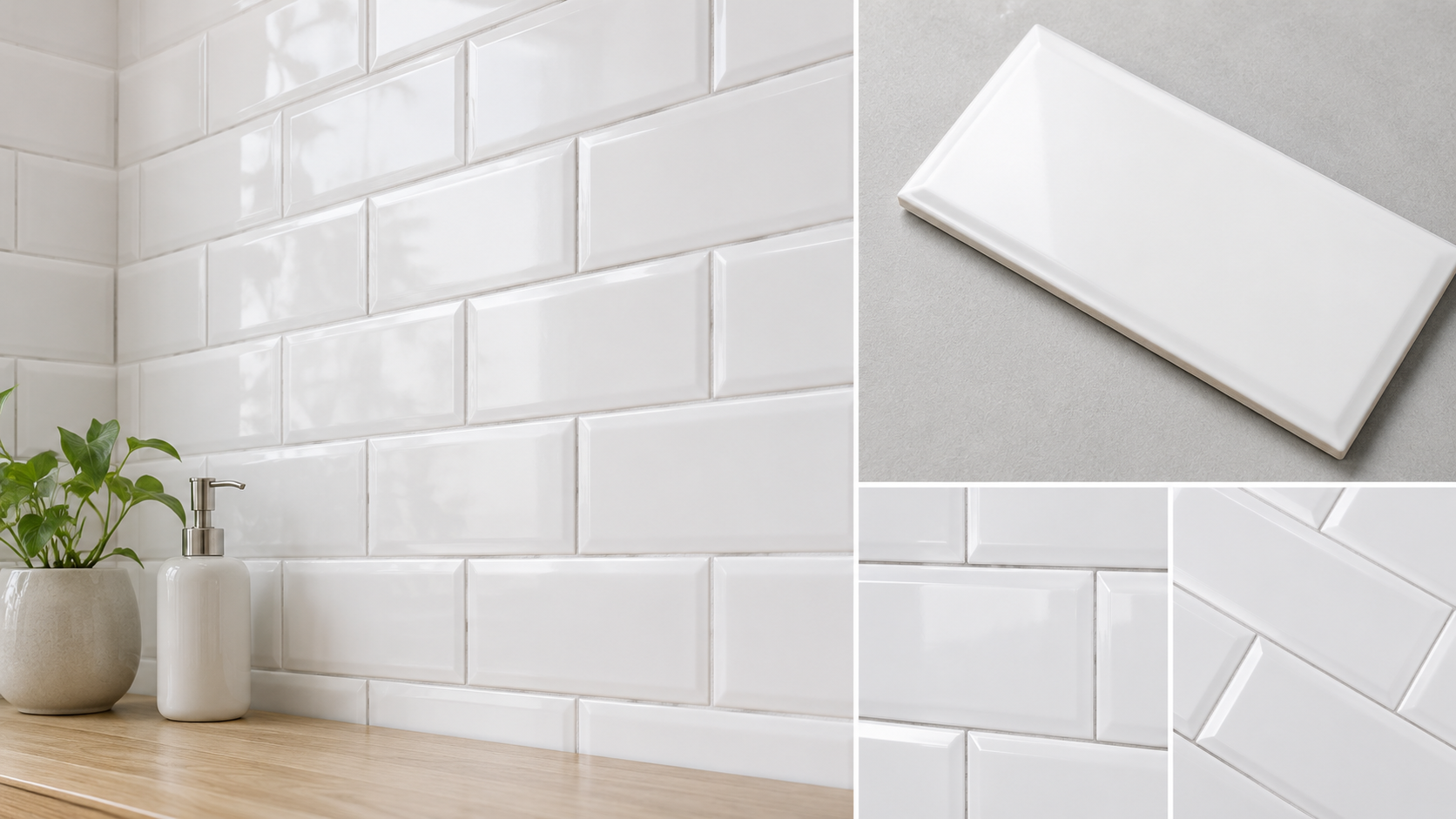
Running Bond Pattern: Creates a brick-like appearance, adding visual interest to kitchen walls
Vertical Stack Pattern: Emphasizes height and works well in compact kitchens
Horizontal Stack Pattern: Makes kitchens appear wider and more spacious
The glossy finish is particularly advantageous in kitchens because it resists oil splatters and moisture, common issues in Indian cooking environments where high-heat cooking methods are prevalent. The white color provides a clean, contemporary aesthetic that complements both traditional and modern kitchen designs.
Bathroom Design and Wet Areas
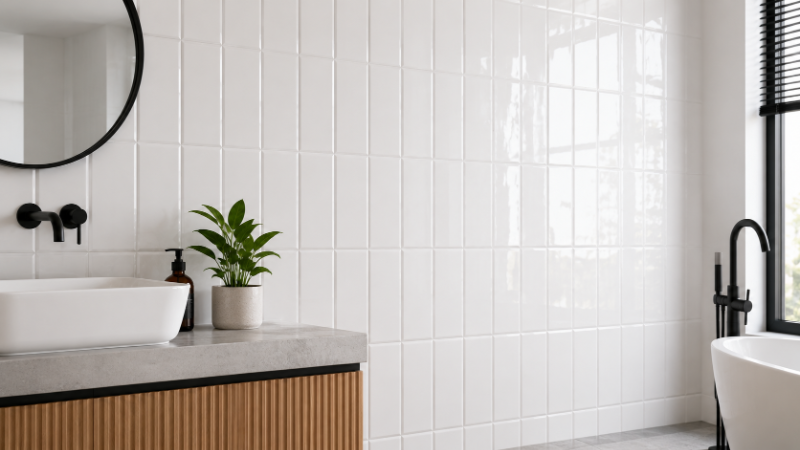
In bathrooms, these tiles excel at creating spa-like environments. The reflective glossy surface amplifies natural and artificial light, making bathrooms feel larger and more luxurious. Many high-end residential projects in cities like Bangalore, Hyderabad, and Pune utilize this tile format for:
Shower wall enclosures
Bathroom feature walls
Vanity backsplashes
Accent wall designs combined with other tile sizes
The water absorption rate below 0.5% ensures these tiles won't develop mold or mildew, critical in India's humid climate zones.
Commercial and Hospitality Applications
Hotels, restaurants, and retail establishments across India frequently specify 200mm x 300mm white glossy ceramic tiles for:
Restaurant kitchen walls and prep areas
Hotel bathroom installations
Retail store interiors and display areas
Healthcare facility walls
Corporate office restrooms
The professional appearance and ease of maintenance make these tiles cost-effective for high-traffic commercial spaces.
Pricing and Cost Considerations in India
Market Pricing
The cost of 200mm x 300mm white glossy ceramic tiles in India varies based on quality, brand, and region. As of recent market data:
Budget Range: ₹40-80 per tile for standard quality tiles
Mid-Range: ₹80-150 per tile for branded tiles with better durability
Premium Range: ₹150-300+ per tile for imported or designer tiles
For a typical 10 square meter kitchen backsplash, you would need approximately 167 tiles. This translates to a material cost between ₹6,680 to ₹50,100 depending on the quality tier selected.
Installation and Labor Costs
Labor costs for tile installation in India typically range from ₹100-300 per square meter, depending on:
Location and city (Delhi, Mumbai, and Bangalore command higher rates)
Complexity of the pattern
Surface preparation requirements
Grouting specifications
For the same 10 square meter project, installation costs would range from ₹1,000 to ₹3,000.
Installation Best Practices
Surface Preparation
Proper substrate preparation is crucial for long-lasting tile installation. The surface must be:
Clean and free from dust, grease, and loose material
Level and plumb (deviation not exceeding 3mm in 2 meters)
Structurally sound with no movement or flexing
Properly waterproofed in wet areas using cement-based or polymer-based waterproofing membranes
Adhesive Selection
For 200mm x 300mm ceramic tiles, use:
Cement-Based Adhesive: Standard option, suitable for most applications (₹300-500 per 20kg bag)
Modified Thin-Set Mortar: Better flexibility and water resistance for wet areas
Epoxy-Based Adhesive: Premium option for high-moisture areas and commercial kitchens
Ensure the adhesive is applied with proper trowel technique to achieve 70-80% coverage on the back of each tile.
Grout Application
Grout selection significantly impacts both aesthetics and durability:
Cement-Based Grout: Standard choice, available in various colors
Epoxy Grout: Superior stain and water resistance, ideal for kitchens and bathrooms
Grout Joint Width: Typically 3-5mm for rectangular tiles like this format
Proper grout curing time (24-48 hours) is essential before exposing tiles to moisture or traffic.
Maintenance and Long-Term Care
Daily Cleaning
The glossy finish makes daily maintenance straightforward:
Wipe with a damp microfiber cloth for regular cleaning
Use mild soap solution for stubborn stains
Dry with a soft cloth to prevent water spots and maintain shine
Periodic Deep Cleaning
Every 2-3 months, perform deep cleaning:
Use pH-neutral tile cleaners to avoid damaging the glaze
Clean grout lines with a soft brush and appropriate grout cleaner
Avoid acidic cleaners that can dull the glossy finish over time
Addressing Slip Hazards
While glossy finishes offer aesthetic and maintenance advantages, they can be slippery when wet. Consider:
Using non-slip mats in bathrooms and wet areas
Installing textured trim pieces on shower floors
Applying non-slip coatings if needed for safety-critical areas
Design Trends and Styling Ideas
Modern Minimalist Designs
White glossy 200mm x 300mm tiles are perfect for contemporary minimalist interiors. The clean lines and reflective surface create a sense of spaciousness and sophistication. Pair with stainless steel fixtures and neutral color palettes for maximum impact.
Mixed Pattern Approaches
Combine these tiles with complementary products:
Mix with subtle gray or beige tiles for visual interest
Create feature walls with contrasting tile sizes
Incorporate decorative trim pieces or borders
Lighting Considerations
The reflective nature of glossy tiles means lighting design becomes crucial. Ensure adequate lighting to showcase the tiles' brilliance and create the desired ambiance in your space.
Finding Quality Suppliers and Installers on AECORD
When sourcing 200mm x 300mm white glossy ceramic tiles for your project, partnering with vetted professionals is essential. AECORD, India's leading B2B2C marketplace for AECO professionals, connects architects, engineers, and builders with verified tile suppliers, installers, and contractors across the country.
On AECORD, you can:
Compare quotes from multiple tile suppliers in your city
Access verified installer profiles with project portfolios
Review ratings and feedback from previous clients
Find specialized contractors for specific applications (kitchens, bathrooms, commercial spaces)
Request samples and technical documentation directly from suppliers
Whether you're in Delhi, Mumbai, Bangalore, Hyderabad, or any other major Indian city, AECORD makes it easy to find the right professionals for your tile project. The platform's transparent pricing and quality assurance help ensure your project stays within budget while meeting the highest standards.
Common Mistakes to Avoid
Installation Errors
Insufficient adhesive coverage leading to hollow tiles and potential breakage
Improper grout joint width causing tiles to shift or crack
Inadequate waterproofing in wet areas causing moisture damage
Rushing the curing process before exposing tiles to water or foot traffic
Design Mistakes
Using glossy tiles on floors without addressing slip hazards
Ignoring lighting when relying on reflective surfaces
Failing to account for grout line visibility in design planning
Mixing incompatible tile sizes and patterns without professional guidance
Conclusion
The 200mm x 300mm white glossy ceramic tile represents an excellent choice for Indian architects, engineers, and builders seeking to balance aesthetics, functionality, and value. Its versatility across residential, commercial, and hospitality applications, combined with manageable costs and straightforward maintenance, makes it a staple in modern Indian construction.
Whether you're renovating a kitchen in Pune, designing a boutique hotel in Goa, or specifying tiles for a corporate office in Bangalore, understanding the technical specifications, installation best practices, and design possibilities of this tile format will ensure successful project outcomes.
For your next project requiring 200mm x 300mm white glossy ceramic tiles, visit AECORD to connect with verified suppliers, installers, and design professionals. Our comprehensive platform simplifies the process of sourcing quality materials and finding skilled contractors, helping you bring your vision to life while maintaining budget and timeline commitments.
Start exploring verified tile suppliers and installation professionals on AECORD today—because the right materials and expert execution make all the difference in creating spaces that endure both in function and beauty.