

Understanding 12mm Thickness Bison Plank Cement Bonded Particle Board: A Complete Guide for Indian Construction Professionals
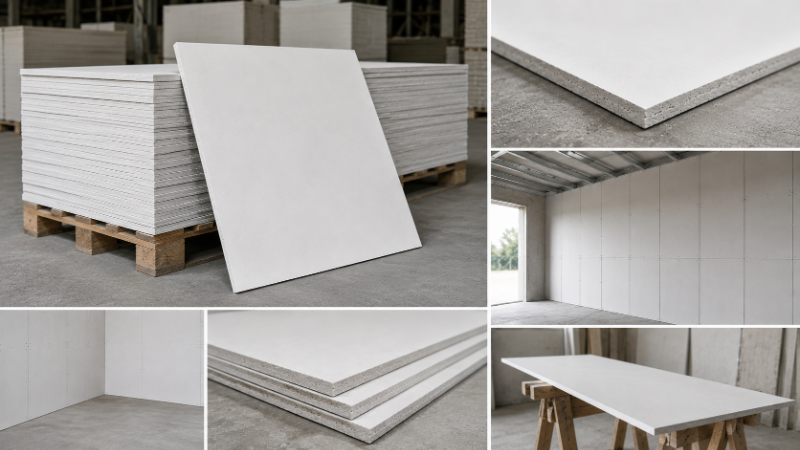
The construction and interior design industry in India has witnessed a significant shift toward sustainable, durable, and cost-effective building materials. Among these innovations, cement bonded particle boards have emerged as a game-changing solution for architects, engineers, and construction professionals across the country. Specifically, the 12mm thickness Bison plank cement bonded particle board in white primered finish (200mm x 2440mm) has become increasingly popular for various applications in residential, commercial, and industrial projects.
Whether you're planning a renovation project in Mumbai, designing an office space in Bangalore, or constructing a residential complex in Delhi, understanding the properties, applications, and benefits of this material is essential for making informed decisions. This comprehensive guide will help you navigate the specifications, advantages, and practical applications of this versatile building material.
Build cost · Bengaluru, May 2026
What is Cement Bonded Particle Board?
Composition and Manufacturing Process
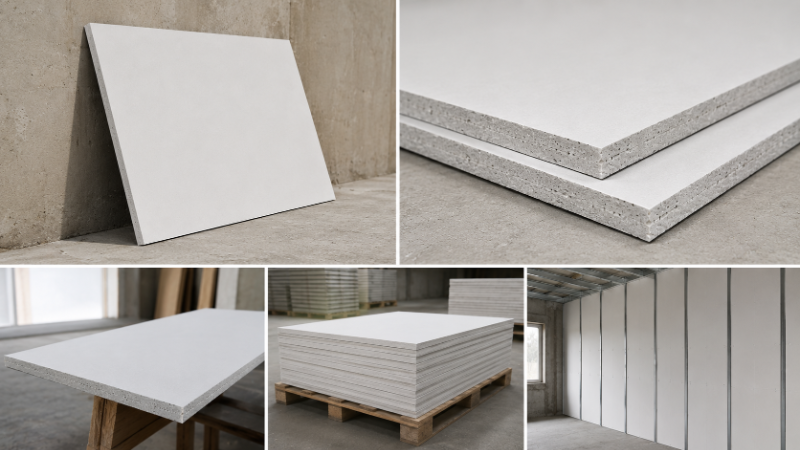
Cement bonded particle board is an engineered wood product manufactured by combining wood particles, cement, and other binding agents under high pressure and temperature. Unlike traditional plywood or MDF boards, cement bonded particle boards offer superior moisture resistance and durability, making them ideal for challenging environmental conditions prevalent in many parts of India.
The manufacturing process involves:
Shredding wood particles to uniform sizes
Mixing particles with Portland cement and additives
Forming the mixture into sheets under hydraulic pressure
Curing the boards in controlled conditions
Applying protective primers and finishes
The Bison brand, known for its quality engineering, produces these boards with stringent quality control measures, ensuring consistency and reliability across batches.
The 12mm Thickness Specification
The 12mm thickness is a sweet spot in the market, offering an optimal balance between structural strength and weight. This thickness is suitable for:
Interior wall partitions
Ceiling applications
Furniture backing
Protective cladding
Acoustic panels
At 12mm, the board provides sufficient rigidity without requiring excessive support structures, making installation simpler and more cost-effective compared to thinner alternatives.
Frequently asked
Specifications and Dimensions: 200mm x 2440mm Format
Understanding the Dimensions
The 200mm x 2440mm format is strategically designed for Indian construction practices. The 2440mm length (approximately 8 feet) aligns with standard ceiling heights in residential and commercial buildings across India, reducing waste and simplifying installation.
The 200mm width makes these planks ideal for:
Wall cladding with visible grain patterns
Decorative paneling in offices and retail spaces
Feature walls in residential interiors
Modular partition systems
Acoustic treatment in studios and conference rooms
This specific dimension format minimizes cutting waste, which is particularly important when managing project budgets in Indian construction, where material efficiency directly impacts profitability.
White Primered Finish: Benefits and Characteristics
What Does White Primered Mean?
The white primered finish is a pre-applied primer coat that serves multiple purposes. This primer is typically an acrylic or water-based coating that:
Seals the board surface, preventing moisture absorption
Provides a neutral base for additional finishes
Enhances paint adhesion for final coatings
Improves the board's resistance to environmental factors
Reduces the need for additional sealing treatments on-site
Advantages of Pre-Primed Boards
Choosing pre-primered boards offers significant advantages for Indian construction projects:
Time Savings: Contractors can proceed directly to final finishing without waiting for primer coats to dry, accelerating project timelines—a critical factor in competitive Indian markets.
Cost Efficiency: Pre-priming reduces labor costs associated with on-site primer application. For a 10,000 sq ft project in Hyderabad or Pune, this can result in savings of ₹15,000 to ₹25,000.
Consistency: Factory-applied primers ensure uniform coverage and quality, eliminating variations that might occur with on-site application.
Environmental Protection: The primer coat immediately protects the board during transportation and storage, crucial given India's diverse climate conditions—from humid coastal areas in Kerala to dry regions in Rajasthan.
Performance Characteristics and Properties
Moisture Resistance
One of the most significant advantages of cement bonded particle boards is their exceptional moisture resistance. In India, where humidity levels can exceed 80% in coastal cities and monsoon seasons bring heavy rainfall, this property is invaluable.
Unlike traditional plywood or MDF, which can swell and warp when exposed to moisture, cement bonded boards maintain their dimensional stability. This makes them suitable for:
Bathrooms and wet areas in Mumbai, Goa, and Kerala
Kitchen backsplashes and wall cladding
Outdoor covered areas and verandas
Industrial facilities with high humidity levels
Areas prone to water splashing or condensation
Fire Resistance
Cement bonded particle boards offer superior fire resistance compared to wood-based alternatives. The cement matrix inherently provides fire-resistant properties, making these boards suitable for:
Commercial buildings requiring fire safety compliance
Hospitals and healthcare facilities
Educational institutions
Industrial facilities with fire safety regulations
This is particularly important given India's building codes and fire safety regulations, especially in metropolitan areas like Delhi, Bangalore, and Chennai.
Durability and Longevity
With proper installation and maintenance, cement bonded particle boards can last 20-30 years or more. This longevity translates to better return on investment for property owners and developers across India.
Applications in Indian Construction and Design
Residential Applications
In the Indian residential sector, particularly in urban centers, these boards are increasingly used for:
Feature Walls: The white primered finish serves as an excellent base for accent walls in living rooms, bedrooms, and home offices. Residents in Bangalore and Pune, known for their design-conscious populations, have embraced this trend.
Bathroom Cladding: Given India's monsoon climate, bathroom walls benefit tremendously from cement bonded boards' moisture resistance. Installation costs typically range from ₹400 to ₹600 per square foot in major Indian cities.
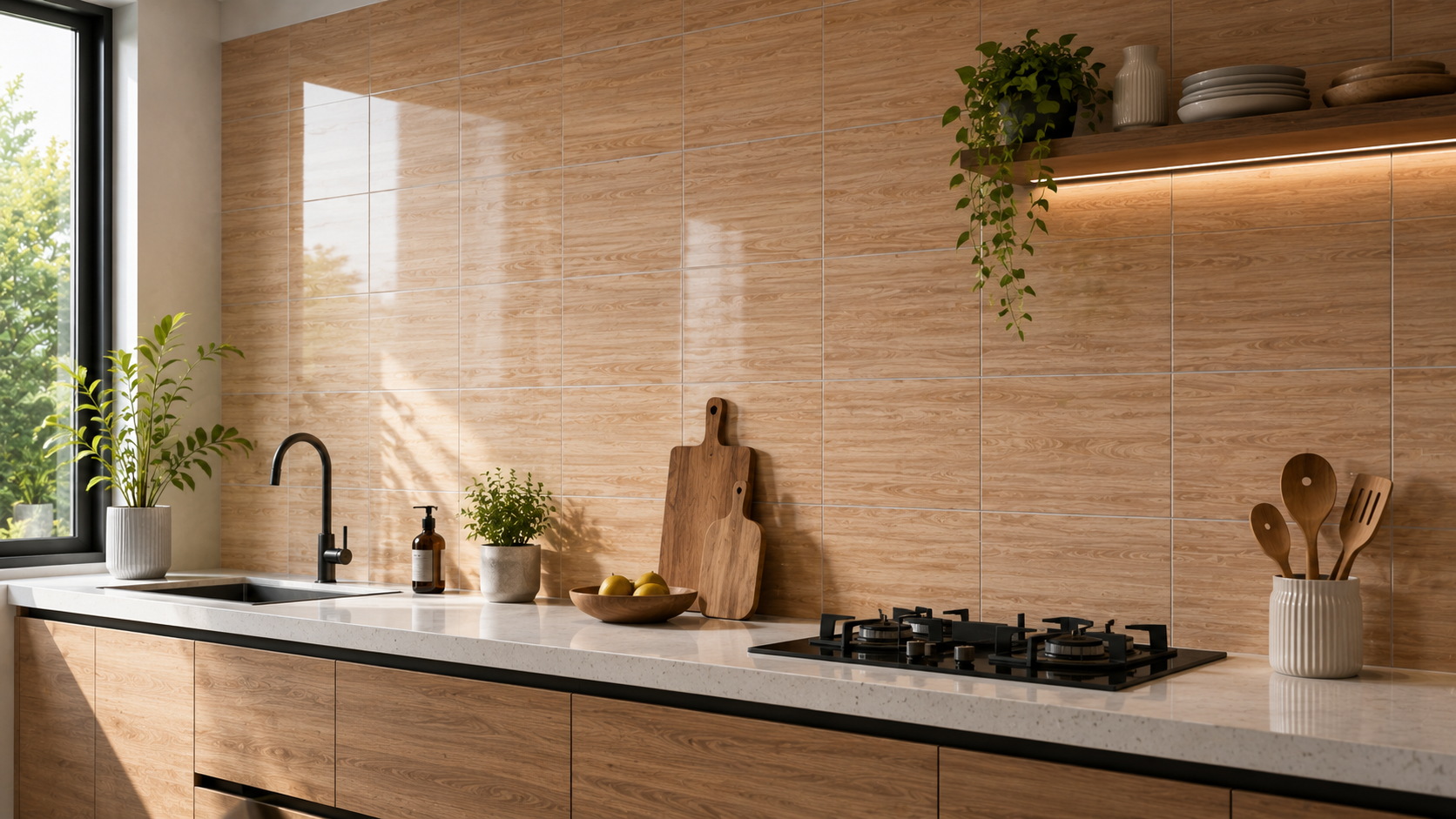
Kitchen Backsplashes: The boards can be finished with paint or tiles, providing a durable, moisture-resistant surface for kitchen areas.
Commercial and Office Spaces
Commercial projects in Gurgaon, Mumbai's financial district, and Bangalore's tech parks frequently utilize these boards for:
Modular partition systems that can be reconfigured as office layouts change
Acoustic panels in open-plan offices, reducing noise levels by 10-15 decibels
Reception area cladding and decorative paneling
Sustainable building certifications (LEED, IGBC) due to their environmental benefits
Retail and Hospitality
Retail stores, restaurants, and hotels across India use these boards for:
Display wall construction
Durable interior finishes that withstand high traffic
Sustainable design features that appeal to environmentally conscious consumers
Quick installation for seasonal or temporary installations
Installation and Handling Guidelines
Storage and Preparation
Proper storage is crucial for maintaining board quality:
Store boards in a dry, well-ventilated area, protected from direct sunlight
Keep boards flat and supported along their length to prevent warping
Avoid stacking boards directly on the ground; use spacers or pallets
In humid climates (coastal areas, monsoon regions), ensure adequate air circulation
Acclimate boards to the installation environment for 24-48 hours before use
Cutting and Finishing
When working with cement bonded boards:
Use fine-toothed saws for clean cuts
Wear dust masks when cutting, as cement dust can be harmful
Pre-drill holes for fasteners to prevent splitting
Use corrosion-resistant fasteners, particularly important in humid Indian climates
Apply edge sealers to cut edges to maintain moisture resistance
Fastening and Support
Proper fastening ensures longevity:
Space fasteners 150-200mm apart for optimal support
Use stainless steel or galvanized fasteners to prevent rust in humid conditions
Ensure adequate backing support, particularly for wall applications
For ceiling applications, use appropriate suspension systems rated for the board weight
Cost Considerations in the Indian Market
Pricing Factors
The cost of 12mm cement bonded particle boards varies across India based on several factors:
Regional Variations: Boards cost approximately ₹450-₹650 per square meter in metropolitan areas like Delhi, Mumbai, and Bangalore. In tier-2 cities like Indore or Nagpur, prices may be 10-15% lower due to reduced transportation costs.
Quantity Discounts: Bulk purchases (500+ square meters) typically attract 10-20% discounts from suppliers.
Transportation: Logistics costs significantly impact final pricing, especially for projects in remote areas. Always factor in delivery charges when budgeting.
Value Proposition
While cement bonded boards may cost 15-25% more than standard plywood initially, their durability, moisture resistance, and reduced maintenance requirements justify the investment. Over a 20-year lifecycle, the cost per year is significantly lower than alternatives requiring replacement or extensive repairs.
Environmental and Sustainability Considerations
Indian construction professionals increasingly prioritize sustainable materials. Cement bonded particle boards offer several environmental advantages:
Utilize wood particles and sawmill waste, reducing landfill burden
Lower embodied carbon compared to virgin wood products
Contribute to LEED and IGBC green building certifications
Recyclable and biodegradable at end of life
Support sustainable forestry practices
For architects and engineers in India pursuing green building certifications, these boards provide a credible sustainable material choice.
Comparing with Alternative Materials
Cement Bonded Board vs. Plywood
While plywood is traditional in Indian construction, cement bonded boards offer superior moisture resistance and fire properties, particularly important in challenging Indian climates.
Cement Bonded Board vs. Drywall
Drywall is common in commercial applications, but cement bonded boards provide better durability in high-moisture environments and require less maintenance over time.
Cement Bonded Board vs. MDF
MDF is popular for furniture, but cement bonded boards significantly outperform MDF in moisture-prone areas, making them superior for Indian applications.
Working with Professionals on AECORD
When planning a project using cement bonded particle boards, connecting with experienced professionals is crucial. AECORD, India's leading B2B2C marketplace for AECO professionals, offers access to architects, engineers, contractors, and material suppliers who specialize in innovative building solutions.
Whether you're sourcing materials, need installation expertise, or require design consultation, AECORD connects you with vetted professionals across India who understand local market conditions, regional regulations, and climate-specific requirements.
The platform allows you to compare quotes, review portfolios, and communicate directly with suppliers and contractors experienced in working with cement bonded boards in various Indian climates and applications.
Conclusion
The 12mm thickness Bison plank cement bonded particle board in white primered finish (200mm x 2440mm) represents a significant advancement in Indian construction materials. Its combination of moisture resistance, fire safety, durability, and cost-effectiveness makes it an excellent choice for diverse applications across residential, commercial, and industrial sectors.
From coastal cities dealing with high humidity to inland metropolitan areas, these boards deliver consistent performance. The white primered finish accelerates installation timelines while ensuring quality, making projects more cost-effective and efficient.
As India's construction industry continues evolving toward sustainable, durable, and efficient solutions, cement bonded particle boards will play an increasingly important role. By understanding their properties, applications, and installation requirements, construction professionals can make informed decisions that benefit their projects and clients.
Ready to explore cement bonded particle board solutions for your next project? Visit AECORD today to connect with experienced architects, engineers, contractors, and material suppliers across India who can help you source, design, and install these innovative building materials. Whether you're in Mumbai, Delhi, Bangalore, or any other Indian city, AECORD's network of professionals is ready to support your construction and design needs with expertise and local market knowledge.
Frequently Asked Questions
What is cement bonded particle board and how is it different from plywood?
Cement bonded particle board is an engineered product made by combining wood particles, Portland cement, and binding agents under high pressure, offering superior moisture resistance compared to traditional plywood or MDF. This makes it ideal for challenging environmental conditions and humid climates common in India.
What are the best applications for 12mm cement bonded particle board in construction?
12mm thickness cement bonded particle board is ideal for interior wall partitions, ceiling applications, furniture backing, protective cladding, and acoustic panels. The thickness provides optimal balance between structural strength and weight, making installation simpler without requiring excessive support structures.
Why is the 200mm x 2440mm format popular in Indian construction?
The 2440mm length aligns with standard ceiling heights in Indian residential and commercial buildings, reducing waste during installation. The 200mm width is perfect for wall cladding, decorative paneling, and feature walls, while minimizing cutting waste and improving project budget efficiency.
What does white primered finish mean and what are its benefits?
White primered finish is a pre-applied acrylic or water-based primer coat that seals the board surface to prevent moisture absorption and provides a neutral base for additional finishes. It enhances paint adhesion for final coatings and offers immediate protection to the material.
Is cement bonded particle board suitable for moisture-prone areas in Indian homes?
Yes, cement bonded particle board offers superior moisture resistance compared to traditional wood products, making it particularly suitable for moisture-prone areas common in Indian climates. The cement binding provides durability and stability in challenging environmental conditions.
Frequently Asked Questions
What is cement bonded particle board and how is it different from plywood?
Cement bonded particle board is an engineered product made by combining wood particles, cement, and binding agents under high pressure, offering superior moisture resistance and durability compared to traditional plywood or MDF. This makes it ideal for challenging environmental conditions commonly found in Indian construction projects.
What are the best uses for 12mm cement bonded particle board in construction?
12mm thickness cement bonded particle board is ideal for interior wall partitions, ceiling applications, furniture backing, protective cladding, and acoustic panels. This thickness provides optimal balance between structural strength and weight, making installation simpler without requiring excessive support structures.
Why is the 200mm x 2440mm format popular in Indian construction?
The 2440mm length aligns with standard ceiling heights in Indian residential and commercial buildings, reducing waste during installation. The 200mm width is perfect for wall cladding, decorative paneling, and feature walls, while minimizing cutting waste and improving project budget efficiency.
What does white primered finish mean and what are its benefits?
White primered finish is a pre-applied acrylic or water-based primer coat that seals the board surface, prevents moisture absorption, and provides a neutral base for additional finishes. It enhances paint adhesion and protects the material from environmental exposure.
Is cement bonded particle board suitable for moisture-prone areas?
Yes, cement bonded particle board offers superior moisture resistance compared to traditional wood products, making it ideal for bathrooms, kitchens, and other high-moisture environments common in Indian construction projects.