Understanding 12mm Thickness Bison Plank Cement Bonded Particle Board: A Complete Guide for Indian AECO Professionals
In the construction and interior design industry across India, selecting the right building materials is crucial for project success, durability, and cost-effectiveness. One material that has gained significant traction among architects, engineers, and contractors is cement-bonded particle board, particularly the 12mm thickness Bison plank in 150mm x 2440mm dimensions with white primer finish. This comprehensive guide explores everything you need to know about this versatile building material, its applications, benefits, and how to source it through reliable suppliers.
Build cost · Bengaluru, May 2026
What is Cement Bonded Particle Board?
Material Composition and Properties
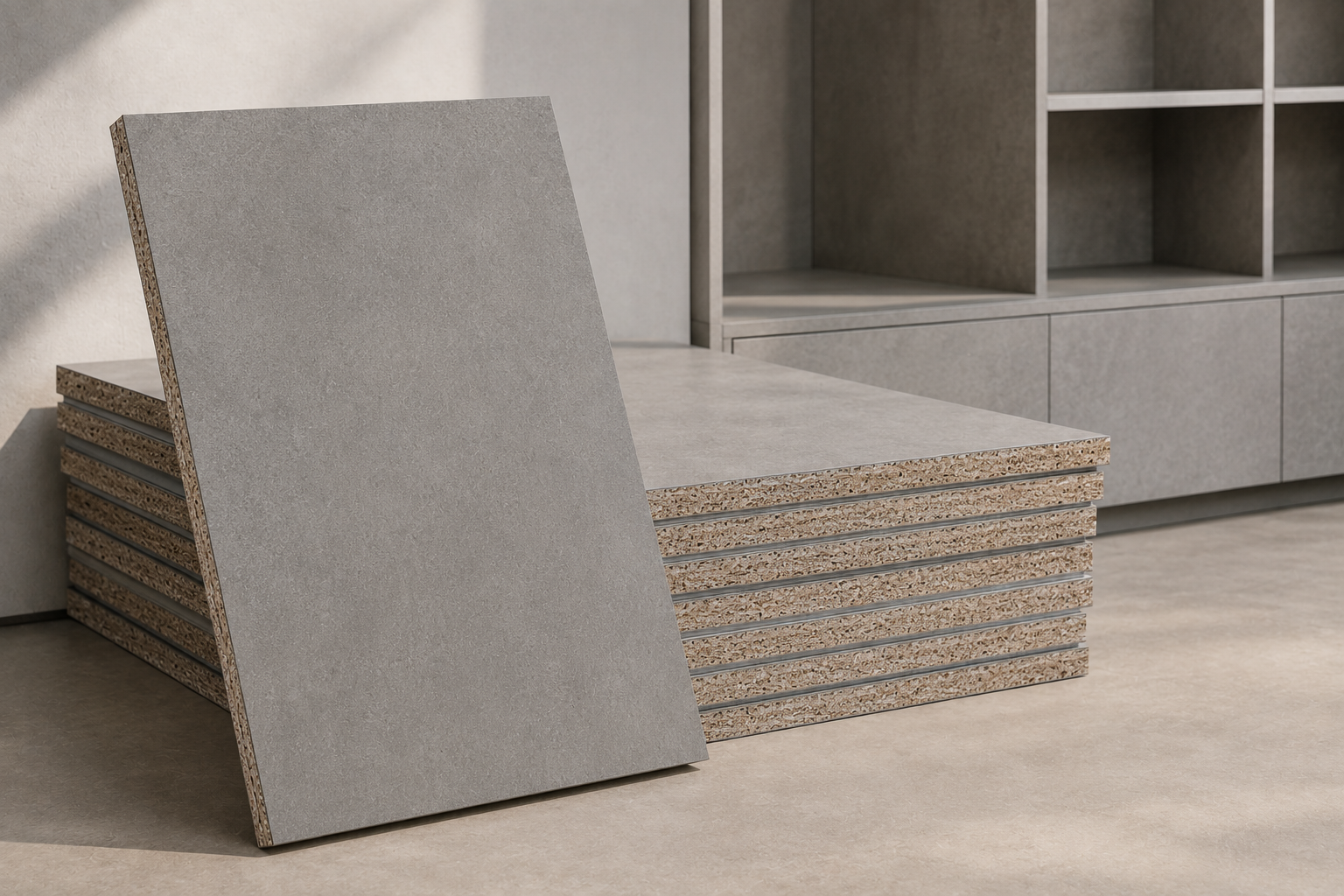
Cement-bonded particle board is an engineered wood product manufactured by bonding wood particles with Portland cement. Unlike traditional plywood or MDF boards, this material combines the workability of wood with the durability and moisture resistance of cement. The 12mm thickness variant offers an excellent balance between structural strength and ease of handling, making it ideal for various construction applications across India's diverse climate zones.
The specific product—150mm x 2440mm white primered Bison plank—is engineered to provide:
Superior moisture resistance: Essential for India's humid and monsoon-prone regions
Fire resistance: Meets safety standards required for commercial and residential projects
Dimensional stability: Minimal warping or expansion even in extreme temperature variations
Pre-primed white finish: Reduces on-site finishing time and labor costs
Durability: Longer lifespan compared to conventional particle boards
Why White Primer Matters
The white primer finish on these planks is not merely aesthetic. It serves multiple functional purposes. The primer acts as a protective barrier against moisture ingress, UV radiation, and environmental pollutants. For projects in metropolitan areas like Mumbai, Delhi, Bangalore, and Chennai, where air pollution and humidity levels are high, this pre-primed finish significantly extends the material's service life and reduces maintenance costs by 20-30% over the project duration.
Frequently asked
Key Specifications and Technical Details
Dimensional Specifications
The 150mm x 2440mm dimensions are strategically designed for Indian construction standards. The 150mm width aligns perfectly with standard wall stud spacing (typically 300mm or 450mm centers), allowing for efficient installation without excessive cutting and material wastage. The 2440mm length is approximately 8 feet, which is a standard measurement that facilitates easy transportation and handling across Indian construction sites.
The 12mm thickness provides:
Adequate structural rigidity for wall cladding and partition applications
Sufficient load-bearing capacity for shelving and cabinet applications
Optimal weight distribution for ease of installation
Cost-efficiency compared to thicker variants (16mm or 18mm)
Performance Characteristics
Cement-bonded particle board of this specification typically demonstrates:
Density: 1.2-1.4 g/cm³, providing excellent strength-to-weight ratio
Moisture absorption: Less than 12% even after 24-hour water immersion, significantly better than conventional plywood
Flexural strength: 15-20 MPa, suitable for structural applications
Fire rating: Non-combustible or Class A fire rating depending on specific product certification
Thermal insulation: Moderate insulation properties beneficial for temperature regulation
Applications in Indian Construction Projects
Residential Applications
In residential construction across Indian cities, this cement-bonded particle board is increasingly used for:
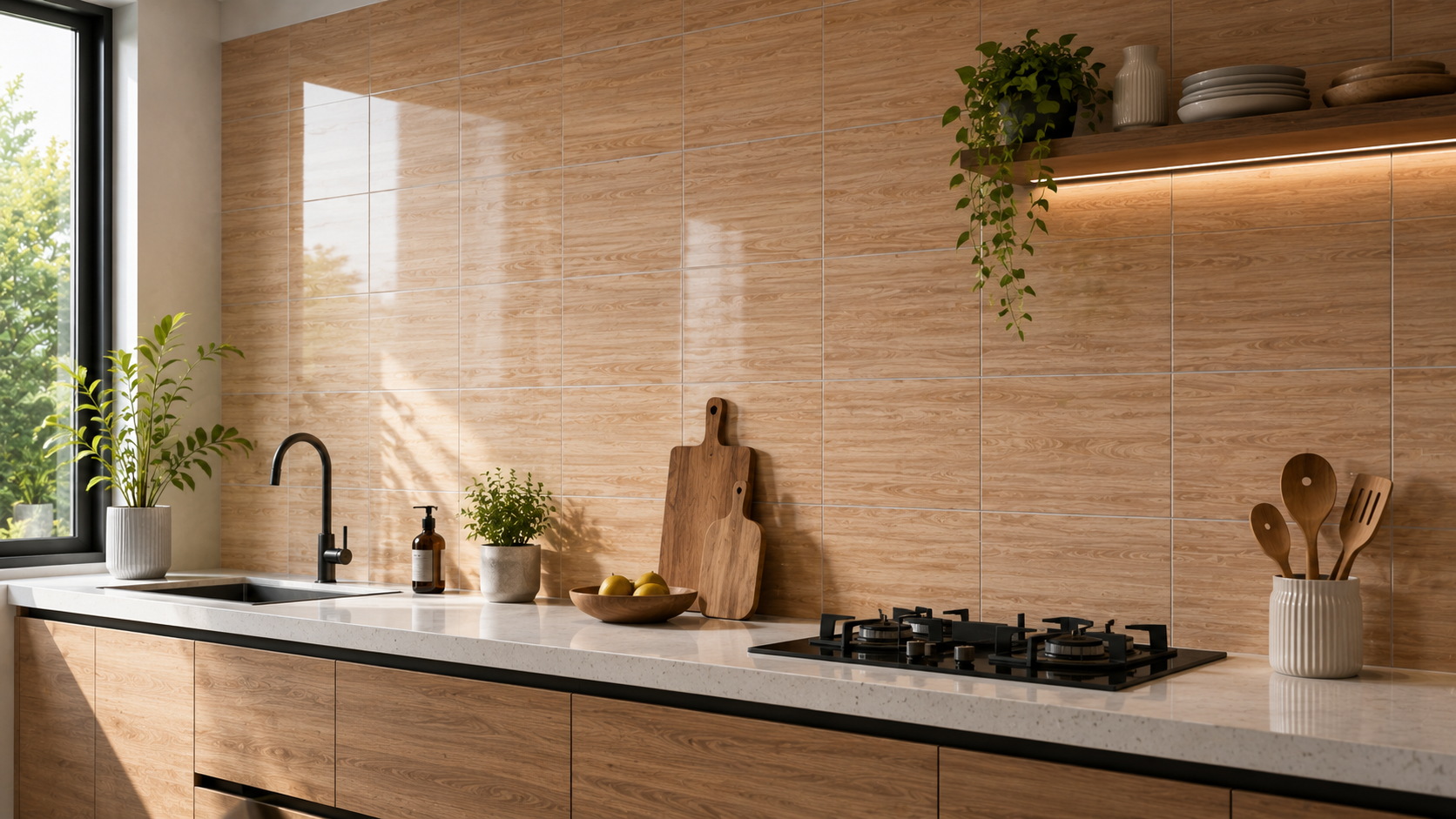
Interior wall cladding: In kitchens, bathrooms, and wet areas where moisture resistance is critical
False ceiling systems: Combined with metal frames for lightweight, durable suspended ceilings
Wardrobe and storage solutions: The white primer provides a clean base for paint or laminate finishes
Partition walls: In open-plan apartments for creating flexible living spaces
Balcony cladding: Protection against weather and moisture intrusion
For a typical 1000 sq.ft apartment renovation in Bangalore or Hyderabad, using cement-bonded particle board instead of conventional plywood can reduce material costs by ₹15,000-25,000 while providing superior durability.
Commercial and Institutional Applications
Commercial projects leverage these boards for:
Office partition systems: Quick installation and flexibility for space reconfiguration
Educational institutions: Durable wall cladding in classrooms and laboratories
Healthcare facilities: Moisture and mold-resistant surfaces in hospitals and clinics
Retail spaces: Display walls and interior fit-outs that withstand high traffic
Industrial facilities: Warehouse cladding and protective wall systems
Specialized Applications
The cement-bonded composition makes these planks suitable for:
Exterior cladding: With proper sealing, suitable for non-weather-facing exterior applications
Wet room construction: Bathrooms, swimming pool areas, and water treatment facilities
Food processing units: Hygienic, easy-to-clean surfaces
Agricultural structures: Durable storage facilities and equipment sheds
Installation and Handling Guidelines
Pre-Installation Considerations
Before installation, ensure proper site conditions:
Store boards in a dry location with adequate ventilation
Allow 48 hours acclimatization time at the installation site
Maintain ambient temperature between 15-30°C during installation
Protect boards from direct rainfall and water exposure
Keep relative humidity between 40-70% for optimal performance
Installation Best Practices
For successful installation of 12mm cement-bonded particle boards:
Use appropriate fasteners: Stainless steel or galvanized screws (6mm diameter, 50mm length) to prevent rust and corrosion
Spacing: Install fasteners at 150mm intervals along studs and 300mm intervals in field areas
Cutting: Use carbide-tipped saw blades; cement-bonded boards are harder than conventional plywood
Joint treatment: Apply cement-based joint filler at board junctions for seamless finish
Primer compatibility: The white primer is compatible with most paint systems; apply 2-3 coats of quality emulsion or enamel paint
Tools Required
Ensure your team has appropriate tools:
Cordless drill with mixing paddle for joint compounds
Circular saw or band saw with carbide blades
Stainless steel fasteners and fixings
Measuring tape and spirit level
Putty knife and sanding equipment
Safety equipment including dust masks and gloves
Cost Analysis and Budget Considerations
Material Costs in Indian Market
As of 2024, cement-bonded particle board pricing in India varies by region and supplier:
Base material cost: ₹350-450 per sq.ft for 12mm white primered boards
Bulk purchase discounts: 10-15% reduction for orders exceeding 5000 sq.ft
Regional variations: Prices in tier-1 cities (Delhi, Mumbai, Bangalore) are 5-10% higher than tier-2 cities
Delivery charges: ₹50-100 per sq.ft depending on distance and quantity
Comparative Cost Analysis
For a 500 sq.ft interior cladding project:
Cement-bonded particle board: ₹1,75,000-2,25,000 (material only)
Conventional plywood: ₹2,00,000-2,75,000
MDF board: ₹1,50,000-1,90,000 (but less durable in humid conditions)
When accounting for longevity and maintenance costs, cement-bonded particle board offers superior value proposition, especially for projects in moisture-prone areas.
Quality Standards and Certifications
Indian and International Standards
Reliable cement-bonded particle board suppliers ensure their products comply with:
IS 12823:2008: Indian Standard for cement-bonded particle boards
EN 634: European Standard for cement-bonded boards
ASTM C1404: American Standard for fiber-reinforced cement boards
ISO 1209: International Standard for particle boards
Quality Assurance Checks
When sourcing through AECORD or other platforms, verify:
Genuine manufacturer certification and batch numbers
Consistent white primer finish without patches or discoloration
Dimensional accuracy (tolerance ±1mm)
Absence of warping, cracks, or surface defects
Proper packaging and handling documentation
Environmental and Health Considerations
Sustainability Aspects
Cement-bonded particle boards offer environmental advantages:
Recycled content: Often manufactured using recycled wood particles and industrial waste
Lower formaldehyde emissions: Cement bonding eliminates need for formaldehyde-based adhesives
Durability: Longer lifespan reduces replacement frequency and waste generation
Thermal mass: Contributes to building thermal performance
Health and Safety
For workers and occupants:
VOC emissions: Minimal volatile organic compound release
Dust management: Proper respiratory protection required during cutting and installation
Fire safety: Non-combustible nature reduces fire risk in buildings
Mold resistance: Cement matrix prevents mold and bacterial growth
Finding Quality Suppliers on AECORD
How AECORD Helps Your Project
AECORD, India's leading B2B2C marketplace for AECO professionals, connects you with verified suppliers of cement-bonded particle boards and related materials. When searching for 12mm Bison plank boards, AECORD provides:
Verified supplier listings with ratings and reviews from previous projects
Transparent pricing and bulk purchase options
Quick delivery across major Indian cities
Quality assurance and warranty information
Expert consultation for material selection
Vetting Suppliers
Use AECORD to evaluate suppliers by:
Checking certifications and industry credentials
Reading detailed reviews from architects and contractors
Comparing quotes from multiple suppliers
Verifying delivery capabilities and timelines
Confirming after-sales support and warranty terms
Maintenance and Longevity
Long-term Care
To maximize the lifespan of cement-bonded particle board installations:
Regular inspection: Check for signs of water damage or deterioration quarterly
Paint maintenance: Repaint every 3-5 years to maintain protective coating
Moisture control: Ensure proper ventilation and humidity management
Cleaning: Use mild detergent and soft cloth; avoid harsh chemicals
Repair: Address minor damage promptly to prevent moisture penetration
Expected Lifespan
With proper installation and maintenance, 12mm cement-bonded particle boards typically last:
Interior applications: 15-20 years
Semi-exterior applications: 10-15 years
High-moisture areas: 12-18 years with enhanced maintenance
Common Challenges and Solutions
Installation Challenges
Challenge: Difficulty in cutting due to material hardness
Solution: Use carbide-tipped blades and cut at slower speeds with proper dust extraction
Challenge: Joint visibility after painting Solution: Apply quality joint compound in multiple thin coats and sand smooth before painting
Challenge: Fastener pops or backing out
Solution: Use self-drilling screws and ensure proper fastener spacing and torque
Performance Challenges
Challenge: Surface staining or discoloration
Solution: Maintain proper surface protection and clean regularly with appropriate cleaners
Challenge: Moisture-related swelling in high-humidity areas
Solution: Ensure adequate ventilation and consider additional waterproofing membranes
Case Study: Successful Implementation in Indian Projects
A commercial office complex in Gurgaon recently used 12mm cement-bonded particle boards for interior partitioning across 8,000 sq.ft of space. The project achieved:
30% faster installation compared to conventional plywood systems
Material cost savings of ₹2,40,000
Superior moisture resistance, crucial for the building's HVAC-heavy environment
Enhanced fire safety ratings meeting commercial building codes
Minimal maintenance requirements over the first 3 years
The project team sourced materials through verified suppliers, ensuring consistent quality and timely delivery, demonstrating the material's viability for large-scale commercial applications.
Future Trends and Innovations
The cement-bonded particle board market in India is evolving with:
Enhanced performance variants: Boards with improved acoustic properties
Sustainable manufacturing: Increased use of recycled content and bio-based binders
Integrated solutions: Pre-finished boards with various surface options beyond white primer
Smart building integration: Compatibility with moisture sensors and smart building systems
Cost optimization: Competitive pricing as production scales up across India
Conclusion
The 12mm thickness Bison plank cement-bonded particle board in 150mm x 2440mm dimensions with white primer finish represents a significant advancement in building materials available to Indian AECO professionals. Its superior moisture resistance, durability, fire safety, and cost-effectiveness make it an excellent choice for diverse applications across residential, commercial, and industrial projects.
Whether you're planning an interior renovation in Pune, a commercial office fit-out in Delhi, or an institutional project in Kolkata, this material offers reliable performance and excellent value. When sourcing these materials, leverage platforms like AECORD to connect with verified suppliers who understand Indian market requirements and can ensure consistent quality delivery.
As an architect, engineer, or contractor, incorporating cement-bonded particle boards into your material specifications can enhance project quality, reduce timelines, and improve client satisfaction. The material's proven track record across thousands of Indian projects validates its reliability and performance.
Ready to specify cement-bonded particle boards for your next project? Connect with experienced suppliers and material experts on AECORD today. Browse verified suppliers, compare quotes, and access detailed product information to make informed decisions for your AECO projects. Visit AECORD now to find the right materials and professionals for your construction needs.