

Understanding 12mm Designer Cement Bonded Particle Board: A Comprehensive Guide for Indian Construction Professionals
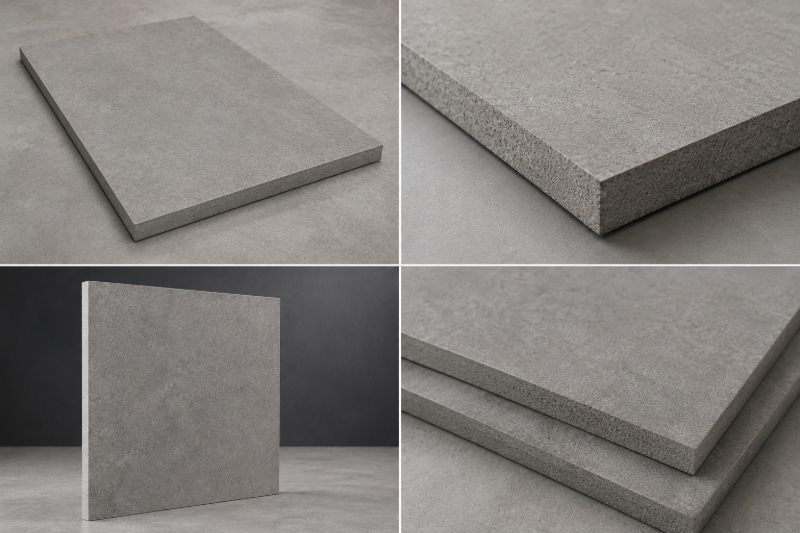
The construction and interior design industry in India has witnessed significant evolution in recent years, with building materials becoming increasingly sophisticated and specialized. Among these innovations, cement bonded particle boards have emerged as a game-changing solution for architects, engineers, and construction professionals. Specifically, the 12mm thickness variant with dimensions of 1220mm x 2440mm and quadra texture finish in grey has become a preferred choice for numerous applications across residential, commercial, and industrial projects.
This comprehensive guide explores everything you need to know about this specific building material, its applications, advantages, and how to source quality products from reliable suppliers in India.
Build cost · Bengaluru, May 2026
What is Cement Bonded Particle Board?
Composition and Manufacturing Process
Cement bonded particle board (CBPB) is an engineered composite material manufactured by combining wood particles or wood fibers with a cement binder. Unlike traditional plywood or medium-density fiberboard (MDF), cement bonded particle boards offer superior durability and moisture resistance, making them ideal for challenging environments.
The manufacturing process involves:
Raw material preparation: Wood particles are processed to specific sizes and moisture levels
Mixing: Particles are thoroughly mixed with Portland cement and water
Forming: The mixture is laid out and compacted to achieve desired thickness
Curing: The board is allowed to cure under controlled temperature and humidity conditions
Finishing: The board is trimmed, sanded, and textured as per specifications
The 12mm Thickness Specification
The 12mm thickness represents a sweet spot in the market, offering an optimal balance between structural strength and material efficiency. This thickness is particularly suitable for:
Interior wall cladding and partition systems
Ceiling applications
Flooring underlayment
Exterior facade applications in protected areas
Furniture and cabinetry backing
Frequently asked
Standard Dimensions: 1220mm x 2440mm Explained
The 1220mm x 2440mm dimension is the standard size for cement bonded particle boards in India and across Asia. This measurement translates to approximately 4 feet by 8 feet, making it convenient for:
Easy handling and transportation
Minimal wastage during installation
Compatibility with standard framing systems
Efficient coverage calculation for large areas
For a typical residential project in cities like Bangalore, Mumbai, or Delhi, a single sheet covers approximately 2.98 square meters, making it easy to calculate material requirements for any space.
Quadra Texture Grey 361742: Aesthetic and Functional Benefits
Understanding Quadra Texture
The quadra texture finish refers to a specific surface pattern that combines both aesthetic appeal and functional benefits. This textured surface:
Provides excellent grip and slip resistance
Conceals minor imperfections and dust
Enhances visual depth and sophistication
Improves acoustic properties by diffusing sound
Reduces glare from artificial and natural lighting
Grey Color Specification (361742)
The grey shade (code 361742) is a neutral, sophisticated color that has become increasingly popular in contemporary Indian architecture. This color choice offers several advantages:
Versatility: Complements both modern and traditional design schemes
Professional appearance: Ideal for commercial and institutional settings
Hiding properties: Effectively masks stains and marks better than lighter shades
Temperature benefits: Absorbs less heat compared to darker colors, beneficial in India's hot climate
Design compatibility: Works well with various accent colors and materials
Key Advantages of Cement Bonded Particle Board
Moisture and Weather Resistance
One of the primary advantages of cement bonded particle boards is their exceptional moisture resistance. Unlike traditional wood-based products that swell and deteriorate when exposed to moisture, CBPB maintains its structural integrity. This makes it particularly valuable in Indian climates where monsoons and high humidity are common challenges.
In cities like Mumbai, Kolkata, and Chennai, where moisture levels can exceed 80% during rainy seasons, cement bonded particle boards have proven to be significantly more durable than conventional materials.
Durability and Longevity
The cement matrix provides exceptional durability, with a typical lifespan of 25-30 years or more when properly installed and maintained. This longevity translates to better value for money, especially in commercial applications where material replacement costs can be substantial.
Fire Resistance
Cement bonded particle boards are inherently fire-resistant due to their cement composition. They don't ignite easily and have a high fire rating, making them suitable for applications where fire safety is paramount, such as:
Hospital and healthcare facilities
Educational institutions
Commercial office buildings
Industrial facilities
Environmental Benefits
Many cement bonded particle boards are manufactured using recycled wood fibers and sustainable materials. This makes them an environmentally responsible choice for projects pursuing green building certifications like LEED or IGBC ratings, which are increasingly common in metropolitan areas across India.
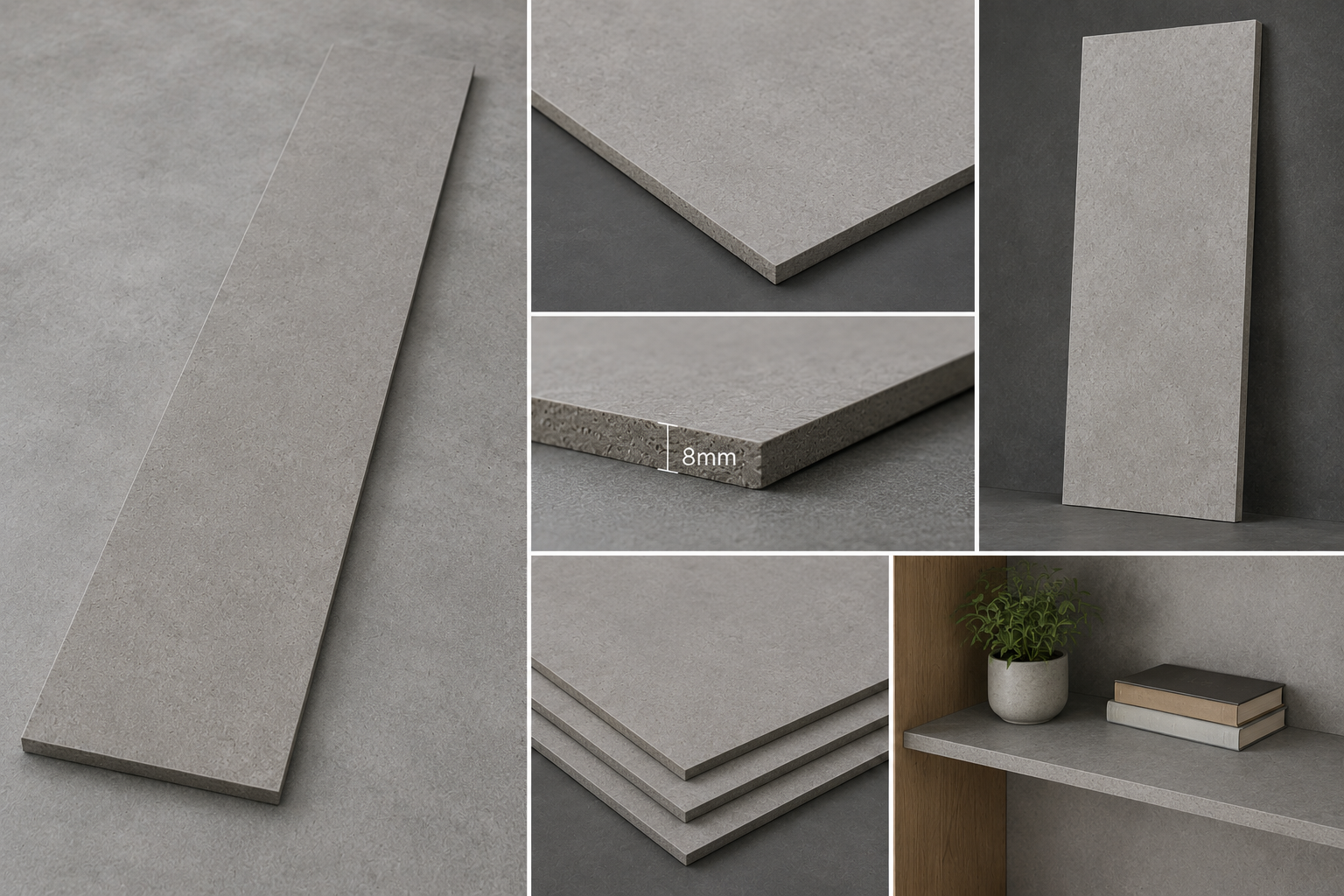
Cost-Effectiveness
In the Indian market, cement bonded particle boards typically range from ₹800 to ₹1,500 per sheet (12mm, 1220x2440mm) depending on the manufacturer and quality specifications. This competitive pricing, combined with durability and low maintenance requirements, makes them an economical choice for large-scale projects.
Applications in Indian Construction Projects
Residential Applications
In residential construction across India, cement bonded particle boards are increasingly used for:
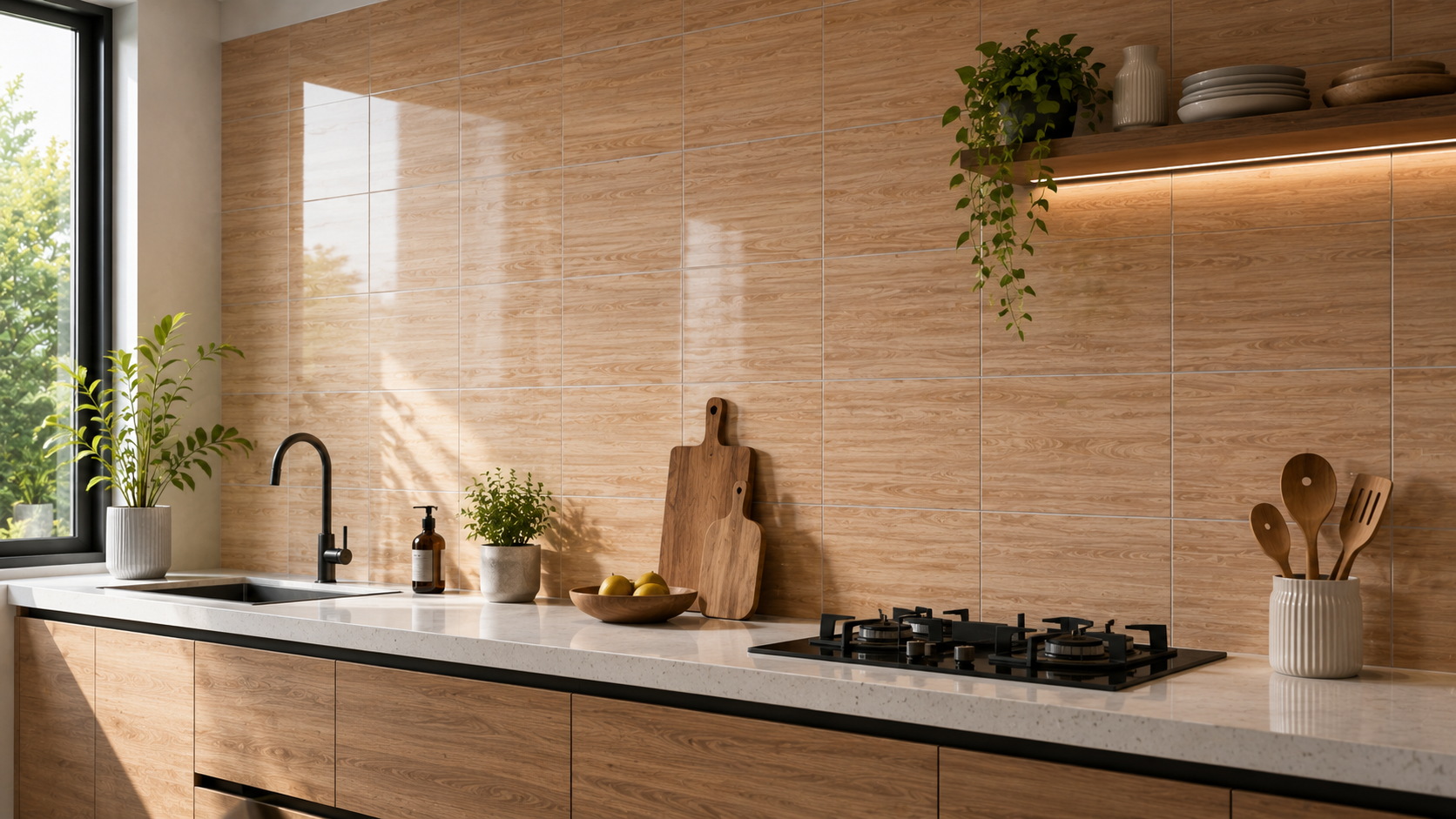
Kitchen backsplashes: The moisture resistance makes them ideal for wet areas
Bathroom cladding: Superior to traditional materials in high-humidity environments
Balcony enclosures: Withstands weather exposure better than alternatives
Interior partitions: Provides acoustic benefits and clean aesthetics
Commercial and Institutional Projects
For commercial applications in cities like Bangalore, Hyderabad, and Pune, cement bonded particle boards are used in:
Office partition systems and false ceilings
Retail store fixtures and displays
Hotel and hospitality interior finishes
Educational institution infrastructure
Healthcare facility construction
Industrial Applications
The industrial sector has embraced cement bonded particle boards for:
Factory floor cladding
Equipment enclosures
Sound barrier walls
Storage facility construction
Chemical-resistant applications
Installation and Best Practices
Preparation and Planning
Before installation, ensure proper planning by:
Calculating exact material requirements with a 10% wastage allowance
Verifying the quality and specifications of boards upon delivery
Preparing surfaces and supporting structures adequately
Allowing boards to acclimate to site conditions for 24-48 hours
Fastening and Joinery
Cement bonded particle boards require specific fastening approaches:
Screws: Preferably corrosion-resistant screws with a minimum diameter of 3.5mm
Spacing: Fasteners should be spaced 150-200mm apart along edges and 300mm in field areas
Edge protection: Seal cut edges with appropriate sealants to prevent moisture ingress
Gaps: Maintain 3-5mm expansion gaps between sheets
Finishing Options
The quadra texture grey finish provides excellent aesthetics, but additional finishing options include:
Painting with acrylic or enamel paints
Applying ceramic or porcelain tiles
Installing wallpapers or wall coverings
Sealing with water-based or oil-based sealers
Maintenance and Care
Regular Maintenance
To ensure longevity, follow these maintenance practices:
Cleaning: Use damp cloths for regular cleaning; avoid excessive water exposure
Inspection: Periodically check for cracks, damage, or water staining
Repairs: Address any damage promptly to prevent moisture penetration
Protective coatings: Reapply sealers or protective coatings every 3-5 years in high-moisture areas
Moisture Management
While cement bonded particle boards are moisture-resistant, proper ventilation and moisture control remain important:
Ensure adequate ventilation in bathrooms and kitchens
Use exhaust fans to manage humidity levels
Maintain proper slope for water drainage in external applications
Address any water leaks immediately
Sourcing Quality Materials in India
Identifying Reliable Suppliers
When sourcing cement bonded particle boards in India, consider:
Certifications: Look for ISO 9001, BIS certification, or international standards compliance
Manufacturer reputation: Established manufacturers like Duratex, Visaka, and other recognized brands
Quality assurance: Request test certificates and product specifications
Warranty: Ensure manufacturers provide adequate warranties
Cost Considerations
Material costs vary across Indian cities:
Metropolitan areas: Delhi, Mumbai, Bangalore: ₹900-₹1,400 per sheet
Tier-2 cities: Pune, Hyderabad, Kolkata: ₹800-₹1,200 per sheet
Bulk purchases: 5% to 15% discounts for orders exceeding 100 sheets
Finding Professionals on AECORD
For projects requiring professional installation and consultation, AECORD's marketplace connects you with experienced architects, engineers, and contractors specializing in modern building materials. Whether you're planning a residential renovation in Mumbai or a commercial project in Bangalore, AECORD helps you find vetted professionals who understand cement bonded particle board specifications and best installation practices.
The platform's network of AECO professionals can provide valuable guidance on material selection, cost optimization, and project execution, ensuring your investment in quality materials like cement bonded particle boards yields optimal results.
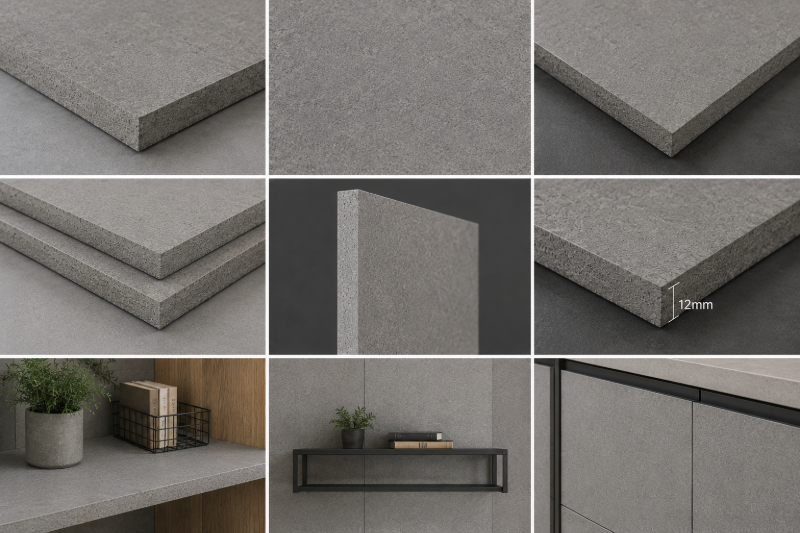
Comparing with Alternative Materials
Versus Plywood
While plywood is traditional and familiar, cement bonded particle boards offer superior moisture resistance and durability, particularly in Indian climatic conditions. Plywood typically costs ₹600-₹1,200 per sheet but deteriorates faster in humid environments.
Versus Gypsum Board
Gypsum boards are lighter and easier to install but lack the durability and fire resistance of cement bonded boards. For applications requiring moisture resistance, CBPB is clearly superior.
Versus Fiber Cement Boards
While fiber cement boards are excellent, cement bonded particle boards offer better workability and cost-efficiency for large-area applications.
Future Trends and Innovations
The cement bonded particle board industry in India continues to evolve with:
Enhanced textures: More sophisticated surface finishes like the quadra texture becoming standard
Improved performance: Better moisture and fire ratings through advanced manufacturing
Sustainability: Increased use of recycled materials and eco-friendly binders
Customization: More color options and custom sizing becoming available
Conclusion
The 12mm cement bonded particle board with quadra texture grey finish represents a modern, durable, and cost-effective solution for diverse construction applications across India. Its superior moisture resistance, fire safety, and longevity make it an excellent choice for residential, commercial, and industrial projects.
Whether you're planning a small residential renovation or a large-scale commercial development, understanding the specifications, applications, and best practices for cement bonded particle boards ensures successful project execution and long-term satisfaction.
To find experienced professionals who can help specify and install these materials correctly, explore AECORD's network of architects, engineers, and contractors. They can provide expert guidance tailored to your specific project requirements and local market conditions, ensuring you get the best value from your material investment.
Ready to source quality materials and connect with experienced professionals? Visit AECORD today to find verified AECO specialists in your area who can guide your project to success.
Frequently Asked Questions
What is cement bonded particle board and how is it different from plywood?
Cement bonded particle board (CBPB) is an engineered composite made by combining wood particles with Portland cement binder, offering superior moisture resistance and durability compared to traditional plywood or MDF. This makes it ideal for challenging environments and applications requiring enhanced water resistance.
What are the best applications for 12mm cement bonded particle board?
The 12mm thickness is ideal for interior wall cladding, ceiling applications, flooring underlayment, exterior facade in protected areas, and furniture backing. It offers an optimal balance between structural strength and material efficiency for these specific construction uses.
Why is the 1220mm x 2440mm size standard for cement bonded boards in India?
This standard size (approximately 4 feet by 8 feet) is convenient for easy handling, minimal wastage during installation, compatibility with standard framing systems, and efficient coverage calculation. Each sheet covers approximately 2.98 square meters, making material estimation straightforward.
What are the benefits of quadra texture finish on cement bonded boards?
Quadra texture provides excellent grip and slip resistance, conceals minor imperfections, enhances visual depth, improves acoustic properties by diffusing sound, and reduces glare from lighting. It combines both aesthetic appeal and functional benefits for interior and exterior applications.
Why is grey color (361742) a popular choice for cement bonded particle boards?
Grey is a neutral, sophisticated color that offers versatility by complementing both modern and traditional design schemes. Its widespread adoption in contemporary Indian architecture makes it a practical choice for residential, commercial, and industrial projects.