

Understanding 12mm Designer Cement Bonded Particle Board: A Complete Guide for Indian AECO Professionals
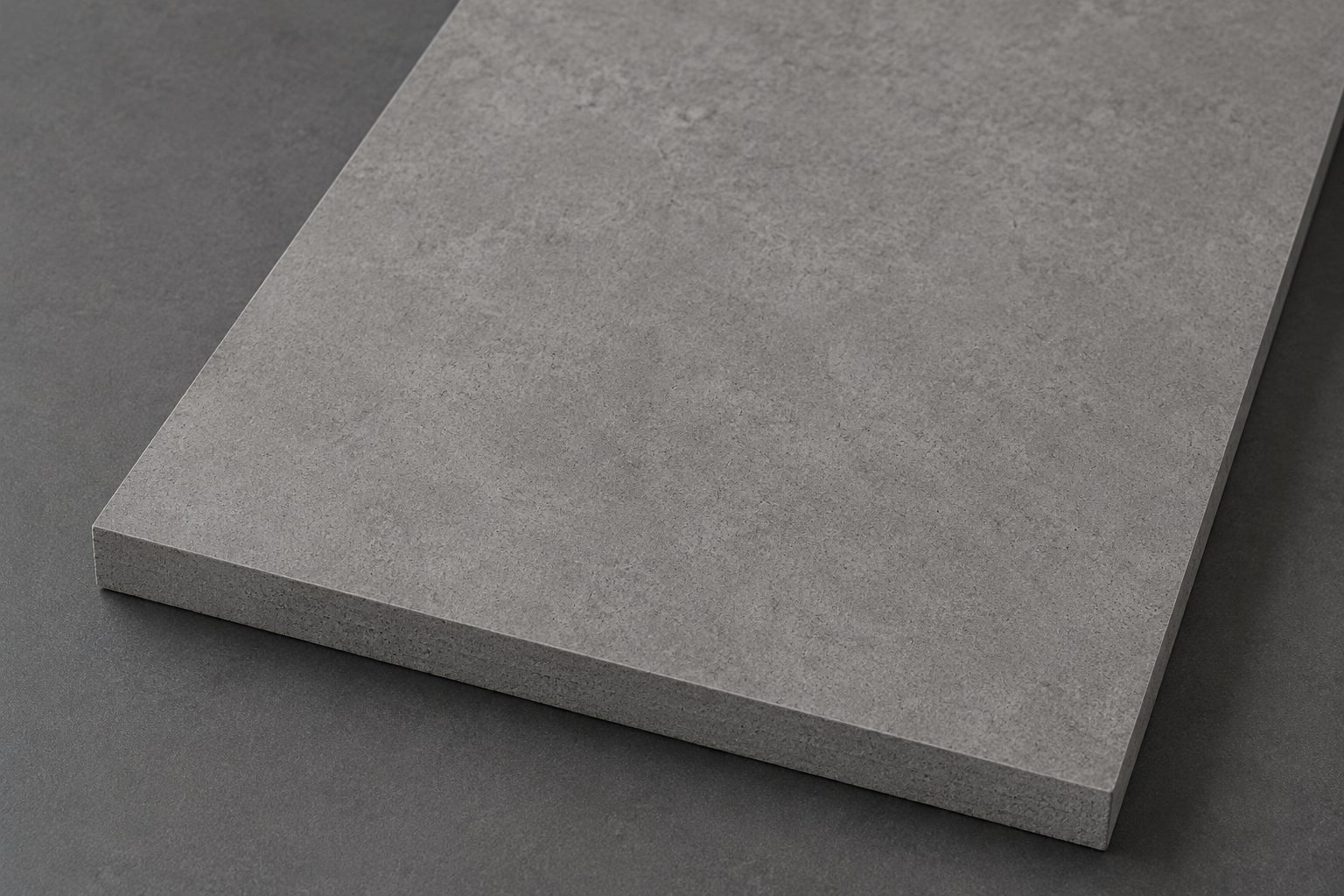
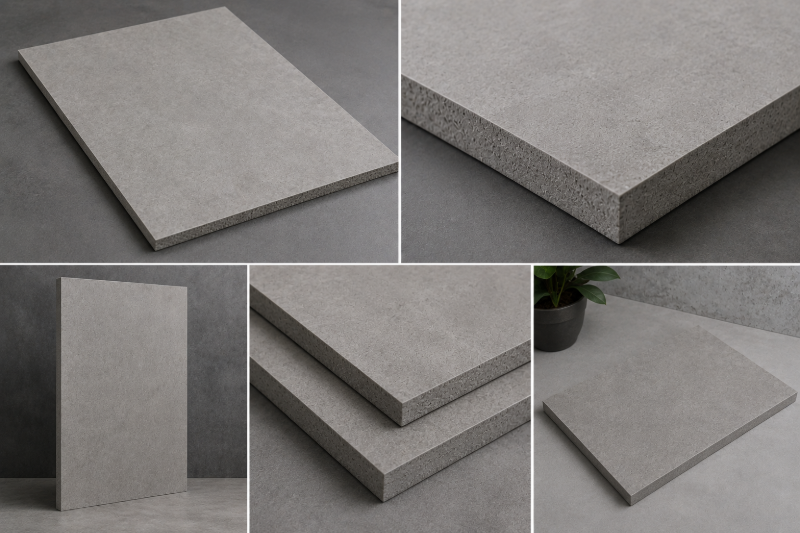
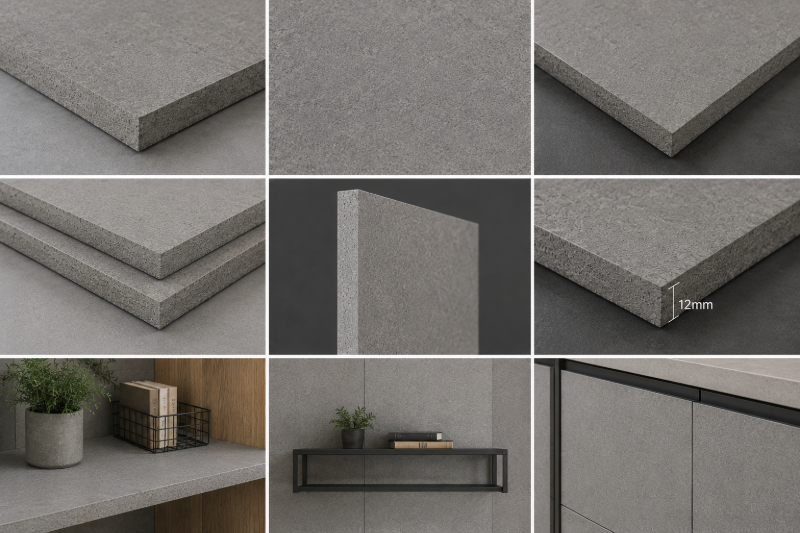
Cement bonded particle board (CBPB) has emerged as one of the most versatile and durable building materials in the Indian construction industry. Among the various specifications available, the 12mm thickness variant in the standard 1220mm x 2440mm dimension with murk texture and grey 361740 finish has become increasingly popular for both residential and commercial projects. This comprehensive guide will help architects, engineers, contractors, and construction professionals understand this material's properties, applications, advantages, and best practices for implementation.
Build cost · Bengaluru, May 2026
What is Cement Bonded Particle Board?
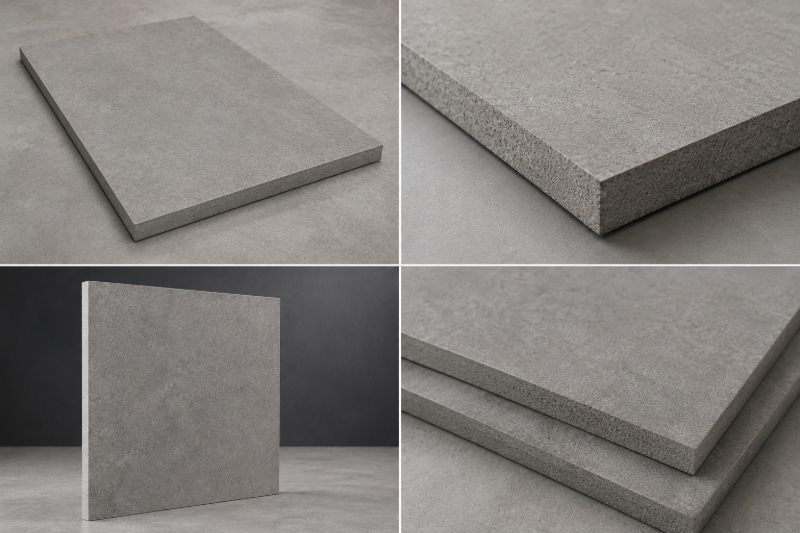
Cement bonded particle board is a composite material manufactured by binding wood particles with a Portland cement matrix. Unlike traditional plywood or MDF, CBPB offers superior moisture resistance, fire performance, and durability—making it an ideal choice for the Indian climate where humidity and temperature fluctuations are significant concerns.
Composition and Manufacturing Process
The 12mm CBPB is manufactured through a process that involves:
Wood particle selection: High-quality wood particles are carefully sorted and graded
Cement mixing: Portland cement is mixed with the wood particles in precise proportions
Water addition: Controlled moisture is added to initiate the binding process
Pressing: The mixture is pressed under high pressure to achieve the 12mm thickness
Curing: The boards cure for several days to achieve maximum strength
Texture application: The murk texture and grey 361740 finish are applied during the final stages
This manufacturing process results in a board that is significantly more stable than wood-based alternatives and performs exceptionally well in challenging environments.
Technical Specifications of 12mm CBPB
Frequently asked
Dimensions and Coverage
The standard 1220mm x 2440mm dimension is widely preferred across Indian construction sites because:
It covers approximately 2.98 square meters per sheet
It minimizes waste during installation
It aligns well with standard wall heights in residential construction (typically 2.7m to 3m)
It reduces the number of joints required, improving aesthetic appeal
For a typical 3-bedroom residential apartment in cities like Mumbai, Delhi, or Bangalore, you would typically require 15-20 sheets depending on the application area.
Thickness and Strength Properties
The 12mm thickness provides an optimal balance between:
Structural integrity: Sufficient strength for wall cladding, false ceilings, and partition applications
Weight management: Lightweight enough for easy handling (approximately 18-22 kg per sheet) without compromising durability
Cost efficiency: More economical than thicker variants while providing adequate performance
Flexibility: Can be used in curved applications with proper support structures
Understanding the Murk Texture and Grey 361740 Finish
What is Murk Texture?
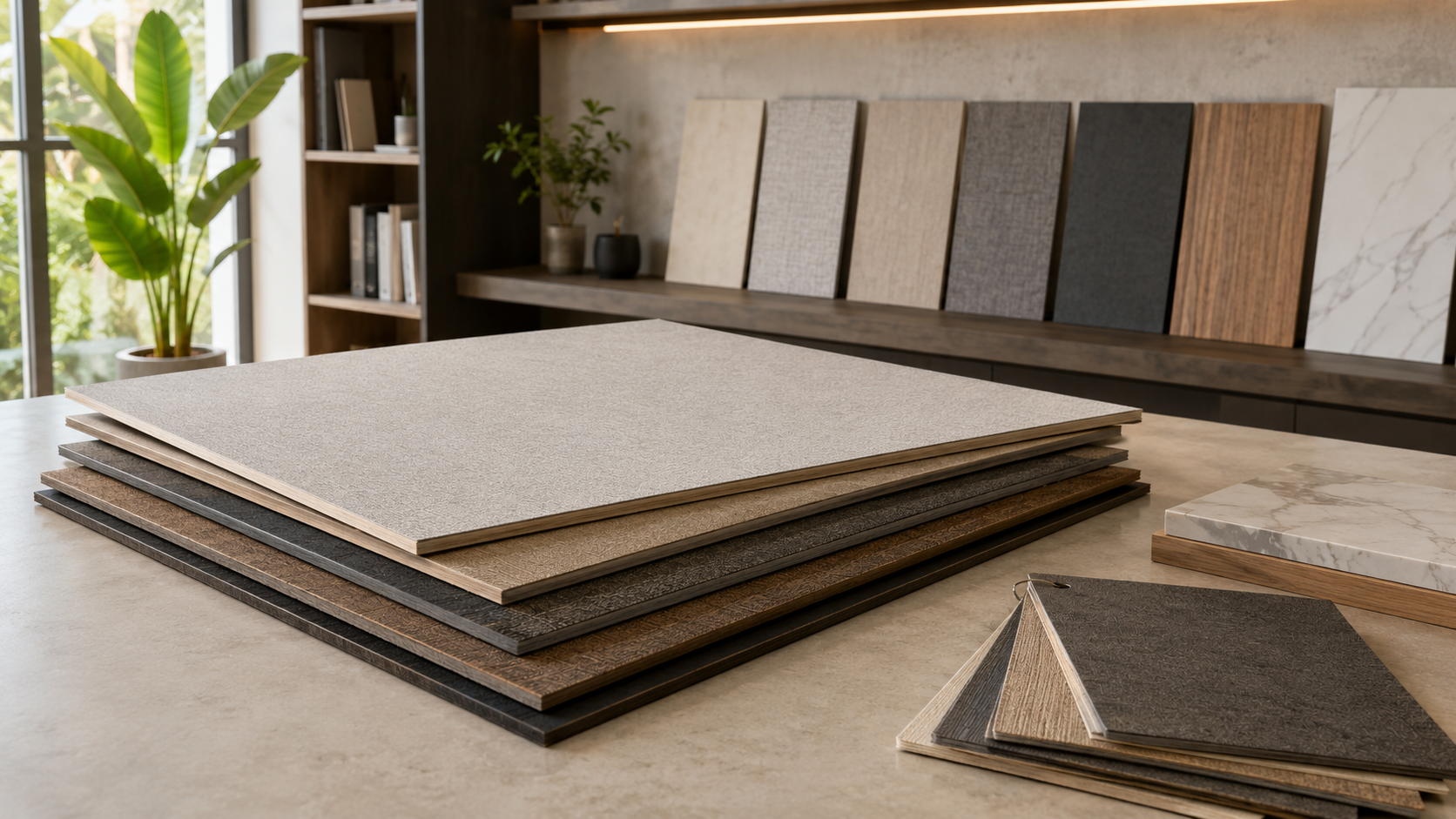
The murk texture is a subtle, uneven surface finish that provides several practical and aesthetic benefits:
Visual appeal: The textured surface creates depth and visual interest, making spaces appear more sophisticated
Concealment: The texture effectively hides minor imperfections, dust marks, and fingerprints
Acoustic properties: The irregular surface helps in sound absorption, improving acoustic performance in offices and residential spaces
Anti-glare: Unlike smooth finishes, murk texture reduces glare under artificial lighting
Grey 361740 Color Specification
The grey 361740 finish is a carefully calibrated neutral grey that:
Complements both modern and traditional interior design schemes
Provides a professional appearance suitable for corporate offices and retail spaces
Works exceptionally well in Indian homes, particularly in metropolitan areas like Hyderabad, Pune, and Kolkata
Offers excellent versatility—can be painted over or left as-is depending on project requirements
Maintains color consistency across multiple sheets, ensuring uniform appearance
This specific shade of grey has become increasingly popular in Indian architecture because it bridges the gap between industrial and contemporary design aesthetics.
Key Advantages of 12mm CBPB for Indian Construction
Moisture and Weather Resistance
One of the primary advantages of cement bonded particle board is its exceptional moisture resistance—a critical factor in India's diverse climate zones. Whether in the humid coastal regions of Kerala and Goa, the monsoon-prone areas of Maharashtra, or the dry regions of Rajasthan, this material maintains its structural integrity.
Water absorption rate: Less than 15% when immersed for 24 hours
Dimensional stability: Minimal warping or swelling even in high-humidity conditions
Suitable for areas with water exposure: Bathrooms, kitchens, and exterior applications
Fire and Pest Resistance
CBPB offers inherent fire resistance without requiring additional chemical treatments:
Fire rating: Typically achieves Class A or B fire rating depending on thickness and application
Pest resistance: The cement matrix makes it unattractive to termites and other wood-boring insects—a significant concern in Indian construction
Fungal resistance: Naturally resistant to mold and mildew growth
Durability and Longevity
When properly installed and maintained, 12mm CBPB can last 20-30 years or more, providing excellent return on investment. This durability makes it particularly cost-effective for commercial projects in Indian cities where maintenance costs are a significant consideration.
Environmental Sustainability
CBPB is manufactured using recycled wood particles and Portland cement, making it an environmentally responsible choice. This aligns well with India's growing focus on sustainable construction practices and green building certifications like LEED and IGBC.
Applications of 12mm CBPB in Indian Construction
Interior Wall Cladding
The murk texture and grey finish make this board ideal for interior wall applications. In residential projects across Delhi, Mumbai, and Bangalore, architects are increasingly using CBPB for:
Feature walls in living rooms and bedrooms
Office partition walls
Commercial retail spaces
Hospitality interiors (hotels, restaurants, cafes)
The textured surface provides visual interest while the neutral grey color serves as an excellent backdrop for furniture and artwork.
False Ceiling and Soffit Applications
For suspended ceiling systems, 12mm CBPB offers:
Adequate strength to span standard ceiling grid spacing (1.2m to 1.5m)
Easy integration with lighting and HVAC systems
Improved acoustic performance when combined with insulation materials
Exterior Cladding and Soffits
In exterior applications, CBPB provides protection against:
Monsoon rains and water penetration
UV radiation and color fading
Temperature fluctuations
Biological growth (algae, moss, mold)
This makes it particularly suitable for building soffits, exterior cladding, and weather-exposed surfaces in Indian climates.
Partition Systems
The 12mm thickness provides sufficient rigidity for partition applications while maintaining lightweight characteristics. It's commonly used in:
Office partition systems
Modular furniture applications
Temporary and permanent partitions
Acoustic partition walls
Installation Guidelines for Indian Projects
Surface Preparation
Proper substrate preparation is essential for optimal performance:
Ensure the supporting structure is plumb, level, and free from debris
For damp areas, apply a moisture barrier or primer before installation
Allow adequate ventilation behind the boards to prevent moisture accumulation
In high-humidity regions like Mumbai and Kolkata, consider installing a vapor barrier
Fastening and Spacing
Proper fastening ensures long-term durability:
Fastener spacing: 150-200mm on center for optimal holding power
Fastener type: Use corrosion-resistant screws or stainless steel fasteners in moisture-prone areas
Edge spacing: Maintain 10-15mm gaps between sheets for expansion and contraction
Joint treatment: Use cement-based joint fillers for seamless appearance
Cost Considerations for Indian Market
The cost of 12mm CBPB in India typically ranges from ₹400 to ₹700 per square meter, depending on:
Location and regional availability
Quantity purchased
Quality grade and manufacturer
Finish specification (murk texture adds to the cost)
For a 3-bedroom apartment requiring approximately 60 square meters of cladding, the material cost would range from ₹24,000 to ₹42,000. When compared to premium wall finishes and the longevity benefits, this represents excellent value.
Maintenance and Care
Regular Maintenance
To ensure maximum lifespan, follow these maintenance practices:
Cleaning: Use a soft cloth and mild detergent for regular cleaning. Avoid abrasive cleaners that may damage the texture
Moisture control: Maintain indoor humidity levels between 40-60% to prevent expansion and contraction
Ventilation: Ensure adequate air circulation, particularly in bathrooms and kitchens
Paint or coating: If desired, apply water-based paint or sealant for additional protection and aesthetic customization
Repair and Restoration
Minor damage can be easily repaired:
Small holes or dents can be filled with cement-based putty
Damaged edges can be sealed with appropriate edge sealers
The entire surface can be repainted if needed without removing the boards
Finding Quality CBPB Products and Professional Installation
When sourcing 12mm CBPB for your project, it's crucial to work with experienced professionals who understand the material's properties and installation requirements. This is where platforms like AECORD become invaluable for Indian AECO professionals. AECORD connects you with verified suppliers, contractors, and installation specialists who have experience with cement bonded particle board projects across India's major cities.
Whether you're specifying materials for a residential project in Pune, a commercial development in Bangalore, or an industrial application in Chennai, AECORD provides access to a network of professionals who can provide:
Material sourcing and procurement
Technical consultation and specification guidance
Professional installation services
Quality assurance and compliance verification
Compliance and Standards
When specifying 12mm CBPB, ensure compliance with relevant Indian standards:
IS 4098: Indian Standard for Cement Bonded Particle Board
Building codes: Local building bye-laws for your city (NDMC for Delhi, BMC for Mumbai, BBMP for Bangalore, etc.)
Fire safety: National Building Code (NBC) requirements for fire ratings
Environmental standards: IGBC or LEED certification requirements if pursuing green building certification
Conclusion
The 12mm thickness cement bonded particle board with murk texture and grey 361740 finish represents an excellent choice for contemporary Indian construction projects. Its combination of durability, moisture resistance, fire performance, aesthetic appeal, and cost-effectiveness makes it suitable for diverse applications—from residential interiors to commercial spaces.
Whether you're an architect designing a premium residential complex, an engineer specifying materials for a commercial building, or a contractor implementing interior solutions, understanding the properties and applications of this material is essential for project success.
For your next project, consider connecting with experienced professionals through AECORD, India's trusted B2B2C marketplace for AECO professionals. You'll find verified suppliers, skilled installers, and technical consultants who can help you select, specify, and install the right cement bonded particle board solutions for your specific requirements. Visit AECORD today to explore options and connect with professionals in your region.